Drip Irrigation Using Emitter Systems in Alfalfa Cultivation: Applications and Practical Guidelines
Introduction to Alfalfa Drip Irrigation
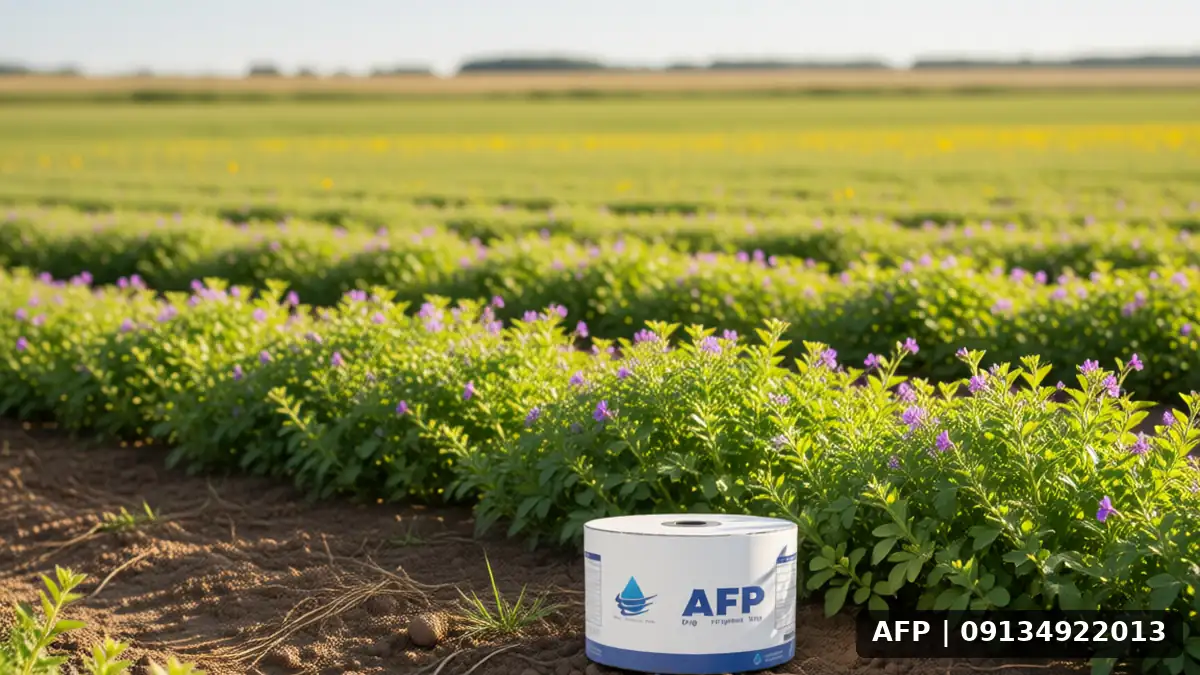
Alfalfa, due to its regrowth cycles and multiple cropping cycles per year, is a crop that requires precise water resource management. In recent years, Alfalfa drip irrigation using modern drip emitters has emerged as one of the most effective methods for reducing drought stress and increasing field productivity. This method delivers moisture directly to the root zone, resulting in improved nutrient uptake and more uniform forage growth. Unlike surface irrigation, which causes water waste and promotes weed growth in inter-row spaces, high-precision drip irrigation keeps only the necessary plant zones moist.
Why use drip irrigation for alfalfa?
One of the main challenges in alfalfa cultivation is its sensitivity to short-term droughts and the significant impact on protein and fiber quality. Drip emitters create continuous, gentle moisture, preventing soil surface crusting and allowing alfalfa’s deep roots to easily access water. This provides a strong competitive advantage, particularly in hot and arid regions with high surface evaporation. Additionally, the capability for fertigation is another key advantage of this system, which can directly affect plant growth.
Technical principles and settings of the drip irrigation system
For a Alfalfa Drip Irrigation To be effective, understanding hydraulic principles and selecting the appropriate equipment is essential. In this section, we will examine the main components and adjustment parameters.
Dripper Selection and Spacing
Drippers are selected based on their flow rate and the type of internal filtration (Self-Priming or Labyrinth). For alfalfa, which has deep roots, it is generally recommended to use drippers with a flow rate of 2 to 4 liters per hour. The spacing between drippers should be adjusted based on the plant’s root spread and soil type. In clay soils, a closer spacing (e.g., 10 to 15 cm) and in sandy soils, a wider spacing (20 to 30 cm) seem logical to ensure moisture is evenly distributed in the root zone.
In addition to non-pressure compensating drippers, using pressure compensating drippers in sloped fields or systems with fluctuating pressure ensures that all drippers operate at the same flow rate. This is crucial for the uniform growth of alfalfa across the entire field. To learn more about the impact of these settings on rainfall volume, you can refer to the article Rainfall Amount per Hectare Guide to accurately calculate the effective rainfall rate.
Calculating Flow Rate and Operating Pressure
Determining the desired system flow rate requires considering the Crop Coefficient (Kc) and the soil’s water holding capacity. Alfalfa has a variable crop coefficient that increases during the active growth season. In calculations, ensure that the pressure at the dripper outlet is between 1 and 2 bar. Excessive pressure causes dripper wear, while insufficient pressure reduces flow rate and causes uneven water distribution. If you face limitations in calculating flow rates for drip lines, reviewing the guide Drip Line Irrigation Volume for Sprinkler may be useful, as similar principles apply to flow control.
Practical Tips for Implementation and Field Execution
After designing the system, the implementation and daily management stages play a key role in the success of Alfalfa Drip Irrigation . In this section, we review operational tips derived from field experiences.
Sowing Start and System Establishment
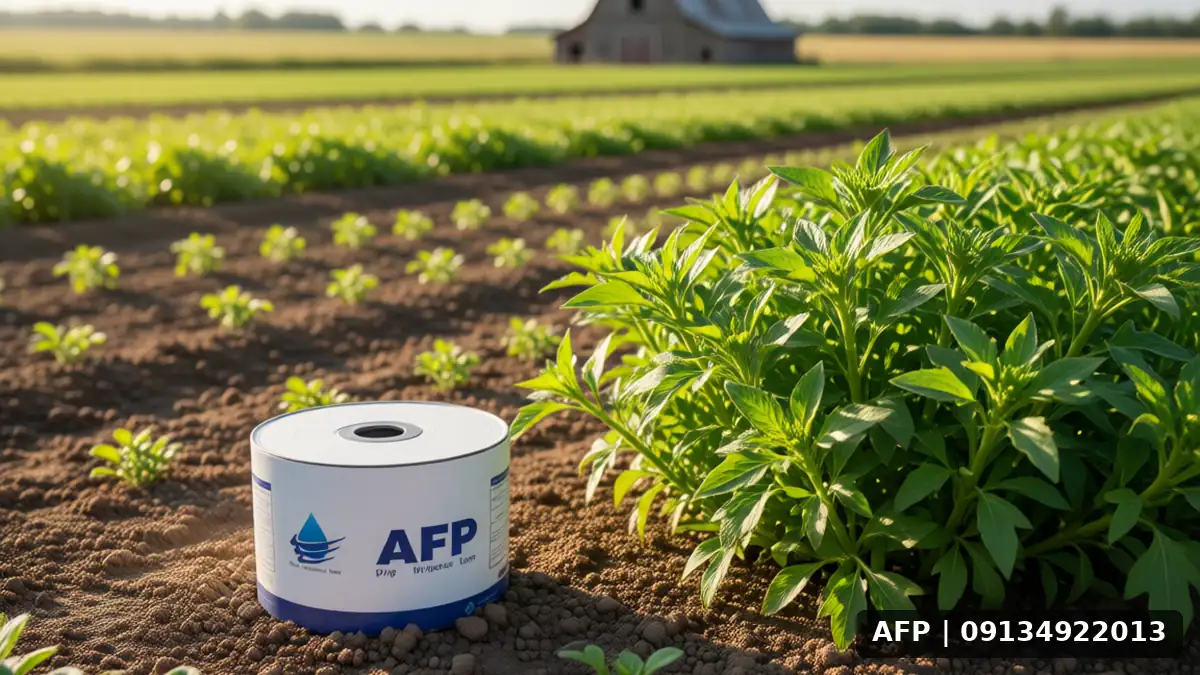
The optimal time to install a drip irrigation system is simultaneous with seed sowing or just before it. This ensures that young roots receive adequate moisture from the very beginning. When installing the system on established fields, care must be taken to avoid damaging the main root system. Additionally, the distance of the drip line from the plant must be such that the moistened zone aligns precisely with the taproot’s penetration zone, rather than wetting the stem, which can lead to fungal diseases.
Fertigation Management
One of the most significant advantages of drip irrigation is the ability to apply fertilizer precisely and at the target zone. Alfalfa has varying nutritional requirements at different growth stages. Using dosing pumps or injection tanks connected to the system, nitrogen, phosphorus, and potassium fertilizers can be injected directly to the roots at the moment of peak plant demand. This method not only increases fertilizer efficiency but also prevents nutrient leaching in sandy soils. Adhering to this practice reduces input costs and improves forage quality.
System Maintenance, Care, and Optimization
Drip irrigation systems are vulnerable to pipe and emitter clogging without proper maintenance. Clogging can lead to reduced flow rates, uneven water distribution, and ultimately decreased alfalfa yield. Therefore, planning for regular maintenance is essential.
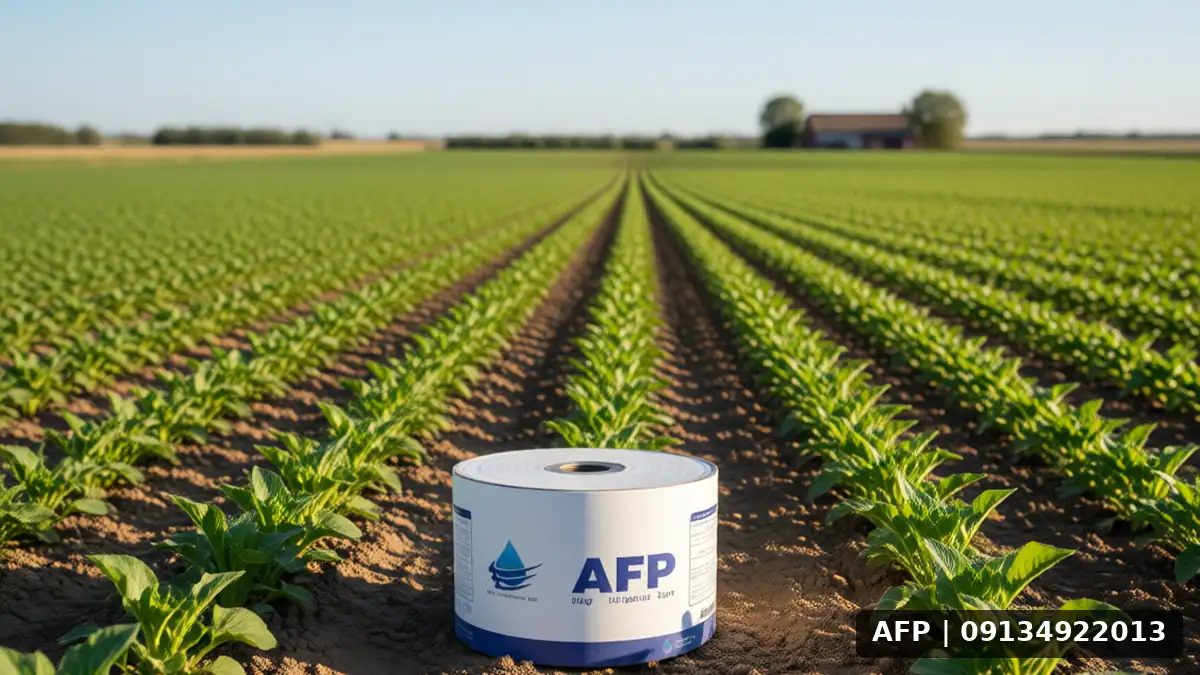
Using appropriate filters (such as disc or turbojet filters) and regular flushing are fundamental principles. Additionally, monthly visual inspection of drip emitters and lateral lines to identify clogged or damaged components is recommended. Furthermore, maintenance of the tape line, if used in combined systems, is indispensable. To better understand how to extend the useful life of these components, you can read the guide on extending drip tape useful life, which contains similar tips applicable to drip piping. Maintenance costs should also be included in the annual budget; studying tape line maintenance costs can provide better insight into the economics of low-rate irrigation systems.
Frequently Asked Questions (FAQ)
Is drip irrigation suitable for all types of alfalfa?
Yes, but the water requirements of Argentine alfalfa and local alfalfa varieties may differ. In any case, the general principles of reducing drought stress and ensuring uniform moisture distribution apply to all types.
What is the initial cost of an alfalfa drip irrigation system?
Costs vary depending on the type of emitter (simple or pressure-compensating), pipe length, and reservoir capacity. It usually has a higher initial cost compared to surface irrigation, but water and fertilizer savings and increased yield justify it through a payback period of one to two seasons.
How to prevent clogging of drippers?
Use high-quality water, install filters that are prone to clogging, and pulse the system (regularly interrupting and restarting the flow) to flush sediments from critical system components.
Summary and Future Outlook
Performance Drip Irrigation of Alfalfa More than just an irrigation method, it is a comprehensive management strategy for farms. This system combines modern drip technology with precision agriculture, allowing farmers to control environmental factors more precisely. The benefits, from reducing water consumption to increasing fertilizer efficiency and improving final produce quality, are clearly visible in the long term. Given climatic events and water resource scarcity, transitioning to low-pressure and precision irrigation systems is not a choice but a necessity. Investing in the training and proper maintenance of these systems is key to sustaining future alfalfa production. Additionally, utilizing the comprehensive direct land irrigation guide to prepare initial infrastructure is a crucial step toward the successful installation of these systems.
Related articles: 90 Woven Pipe