Smart Irrigation for Mung Bean Cultivation: Key Prerequisites for Success
Introduction to the Importance of Smart Irrigation in Mung Bean Cultivation
Mung bean cultivation, as a key crop in both food and industrial supply chains, requires precise water resource management. With rising water costs and diminishing resources, the use of smart smart irrigation systems is no longer a luxury option but a necessity for maintaining agricultural competitiveness. Smart irrigation utilizes sensors, controllers, and predictive algorithms to enable precise adjustment of irrigation volume and timing. This process is critical for crops such as mung beans, where high sensitivity to water stress directly reduces seed quality and yield. Below, we outline the key prerequisites that must be considered before installing any advanced system.
Water Resource Analysis and Water Requirement Determination
Before entering the technical phase, the primary prerequisite for smart irrigation in mung bean cultivation is a thorough understanding of the available water source. Do you have potable water, groundwater, or surface water? Water quality (sodium, boron, chloride levels) directly impacts equipment longevity and plant health. For system design, the daily water requirement of mung beans must be calculated based on growth stages (post-planting, vegetative, flowering, and grain filling). Utilizing local meteorological data and the crop coefficient (Kc) for mung beans is essential. Without this foundational data, any sensors or automation will lack accuracy.
h2> Technical and hardware prerequisites for the irrigation system
Implementing smart irrigation without an appropriate technical infrastructure leads to repeated failures and water waste. The three main hardware elements that must exist or be purchased before installation are: effective filtration, standardized piping, and balanced emitters.
Filtration: The First Line of Defense
Mustard is a plant with delicate roots, and its root zone is sensitive to clogging. Therefore, a multi-stage filtration system (cyclone, sand, and metal mesh) is an undeniable prerequisite. If you currently have a simple drip or tape drip system, you must upgrade it with appropriate filters. Additionally, using a water softener if the water hardness is high prevents precipitation in the nozzles.
h3> Selecting the type of tape drip or drip line based on the mustard crop
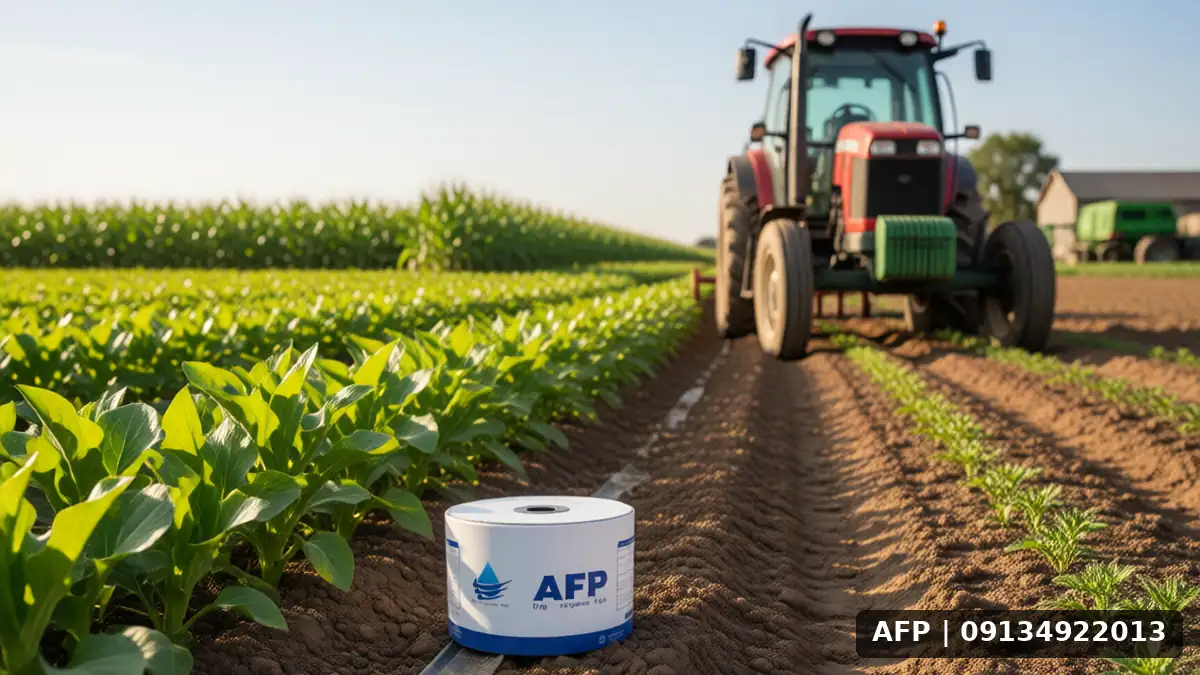
For mustard cultivation, row planting is typically conducted with a row spacing of 45 to 50 centimeters. The potato tape drip system is an example of tape drip application whose principles can be extended to mustard, with the difference being that the suitable type of tape drip for mustard has smaller emitter spacing and lower flow rates to ensure water is distributed directly under the plant canopy. Choosing tape drip with a longer service life and UV resistance is a prerequisite for reducing annual replacement costs.
Agricultural and management prerequisites
System intelligence is not solely a matter of system engineering; it must also align with agricultural operations.
Management of planting density and emitter spacing
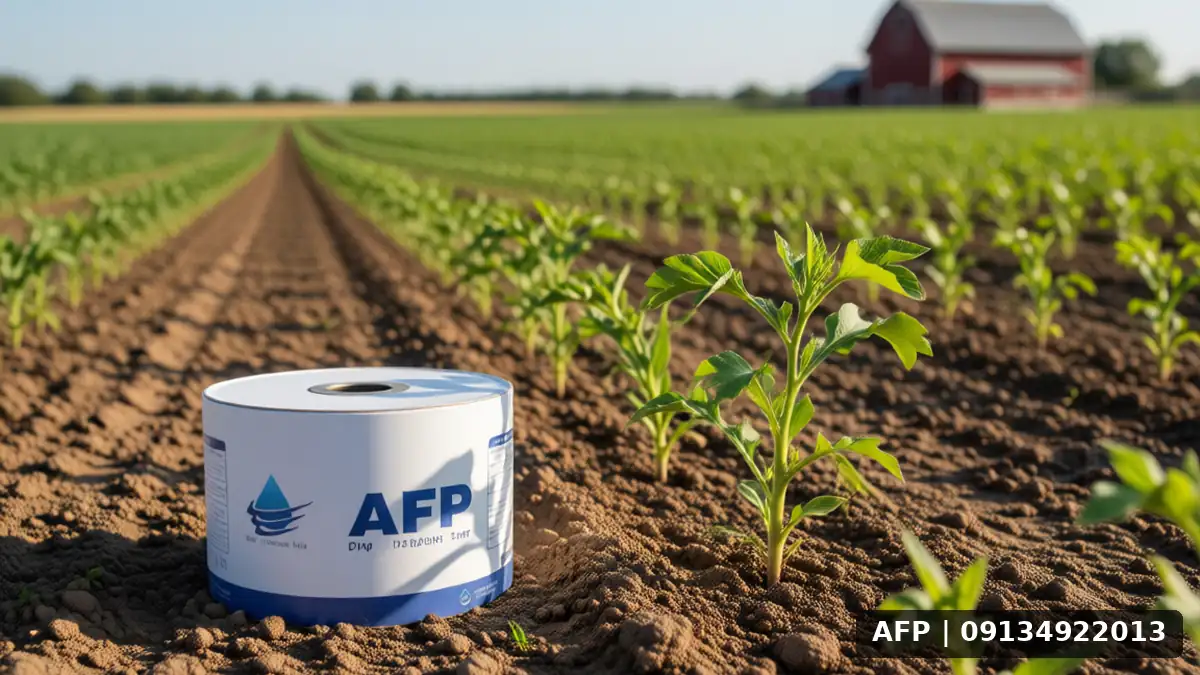
Mung bean planting density must be such that seedlings maintain adequate spacing to ensure the drip line can cover all plants. If density is too high, soil water demand increases and surface temperature rises. Familiarity with mung bean yield per hectare helps define target performance and calibrate the irrigation system according to the genetic potential of the selected seed. An intelligent system should not aim for a yield that the seed or genetics do not support.
h3>Workforce Training
The most important software prerequisite is the farmer’s ability to read data. Cloud-based intelligent systems require digital skills. If your workforce is unfamiliar with interpreting soil moisture charts or low-pressure alerts, investing in complex systems is futile. Starting with simpler systems and gradually implementing intelligent features is a realistic strategy.
Practical Tips for Optimal Setup
- Soil improvement prior to installation: The presence of large gravel or stones at the bottom of mung bean furrows can cause irregular water flow from the drip tape. Ensure the soil is graded and smoothed (Grading) before laying the drip tape to guarantee a level ground surface.
- Using modulation: In smart irrigation for mung beans, use irrigation modulation (adjusting intervals and flow rates). During the first few weeks, use low flow rates and short intervals to promote stronger seedling establishment. The smart system should be capable of automatically adjusting this schedule.
- Monitoring system pressure: The input pressure to the manifold must be monitored automatically. A sudden pressure drop indicates a clogged filter or pipe leak. Installing a digital pressure gauge that transmits data to a mobile phone is a practical and low-cost prerequisite for maintenance.
h2>Frequently Asked Questions (FAQ)
Is a smart irrigation system cost-effective for small mung bean farms?
For small farms (under 2 hectares), water and time savings can reduce operational costs, but the initial cost of self-contained components (sensors and controllers) may lead to a longer payback period. However, if the goal is to increase productivity and grain quality, the economic value will be evident in the long term.
Does drip tape have an advantage over point-drip for fava bean?
For fava bean, drip tape is generally cheaper and simpler, providing uniform root zone coverage. Point-drip is preferred when you have double-row planting or very high plant density and require precise Drip Fertigation. Under most conditions, drip tape with a flow rate of 0.5 to 1 liter per hour is ideal for fava bean.
How do we prevent clogging of drip tape in high-turbidity environments?
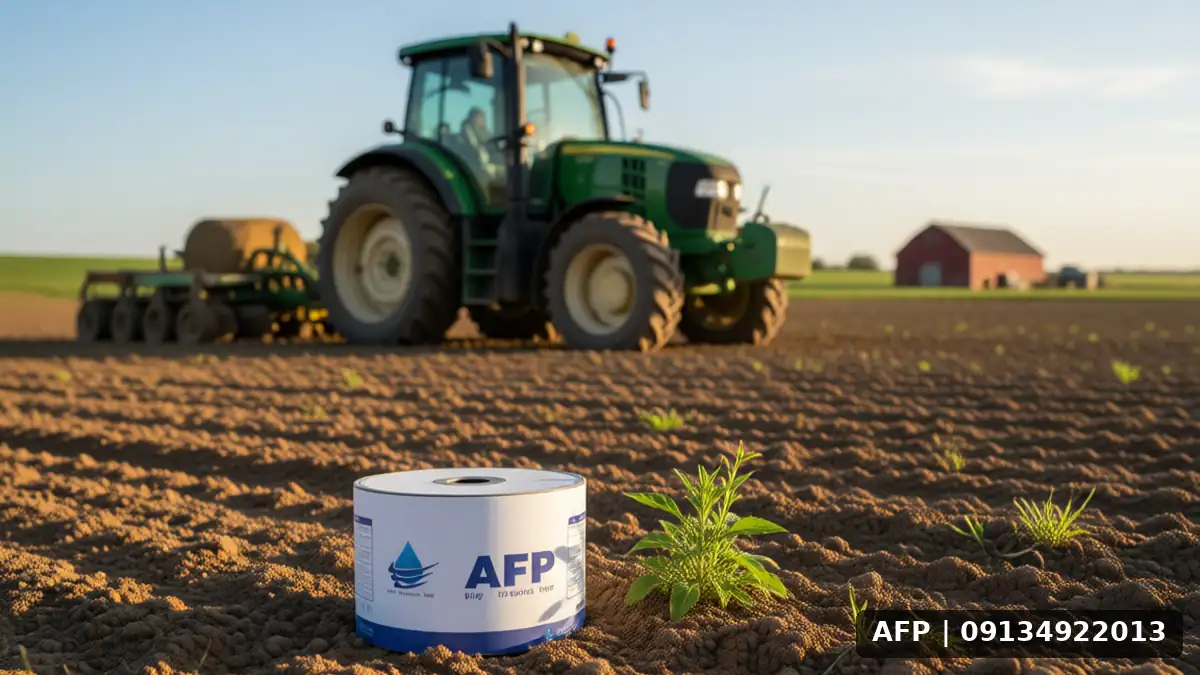
All water entering the system must pass through a combination screen filter (Combination). Additionally, periodic injection of chlorine or hydrogen peroxide into the lines is recommended as a system sanitation prerequisite to prevent the growth of sticky bacteria (Biofilm).
Conclusion and Future Approach
Success in smart irrigation of fava bean cultivation This is the result of integrating agricultural knowledge, water engineering, and resource management. The main prerequisites include: precise water and soil analysis, installation of robust filtration, correct selection of tape or drip type, and human capital capability for data interpretation. By turning to new technologies such as flood irrigation in specific regions or using artificial intelligence to predict evaporation, one can move from marginal savings to ecosystem management. The earlier these prerequisites are operationalized, the more investment risks are reduced and the quality of the mung bean crop sustainably increases. Modern agriculture requires a systems approach; smart irrigation is the heart of this living system.
Related articles: Red clover D8AFD8B1 yield per hectare, Mung bean yield per hectare: A comprehensive guide to increasing yield and efficiency, Drip Irrigation Tapes in Kirkuk: Sustainable Agricultural Solutions