Pests and Diseases in Rye Under Drip Irrigation: A Comprehensive Management Guide
Introduction: The Importance of Irrigation and Plant Health in Rye
Rye (Secale cereale) is one of the most important cold-resistant cereals cultivated in cold and semi-cold regions. With the expansion of modern irrigation technologies, particularly various irrigation systems, farmers in arid regions are seeking methods that both reduce water consumption and positively impact crop health. Drip irrigation and tape-line irrigation, which focus on the root zone, can alter macro- and micro-environmental conditions. These changes can sometimes create conditions favorable for the emergence of specific pests or shifts in the occurrence patterns of fungal and bacterial diseases. Accurate understanding of these interactions is the key to successful agronomic management of rye.
Impact of Drip Irrigation on Soil Physics, Chemistry, and Rye Roots
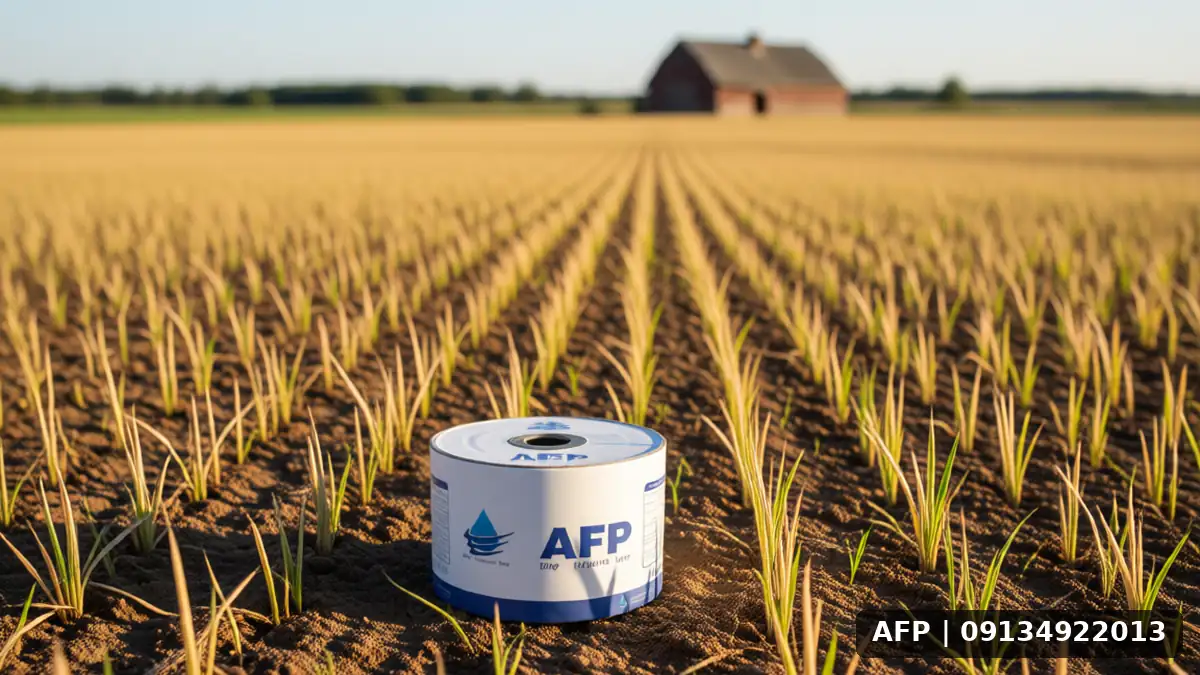
In drip irrigation systems, excess moisture does not accumulate between emitters, and the soil area around the roots remains moist. While this prevents water stress, it can also create a warmer and more humid environment in the soil surface around the roots. Rye, with its deep and stolonous root system, benefits from these specific conditions, but if moisture management is inappropriate, the risk of root diseases increases. [[IMAGE_1]] In tape-line irrigation, uniform water distribution in narrow strips can cause excessive moisture accumulation at the surface, which is attractive to some soil-dwelling pests.
Changes in Moisture Patterns and Their Relationship with Fungi
Continuous surface soil moisture is a major factor in activating spores of pathogenic fungi such as Pyrenophora and Septoria These fungi typically attack leaves under humid conditions. If drip irrigation causes water splash onto the leaves, the risk of secondary infection increases. Therefore, designing the system so that water reaches only the soil is a key principle in preventing fungal diseases.
Common rye pests under localized irrigation conditions
Soil and high-humidity environment pests assume particular importance in localized irrigation systems. We address the most significant pests below:
- Root and soil-dwelling aphids: Increased relative humidity around the root zone can relatively increase the population of soil-dwelling aphids. These pests disrupt water and nutrient uptake by piercing the roots, causing general plant weakness.
- Locusts and grasshoppers: Although drip irrigation generally keeps the soil surface drier than rain or spray irrigation, the moist zones of the drip lines can provide suitable shelter for locust nymphs. Managing farm boundary zones is essential.
- Agricultural Birds and Pheasants: This issue is more relevant to the flowering stage, but the health of plants weakened by water deficit or fungal stress attracts pheasants toward the seeds.
Fungal and Bacterial Diseases: Key Challenges
Diseases in rye under drip irrigation follow a different pattern compared to rainfed conditions. The most important diseases include:
- Rye Rusts: Yellow rust and brown rust become active under moist and cool conditions. In drip irrigation systems, if the relative humidity around the buds increases, the outbreak of rusts is exacerbated.
- Fusarium Root and Stem Rot: Fungus Fusarium This pathogen thrives in high soil temperatures and humidity levels. It causes root and stem rot, leading to yellowing and plant desiccation.
- Brown Rot of Eggplant: This disease has both bacterial and fungal components. It spreads via root lesions and is prevalent in the wet zones of drip tape.
Practical Management Strategies for Pests and Diseases in Drip Systems
Effective management requires a combination of preventive and curative measures:
Managing Wet and Dry Zones in Drip Tape
Soil sampling is essential to monitor moisture patterns. It is recommended to avoid using contaminated drainage water in drip systems, as it may carry drainage-borne pathogens. Flushing irrigation filters is necessary to prevent clogging and mitigate bacterial growth within the pipes.
Biological Control and Natural Regulation
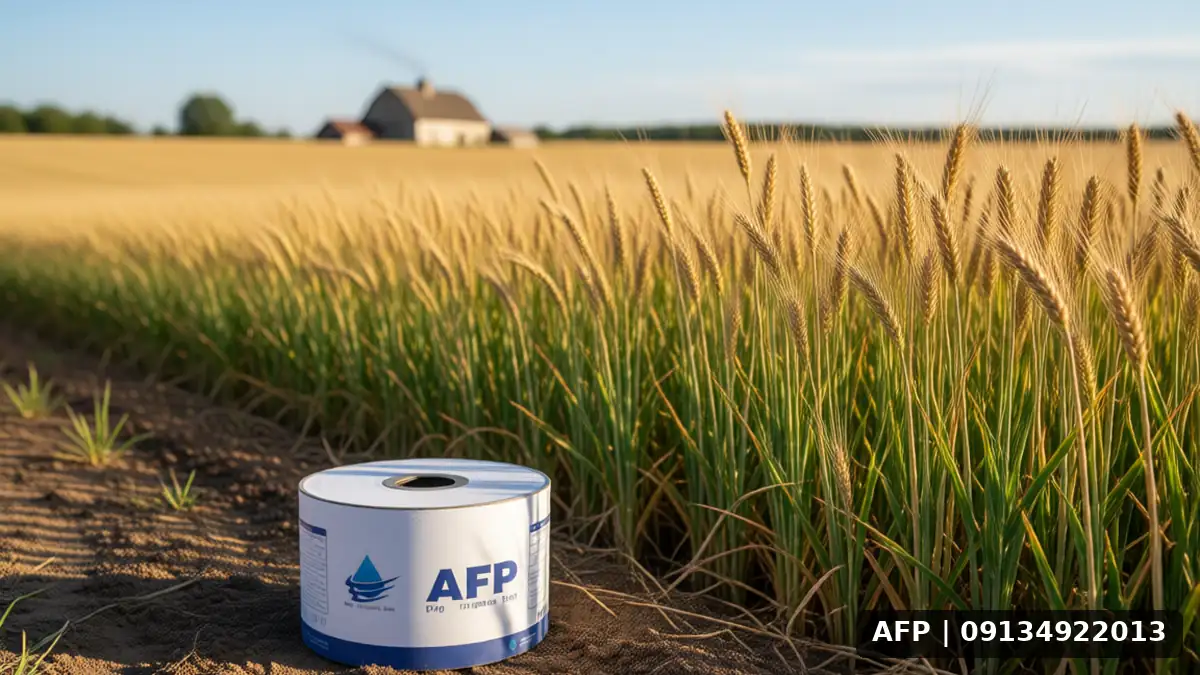
In drip systems, water is not sprayed directly onto the leaves, therefore beneficial fungicidal solutions such as Trichoderma harzianum can be used, which are injected into the roots through irrigation water. This method increases competition with pathogens in the root zone and cleans the environment without creating surface moisture. [[IMAGE_2]] Still, maintaining biodiversity by creating grassy strips with native plants can attract beneficial insects and help control pests such as aphids.
Precise chemical planning
If chemical necessity exists, the use of systemic forms absorbed through the roots (such as some fungicides in the triazole group) is more effective than localized surface sprays. The dosage must be determined based on the economic threshold and precise monitoring to prevent the killing of beneficial soil bacteria and fungi. In this regard, the study of guaranteed amount of Indian pre-sprout can also optimize dosage engineering in other products.
Monitoring and early diagnosis: Field guide
Regular monitoring in localized irrigation systems is critical, as damage in wet zones often goes undetected.
- Visual inspection of roots and stems: Before each irrigation cycle, collect root samples at a 50-centimeter distance from the emitters to identify symptoms of Thoma disease early.
- Pest monitoring: Use of yellow traps in wet zones of drip lines to capture infested bees and other clay-bound insects.
- Monitoring filtration: Check the clarity of water exiting the filters to detect algal and bacterial growth within the system.
FAQ: Frequently Asked Questions about Barley Pests and Diseases
- Does drip irrigation increase fungal diseases in rye? No, if the system is properly managed, reduced leaf wetness prevents shoot diseases. However, soil moisture can exacerbate root diseases, which can be controlled using bio-fungicides.
- What is the best time to detect soil-borne pests in rye? Early growth stages (emergence) are suitable. At this time, the plant is more sensitive to nutrient deficiencies, and root damage manifests more quickly.
- Can systemic insecticides be used through the drip system? Yes, some insecticides are suitable for soil injection. This method is very effective for controlling soil-dwelling aphids.
Conclusion and final recommendations
Managing pests and diseases in rye under drip irrigation requires an integrated and smart approach. Subtle changes in soil moisture can disrupt or maintain the farm’s ecological balance. Farmers should focus on root monitoring, the use of systemic biologicals, and proper filter maintenance. By applying principles of drip irrigation strip management, water consumption can be managed and plant health preserved. The future of sustainable agriculture depends on precise thinking regarding the interactions between irrigation and pathology.
To expand knowledge on other crops, study onion diseases per hectare in Iraq can provide a useful comparative perspective for understanding root diseases of cereals.
[[IMAGE_3]]
Related content: agricultural collapsible hose guide, Related article Related article Related article Related article D8AFD8B1 Related article