Comprehensive Guide to Sowing Millet with Drip and Tape Irrigation
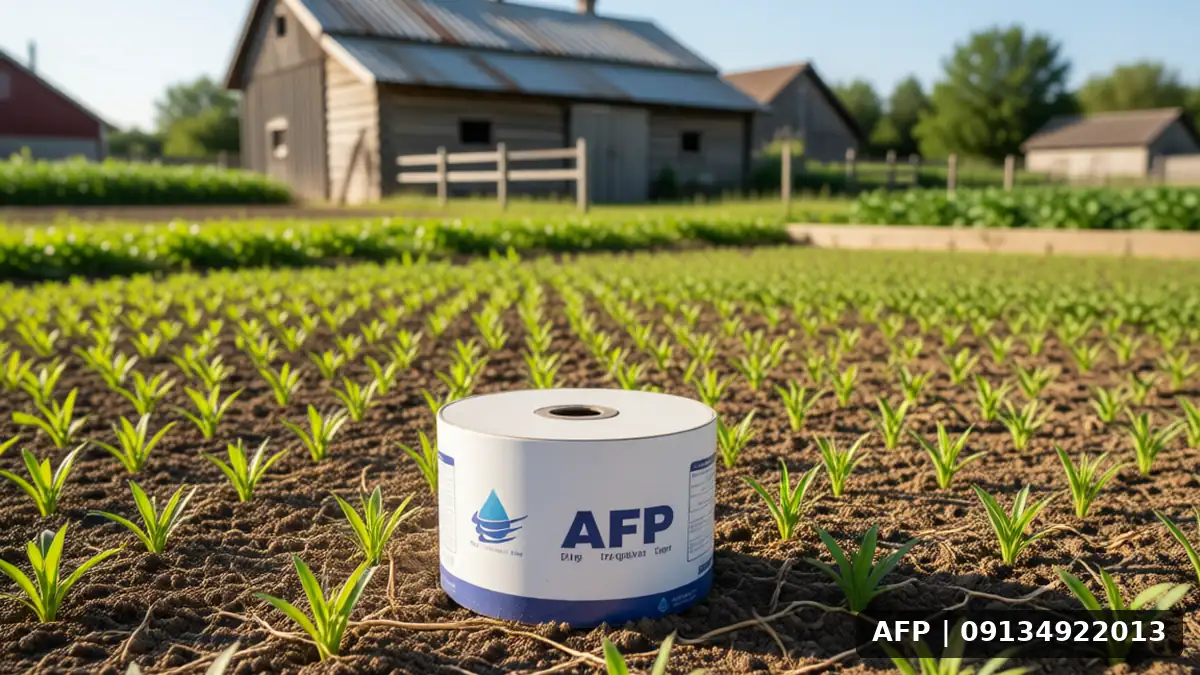
Introduction: The Untapped Potential of Buckwheat in Modern Irrigation
Buckwheat (Millet) is an attractive option for Iranian farmers seeking crop rotation diversity, owing to its short growing cycle, high tolerance to soil stress, and suitability for semi-arid conditions. However, the primary challenge has always been achieving sustainable yield while reducing waste caused by improper irrigation. Drip irrigation of buckwheat and the use of micro-sprinkler irrigation is a transformative strategy for precise resource management. In this article, we examine the technical pathways for planting, irrigation scheduling, optimal seed density, and step-by-step crop management of buckwheat under controlled moisture conditions, enabling farmers to make better decisions based on practical data.
Scientific Foundations for Planting Buckwheat Adjacent to T-Stripes
Background and ideal soil conditions
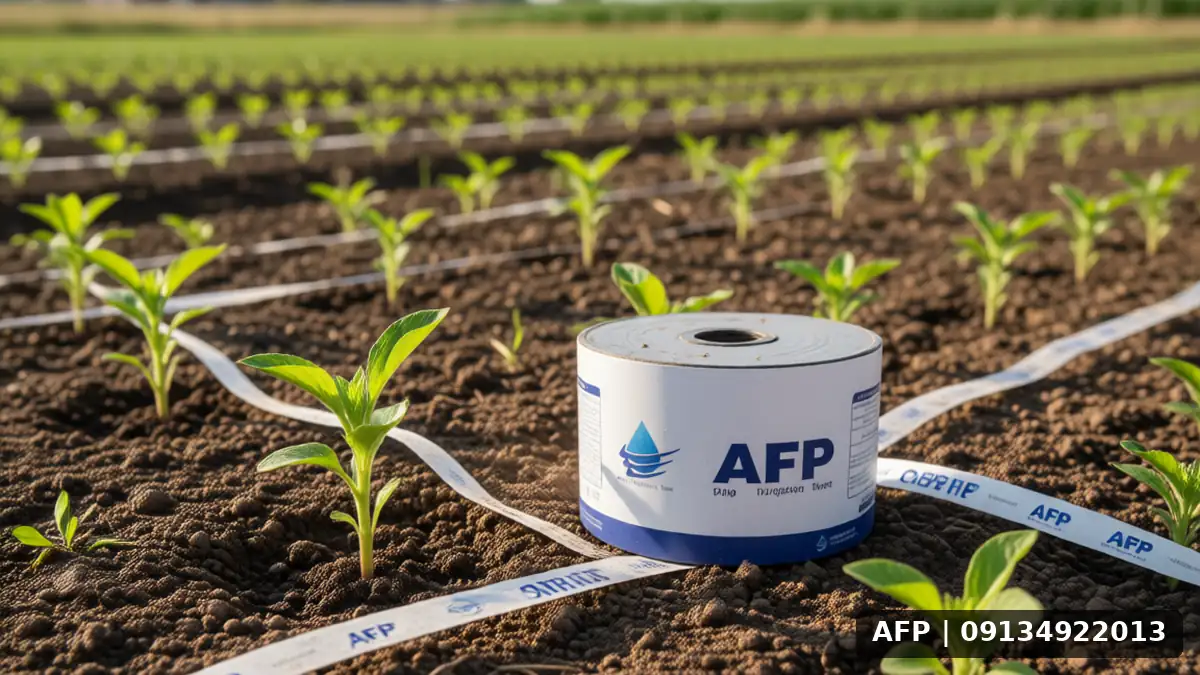
Barnyard millet (arzen) is classified as a warm-season cereal (Millet) and is a short-duration crop in terms of seeding and plant cycle. This crop is sensitive to optimal planting temperature (approximately 15 to 25 degrees Celsius) during the growth stage. In water-scarce regions, using tape irrigation instead of conventional sprinkler methods keeps root zone temperature stable and reduces the risk of root fungal diseases. Green Irrigation Tape Tape and tip in barnyard millet (arzen) cultivation ensure uniform moisture distribution in the shallow root system of this plant.
Determination of appropriate seed density on the surface
One of the keys to success in drip irrigation of barnyard millet (arzen)is the control of planting density (Planting density). Excessive density causes competition for resources and reduces grain weight, while low density lowers the yield of the total area. For cultivation with tape irrigation, the spacing of irrigation lines must be coordinated with the planting row spacing to ensure that moisture application effectively covers all plants. You can find a precise guide for calculating density in Guide to Millet Seed Rate per Hectare Review this to determine the appropriate seed quantity based on climate and type.
Irrigation Scheduling and Stage-by-Stage Growth Table
Managing millet irrigation across three critical stages requires precise planning. Millet roots are shallow and fibrous; under dry conditions, the plant enters the water stress (Water Stress) phase faster than other cereals. Therefore, consistency in Drip Irrigation for Millet from sowing to physiological maturity is vital.
The best method for calculating the precise amount of water required for each plot is to examine the ratio of available water sprinklers to the mung bean consumption area to avoid nutrient leaching or waterlogging.
Practical guide for sowing and soil moisture management
Soil preparation and sowing simultaneously with drip lines
Before sowing sorghum, evaluate the plot soil for pH and EC (electrical conductivity). Sorghum grows better at moderate temperatures (approximately 15 to 25 degrees). Sorghum sowing should occur exactly on the drip lines, such that the distance between the seed and the drip tube is about 10 to 15 centimeters. This distance allows the plant to draw moisture through the drip line’s fine capillaries. Instead of using a sprinkler system, date palm irrigation is used as a sample of micro-irrigation, which is very similar and adaptable to arid conditions.
Stress and disease management methods
Fungal infestations and root diseases in sorghum mostly occur under saturated soil conditions. By using drip irrigation, you can maintain soil moisture only in the root zone and keep the soil surface dry. This practice is effective in reducing disease and increasing grain quality.
Practical test: Using a soil thermometer
Using a moisture sensor or even a simple soil thermometer in the sorghum root zone helps you determine if the roots have reached critical dryness. Pair this process with checking yield per square meter to determine plot productivity.
Analysis of sorghum yield and quality with drip irrigation
One of the primary reasons farmers adopt drip irrigation for millet is to increase grain weight and reduce operational costs. Millet yields significantly if it does not face water stress during the sensitive grain-filling stage. To gain comprehensive understanding, use the table. Millet seed quantity per hectare (in English: millet seed quantity per hectare) can prevent overlooking variable cultivars. Early-maturing millet cultivars with higher planting density achieve good yields in hot and dry regions, but excessive density causes plants to compete for light and moisture. Balancing these two factors is key to a sustainable harvest.
Assessing millet adaptability to Iranian climates
The northeast and east climates of Iran are ideal regions for millet cultivation. This crop is highly resistant to low-rainfall climates. With proper tip line management, millet with complete grain quality can be harvested even in semi-arid regions. Additionally, in Guide to crop yield per square meter It should be noted that millet is a cereal that responds positively to micro-irrigation during the critical stage.
Frequently Asked Questions (FAQ)
1. Is barley suitable for drip irrigation?
Yes, barley is highly suitable for drip irrigation due to its shallow root system and short growth cycle. Roots quickly reach the drip zone, enabling efficient water use.
2. When is the best time to plant barley with drip irrigation?
The optimal planting time is after spring cold temperatures have passed (when soil temperature reaches 15°C). Barley is sensitive to low temperatures; planting in cold soil can cause excess moisture to promote disease rather than support plant growth.
3. What is the appropriate drip line spacing for barley cultivation?
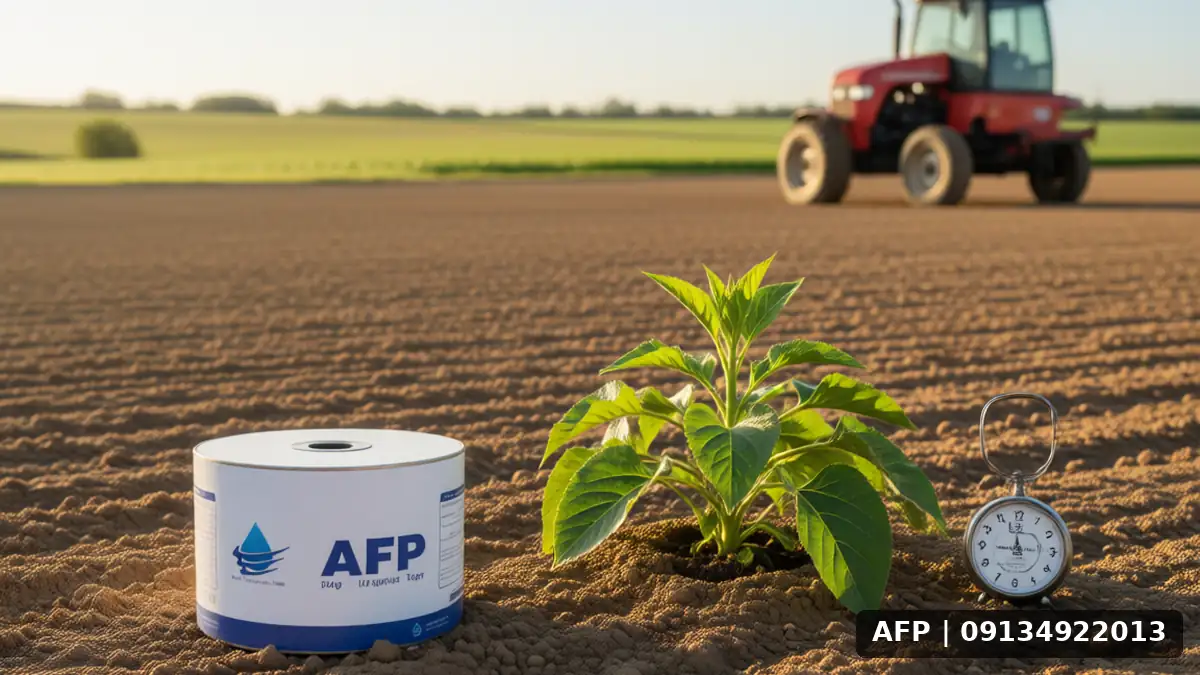
For barley, the spacing between drip lines should align with the planting row spacing (typically 60 to 80 cm) to ensure complete moisture coverage in the root zone.
4. How can I evaluate millet seed diversity in terms of yield?
By using yield coefficients per hectare, you can select higher-quality seed. Black millet varieties sometimes have different yield coefficients compared to yellow millet.
Summary and final recommendation
Millet cultivation, particularly in drip and tape irrigation systems, is an investment in water security and economic efficiency. By adhering to the irrigation schedule, determining the appropriate planting density, and managing soil stress, you can maximize millet quality and yield per square meter. In addition to these efforts, attention to yield comparison with other tropical cereals and evaluating the quantity of sprouted seed and planting helps the farmer consider the optimal economic path. As a multi-season sustainable crop, millet has a bright future in Iran’s crop rotation, provided it is paired with modern irrigation.