Comprehensive Guide to Onion Cultivation Using Drip and Tape Irrigation
Introduction: The Importance of Irrigation Optimization in Onion Cultivation
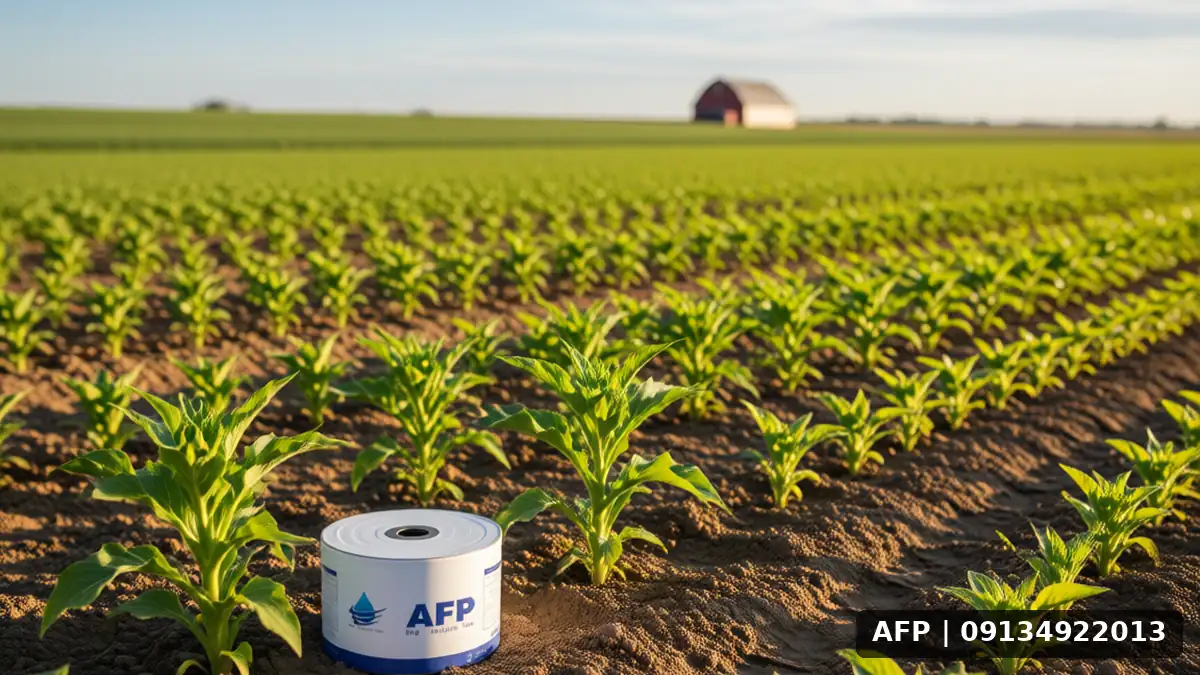
Onion is a high-value and high-volume crop in domestic and export markets that exhibits high sensitivity to irrigation quantity and timing. Using conventional irrigation methods can lead to water wastage, uneven root growth, and an increased incidence of fungal diseases. In contrast, Drip Irrigation for Onions provides precise control over soil moisture, promoting uniform plant growth. This section of the article examines the fundamental principles of planting onions using modern irrigation technologies, specifically Drip Tape systems and hanging emitters. The primary objective of this guide is to provide practical strategies for maximizing water use efficiency and minimizing environmental stress on plants. Although onion roots are relatively shallow, the crop requires uniform moisture distribution to ensure the development of large, healthy bulbs.
The use of drip tape in onion cultivation is a strategic choice due to the high planting density and the requirement for uniform water coverage. These systems incur lower operational costs and are easy to install on flat terrain. Furthermore, accurately aligning irrigation lines with planting rows is key to reducing soil erosion and crop yield losses. The following section details the execution of this process, enabling farmers to set up their systems with greater confidence.
In-Depth Analysis of Onion Planting and Drip Irrigation Methods
Land Preparation and Irrigation System Selection
First, the land must be thoroughly plowed and leveled to ensure uniform water flow along the irrigation lines. For onions, which have shallow root systems, the placement of the drip tape at a depth of 3 to 5 cm below the soil surface or on the surface is critical, depending on the type of mulch used. When selecting equipment, understanding Types of Drip Tape for Drip Irrigation It is essential. Single-orifice tapes are generally recommended for onions because they have lower costs compared to double-orifice tapes and are sufficient for this crop, which has moderate water requirements. In addition, selecting the appropriate main pipe diameter and filters affects system stability. Suitable filters should be chosen based on the size of suspended particles in the water source to prevent clogging of emitters. Furthermore, using appropriate vents to protect the system against backflow is essential.
Adjusting Planting Distances and Tape Layout
In onion cultivation, farms typically use multi-row systems. The correct layout of tapes directly affects installation costs. A common arrangement uses one tape for two planting rows, where onions are planted at a specific distance from the tape. To optimize the system, reviewing a comprehensive guide on growing cucumbers with drip irrigation can provide a similar model for managing plant density and precise irrigation, as they share similar hydraulic principles. Therefore, understanding water flow behavior under different plant density conditions is a critical skill for horticultural engineers. Also, maintaining an appropriate row spacing is important for machinery access during harvest and maintenance stages. Onion planting density typically ranges between 200,000 and 300,000 plants per hectar, depending on the variety and production goal.
Adjusting the Onion Irrigation Schedule (Irrigation Schedule)
Managing onion irrigation timing is the most important aspect for preventing bulb splitting and increasing weight. This schedule is divided into two key stages:
- Growth Stage (0 to 45 days): Light and regular irrigation to stimulate root development. The irrigation volume should be low to prevent waterlogging of the soil. At this stage, the primary objective is to establish a strong root network. Higher frequency with lower volume is the key to success at this stage.
- Bulb formation period (45 to 70 days): Increase irrigation volume and water/nutrient solution fertilization (Fertigation). This period represents peak water demand. Reducing irrigation at this stage will directly reduce yield and product quality. During this period, delivering higher amounts of water along with nutrients will significantly increase bulb volume.
For accurate volume calculation, knowledge of White Lupin seed quantity per hectare can serve as a comparative reference for planting density and overall field water requirements, although onion varieties differ. A general rule for onion drip tape is to shorten the interval between irrigations during the final weeks to allow the plants to absorb moisture quickly. Additionally, daily monitoring of soil temperature and water stress indicators can significantly increase the accuracy of this schedule. The use of soil moisture sensors is recommended to prevent over-irrigation or water deficit.
Practical tips for better performance
Always pay attention to seed quality. Using multi-culm seeds (Puto) accelerates the time to final harvest. The spacing between plants must be aligned with the water flow direction to ensure uniformity in harvest collection. When installing drip tape, always use appropriate screen filters and prevent holes from being blocked by organic material. If using overhead drip systems, adjust the system working pressure based on the Uniformity Coefficient. The uniformity of water distribution directly affects the size uniformity of bulbs at harvest, which is important for commercial grading.
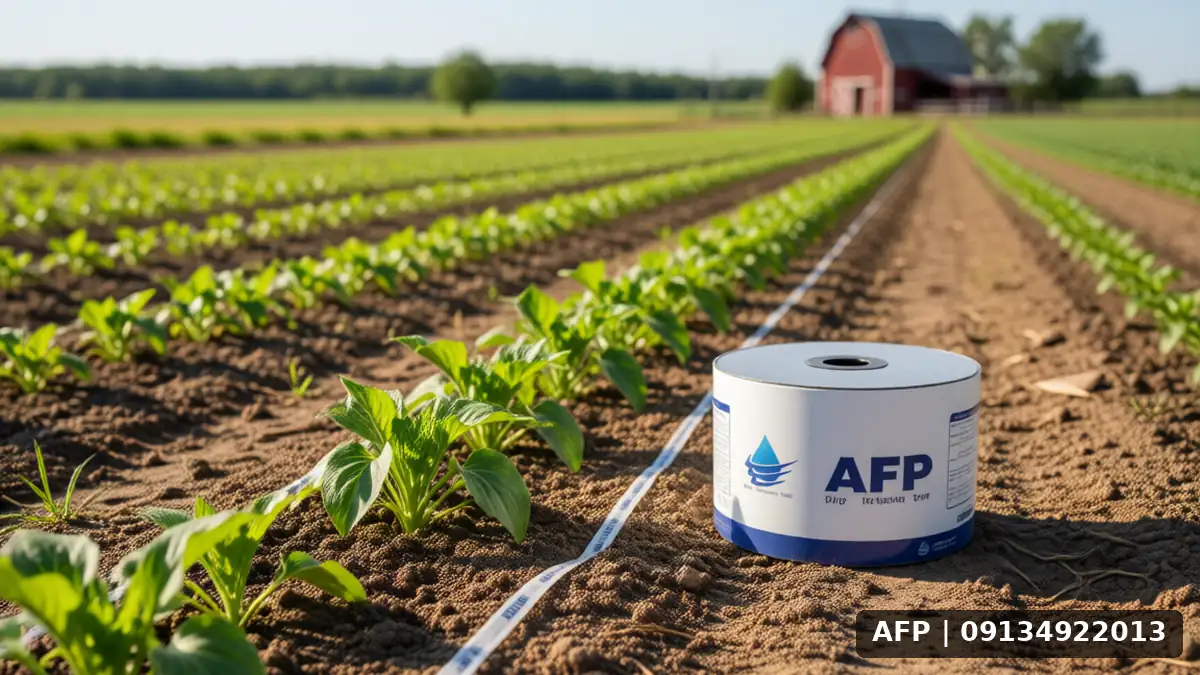
One of the common challenges is salt accumulation at the edge of the drip line. To compensate for this issue, it is sometimes necessary to monitor the salt content of the water and use the line flushing system. In addition, Key points when using drip lines for irrigation Always adhere to best practices to extend the useful life of your equipment. Furthermore, using plastic mulch alongside the drip lines can reduce evaporation and maintain soil moisture for a longer period. This method simultaneously reduces weeds and provides a better environment for root growth. Mulching also helps control soil temperature, which is beneficial for onions that are sensitive to excessive heat.
Nutrient Management and Fertilization (Fertigation)
Onion drip irrigation is not limited to watering; it is an excellent platform for nutrient management. Splitting fertilizer applications based on growth stages increases mineral uptake. At the early stage of planting, ammonium nitrogen and phosphorus are essential. During rapid growth, nitrate nitrogen, chloride, and potassium are required. In the final stage, reducing chloride and increasing calcium and boron leads to improved storage quality. Additionally, monitoring the pH of the nutrient solution is critical to prevent insoluble precipitates in the emitters.
Frequently Asked Questions (FAQ)
Is a drip line better than a hanging drip emitter for onions?
For large, flat farms, the tape is more cost-effective. However, in uneven terrain or areas with high rainfall, the suspended drip offers greater flexibility. The choice depends on soil conditions and budget. Additionally, the level of soil erosion with both methods must be considered. The initial setup cost for suspended drip is higher, but its useful life is longer.
When should the irrigation schedule be stopped?
Irrigation is typically stopped 7 to 10 days before harvest to allow the plants to dry and the bulbs to be preserved better. This depends on the local weather conditions; in hot and dry regions, this period may be shorter. Stopping irrigation on time increases the resistance of the onion skin against moisture and improves storage. If irrigation continues, the risk of bulb mold and suffocation increases.
Can the tape be used for two consecutive years?
No, the tape is generally a consumable item designed for a single season. A new tape must be installed for the second season. However, with precise care and high-quality material, use in a second season is sometimes possible, though not recommended. Ultraviolet (UV) degradation and mechanical stress reduce the tape’s lifespan during long-term storage.
Conclusion
The correct implementation of drip and tape irrigation systems in onion cultivation is key to improving water use efficiency and reducing production costs. By following planting principles, adhering to irrigation calendars, and using high-quality equipment, growers can achieve crops with high commercial quality. It is recommended that farmers design a precise irrigation map and evaluate various scenarios for each section of the farm before starting the planting season. Success in onion cultivation requires coordination between soil management, nutrition, and irrigation; as observed in the recorded tape spacing per hectar, small details have significant effects on the final yield. For more information on other crops, refer to the articles related to asparagus performance per hectare, melon seed rate per hectare and seed rate of rain-fed chickpeas per hectare .