Managing Saffron Pests and Diseases Using Drip Irrigation
Introduction to challenges with pest and disease management in sage
Sage (Salvia officinalis), due to its aromatic and flavorful qualities and high nutritional value, is highly popular among both agricultural and domestic communities. However, its cultivation is subject to numerous challenges, the most significant of which is Pest and disease infestation in sage . Many farmers believe that effective pest management requires frequent pesticide applications; however, field data indicates that a significant portion of these issues stems from improper irrigation methods, particularly the widespread use of traditional furrow irrigation. In this innovative approach, Furrow irrigation often creates sustained moisture conditions at the plant base and on foliage, which significantly increases the spread of soil-borne fungi and mildew. Therefore, shifting the paradigm from general irrigation to localized, precise irrigation is the first step toward more effective biological and chemical control.
Direct impact of drip irrigation on reducing disease incidence
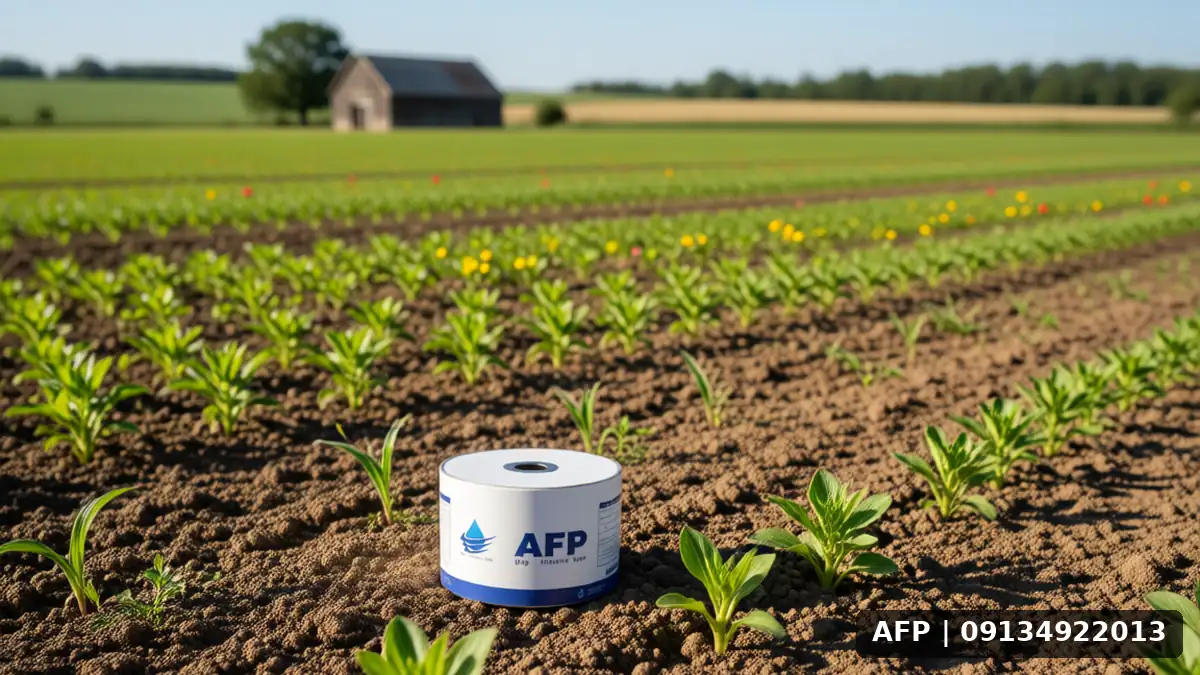
One of the fundamental differences in agricultural management lies in how moisture is distributed. In drip irrigation systems, water is delivered drop by drop directly to the root zone (Root Zone). This process is crucial for combating Pest and disease infestation in sage through drip irrigation for two major reasons. First, it decreases the relative humidity on leaf surfaces and in the soil. Many fungal pathogens affecting sage, such as Alternaria and Botrytis, require high surface moisture to germinate and penetrate plant tissue. By maintaining the soil and leaf surfaces relatively dry, the incubation period for disease onset is reduced. Second, it boosts the plant’s natural resistance. Plants that experience lower water-related stress have their energy directed toward vegetative growth and cellular structural integrity rather than just producing biomass to compensate for stress or fight off secondary infections. In this context, an understanding of the pathogen life cycle and its relationship with soil temperature is essential. By studying drip irrigation conditions and adjustment settings in greenhouses, you can achieve much more precise control over the microenvironment.
[{{[IMAGE_1]}}]
Insect pest management with drip irrigation
Many of the insect pests that affect sage, such as aphids, thrips, and whiteflies, are highly sensitive to high plant moisture levels or experience higher survival rates in humid environments. Drip irrigation, because it reduces humidity in the inter-row spaces, makes the habitat more unfavorable for many of these pests. Furthermore, this system also allows for the use of Fertigation and Pestigation techniques. This means that you can deliver specific fungicide or insecticide solutions directly to the root zone or as foliar sprays at precise times, avoiding any interference or the introduction of excess surface moisture. To optimize this process, choosing the right dripper and flow rate is essential. We recommend adjusting your drip irrigation schedule to align with local climatic conditions. Optimal settings will not only reduce water consumption but also ensure the plant maintains its health and biological resilience.
Practical tips for sage growers
To fully utilize the benefits of this method in the fight against Pest and disease infestation in sageAdhering to the following guidelines is recommended:
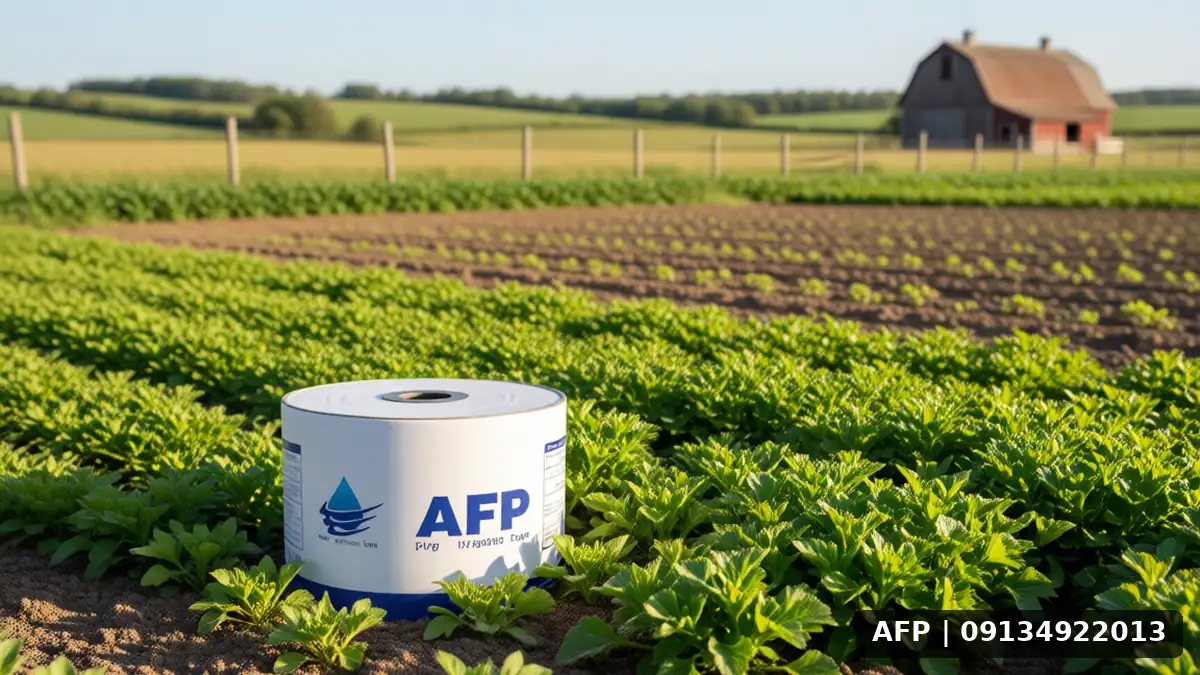
- Avoid irrigating the soil surface: Definitely use linear or point emitters that deliver water at a depth of 10 to 15 cm so that moisture does not return to the soil surface.
- Irrigation Timing: Irrigation is best scheduled for the late evening or early night to allow leaf drying during the night and reduce pest activity.
- Soil and Moisture Management: Monitor soil moisture regularly in the root zone. If moisture is excessive, even in a drip system, the irrigation interval must be increased to ensure the soil has enough air for root respiration and resistance to bacterial diseases.
- Use of non-tillable mulch: Alongside the drip line, using plant mulch (such as hemp or dry wheat chaff) to control weeds and reduce water evaporation can act as a physical barrier against soil-borne pests.
In addition to these, crop diversity and rotation play a key role. Chayote should not be planted near plants infected with similar fungal pathogens. Also, selecting high-quality, disease-free seeds from the sowing stage minimizes the risk of systemic diseases. In this regard, studying reliable sources on planting density for other crops can provide a broader perspective on crop management; for example, Fava bean seed quantity per hectare + factors affecting yield indicates the importance of balanced density and spacing for proper ventilation.
[{{[IMAGE_2]}}]
Preventing Clogging and Maintaining Irrigation System Health
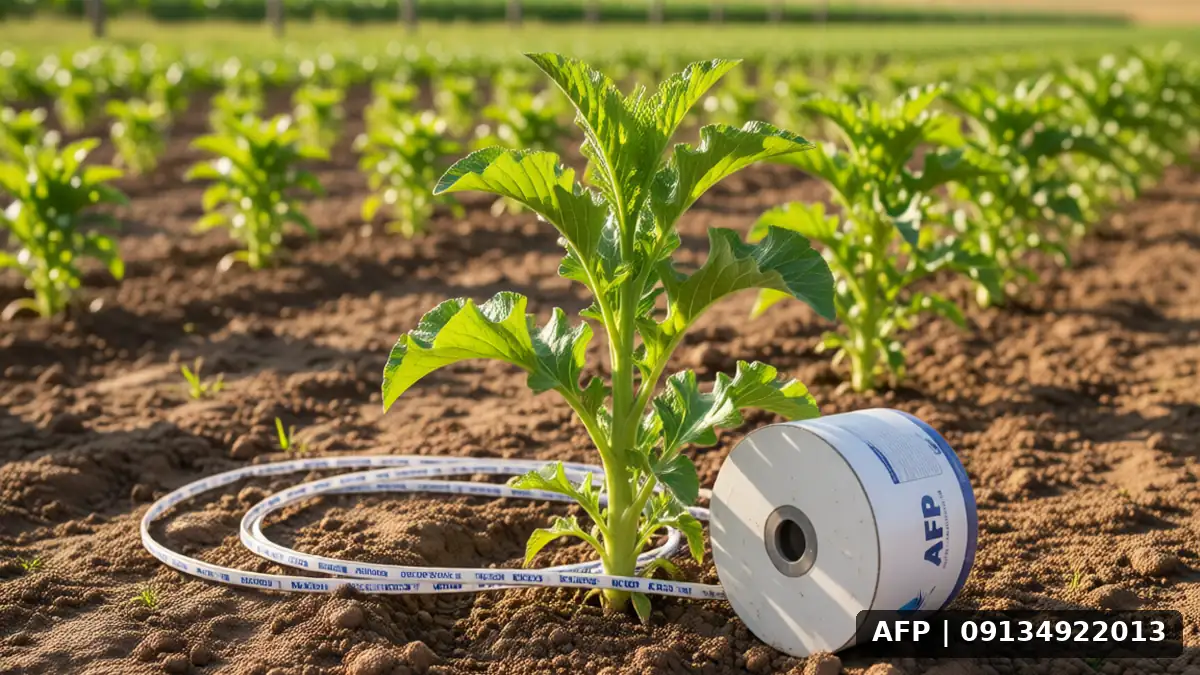
One of the common problems in using drip systems is the clogging of the drip line due to sediments or biological growth inside the pipes. This is directly related to plant health. If filters are not properly maintained, pathogens present in the water can directly enter the chayote roots and exacerbate black root or decay diseases. Therefore, periodic reconstruction and replacement of filters, and washing with chlorine or citric acid, are part of the sanitation protocol. Additionally, proper maintenance of equipment increases the system’s useful life and reduces hidden production costs. Within this framework, familiarizing yourself with drip line maintenance and costs is necessary to prevent operational system failures. A healthy drip line ensures uniform water distribution and prevents chronic root stress; stress that increases plant susceptibility to pests.
Answers to Frequently Asked Questions (FAQ)
Can drip irrigation replace all chemical spraying?
No, drip irrigation is a management tool, not a cure. This system reduces diseases, but if plants are already infected, targeted chemical spraying may be required. Combining drip irrigation with foliar application is the best strategy.
At which stage of basil growth is pest management via drip irrigation more effective?
From the seedling transplanting stage until the end of the fruiting period. In early stages, weak root establishment makes plants susceptible to root diseases. Precise irrigation from day one strengthens healthy root systems, creating a stronger defense against pests.
Is the initial cost of installing drip irrigation cost-effective for basil cultivation?
Yes, given the reduction in water consumption, decreased losses from disease, and increased yield due to plant health, the initial investment in drip systems is usually recovered within 1 to 2 seasons. Additionally, higher efficiency in high-density plantings doubles profitability. For yield comparison, you can vegetable yield guide per hectare to understand the true potential of basil under ideal conditions.
[{{[IMAGE_3]}}]
Conclusion
Management Basil Pests and Diseases is a multi-faceted process in which the choice of irrigation method plays a central role. Drip irrigation reduces surface humidity, improves root mass, and enables targeted fertilization, forming the main pillars of sustainable and healthy production. Considering basil’s sensitivity to climatic and biological factors, the transition from traditional methods to drip irrigation is not just an economic choice but a sanitary necessity to maintain crop quality. It is recommended that cultivation alongside other crops such as oilseeds also be evaluated carefully; for example, Triticale seed amount per hectare + planting density table indicates how to plan space in the farm to prevent resource competition and pest spread between crops. Ultimately, regular monitoring, humidity checks, and system maintenance are the keys to success in this process.