Melon Pests and Diseases in Drip Irrigation Systems: A Comprehensive and Practical Guide
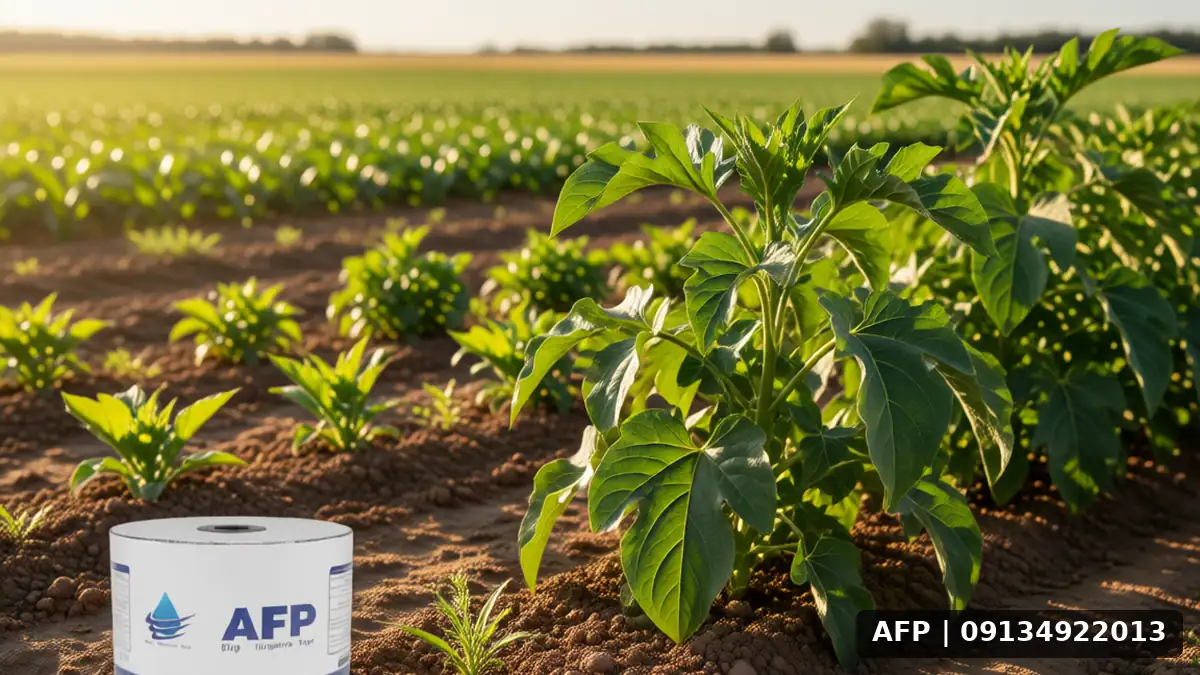
Cucumber is a high-value and in-demand horticultural crop that requires precise and specialized care to achieve optimal growth and yield. One of the primary and persistent challenges in cucumber cultivation is the widespread outbreak of agricultural pests and diseases, which can lead to significant yield reduction, severe quality decline in the fruit, and substantial economic losses for the farmer. In this context, the use of modern drip and trickle band irrigation systems is considered a smart solution that not only plays a significant role in managing and preventing these issues but also adheres to sustainable farming standards. These advanced systems, by delivering water directly to the plant root zone and precisely controlling moisture, create conditions unfavorable for the growth and reproduction of harmful fungi and pests. Additionally, substantial water conservation and reduced surface evaporation are other notable benefits of this method, which directly impact the reduction of plant physiological stress and strengthen the immune system against pathogenic agents.
Key Cucumber Pests and the Role of Drip Irrigation in Their Control
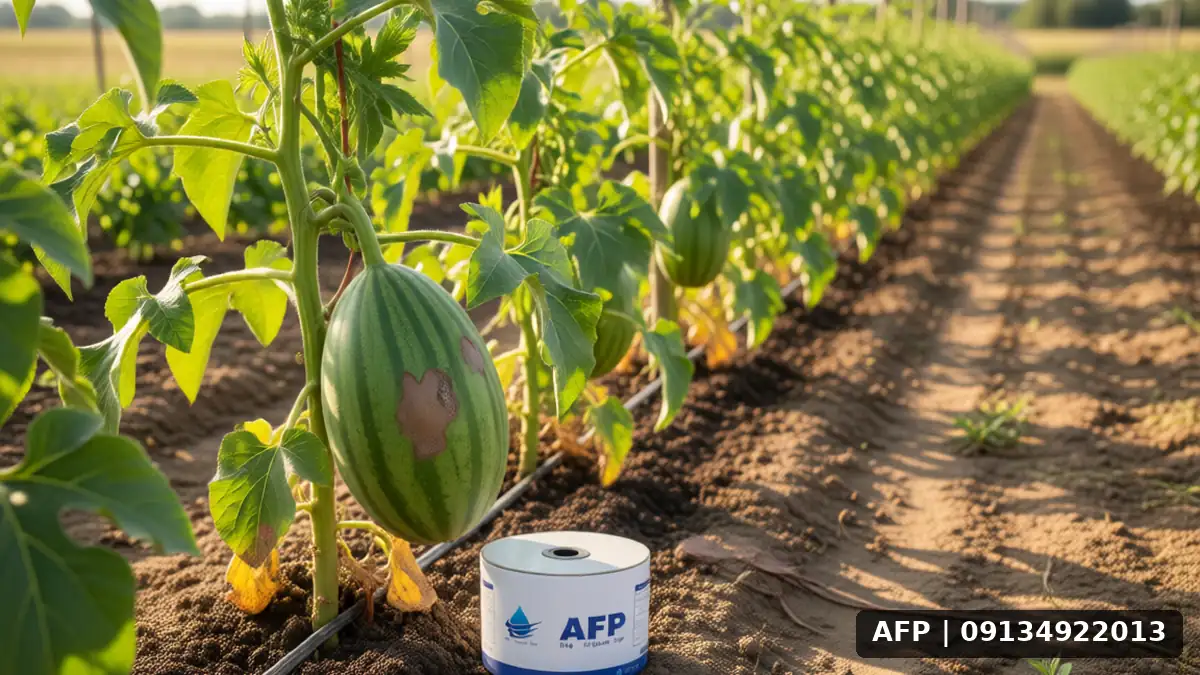
In melon orchards, a wide range of pests can cause serious damage to plant health. These pests include red spider mites, black root flies, green and yellow aphids, and some chewing pollinators, each of which has a different damage mechanism. Red spider mites are particularly active under conditions of severe drought and low relative humidity. By sucking chlorophyll from leaves, they cause yellowing and leaf drop, and reduce the plant’s vigor. On the other hand, black root flies are more active in waterlogged conditions and high soil moisture. By destroying the roots, they disrupt the uptake of water and nutrients. A drip irrigation system helps suppress pest populations directly by maintaining soil moisture equilibrium and preventing drastic fluctuations between dry and wet soil conditions. By reducing direct water contact with leaf surfaces, the environment for fungal spore adhesion and the attraction of certain winged pests is reduced, disrupting their life cycles.
The role of drip irrigation in reducing contamination and prevention
- Reducing soil surface moisture and preventing the formation of a suitable substrate for the growth of spores of soil-borne fungi and molds
- Careful assessment of water requirements based on plant stage and preventing root waterlogging, which is a primary cause of rot
- Application of nutrient solutions and certain disinfectants directly to the roots (fertilization) and reducing the need for costly and surface-based spraying
- Reducing direct water contact with leaves and preventing the transmission of fungal diseases through water impact and splash
To optimize the performance of a drip irrigation system and ensure uniform water distribution around the root zone, you can use various types of drip tapes with different orifice sizes. Choosing the appropriate tape depends on the planting spacing and root depth of melons. It delivers water evenly to the plant roots, preventing water accumulation at a specific point that could cause waterlogging and disease.
Melon Diseases and Their Management Under Drip Irrigation
Melon diseases encompass a wide range of fungal, viral, and bacterial issues, some of which are soil-borne and others are spread by pests or the air. One of the most common and destructive diseases is root and stem (crown) rot, caused by excessive water accumulation, poor root aeration, and the activity of phytopathogenic fungi. In a drip irrigation system, this risk is significantly and inversely reduced because water reaches the roots in a uniform, controlled manner without accumulating in deeper layers, maintaining oxygen supply to the roots. Additionally, leaf spot diseases caused by fungi, which are prevalent in moist air and direct rainfall or overhead watering, can be largely controlled by using drip irrigation.
Prevention of Fungal and Bacterial Diseases
- Using a drip irrigation system and preventing the direct spraying of water onto leaves and fruits, which serve as a growth medium for fungi
- Regularly inspecting irrigation systems and cleaning filters to prevent scaling and tape blockages that cause dry patches
- Planting in appropriate climatic conditions and checking planting depth, soil drainage, and sufficient spacing between plants for proper aeration
- Smart application of foodstuffs and suitable fungicides in drip line irrigation systems and periodic flushing of drip tapes
Bacterial diseases in melons also spread in wetter, waterlogged conditions. Drip irrigation prevents the excessive growth of these harmful bacteria by maintaining optimal moisture balance and avoiding full soil saturation. It is also possible to Benefits of Drip Tape Irrigation benefit from the advantages of these irrigation methods regarding plant health, as water and nutrient integrity reduces physiological stress and increases the plant’s natural resistance against external pests and diseases.
Practical Tips for Optimizing Melon Drip Irrigation
For better pest and disease management in melons and to obtain a healthy, high-quality crop, adhering to certain practical points in the design and implementation of the irrigation system is critical. First, the correct adjustment of water flow and the irrigation cycle in the drip tape system is very important. If the water flow or irrigation duration is excessive, excess moisture accumulates in the soil, creating a conducive environment for the growth of fungi and soil-borne diseases. Conversely, if the water flow or the number of irrigation cycles is too low, the plant suffers from root stress and water deficit, which significantly reduces its resistance to pests such as mites and aphids and makes the fruits susceptible to flavor and quality defects. Therefore, accurately determining the water requirements of melons at each growth stage (seedling, flowering, fruiting) is mandatory.
Regular Inspection and Proper Maintenance of the Irrigation System
- Weekly inspection of irrigation systems and cleaning of filters and sand separators to prevent clogging of the drip tape emitters
- Monitor pipe and connection pressure to prevent water leaks and pressure loss at the end of lines
- Determine optimal irrigation times (preferably early morning or evening) based on the plant’s daily water needs and weather conditions
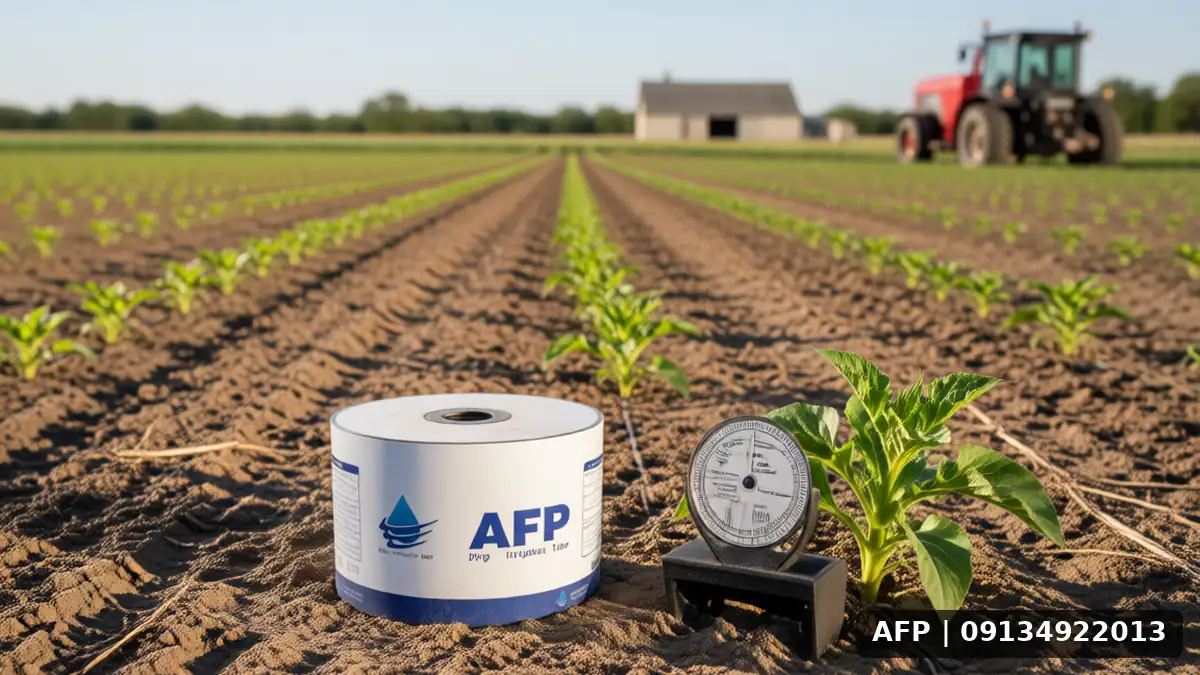
- Use smart technologies and soil moisture sensors to automatically control irrigation systems and prevent waterlogging
Another critical point is checking root depth and appropriate spacing between plants. Melons typically have relatively shallow root systems and are highly vulnerable to drought or waterlogging. Properly adjusting the drip irrigation system can prevent these issues and ensure uniform distribution of nutrients. In this regard, accurate knowledge of steps for installing drip tape will help you install the system correctly and safely with minimal technical defects, thereby preventing waste of resources.
Frequently Asked Questions about Melon Pests and Diseases in Drip Irrigation
Can drip irrigation completely replace spraying?
No, it does not completely replace it. Drip irrigation is a supplementary and preventive method that significantly reduces the need for spraying by lowering excess humidity, improving soil conditions, and creating an environment conducive to healthy growth. However, in cases of severe outbreaks of specific pests or systemic diseases, targeted use of approved pesticides and fungicides may still be necessary to prevent further damage.
How many tapes are needed for one hectare of melon cultivation?
The quantity of tape required depends on the planting layout, spacing between rows and plants, and root depth. Typically, one or two tapes are used per melon plant (on either side of the plant). It is best to calculate and determine the number and capacity of tapes by carefully examining the specific farm conditions, soil type, and regional climate. Additionally, by studying the comprehensive guide on tips before buying drip irrigation tape you can make the best selection and avoid purchasing inferior or inefficient products.
Does the use of a drip irrigation system affect the aroma and flavor of melons?
Yes, positively and significantly. With precise control of moisture and timely, appropriate nutrition, the plant has better capacity to produce and accumulate aromatic compounds in the fruit. Additionally, reducing environmental stress and preventing diseases improves the aroma and flavor of the melon, increasing the final product quality in terms of market appeal.
Summary and Final Recommendations for Farmers
The use of drip and tape irrigation systems is considered an effective, economical, and sustainable strategy in the management of cantaloupe pests and diseases. By reducing excess humidity and creating optimal soil and root conditions, the spread of pests and fungal or bacterial diseases can be significantly prevented. This method not only results in substantial savings in water and energy consumption, but also delivers higher economic returns through improved crop quality and reduced waste, thereby increasing the farmer’s share of healthier produce.
The final recommendation is to thoroughly evaluate the climatic and soil conditions of your farm to select and configure the most suitable irrigation system, and to benefit from expert advice. Additionally, employing modern technologies such as smart control systems, moisture sensors, and farm management software can double the precision and efficiency of your system. Consequently, by adhering to proper cultivation practices, plant placement, and standard irrigation protocols, you can enjoy high-quality cantaloupes that are more resistant to pests and diseases and more secure in the market, ensuring a guaranteed sale.
Related Articles: lettuce yield per hectare factors increase