Jujube Yield Per Hectare with TIP Drip Line: A Comprehensive Guide to Improving Efficiency
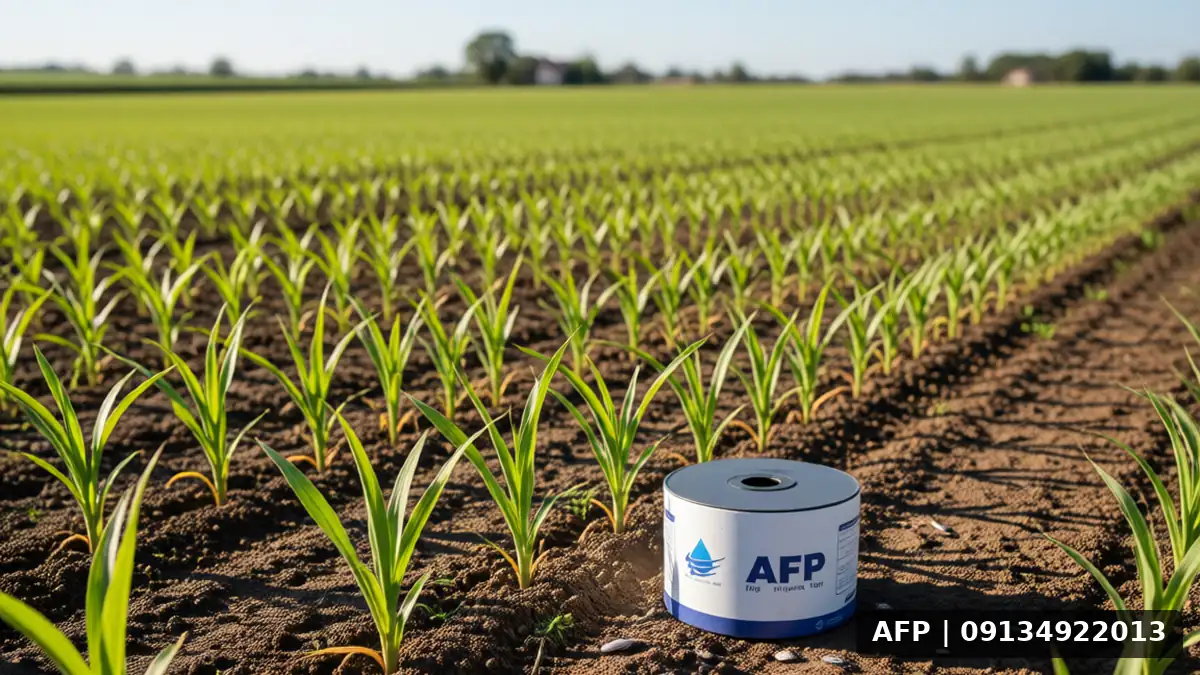
Why is the drip irrigation system vital for increasing hemp yield?
Hemp, as one of the strategic oilseeds, is highly sensitive to water stress, and precise management of water resources to achieve hemp harvest per hectare with drip irrigation appears essential. Unlike traditional methods such as furrow irrigation which lead to severe fluctuations in moisture, soil salinity, and energy waste, the drip irrigation system maximizes water and nutrient absorption efficiency by delivering water uniformly and directly to the root zone. This system performs particularly well in light and medium-heavy soils, where hemp roots penetrate easily, and reduces plant stress. By maintaining stable soil moisture, the plant can direct its energy toward stem and seed growth rather than searching for water, resulting in a significant increase in dry seed weight per hectare. Additionally, reduced evaporation from the soil surface provides more moisture to the roots and maintains the natural soil drainage cycle. In areas with high winds, drip irrigation prevents rapid drying of the seedbed by creating moist zones, which is critical for young hemp stems.
Direct impact of drip irrigation on oil quality and seed health
One of the main reasons for farmers’ interest in this technology is the improvement of seed commercial quality. Uniform and stable irrigation leads to balanced plant growth and reduces the time gap in seed maturation. This directly affects oil content and final quality. In uneven systems, moisture fluctuations can cause cracking, rot, or irregular seed development in the final stages, which reduces the crop’s market value. Therefore, focusing on Per hectare hemp yield using the tape tip system This is not merely about increasing the wet weight of the crop, but about enhancing commercial quality and increasing profit margins in sales. Additionally, the absence of water stress allows the plant to produce and store essential oil metabolites more effectively. Soil temperature stability around the roots ensures that enzymes involved in oil synthesis operate at maximum efficiency. Consequently, seeds with appropriate and uniform moisture content are produced, leading to higher yields during the oil extraction process and reducing the need for additional dryers.
Comparison of cultivation methods: Tape tip efficiency vs. drip irrigation
Although drip irrigation is common, the tape tip system is more ideal for plants that require better coverage along planting lines. Currently, many farms are transitioning toward newer technologies. To better understand the differences in yields, one can refer to relevant articles on Ginger seed rate per hectare It was mentioned because pressure irrigation principles are generalizable to many other crops. However, for sesame, a 10 cm drip tape with an optimal distance of 10 to 15 cm from the plants provides better lateral coverage and ensures that all root zones have access to moisture. This linear distribution facilitates better growth of lateral roots and prevents local waterlogging, which may occur with widely spaced drip emitters. Additionally, drip tape is more resistant to clogging caused by sedimentation compared to multiple drip emitters, eliminating the need for complex system filters. This feature makes system maintenance significantly simpler and more cost-effective for medium and large farms. When making a selection, farmers should consider plant spacing; for high-density sesame, drip tape is a better option as it prevents root interference with adjacent drip emitters and distributes moisture evenly along the planting line. This characteristic promotes uniform crop growth and prevents visible differences among plants within rows, which is a key indicator for monitoring field health.
Detailed short-term and long-term cost-benefit analysis
The initial installation cost of drip tape is usually lower than complex drip systems, but its long-term efficiency is significantly higher due to substantial savings in water and fertilizer use. Although precise price labeling depends on regional variables, investing in precision irrigation infrastructure ensures a return on investment within 2 to 3 growing seasons. Farmers should consider water inflation rates and maintenance operation costs when calculating the economic balance sheet. Water savings directly lead to reduced pumping and energy flow costs. Additionally, the precise delivery of water-soluble fertilizers (fertigation) allows for a 30 percent reduction in chemical or organic fertilizer use. These savings collectively shift the farm’s economic balance in a positive direction. Furthermore, the flexibility to change varieties or crop types in subsequent years makes the investment safer. Drip tape has adjustable flow capacity, which allows for adaptation to annual climatic conditions.
Technical table: water consumption and planting density for hemp
for optimization hemp yield per hectare with drip tape, knowing the appropriate density and irrigation schedule is crucial. The table below is a preliminary guide for determining spacing and consumption volume:
Note that the settings above require adjustment based on climate and soil type. Regular monitoring of the soil surface using a soil profile or manual testing is critical. In sandy soils, infiltration is faster, which may require more frequent irrigation cycles with smaller volumes. Conversely, in clay soils with lower infiltration, intermittent irrigation at high flow rates may be more logical to ensure adequate drainage reaches the roots.
Practical Tips for Cultivation and Care in Tape Drip Systems
- Seedbed Preparation: The ground surface must be completely level and free of stones to ensure the tape drippers function correctly. Any irregularity can cause water pooling and root waterlogging. Using a suitable laser level is key to successful installation.
- Substructure and Anti-Clogging: The use of metal screens is essential to prevent emitters from clogging with fine sand sediment. Proper filtration can double the functional lifespan of the pipes.
- Irrigation Start Timing: Start irrigation 24 hours after sowing to ensure good seed-soil contact without causing compaction. Precise timing guarantees uniform germination.
- Pest management: Below the soil surface, drip lines create a moister environment for fungi. Therefore, using fungicide-treated seeds and rotating pesticide applications is essential. Monitoring root health during the first month is critical.
- Timely harvest: Because precision irrigation ensures uniform crop maturation, determine the harvest time by monitoring stem and seed color to maintain premium quality. Delaying harvest can lead to cracking.
For farmers who want to diversify their crop portfolio, they can read the miqdori tuxmii salat dar yak hektar nasoyihi kisht u obyori article, as farm management principles are common to all these methods. Understanding how to adjust seed density for cabbage also helps in managing sesame density. Furthermore, familiarity with various cultivation methods allows farmers to implement an optimal combination of crops with similar irrigation needs on their farm. This diversity reduces climate risk and stabilizes annual income.
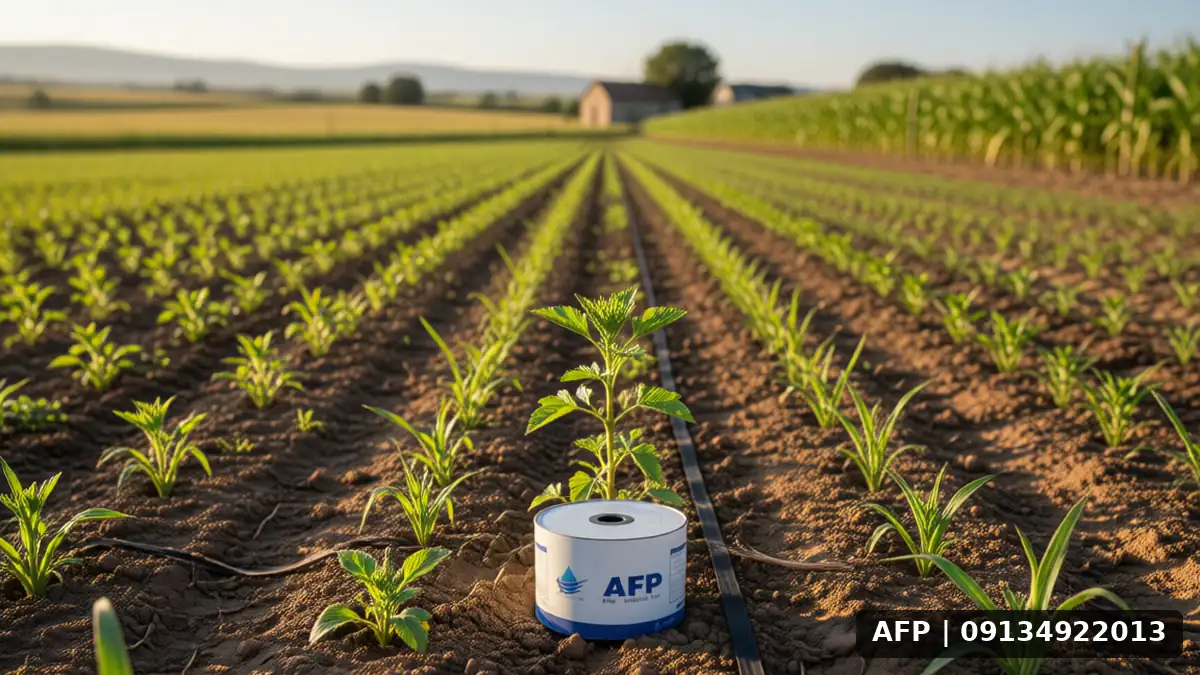
Frequently Asked Questions (FAQ)
Is tape irrigation allowed for organic hemp?
Yes, the physical irrigation system itself is permitted, provided that all fertilizers and pesticides used hold organic certification. Due to its precise fertigation capabilities, tape irrigation facilitates the better utilization of natural powders. This system minimizes waste discharged into the soil, which is fully compatible with organic farming principles.
What is the service life of tape irrigation?
With proper maintenance, end-of-season flushing, and correct burial, the service life is 3 to 5 years. It is recommended that installers wash the lines with an antifungal solution in late spring. Using high-quality UV-resistant tubes extends their lifespan against solar exposure.
When is tape irrigation superior to drip irrigation?
When plant spacing is close and wider lateral coverage is required. It is also suitable for plants with long stems that may clog drip emitters. For hemp, linear coverage ensures crop uniformity.
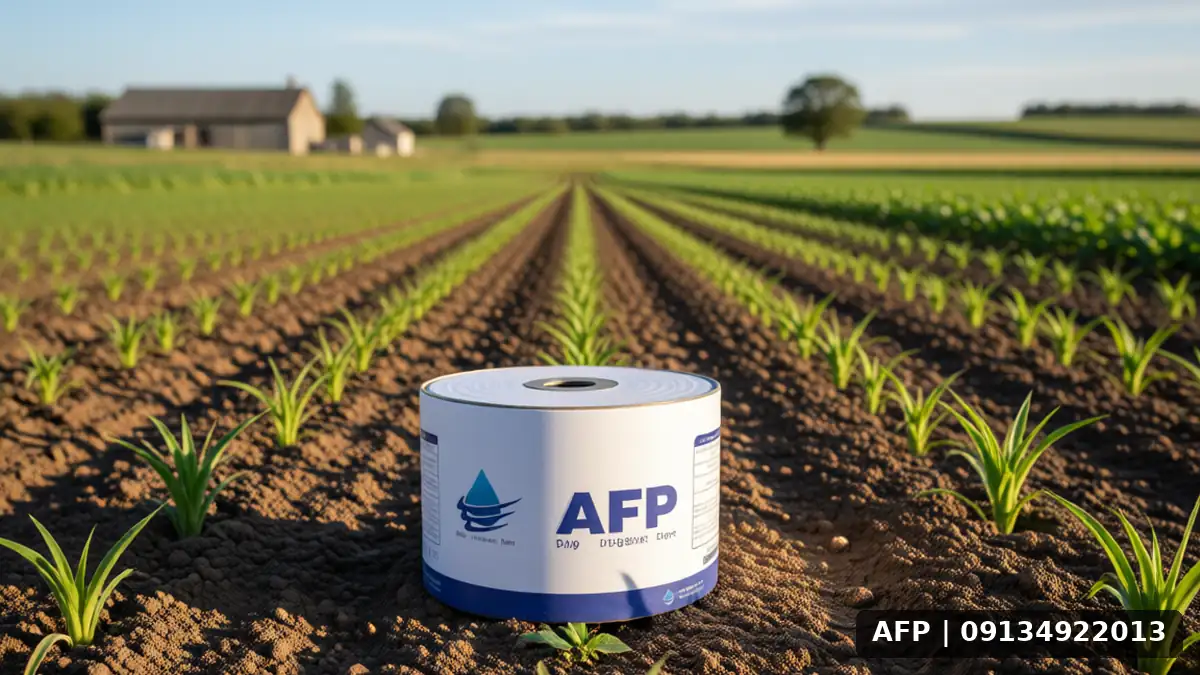
Conclusion: The Future of Hemp Farming
The adoption of modern systems, such as drip irrigation, is no longer just an option but a necessity for competing in global markets. Increasing per-hectare hemp yield with drip irrigation does not happen solely through technology; it also requires the smart management of water and soil resources. Successful farmers are those who operate in a data-driven manner, utilize moisture sensors, and conduct regular monitoring of crop growth. To learn more about different crop arrangements in fields, reading a comprehensive guide on cucumber cultivation using irrigation methods can also be beneficial. Investing in infrastructure quality ensures the future stability of your farm’s income.
If you have questions about improving your farm’s performance, you can ask in the comments section below and benefit from the experiences of other farmers. Sharing experiences among hemp producers is the key to solving local problems and finding creative solutions. Today, take a step toward sustainable profitability by improving your irrigation system.
Related articles: lettuce yield per hectare factors increase