Pest and Disease Management for Cilantro Using Drip Irrigation
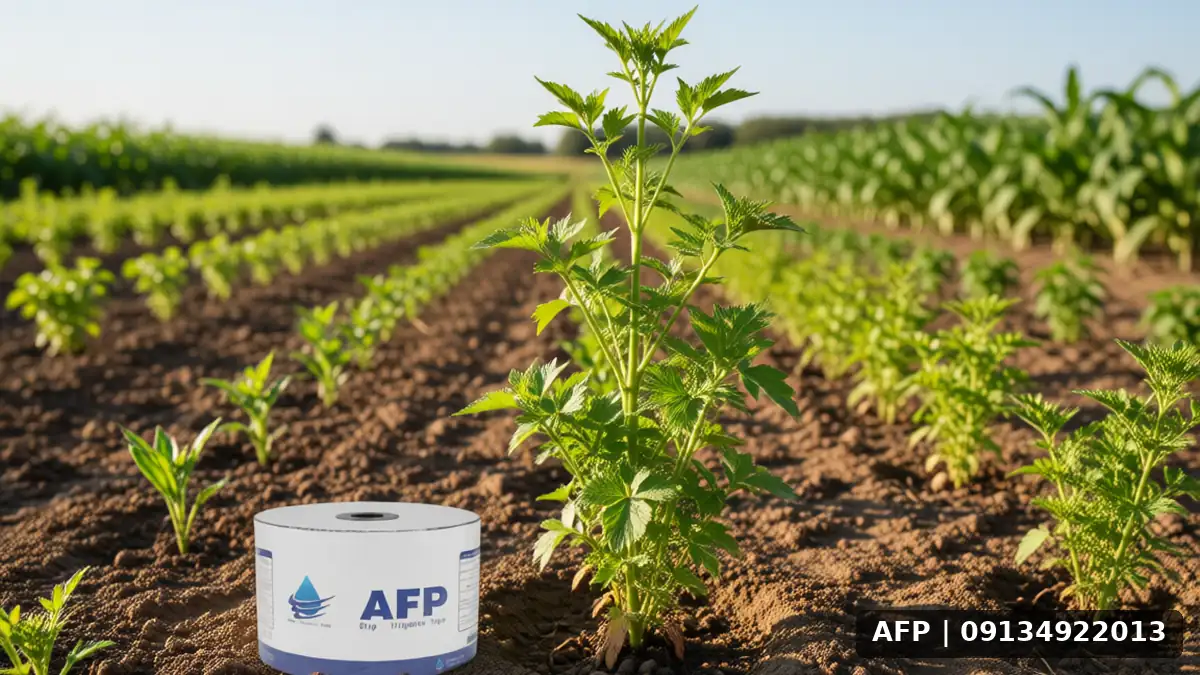
Introduction to the Importance of Precision Irrigation in Coriander Cultivation
Coriander, as one of the highly demanded aromatic and medicinal herbs in domestic and export markets, holds a significant position in Iranian agriculture. Due to its short cycle from sowing to harvest, this plant is directly influenced by environmental conditions, particularly soil moisture. A fundamental challenge in coriander cultivation is the delicate balance between providing sufficient water for growth and preventing excessive saturation, which can create conditions conducive to fungal diseases and soil-borne pest infestation. The use of modern irrigation systems, especially drip irrigation and line drip, is an intelligent solution for managing this challenge. These methods, by distributing water and nutrients evenly in the root zone, not only increase the water use efficiency coefficient but also prevent water stress and optimal conditions for harmful organism activity by maintaining optimal soil moisture. In this article, a precise examination of the direct relationship between hydraulic management and plant health is the correct path for farmers seeking to reduce pathological losses and increase coriander performance per hectare . Understanding this connection is the first step in transitioning from traditional farming toward sustainable cropping with minimum resource consumption and maximum crop health.
The Impact of Mechanized Drip Irrigation on Pest Prevention
Many cilantro pests, including sucking insects such as aphids and leaf mites, are more active in environments with high relative humidity and moist canopies. Drip irrigation systems, by focusing on direct root-zone feeding, help keep the soil surface and plant leaves relatively dry. This canopy dryness acts as a primary barrier against the formation of moist micro-environments that insects require for egg-laying and nesting. In contrast, sprinkler and surface irrigation methods, which were previously more common, significantly increased the risk of leaf diseases and fungal activity by constantly wetting the plant canopy and soil surface. Managing humidity through drip irrigation is considered a preventive tool that reduces the need for repeated pesticide applications.
Control of soil-borne pests through dynamic moisture management
Soil, as the host for many cilantro pests and diseases, requires precise monitoring. Utilizing drip tape allows for moisture control at various depths. Factors such as nematodes and cysts that proliferate in high moisture see their growth rate suppressed when moisture in the irrigation zone is reduced. Additionally, wireworms and harmful nematodes are more vulnerable in water-saturated soils; this is because plant root respiration is impaired, weakening the plant’s defense system. Periodic soil monitoring around the drip tapes is key to success. Observing brown or yellow spots on roots can indicate biological interference and the need for soil aeration between irrigation events. This timing interval provides the necessary opportunity for soil oxygenation and a reduction in nematode density.
Smart management of chemical and fungal diseases
Fungal diseases such as root rot, leaf blotch, and plant mold are among cilantro’s natural enemies, and their severity increases under high humidity conditions. Correct use of drip tape In dense planting systems like cilantro, precise temporal and quantitative planning is required. Cilantro is sensitive to stress, yet prolonged waterlogging in drip systems that lack proper filtration or have uncalibrated irrigation schedules can lead to widespread root rot and total crop loss. Therefore, balancing irrigation volume and timing is critical. Optimal matric potential must be maintained without allowing the root zone to become saturated. Additionally, monitoring soil pH around the drip line is chemically important, as it can influence pathogenic fungal activity. Adjusting pH to the appropriate range strengthens plant resistance against diseases.
Warning signs and immediate actions for irrigation systems
Early recognition of hazard signs enables faster intervention. In drip systems, the following signs should be monitored closely:
- Yellowing of lower leaves: This sign may indicate nutrient deficiency or a problem with root water absorption due to clogged drip emitters. In such cases, inspecting drip tape filters and cleaning the lines is essential to maintain uniform flow.
- Transparent rot on the stem: This is a warning sign of bacterial contamination. Avoid direct irrigation onto stems and upward water splashing from the drip lines. Additionally, maintain proper tree spacing to ensure better air circulation.
- Soil Crusting (White Mold): If white mold is observed on the soil surface around the drip lines, it indicates excessive moisture and poor ventilation. Increase the frequency of irrigation events and increase water infiltration depth to allow surface moisture to evaporate. Using appropriate mulch can also help control surface moisture.
Practical Tips for Installing and Operating Drip Tape Systems
To ensure dill health and reduce pests, it is essential to follow these principles in the irrigation system. These guidelines are not only technical but are directly linked to plant biology and its resistance to pathogens:
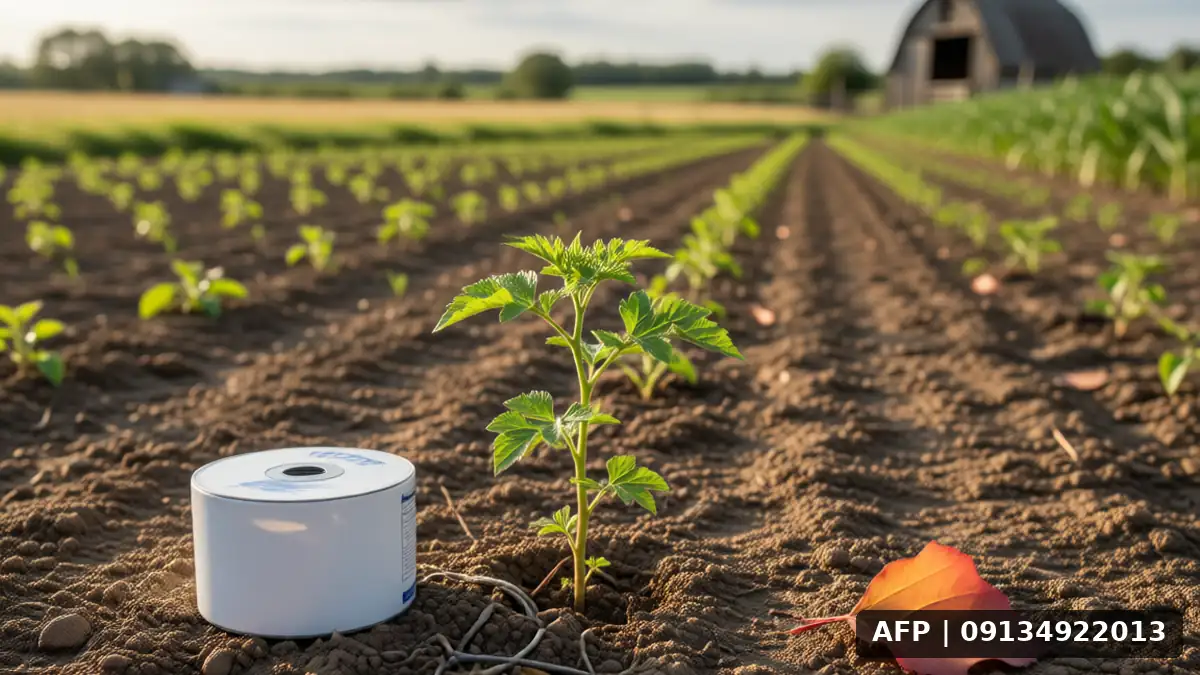
- Irrigation Strategy: Instead of long irrigation sessions, use shorter and more frequent watering. This method maintains root zone moisture without keeping the plant canopy wet, thereby reducing the risk of fungal diseases.
- Emitter hole monitoring: It is essential to keep the holes of tape emitters free from salt deposits to prevent uneven water distribution. Uneven distribution creates dry and wet spots in the soil, which increases plant stress and vulnerability to pests. Periodic flushing of tapes with high-pressure water is recommended.
- Line pressure regulation: Appropriate mainline pressure is vital for uniform water distribution along the full length of coriander channels. Pressure drop can lead to insufficient irrigation at the end of the line and root rot.
- Soil preparation: Ensure adequate soil porosity for water infiltration into deeper layers, which serve as a suitable environment for root development. In heavy soils, this must be achieved through appropriate agricultural practices.
In addition to mechanical points, understanding the relationship between yield and plant quality Proper irrigation management is critical. Plants under water stress or moisture saturation have reduced resistance to pests and diseases, which consequently lowers the quality of the greens.
Frequently Asked Questions (FAQ)
Can drip irrigation completely replace chemical spraying?
No, drip irrigation is a preventive tool. By reducing the suitable environment for fungal and insect growth, the need for chemical pesticides decreases; however, in cases of severe infestation, the use of botanical or chemical compounds at controlled doses is still recommended. Combining precision irrigation with Integrated Pest Management (IPM) yields the best results.
What is the best time to water cilantro using the Drip Line method?
Water evaporation and pest activity are lower in the early morning and pre-dawn hours. Irrigation during these times prevents the washing off of potential pesticides from leaf surfaces and protects the roots from diurnal heat stress. Additionally, in hot regions, night irrigation is recommended.
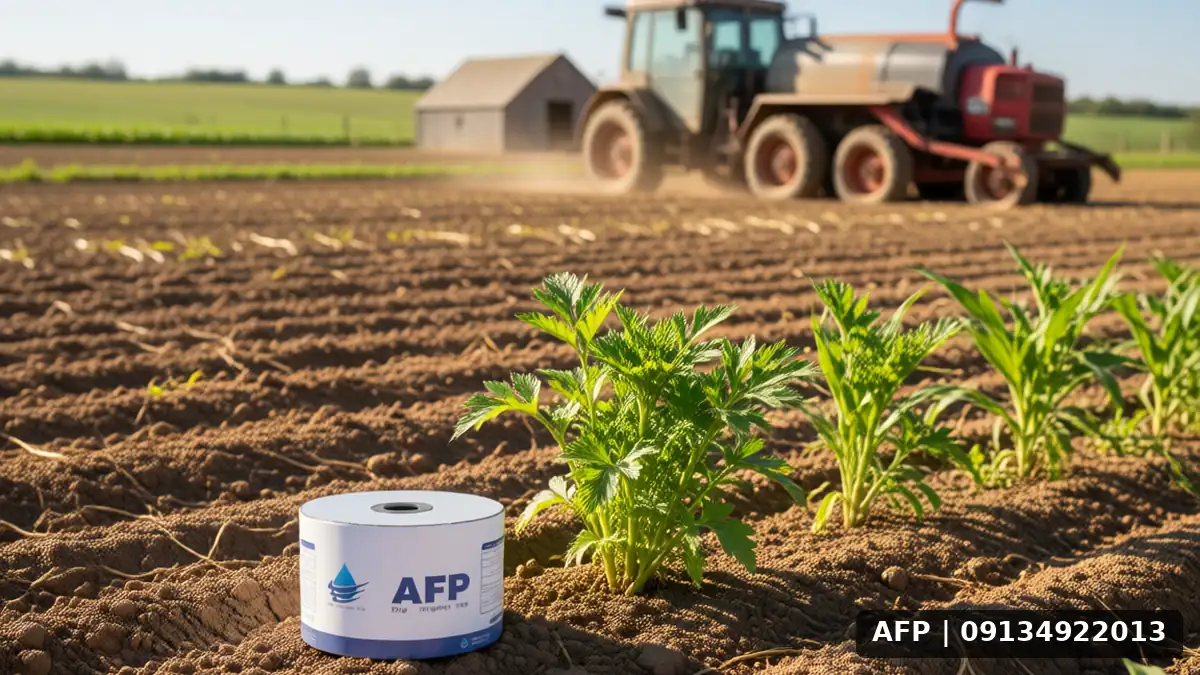
Does changing the thickness of the Drip Line layer affect the roots of cilantro?
Yes, tape thickness directly affects water infiltration rate and wetting zone expansion in the soil. For cilantro, which has a fibrous root system, tapes of appropriate thickness that retain moisture at the root depth are ideal. Thicker tapes may cause water stagnation and rot.
Conclusion
Pest and disease management in cilantro depends not only on chemical interventions but is also directly linked to the quality and settings of drip and tape-tube irrigation systems. By adhering to technical principles in installation, continuously monitoring soil health, and optimizing irrigation timing and volume, many pathological issues can be prevented. Farmers who are successful in managing crops with high harvest indices typically pay special attention to monitoring irrigation lines. It is recommended to factors that increase cilantro yield be considered comprehensively to simultaneously improve water and soil efficiency. This integrated approach ensures a healthier and more profitable crop.