Fallow Maintenance with Typhoon Strips: Key Tips for Improving Efficiency
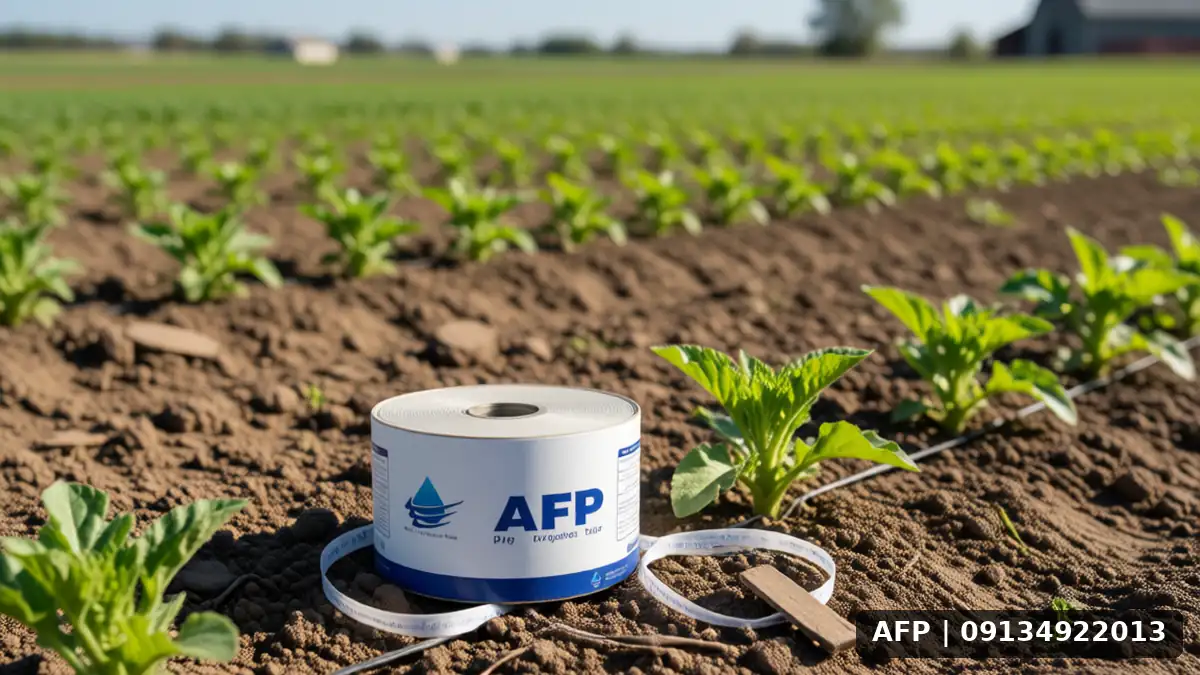
Introduction: The Critical Importance of Tape Irrigation in Dryland Farming
Drip irrigation systems, and specifically tape irrigation, are recognized as among the most effective modern methods for water conservation and enhancing agricultural efficiency. When discussing Dryland Farming Maintenance with Tape Irrigation we must consider the high sensitivity of these systems compared to conventional irrigation methods. Dryland crops have fine, superficial root systems and require precise, granular fertilization; therefore, the health and optimal performance of the tape directly affect their optimal final growth.
The ultimate and primary goal of adhering to maintenance principles is to maintain uniform flow rates across all tape lines and prevent physical and chemical degradation of the tape body. Unfortunately, neglecting basic principles can lead to a severe reduction in wheat and barley yields, which are commonly grown on flat land, imposing heavy financial losses on farmers. In the following sections, we will examine technical, operational, and managerial details more precisely to provide a complete roadmap for system care.
Technical Principles for the Correct Selection and Installation of Tape Irrigation
To achieve a Dryland Farming Maintenance with Tape Irrigation For an effective and sustainable system, the first and most critical step is the correct selection of the tape based on wall thickness, material composition, and mechanical resistance. Tape drip tapes widely used in arid and semi-arid regions are typically manufactured from polyethylene (PE) or polypropylene (PP) with varying thicknesses (usually 20 to 40 microns). The tape wall thickness must be precisely matched to the system operating pressure, installation duration, and resistance to girdling by wildlife or agricultural tools. To familiarize yourself with technical standards and desirable physical properties, it is highly recommended to study the comprehensive guide on drip tape lay flat state and review wall thickness parameters.
- Precision in layout and spacing: The distance between the tape body and the root zone of the green manure crop must be exactly 5 to 10 centimeters. This spacing ensures that roots are not directly exposed to concentrated hydraulic pressure while maintaining an appropriate wetting bulb for root uptake.
- Selection of high-quality tape material: Tapes containing ultraviolet (UV) stabilizers have a longer service life under direct sunlight and high temperatures and prevent chemical cracking of the body.
- Comparison with subsurface systems: Although drip tape is standardly placed on the soil surface or in the planting furrow, under severe water scarcity, Subsurface Tape Irrigation systems suitable for green manure cropping can provide higher efficiency and minimize evaporation.
Major challenges in daily maintenance and system monitoring
The most common and frustrating issue encountered in the maintenance of cotton drip tape is the clogging of the tape’s small holes (Emitter Clogging). This clogging can be caused by the accumulation of heavy mineral salts, green algae growth, or suspended mud and fine particles in the water source. A clogged drip tape disrupts the even distribution of water and nutrients, resulting in some cotton plants suffering from water stress while others are exposed to waterlogging.
Preventing Drip Tape Clogging
- Multi-Stage Filtration: The use of appropriate filters (such as disc, mesh, or electric filters) at the beginning of the irrigation circuit and before water enters the drip tape is essential and critical to remove suspended particles larger than the drip emitters.
- Conditioning and Acidification: Applying or injecting a small amount of citric acid or other edible acids into hard water can adjust the pH and prevent the final precipitation of calcium and magnesium salts in the tubing walls.
- Periodic Flushing of the Tubing: Every few weeks (or before any long-term system shutdown), temporarily increase the pressure to wash out light deposits and early-stage accumulations in the tubing and discharge them through the emitters.
Another critical point is the physical damage to the tubing body. Due to its thin, tubular structure, tape drip tubing is highly vulnerable to rodent and bird predation, as well as agricultural hand tools (such as shovels, digging drills, or tractors). Continuous visual and field monitoring of the tubing lines, especially at ground curvature points and weedy obstacles, is an inseparable part of tape drip tubing maintenance for cereal crops .
The direct impact of the irrigation method on the quality and yield of wheat and barley
Water quality and precision in precision feeding (Fertigation) directly affect the final crop yield and its nutritional value. The use of tape drip tubing enables the application of precision feeding and micro-spraying of pesticides. This is vital for wheat, which is sensitive to nitrogen and specific micronutrients. To better understand the interrelationship between water resource management and crop performance optimization, refer to the article Factors affecting the increase of lentil yield per hectare It is recommended, as similar principles exist in calculating water and nutrient estimates across different legumes.
Furthermore, precision in calculating water usage based on the Crop Coefficient is essential. In this regard, familiarity with the factors affecting Chickpea seed rate per hectare and soil moisture management can provide a comprehensive and practical perspective on the lifecycle of leguminous plants and its relationship with water resources.
Practical points in different seasons of the year
Autumn season (Planting and establishment phase)
Planting time is the most critical stage for the proper installation and establishment of the drip line. The soil must be well prepared and plowed so that radish roots can form uniformly. At this stage, the practical meaning of Drip Tape Maintenance This refers to ensuring uniform pressure with no drop-off at the start of all drip tape lines. Use high-quality connectors, hoses, or pressure fittings where the drip tape connects to the main hose to prevent localized stress.
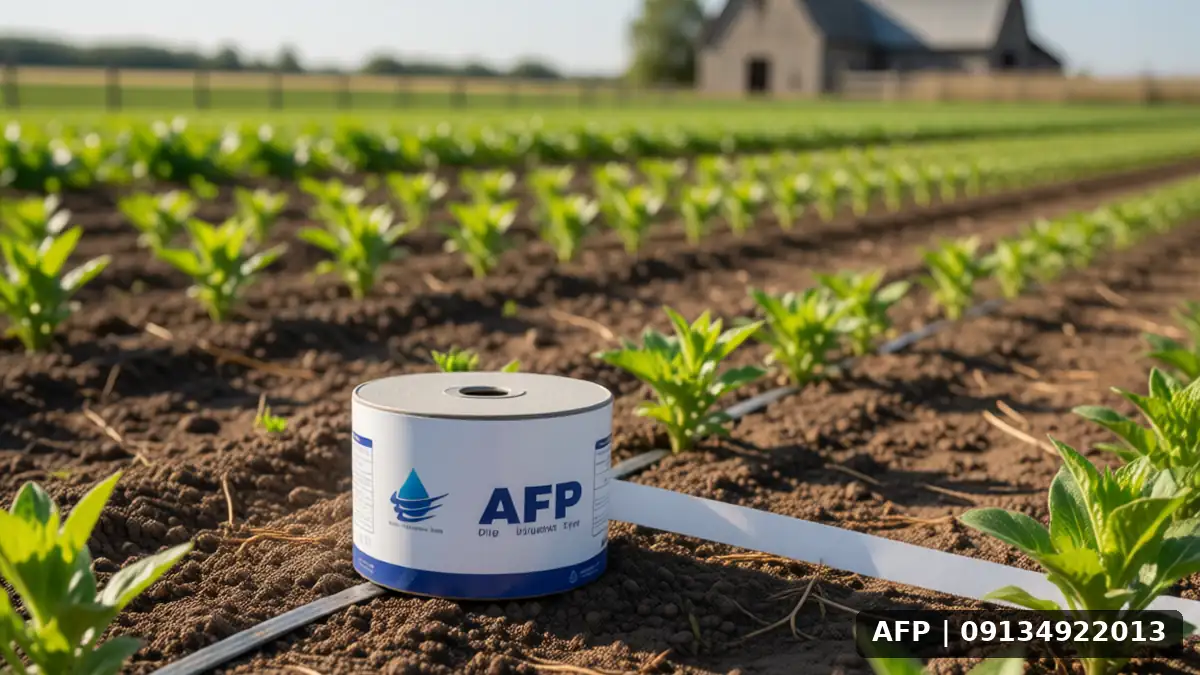
For optimal cropping, considering seed density and planting spacing management is critical. Understanding the methodology for calculating seed density in similar crops can provide a model for adjusting seed density for گلرنگ under drought or semi-arid conditions, contributing to optimized water use.
Spring Season (Active Growth and Vegetative Stage)
During spring vegetative growth, plant tissue is highly tender and vulnerable. The extensive root system of گلرنگ may encase the drip tape during frequent irrigation, causing partial blockage or altering the water flow path. This phenomenon, known as Root-zone Encroachment, can be managed by placing the tape at a slightly greater depth or using tapes equipped with chemical barriers.
Common Drip Tape Troubleshooting and Solution Table
Frequently Asked Questions (FAQ) about the irrigation system
Is drip tape reusable for future seasons?
Low-cost drip tapes are typically designed for single-use (Single-use), while more durable tapes with thicker walls (usually 20 microns or greater) are reusable, provided they are carefully collected at the end of the season and stored in a cool place away from direct sunlight. However, Bed maintenance with drip tape In the second season, full replacement of the tape is often required due to cloudiness, structural degradation, and chemical changes.
What is the fundamental difference between drip tape and Drip?
Drip tape has smaller holes, a more grooved profile, and a lower flow rate, making it safer for row-crop lines (such as گلرنگ), whereas drip lines are designed for trees, shrubs, and orchards, offering a higher output flow to feed trees.
Summary and final recommendations
Proper and principle-based management Maintenance of گلرنگ with drip tape This requires a combination of in-depth technical knowledge and continuous field monitoring. By strictly adhering to installation principles, preventing chemical and mechanical clogging, and performing rapid, time-efficient troubleshooting, you can maximize the efficiency of your irrigation systems and reduce operational costs. To expand your knowledge in water resource efficiency, soil conservation, and crop yield enhancement, study related articles such as Factors increasing per-hectare yield of گل داوودی It is recommended, as similar principles apply to optimizing water and nutrient supply across different crops.