Mung Bean Yield Per Hectare with Tip Line: A Comprehensive Guide to Maximizing Performance
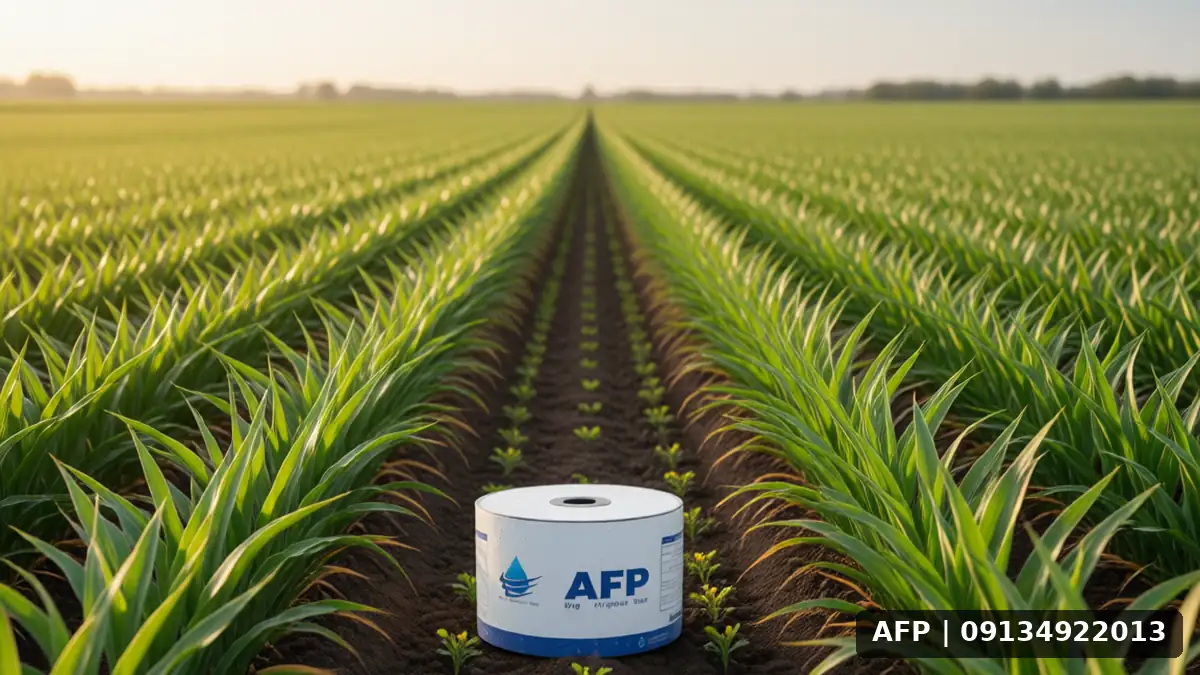
Introduction to the Importance of Drip Tape in Fava Bean Cultivation
Fava Bean (Fava Bean) is one of the most important leguminous and protein-rich crops in Iranian agriculture, attracting farmers due to its moderate water requirements and adaptability to various climatic conditions. In recent years, with the rising cost of water resources and the decline of surface and groundwater levels, the use of modern irrigation systems such as drip tape has become a necessity. By delivering water and nutrients directly to the root zone, this system not only prevents water waste but also directly impacts seed usage rates and factors affecting yield per hectare . Many farmers are concerned about whether switching from conventional drip irrigation to drip tape negatively affects the quality and quantity of the final yield. The short answer is no; with proper management, it can lead to a significant increase in yield. This article provides a comprehensive examination of how to determine fava bean harvest yield per hectare with drip tape and offers practical solutions for optimizing this process.
[[(IMAGE_1)]]
Key Factors Affecting Mung Bean Performance in the Drip Tape System
To achieve maximum crop yield, it is essential to understand the variables that directly affect mung bean plants under the drip tape system. Mung beans have varying requirements at different growth stages. Due to its higher coverage and more uniform water distribution, drip tape can reduce water stress during the early growth period. However, one of the most important points is the proper adjustment of planting distance. Research has shown that inappropriate plant density can lead to competition for resources. Therefore, investigating the grain yield per hectare and comparing it with other crops can help you make full use of your land’s potential, although mung beans have their own specific needs. In the drip tape system, since water is distributed as a narrow strip along the planting row, care must be taken to ensure that the distance between the tape and the planting rows is in perfect alignment so that no roots are left in dry soil.
The Impact of Seed Estimate and Germination on Final Yield
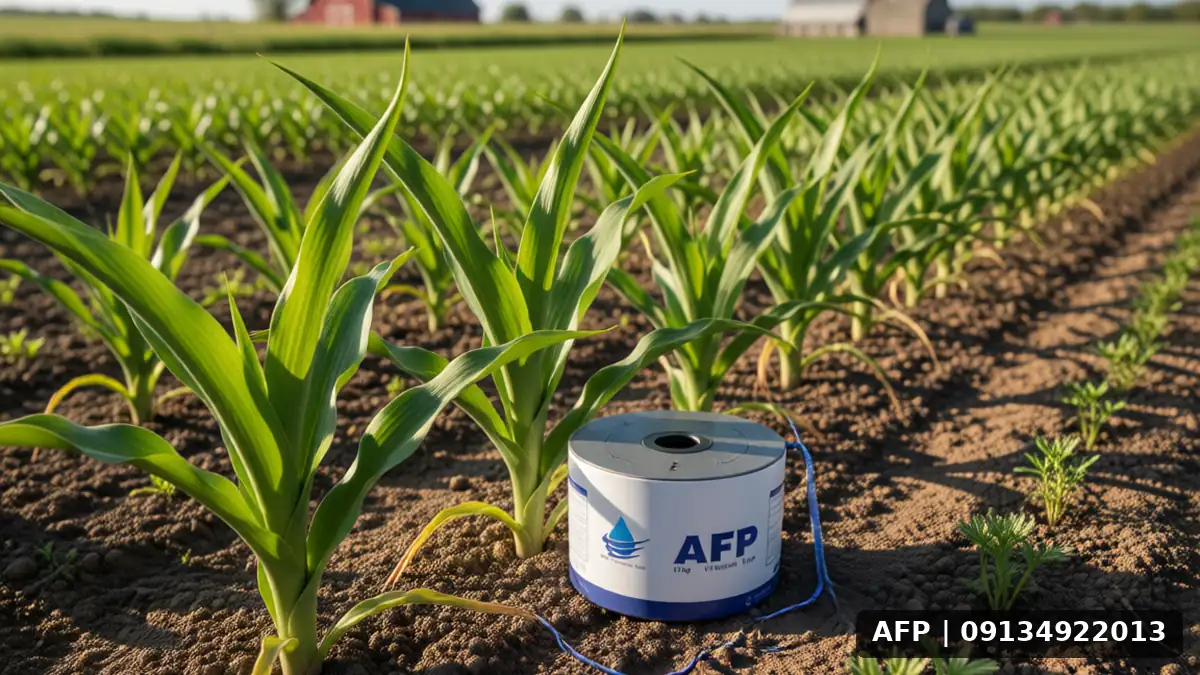
Seed quality and germination rate directly affect the final number per hectare. Although we use improved seeds in this irrigation system, the seed germination rate under specific local soil conditions remains important. For example, in sandy soils where drip tape is more commonly used, initial seed moisture must be controlled more precisely. Knowing the grain yield per hectare as a general reference for legumes can serve as a benchmark for setting your initial expectations, but do not forget that mung beans may behave differently depending on the variety due to their sensitivity to heat stress during the flowering period. In the drip tape system, precise control of emissions ensures a more uniform germination rate, resulting in a uniform plant stand, which is the primary basis for yield prediction.
[[(IMAGE_2)]]
Practical strategies for increasing mung bean yield per hectare
The most practical aspect of mung bean irrigation management is precise emission scheduling. Mung beans have specific moisture needs during three critical stages: post-emergence, flowering, and pod filling. Using drip lines allows you to control the discharge flow rate more accurately. A common mistake is over-irrigation at the start of cropping, which can cause root rot. Instead, low-volume and frequent irrigations are recommended. In addition to water, fertigation—nutrient application through the drip line—is a key advantage that should not be overlooked. In Guide to selecting and purchasing drip lines While many technical points are mentioned, this section focuses on its application in mung beans. Using long-life drip lines with uniform pressure ensures better performance. Additionally, proper field drainage before planting is critical; drip irrigation cannot prevent water accumulation in poorly drained soils, which leads to root asphyxiation and severe yield reduction.
Comparison table of yields under different irrigation methods
To better understand the differences, comparing practical figures is essential. Exact figures vary by mung bean cultivar, weather conditions, and farm management, but general trends are referenceable. The table below shows estimated averages:
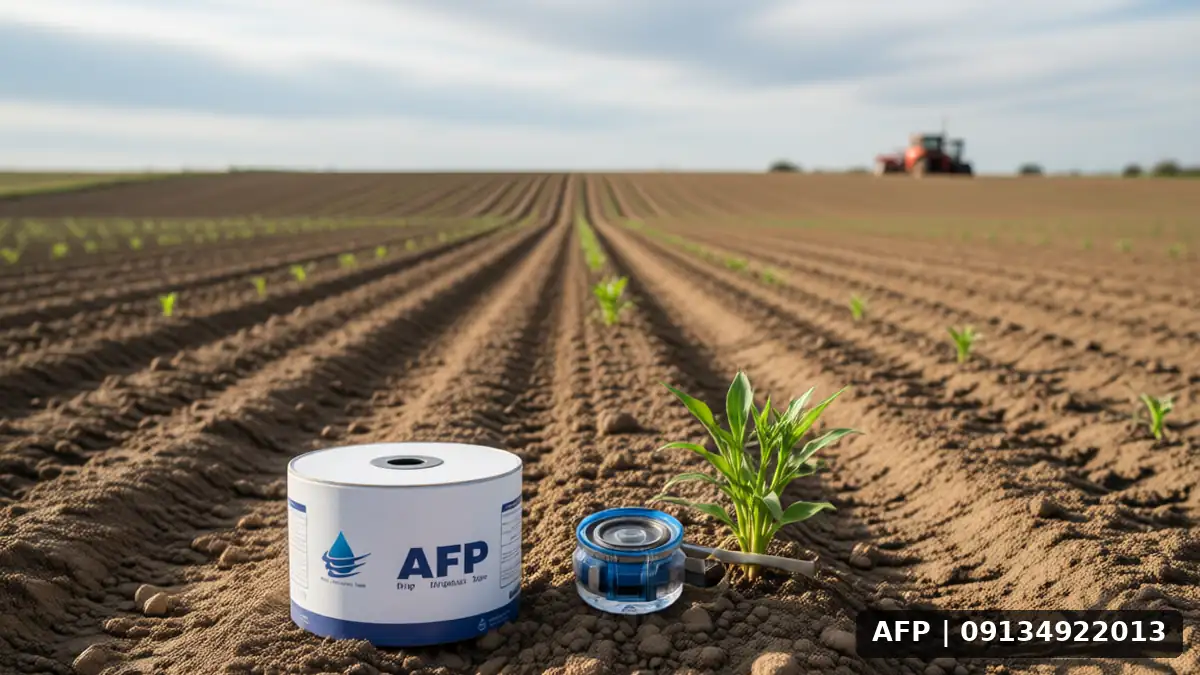
As shown in the table, drip tape has greater potential to achieve maximum yield, provided that tape clogging is managed. Clogging of drip tape emitters is one of the biggest challenges for mung bean performance. Using appropriate filters and periodic chlorination of the system should be part of your weekly routine. Additionally, managing plant residues is important for subsequent plantings, as mung bean plots can serve as beds for other vegetable crops. If you plan to use your mung bean field for later vegetable plantings, note Vegetable yield per hectare It can help plan the crop rotation and soil rest cycle. Mung bean, as a leguminous plant, fixes nitrogen and improves soil quality for subsequent crops. However, these effects should not be overestimated, and the nutritional needs of the following crop should not be ignored.
[[(IMAGE_3)]]
Frequently Asked Questions (FAQ)
Question 1: Can drip tape cause a reduction in mung bean seed protein quality?
No, evidence suggests that seed quality may actually be better due to more precise water control and reduced physiological plant stress. Severe water stress, which occurs with insufficient irrigation, often results in shriveled, smaller seeds with lower protein absorption. Drip tape helps ensure full seed development by guaranteeing adequate moisture.
Question 2: What is the optimal drip tape thickness for mung bean cultivation?
Generally, tapes with a width of 10 to 15 centimeters featuring a combination of macro and micro holes perform better for mung bean root coverage. Since mung bean roots are relatively shallow, tapes with more smaller (micro) holes may perform better under specific sandy soil conditions. It is recommended to use tapes that are Buying Guide They have been introduced as compatible with seeded plants.
Question 3: Should the planting distance for mung bean change with drip tape?
Yes. Using drip tape can encourage you to reduce the row spacing slightly, as the tape irrigates the entire length of the row. However, you must adjust the plant spacing so that the plants do not shade each other excessively. This directly affects the planting density and yield . Excessive density creates poor ventilation and exacerbates fungal diseases, which drip tape cannot compensate for.
Summary and Conclusion
Using drip tape in mung bean cultivation represents an upgrade from a purely water delivery system to a comprehensive crop management system. Mung bean yield per hectare with drip tape reaches its maximum when this technology is combined with local agronomic knowledge and improved cultivars. The key to success lies in attention to technical details such as filtration, planting timing aligned with the warm season, and precise plant density management. If you are seeking further optimization and increased overall farm efficiency, examining other variables such as other agricultural balances can provide a more complete perspective, but for mung beans specifically, the potential of drip tape to increase economic performance and reduce irrigation costs is very high. This method allows every hectare of land to fully express its production potential, enabling the farmer to achieve more sustainable and stable income.