Comprehensive Guide to Drip Tape Maintenance in Millet Farming: Extending Lifespan and Improving Efficiency
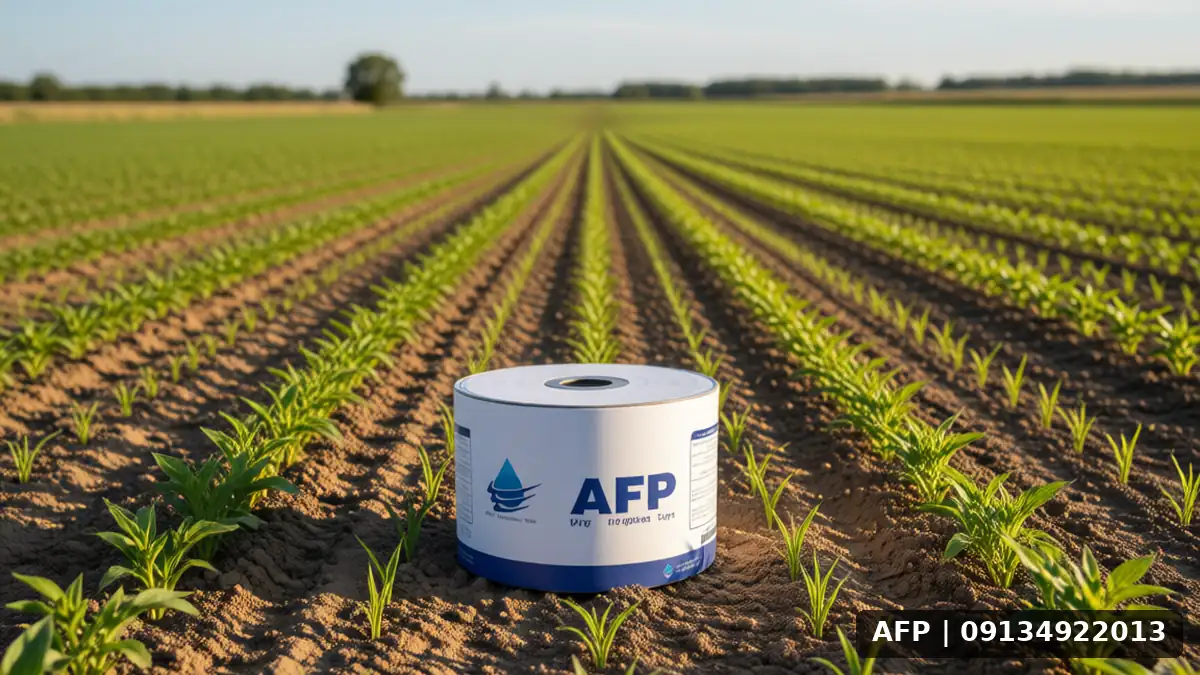
Buckwheat, one of the most important grain crops in arid and semi-arid regions, requires precise and uniform irrigation. Using innovative systems such as drip tape significantly improves water use efficiency and final product quality. However, the main challenge often arises after the initial installation; many farmers are unaware of the principles drip tape maintenance for buckwheat cultivation that lead to emitter clogging, mechanical damage, and pressure drop. In this article, we review technical and operational details for extending the lifespan of these sensitive systems to help you achieve maximum yield at minimal cost. The importance of this issue is heightened in current conditions where water scarcity is a major challenge in agriculture. Proper management of water resources and maintenance of irrigation infrastructure health are key to sustainable production in buckwheat farms.
Reasons for drip tape sensitivity in buckwheat cultivation
Drip tapes are typically made of polyethylene with less thickness compared to main lines. While this feature reduces costs, it also limits physical resistance. In buckwheat cultivation, which involves narrow rows and shallow planting depth, the likelihood of the tape colliding with agricultural tools, wildlife, and even solid particles in the water is high. Additionally, salt deposition from hard water is the primary cause of clogging in the small emitters. Without continuous monitoring, this process quickly leads to relative root drying and reduced grain volume. In addition to physical and chemical factors, biological factors such as the growth of biofilms and microscopic algae can also block the path water takes to reach the roots during irrigation periods. Therefore, a multi-faceted approach to maintenance is essential.
Key maintenance stages during the harvest season
Mung bean harvest is often performed with mechanized equipment, which can damage plastic tapes.
- Pre-harvest management: Before machinery enters the field, collect the tapes and store them in the shade. Prolonged exposure to sunlight causes the plastic to oxidize and become brittle. This chemical process, known as thermal degradation, weakens the polymer structure of the tape, making it prone to cracking in the next season.
- Detailed visual inspection: Use a marker to label all points with cracks or holes. These markings serve as your roadmap for quick repairs in the next season. Precisely recording the locations of damage on a field map enables optimized repair routing and reduces time lost.
- Physical cleaning: Use soft brushes to remove deposited soil from the tape body. Accumulation of fine particles causes local degradation and alters the emitter discharge angle. Internal cleaning is performed by injecting pressurized water from the closed end to flush out sediment that has settled at the bottom of the tape.
Water engineering and prevention of scale deposition
One of the most challenging maintenance tasks is preventing the clogging of holes. The drip tape system requires a steady water flow with constant discharge. Use of the ‘line flushing’ method is recommended. Before each irrigation session, check the degree of disc filtration (around 120 mesh) to remove primary suspended particles. Increasing the line pressure to the maximum allowable level for the drip tape can help dissolve calcium scale. Additionally, dilute citric acid solutions can be used to clear partially clogged holes. This should be done with caution and at ambient temperature to avoid damaging the plastic body. For further guidance on this subject, you can refer to the article on subsurface irrigation of plants which covers more detailed aspects. Also, chemical optimization of the incoming water by adjusting the pH can prevent lime scale deposition.
Quick Repairs and Reconstruction of Drip Tapes
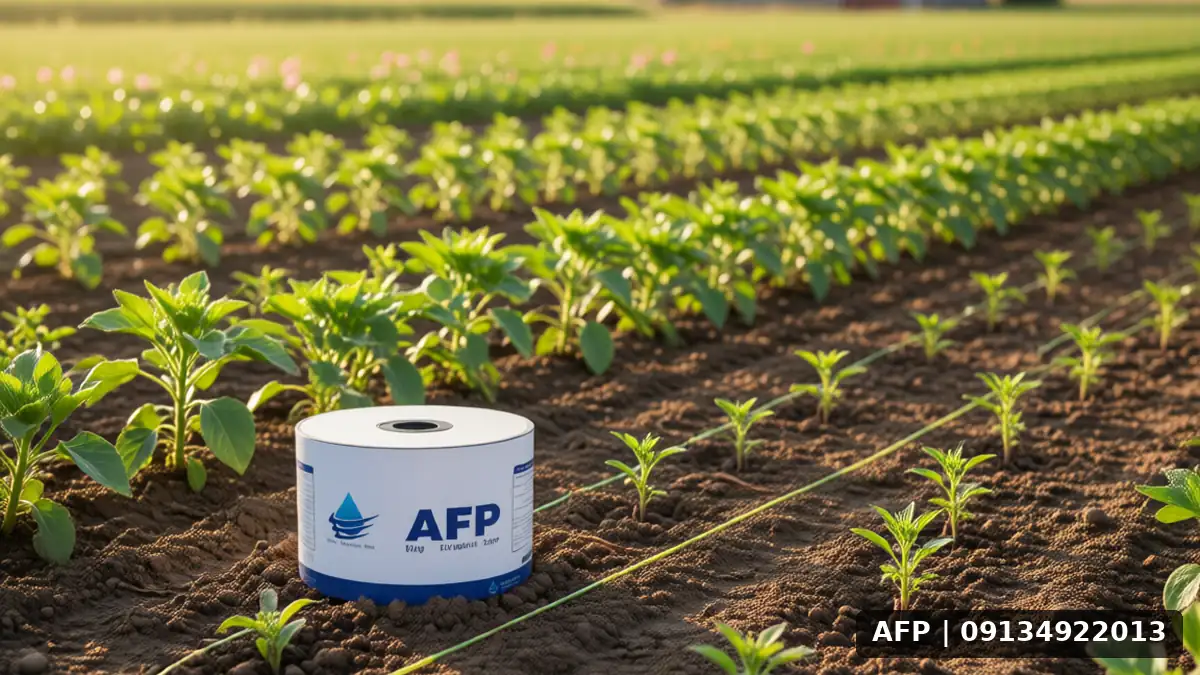
Minor mechanical tears can be temporarily repaired using specialized polymer repair adhesives or sterile tape coatings. However, for pressure drops caused by silting, temporarily increasing the pump station pressure is a more effective solution. When connecting and disconnecting lines, avoid using metal clamps; they soften at high temperatures and can cause the tape to tear. Using specialized plastic clamps is the safest option for maintaining internal pressure. In case of serious damage to the tape body, the only solution is complete replacement of the affected section. Small leaks can lead to the loss of a significant amount of water and local root dryness, which directly affects the uniformity of crop growth. Attention to water quality in wetlands and deep wells is also crucial for preventing internal erosion of the drip tape.
[[[IMAGE_2]]
Direct impact on cost and profitability
The cost of proper maintenance is a component of total production expenses. If the system is not properly maintained, the cost of replacing drip lines can account for 40 percent of the total irrigation cost. In mung bean cultivation, uniform water distribution directly affects the 100-grain weight. Using smart irrigation programs and precise control of the distance between the lines and the roots can increase the farm’s gross profit by up to 20 percent. This matter, through the examination of successful cases in Guide to the cheapest performance per hectare is proven. In addition to reducing operating costs, increasing the useful life of equipment improves the return on initial investments over the years. Leading farmers who implement preventive maintenance programs minimize the risk of seasonal failure.
Frequently asked questions about drip tape
Is drip tape reusable?
Yes, although these tapes are designed for a single season, with proper care (avoiding direct sunlight and keeping them away from dogs and chickens), they can last up to two seasons. The water delivery efficiency typically decreases by 10 to 15 percent in the second season. Clogging is more likely in the second season, requiring frequent flushing. Additionally, note that mung bean varieties with lower water consumption have better compatibility with degraded tapes.
When is the best time to flush the drip tape?
It is recommended to perform a strong flush cycle at the end of each irrigation session and before closing the lines to discharge suspended particles. This operation helps prevent sedimentation at the packaging stations. This step becomes doubly important during hot weather, when warm water provides an ideal environment for flora build-up. Using biodegradable enzymatic agents in the flush water can increase efficiency.
How is the distance of the tape from the mung bean roots determined?
The optimal spacing is adjusted based on the rooting depth of mung bean varieties. For complete coverage, the tape should be placed at a depth of 10 to 15 centimeters. This depth ensures water reaches the active root zone directly while minimizing surface evaporation. In higher-elevation fields with clay soils, a shallower depth is recommended, while deeper placement is advised for sandy soils.
[[[IMAGE_3]]
Conclusion
Monitoring drip tape irrigation systems is a continuous and dynamic process. By adhering to mechanical safety, managing water chemistry, and performing regular cleaning, you can prevent incidental costs and produce a top-grade crop. To learn more about the benefits of drip tape and other supplementary points, it is recommended to read complementary articles. Investing in the technical knowledge required to maintain these systems is one of the most profitable actions in modern agriculture. Foresight in water resources, achieved through optimizing consumption and preventing waste, is essential for both the farmer’s economy and the environment.
Related articles: Related article Related article Related article D8AFD8B1 Related article