Reducing Water Stress in Farms with Teflon Strip: A Strategic Irrigation Guide
Introduction to Water Stress Management
Water stress occurs when a plant’s water demand exceeds its root uptake capacity or water supply availability. This phenomenon can cause irrecoverable damage to crops during sensitive growth stages, including germination, fruit set, and grain filling. In modern agriculture, the transition from conventional irrigation to advanced systems like drip tape is not merely a choice but a necessity for maintaining environmental sustainability and the economic viability of cultivation. The comprehensive pumpkin cultivation guide is an excellent example demonstrating how the correct selection of cultivation methodology and irrigation directly affects final product quality.
Principles of Drip Tape Irrigation Strategy
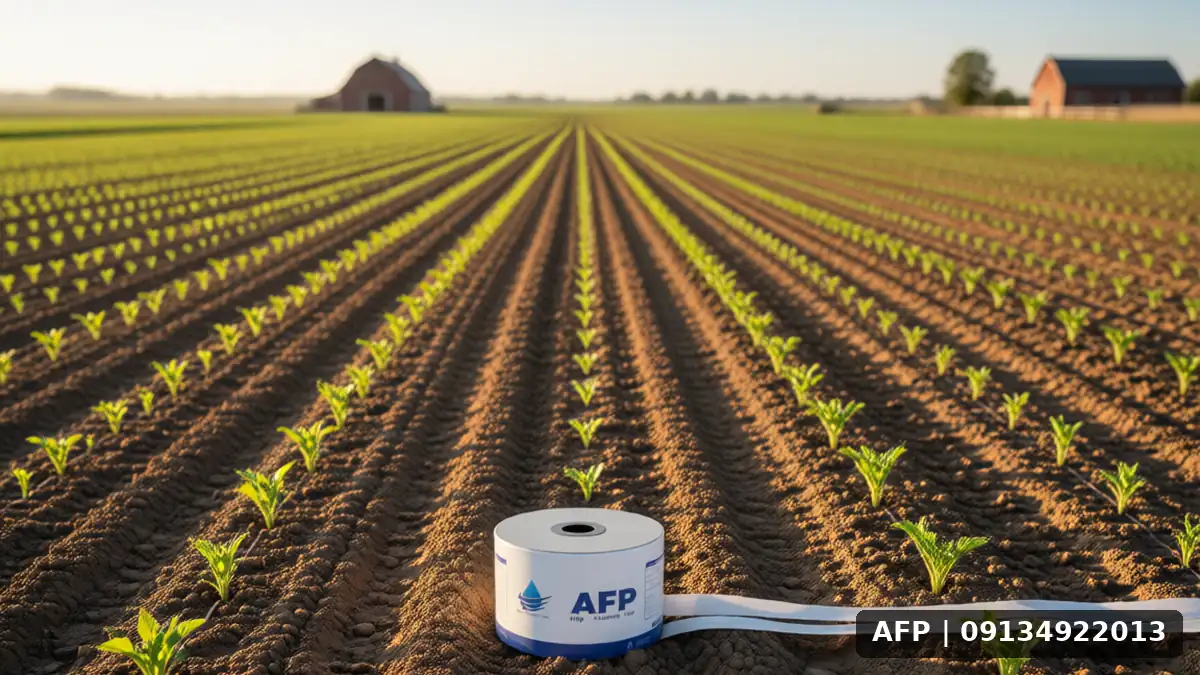
To achieve reduced water stress in fields using drip tape, understanding the methodology behind this system is essential. Drip tape is a drip irrigation system designed for row and dense planting. The key feature is that water is discharged directly into the plant root zone at low and constant pressure. This method helps maintain soil moisture in the ‘wet bulb’ area for the maximum possible time. Strategically, this system confines root activity to a specific soil volume, eliminating the need for extensive root exploration in depth or width. Consequently, plant energy is directed toward growth and fruit production rather than water search. Additionally, drip tape irrigation significantly reduces overall water consumption by minimizing surface evaporation, which is a major competitive advantage in water-scarce regions. To better understand the technical structure of this system, study the components of the drip tape irrigation system will help you become familiar with its parts.
Practical Tips for Reducing Water Stress in Farms Using Tape Drip Systems
In the practical section, there are several key tips that can optimize the effectiveness of this system for reducing water stress in farms using tape drip. This section is structured as a step-by-step guide to allow farmers to use it directly.
1. Precise Adjustment of Operating Pressure
Water pressure in a tape drip system should not exceed the required level. High pressure causes water leakage through the tapes, rapid degradation of the tape, and ultimately increases your operational costs. The ideal pressure is generally between 2 and 3 bar. A pump with a pressure regulator can help ensure this stable pressure. Pressure instability leads to asymmetric water distribution across the farm, which itself constitutes a type of plant stress.
2. Selecting the Appropriate Channel Based on Row Spacing
One of the common challenges is selecting the spacing of tape drip channels. This spacing must be synchronized with the planting row spacing of the crops. The spacing of the tape drip channels should not be closer than the planting row spacing to prevent root interference. Additionally, it should not be so wide that dry zones are created between the rows. As a practical rule, the channel spacing should be 5 to 10 centimeters less than the planting row spacing. To better understand the differences between various types of tapes and select the correct one, Familiarization with Types of Tape Drip is essential.
3. Scheduling irrigation based on crop requirements
Water stress is less of a chronic issue and more of an acute event during critical growth stages. You must adjust your irrigation schedule according to the plant’s growth stage. During the establishment and germination stage, require less frequent and lighter irrigation to prevent seed rot. During fruit set and grain filling, water demand increases sharply; neglecting this stage directly leads to reduced crop quality and yield. Using soil moisture sensors can eliminate guesswork. To calculate water requirements accurately, knowing the full potential yield per hectare can serve as a helpful parameter for estimating total water needs.
4. System maintenance and cleaning
Loose connections and clogged drip lines are major causes of uneven irrigation distribution. If a drip line becomes blocked, crops in that section of the field will suffer from water stress. It is recommended to perform a reverse flush of the system before each growing season to remove sediment and algae. This simple procedure can double the service life of the drip lines and ensure uniform irrigation.
Impact on crop quality and yield
When water stress is properly managed, its positive impact on yield becomes evident. Plants subjected to water-deficit conditions typically produce smaller fruits with softer texture. Additionally, fruit cracking and a reduction in dry matter percentage in seeds are common issues resulting from water stress. Conversely, implementing drip tape systems correctly can lead to a stable and predictable yield while reducing irrigation costs. Economically, this means achieving a higher quality product with better marketability while consuming less energy and water. To optimize overall farm performance, studying the sowing rate of Shahi seeds per hectare: influencing factors and optimization methods can be beneficial.
Frequently Asked Questions (FAQ)
This section addresses common questions farmers have regarding the reduction of water stress in farms using drip tape.
Is the drip tape system suitable for all crops?
No, the drip tape system is optimal for row-cropped plants with high planting density, such as tomato, potato, carrot, and squash. In orchards with large trees and wide spacing, using larger-diameter drip lines with wider spacing is generally more logical.
How can I reduce water stress using drip tape?
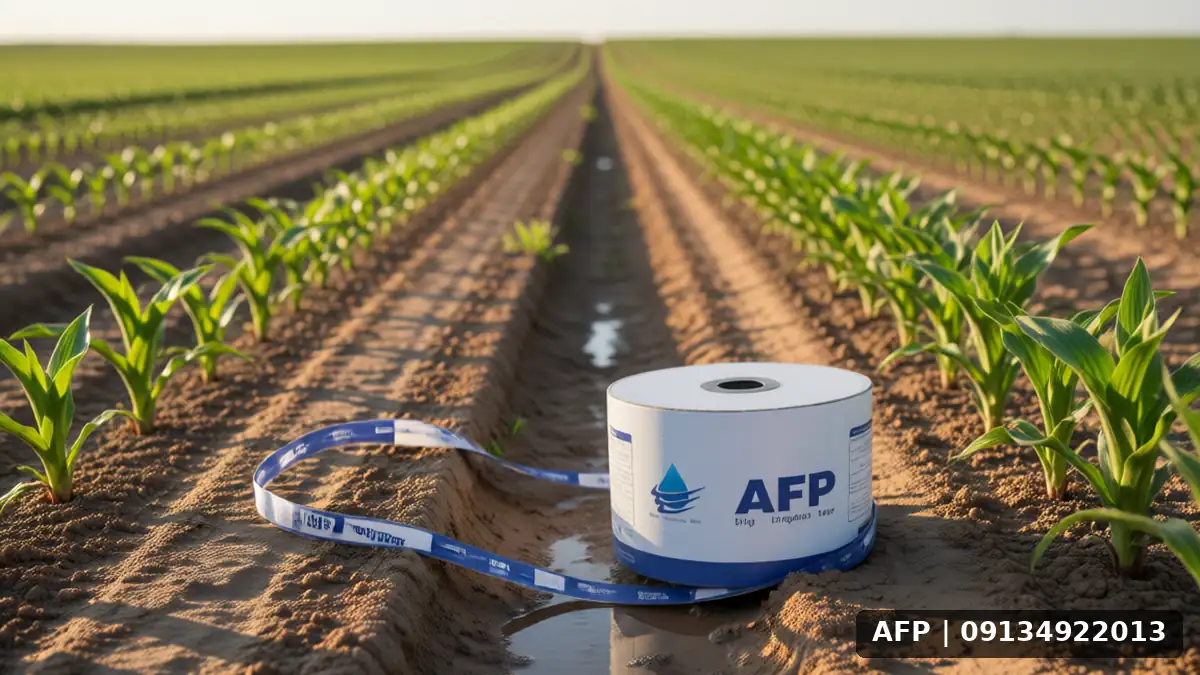
The drip tape system delivers water directly to the root zone with high precision. This method minimizes evaporation, eliminates the need for roots to search for water, and maintains adequate moisture within the soil volume required by the plant. This precise management alleviates physiological stress on the plant.
What is the maintenance cost of a drip tape system?
Maintenance costs are low due to the system’s simplicity and transparency. These costs primarily cover pump energy consumption, occasional system cleaning, and, if necessary, replacement of worn tape. Compared to conventional irrigation, operational costs are significantly lower due to reduced water and labor usage.
Summary and Final Recommendations
Reducing water stress in farms using tape drip is a necessity, not just an option, in water-scarce agriculture. By applying strategic principles such as pressure regulation, selecting the appropriate groove, and precise irrigation scheduling, you can leverage the full potential of this technology. Additionally, proper system maintenance is key to sustainability and long-term cost reduction. Now that you have completed this guide, apply your knowledge in the field and optimize settings through trial and error. A healthy farm with crops free from stress delivers higher-quality produce and better economic returns. This is an informed investment that benefits both the environment and your profitability.
Related Articles: Full Yield of Celery per Hectare: A Comprehensive Guide for Farmers, Related article Related article Related article Related article Related article Related article