Strip-till Green Manure Cost per Hectare: A Comprehensive Economic and Technical Analysis
Introduction to Winter Wheat Cultivation Costs and Drip Lateral Systems
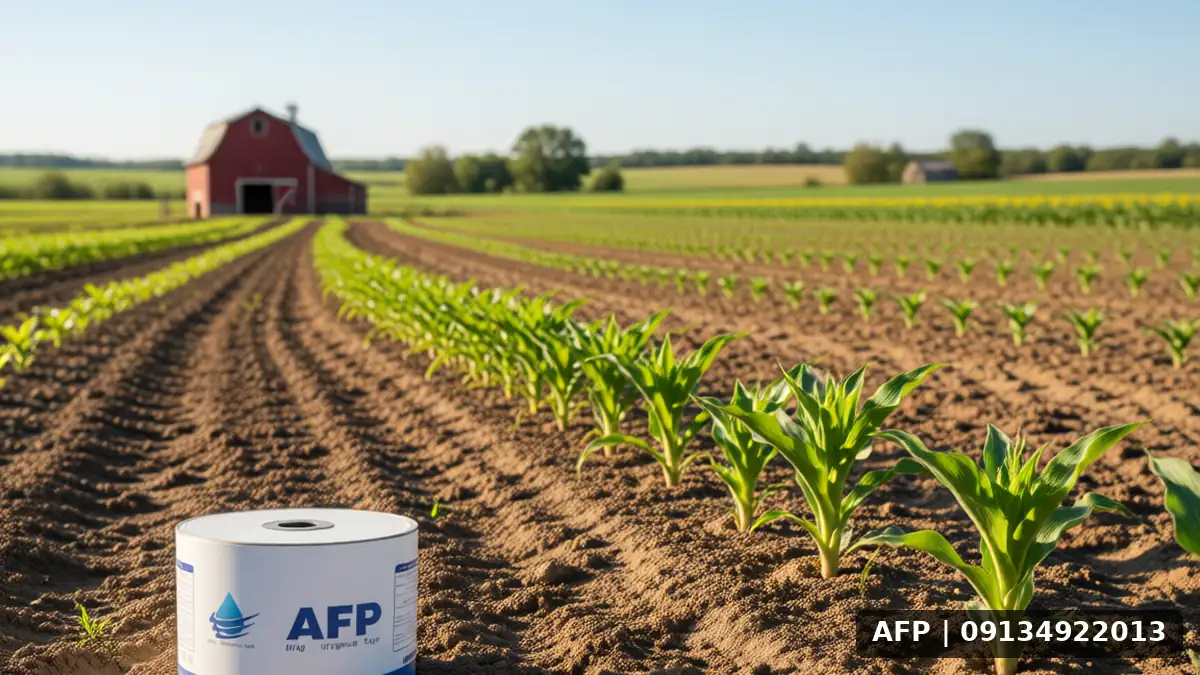
Winter wheat (kalrang) is one of the most cost-effective and efficient methods for soil conservation, moisture retention, and weed management, holding a significant position in sustainable agriculture in Iran. However, selecting an appropriate irrigation system for these low-cost crops presents a unique and distinct challenge. Many farmers are concerned about whether the high cost of modern irrigation systems is economically justifiable for low-value crops like winter wheat. The drip lateral system, due to its lower installation cost compared to standard drip irrigation, optimal water consumption, and the ability to apply liquid fertilizer directly, is considered an attractive and smart option for winter wheat cultivation. It is important to note that Cost of Winter Wheat Cultivation with Drip Lateral Systems per Hectare The cost does not rely solely on the price of the tubing; it also includes expenses for soil preparation, seed purchase, labor, pumping costs, energy, and periodic system maintenance. In the following sections, we will examine these costs in detail to provide a clear and transparent picture of precise budgeting.
Key Factors Affecting Cost Calculation per Hectare
For an accurate cost calculation, multiple variables must be considered. These variables can undergo significant changes depending on the geographic region, soil type, climate, and planting season. Neglecting any of these factors may lead to inaccurate estimates of the final budget.
Drip Irrigation System and Drip Lateral Installation Costs
- Drip Lateral Price: Costs vary based on wall thickness, discharge rate (e.g., 2, 4, or 8 liters per hour), and lateral length. Laterals with lower discharge rates are generally cheaper but require a higher number of units.
- Installation cost: Includes laying the tapes on the seedbed, connecting to the filter, control valves, and pressure gauge. The fee for a specialized technician is also calculated in this section.
- Wellhead and pumping cost: If you use a private well, the cost of electricity or diesel, valves, and the appropriate pump is added to the main budget.
For a better understanding of the appropriate pressure for the correct performance of drip tape, study the article Measuring Drip Tape Water Pressure can be very useful, because incorrect pressure can lead to early system failure and increased costs for replacing tapes. The standard pressure must be adjusted for the selected tape type.
Seed and field preparation cost
Green manure usually consists of a mixture of barley, celery, alfalfa, clover, or green corn. Seed price varies depending on the season, market supply, and seed quality. Seedbed preparation with a tiller or disc is another cost that should not be forgotten. Also, if manual seed scattering or use of a seeder is required, labor costs or machinery rental are included. Precise soil seedbed preparation is of paramount importance for the correct placement of tapes.
Operational costs of irrigation and fertilization
- Water cost: If water is drawn from a well, calculate the cost of diesel or electricity for pumping. Water and energy tariff rates vary by region.
- Fertilizer and pesticide cost: Using foliar fertilizer through tape drip can increase uptake efficiency, but it raises the chemical cost of consumables. Precise nutrient management is key.
Economic benefits of using tape drip in wheat-clover intercropping
At first glance, the installation cost of a tape drip system may appear higher than surface irrigation. However, in the long term, this system creates significant economic advantages. Reducing water consumption by 30 to 50 percent compared to conventional methods lowers pumping energy costs and water conveyance expenses. Additionally, eliminating surface irrigation means reducing the need for precise land leveling and lowering mechanized preparation costs. Furthermore, using tape drip for fertilization reduces irrigation frequency, allowing farmers to achieve more precise crop growth management at a lower cost. This precision in moisture and nutrient management directly leads to better rooting and improved soil cover.
Practical tips for reducing wheat-clover intercropping costs
- Selecting the appropriate type of tape drip: For wheat-clover intercropping, tapes with low flow rates (2 to 4 liters per hour) are generally suitable because the water requirement of clover is lower than that of wheat. Selecting an excessive flow rate increases water costs and causes waste.
- Use of an appropriate filter: Clogging of drip tape caused by suspended particles significantly increases repair and replacement costs. A 120 mesh cartridge filter or a standard screen filter can multiply the system’s lifespan and reduce maintenance expenses.
- Irrigation scheduling: Irrigating during cool parts of the day (early morning or evening) reduces evaporation and improves system efficiency. Avoiding irrigation at midday in summer is essential.
In addition, attention to planting spacing and tape layout is critical. In dense plantings such as barley, row spacing is narrower and tapes must be laid with greater precision. For further guidance on proper layout in dense plantings and forage crops, refer to the guide on Planting spacing and drip tape in forage crops , as the geometric layout principles are similar and can help optimize farm space.
The impact of seed type and crop mix on final cost
The seed mix you choose directly affects growth speed and water and fertilizer needs. A balanced mix that does not have immediate and rapid growth reduces the need for frequent irrigation and lowers energy costs. Also, some seeds have a higher purchase cost but offer greater drought resistance. Cost of cover crop cultivation with drip tape per hectare Selecting local seeds that are compatible with the regional climate reduces costs. Using expensive imported seeds without ensuring compatibility can create high economic risk. Choosing varieties with appropriate performance under local climatic conditions increases confidence in return on investment.
Frequently Asked Questions (FAQ)
1. Approximately what is the cost of drip tape for one hectare of cover crop?
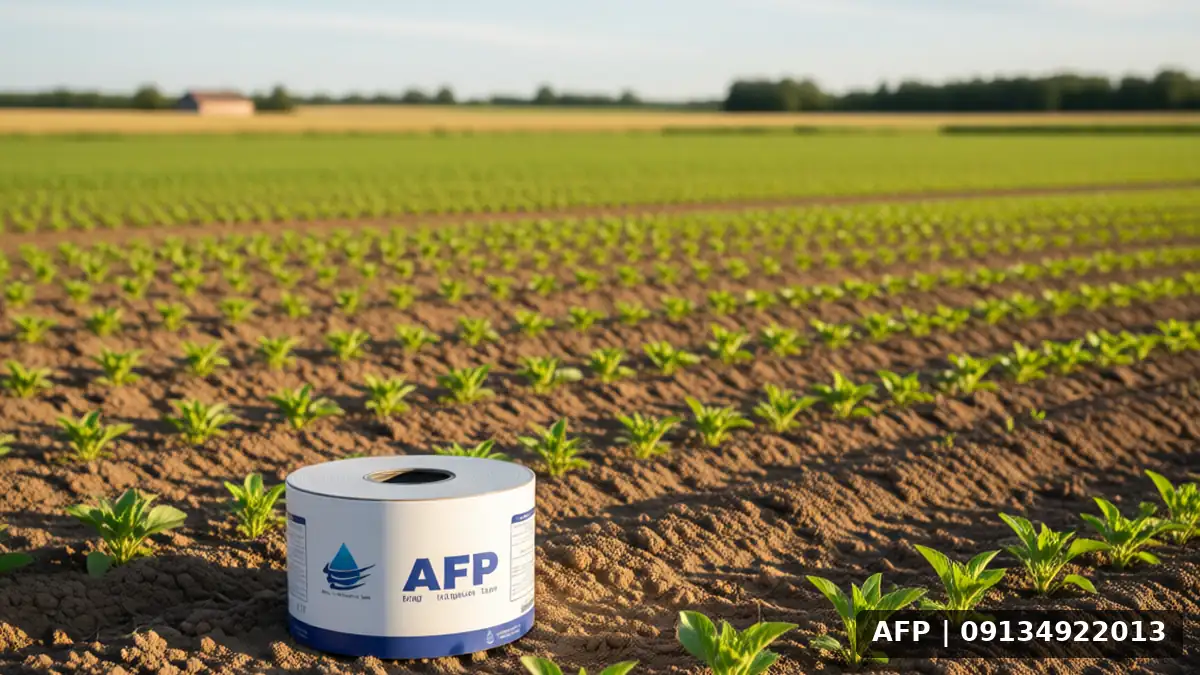
This cost depends heavily on the thickness of the tape, flow rate, and current market price. As an estimate, the cost of drip tape can range from 500 to 1,500 thousand Toman per hectare (depending on market conditions and brand). This is only part of the cost; the cost of the well, pump, and seeds are calculated separately. These figures are approximate and must be updated with current prices.
2. Is drip tape practical for an annual (seasonal) cover crop?
If you use non-perforated or recyclable drip tapes, yes. However, if you leave the tape in the soil, consider the environmental costs and likely collection expenses. Many farmers collect the tape and reuse it for the following season, which drastically reduces costs. Careful collection of tapes after sunflower harvest is the key to economic justification in subsequent years.
3. How can we prevent water loss in the drip tape system?
Controlling the system’s inlet pressure is essential. Excessive pressure causes water to spray outside the tape and be wasted. Pressure below the critical threshold leads to uneven irrigation. Using a pressure regulator and a manometer is recommended. Also, regularly inspect the tapes for breaks or clogs caused by algae or sediment. These actions directly affect the cost of water consumption.
Conclusion and final recommendation
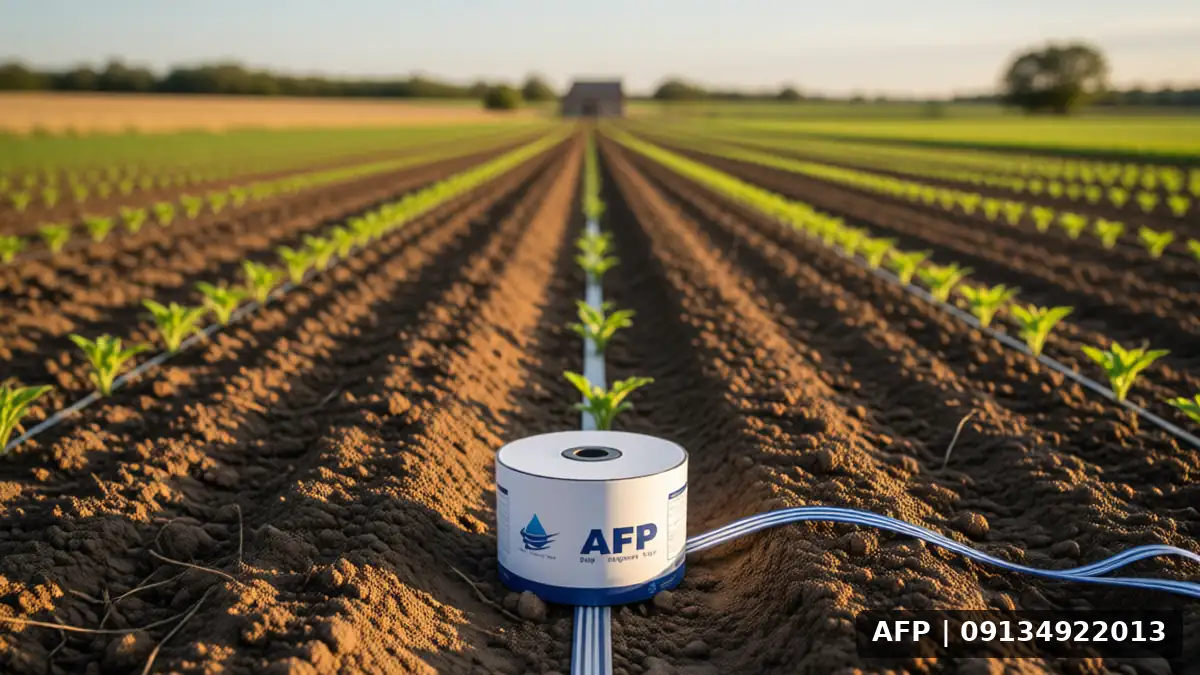
Calculation Cost of sunflower cultivation with drip tape per hectare This is a dynamic process that must be conducted based on local variables and real-time prices of system components. The key to success is a smart initial investment in a high-quality irrigation system, selecting climate-compatible seeds, and precise management of water consumption. By benefiting from the advantages of drip tape, you not only reduce irrigation costs but also ensure final product quality and soil preservation. This approach leads to increased productivity and long-term economic sustainability of the farm.
To learn more about the factors affecting yield and costs across different crop systems, you can refer to the guide on Factors affecting yield per hectare This content can provide a comprehensive view of farm economics and assist with your long-term decision-making.
Related topics: sesame seed quantity per hectare yield tips