Drip Tape Alfalfa Planting Cost per Hectare: Comprehensive Technical Guide
Introduction: Why is drip tape a better choice for alfalfa?
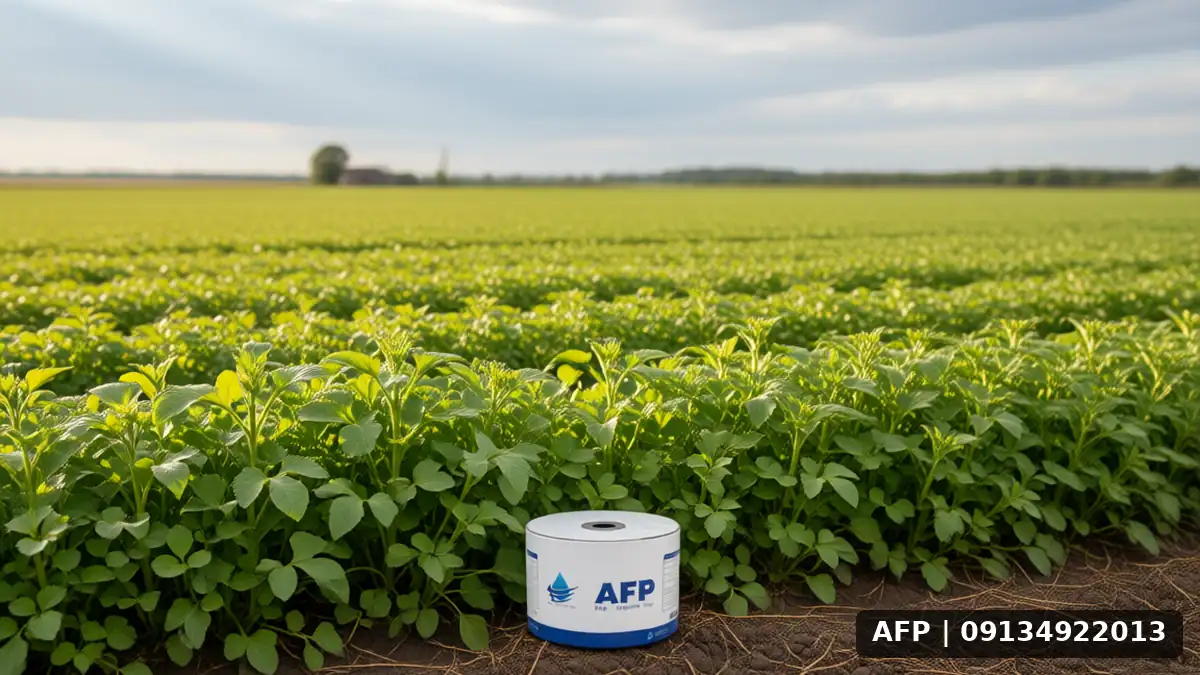
Due to its high water demand and long growth cycle, alfalfa is highly susceptible to drought stress. Drip irrigation systems, especially drip tape, allow farmers to deliver water and nutrients directly to the root zone, thereby reducing water waste. However, many producers are still unaware of the actual implementation costs of these systems on a per-hectare basis. This article focuses on the cost of alfalfa cultivation using drip tape per hectareand examines all technical and financial details to help you create a more accurate budget.
Drip tape is used for alfalfa across various climate zones and soil types due to its high flexibility. The following section first discusses the technical specifications of these tapes and then analyzes both capital and operating costs.
Technical specifications of drip tape and their impact on cost
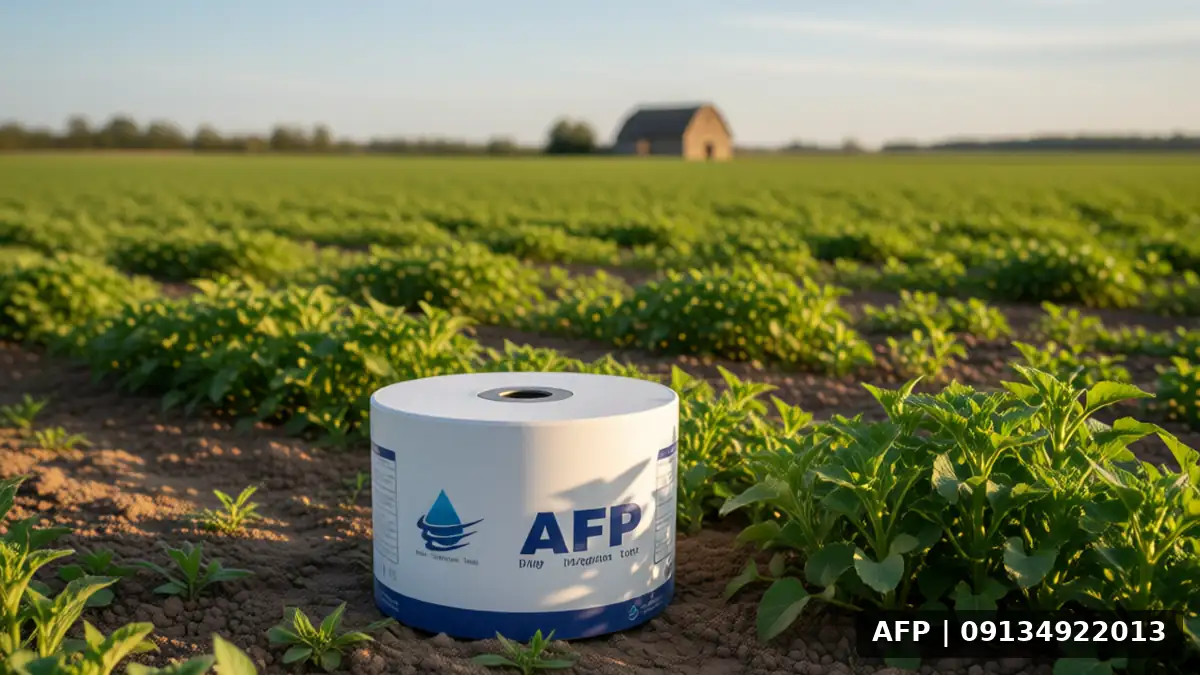
For a precise understanding of costs, it is essential to understand how drip tape operates. These tapes feature small perforations with adjustable flow rates and spacing that deliver water to the soil either intermittently or continuously. The selection of tape thickness, perforation spacing (emitter discharge), and spacing between laid tapes directly influences irrigation coverage intensity, crop yield, and pump energy costs.
- Drip tape types: 16, 19, and 20 mm tapes are the most common models. Thicker tapes have a longer lifespan but entail higher initial costs.
- Discharge rate (flow rate): The appropriate discharge rate for alfalfa is typically between 2 and 4 cubic meters per hour. A lower discharge rate is recommended for fine-textured soils, while a higher rate is advised for sandy soils.
- Tape length: Tape lengths must match the row lengths of the alfalfa planting to minimize waste.
To learn more about the types and technical specifications of these tapes, you may refer to the article on drip tape features and characteristics. Although selecting higher-quality tapes increases initial costs, it reduces future repair and replacement expenses by minimizing grip and clogging issues.
Cost analysis of drip tape alfalfa cultivation per hectare
The total cost of alfalfa cultivation includes fixed (capital) and variable (operating) costs. In this section, we examine costs related to the irrigation system and planting in the form of a hypothetical budget. Note that these figures are general estimates and will vary depending on the region, exchange rate, and current prices of raw materials.
1. Drip tape irrigation system cost
A significant portion of the initial costs is related to purchasing drip tape, connecting hoses, filters, and the control system. In one hectare of row-planted alfalfa, you usually need approximately 400 to 500 meters of drip tape (depending on the row spacing, which is typically 40 to 50 centimeters). In addition to the main lines, you will need connecting hoses and joint fittings. The most common mistake is buying drip tape of an inappropriate length, which leads to wasted costs or the need for splicing, which increases the risk of blockage.
2. Seed and planting cost
High-quality alfalfa seed with high germination rates is a significant expense. The alfalfa seeding rate per hectare typically ranges from 15 to 25 kilograms per hectare. Using large, healthy seeds can reduce initial irrigation costs because the plants germinate faster and establish soil cover. Additionally, intercropping alfalfa with berseem (clover) can reduce maintenance costs and water requirements in subsequent years. In this regard, you can use the guide for Hamedani alfalfa seed amount per hectare which explains standard seeding principles.
3. Water and Pumping Energy Costs
Tape irrigation reduces pumping energy consumption compared to standard drip systems due to its low operating pressure. However, water cost remains a significant variable. Water use efficiency in tape irrigation is typically over 90%, whereas in soil irrigation it may range from 50% to 60%. In the long term, this reduction in water usage will lead to savings in energy and water resource costs.
4. Maintenance and Repair Costs
Tape irrigation systems are susceptible to clogging and rodent attacks. Maintenance costs include filter cleaning, tape inspection, and cutting and splicing damaged tapes when necessary. Some farmers use repair methods instead of full tape replacement to reduce costs. Additionally, measures to prevent rodent damage, such as fencing the field perimeter or using traps, incur costs that should be considered.
Comparison of Tape Irrigation with Other Methods
Is tape irrigation always the best option? Not necessarily. For a better decision, it must be compared with drip irrigation and soil irrigation. Drip emitters offer more flexibility in irrigation scheduling and are more suitable for fruit-bearing plants. However, for large open fields such as alfalfa, tape irrigation is often more economical due to its simpler installation and lower cost per meter of length. Soil irrigation has the lowest initial cost but becomes more expensive in the long term due to water losses and labor costs for leveling.
In addition, selecting the appropriate drip tape is critical. Industrial-grade drip tapes differ in quality from residential varieties. For commercial alfalfa cultivation, it is recommended to use drip tapes with a wall thickness of 16 or 19 mm and a long service life. You can review our drip tape selection guide to compare brands and thicknesses, ensuring you purchase high-quality tape.
Practical tips for reducing alfalfa cultivation costs using drip tape
While costs cannot be entirely eliminated, you can maximize return on investment by observing the following guidelines:
- Principled system design: Before purchasing, map your farm and optimize water distribution paths to minimize the length of lateral pipes. Longer pipes result in greater pressure drop and require a more powerful pump.
- Regular flushing: Clogged drip tapes reduce irrigation efficiency and cause plant stress. Regular filter flushing delays the need for tape replacement.
- Intercropping: Growing alfalfa with melon or two-row barley (with caution regarding fertility) can reduce soil amendment and fertilization costs in the second and third years. Article Yield per hectare Can help improve the understanding of soil productivity and nutritional needs.
- Secondary crops: In some irrigation systems, using drip lines for other crops is also justifiable. Although our focus is on alfalfa, knowing general principles such as Tomato seeding rate per hectare Can improve your understanding of crop scaling, even though tomatoes have completely different requirements.
- Population management: Weed control on drip bands is easier because you can use band herbicide application (phyto), but consider the cost of the chemicals. Also, root-dwelling pests like nematodes proliferate under the moisture accumulation conditions of drip bands; therefore, maintain moisture balance.
For beginner farmers operating in different regions, consulting the experiences of others can be invaluable. For example, the alfalfa seed guide for Tajik farmers although specific to a particular region, well explains the general principles of sowing and population management that are also applicable to alfalfa.
Frequently Asked Questions (FAQ)
What is the cost of drip banding per hectare?
The cost of purchasing drip bands for one hectare of alfalfa varies from [lower bound omitted] to 50 million tomans (estimated for 1402/1403) depending on row spacing and band thickness. This amount covers only the bands themselves; costs for main lines, filters, and pumps are calculated separately. It is recommended to budget an additional 20-30 percent for incidental costs.
Is drip tape suitable for heavy soils?
Drip tape can be used cautiously in heavy soils. In these soils, flow rate (water speed) must be set very low so that water reaches the roots gently and consistently rather than infiltrating deeply. Otherwise, moisture accumulation can cause fungal growth and root diseases. To ensure success, conduct soil tests and consult with specialists.
What is the useful life of drip tape?
With proper maintenance, protection from wildlife, and regular flushing, high-quality drip tapes last 3 to 5 years. Low-quality tapes may rupture within a single irrigation season. Therefore, selecting reputable brands is very effective in reducing replacement costs in subsequent years.
Can one irrigation system be used for multiple crops?
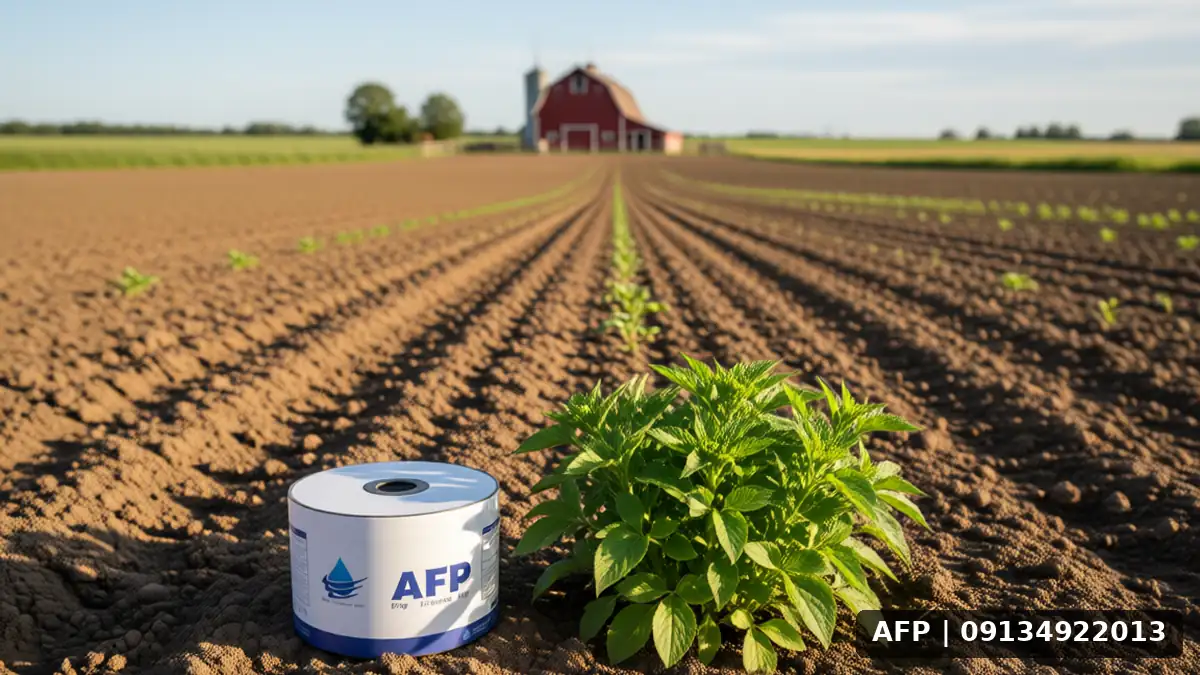
Yes, but with different settings. Alfalfa requires continuous and relatively high water demand during the growing season. If a crop such as forage corn (agricultural) Once established, the drip irrigation system must be adjusted based on its water requirements. The forage corn cultivation guide article explains the details of system calibration.
Conclusion: Is the cost of alfalfa cultivation using drip irrigation economically justified?
Ultimately, although the initial investment in a drip irrigation system may appear higher than soil irrigation, considering water conservation, reduced labor costs, increased crop yield, and lower long-term maintenance expenses, the return on investment (ROI) of this method is highly favorable. The key to success lies in proper system design, purchasing high-quality drip lines, and consistent management.
The cost of alfalfa cultivation with drip irrigation per hectare is a combination of fixed and variable costs that can become a profitable and sustainable crop with proper execution. It is recommended to carefully review the farm map and consult with irrigation specialists before starting cultivation. By adhering to the points outlined in this article, you can eliminate unnecessary costs and achieve maximum alfalfa crop yield.
To gain a better understanding of the nuances in irrigation system management, studying specialized resources and the experiences of other farmers in related fields such as Factors increasing green bean production per hectare can provide you with a broader perspective on the common challenges of small-grain crops that require moisture.