Fruit Orchard Irrigation in Sorghum Cropping: Technical and Operational Prerequisites
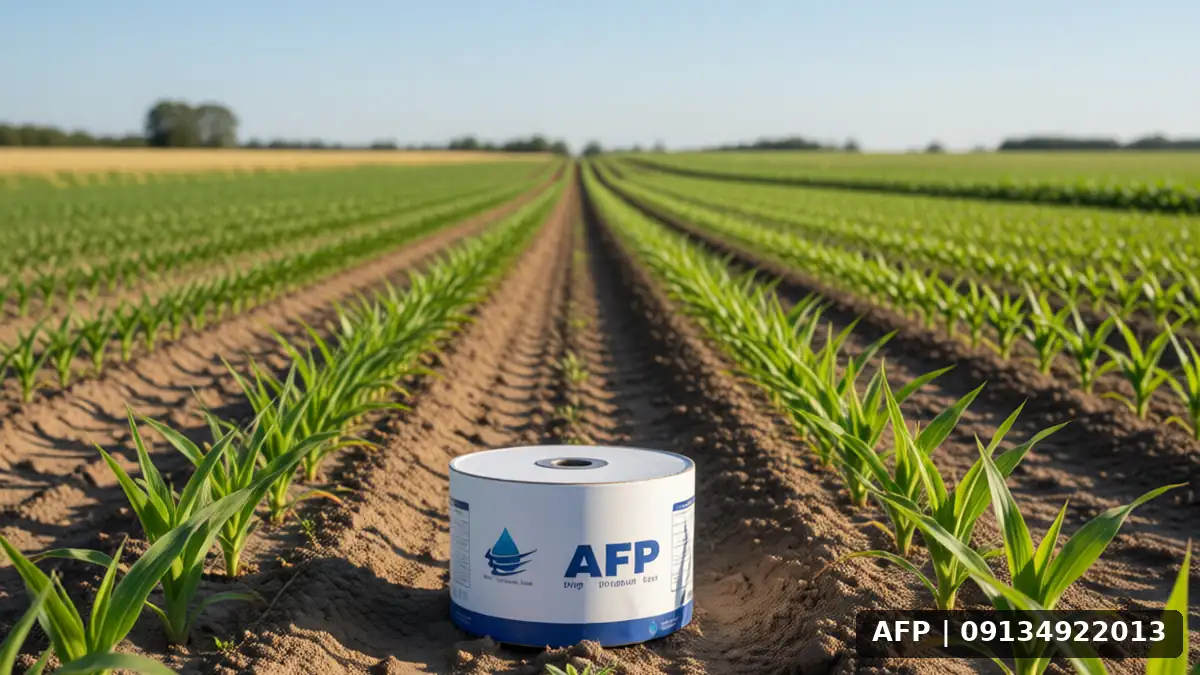
Growing sorghum as a drought-resistant crop with high potential for forage and green feed is an attractive option for modern farmers. However, the main challenge arises when you intend to implement this crop in intercropping with fruit orchards or as part of mixed cropping systems. In this scenario, Sorghum irrigation and water resource management become a sensitive equation that requires high technical precision. Using drip and, specifically, strip-tap irrigation techniques can be an efficient solution for optimal water distribution. In this article, we examine the operational and technical prerequisites of this cropping and irrigation model, emphasizing scientific and empirical principles.
Introduction to precision irrigation systems in intercropping
Precision irrigation systems, such as drip and strip-tap, are based on the principle of delivering water directly to the plant’s root zone with minimal evaporation and soil saturation. For sorghum, which has a deeper and wider root system than many grain crops, the irrigation pattern should not be merely superficial. Combining this crop with fruit orchards, which have deeper roots and different water needs, requires multi-layer planning. The main objective of examining the prerequisites is to ensure that the irrigation system not only meets sorghum’s needs but also prevents damage to fruit trees or creates favorable conditions for weed growth in the inter-tree strips.
h3
Before installing any equipment, a proper understanding of the soil profile and local weather conditions is critical. Sorghum is more sensitive to soil pH than many plants, and nutrient uptake decreases in highly acidic or alkaline soils. Therefore, the first prerequisite is soil analysis This ensures that the bed is suitable for both crops. Additionally, land slope directly affects pressure distribution in the tape drip system; on steep slopes, pressure regulation at the line ends is required to prevent over-spray at the downstream low points.
Technical prerequisites for installing tape drip in orchards
Tape drip is a technique in which water is discharged uniformly through small slits on the tape at low pressure. This method is highly popular in orchards as it allows for the establishment of narrow-strip irrigation patterns. However, when sorghum is intercropped between the strips, care must be taken to ensure the tape drip does not create water channels that could cause glaucous mold and sorghum grain shattering. Selecting the appropriate tape type based on fruit tree radius and sorghum strip width requires precise engineering. In this regard, studying the proper use of tape drip can serve as a good guide for understanding correct installation principles. One common error is using tapes with a very short emission radius, which prevents water from reaching the center of the sorghum row, resulting in relative water stress for the plants.
Integrated management of water and production tonnage
One of the advantages of cultivating sorghum is its rapid growth, which can fill the space between young orchard trees and prevent weed growth. To leverage this advantage, water application rates must be adjusted so that sorghum reaches maximum competitive vigor during the vegetative stage. If irrigation is insufficient, sorghum will lag behind weeds, leading to moisture deficit for the shallow roots of the fruit trees. Conversely, excessive irrigation saturates the subsoil and causes root rot in sensitive sorghum roots. Therefore, precise determination of water requirement Based on the growth stage of each plant, this is the fundamental prerequisite for the irrigation schedule. These calculations are usually performed using Penman-Monteith formulas and data from local weather stations.
The role of water quality and filtration
Drip tape and drip irrigation systems are highly susceptible to clogging due to their small orifices. If you are using deep wells or qanats containing clay sediment, algae, or suspended particles, installing a multi-stage filtration system (multi-disc, basket, and sieve) becomes an unavoidable prerequisite. In orchards where surface water sources, such as rivers or ponds, may contain silt, the risk of clogging emitters, which over time causes uneven water flow, is very high. Regular filter cleaning and periodic inspection of emitters to remove sediment are part of preventive maintenance that should not be overlooked.
Practical tips for field implementation
- Tamping and bed preparation: Before planting sorghum and installing drip tape, the bed must be fully level and free of stones to ensure emitters are placed with uniform pressure. The presence of stones causes water to change direction and form channels.
- Proper spacing: The distance between the drip tape and the sorghum planting row must be such that soil surface wetting in the sorghum root zone is guaranteed. Usually, the balance between water infiltration depth and tape width should be tested with trial trenches.
- Soil moisture monitoring: Using soil moisture probes at different depths (20, 40, and 60 cm) helps you optimize irrigation scheduling. Sudang sorghum wilts under low moisture and suffers from excessive moisture.
- Use of flexible hoses: To ensure adequate pressure transfer to drip lines, using high-quality flexible agricultural hoses can prevent pressure bursts and leaks at connections.
Frequently Asked Questions (FAQ)
Is sorghum compatible with all fruit types?
Sorghum may cause light competition with fruit trees that require high light intensity during their early growth stages due to shading. Therefore, this intercropping is best implemented in orchards with more advanced growth (minimum 3 to 4 years) and for fruit varieties that tolerate partial shade. Additionally, some fruits, such as citrus, are more sensitive to soil acidity, which may be affected by sorghum growth; thus, continuous soil monitoring is recommended.
What is the best season for planting sorghum in a fruit orchard?
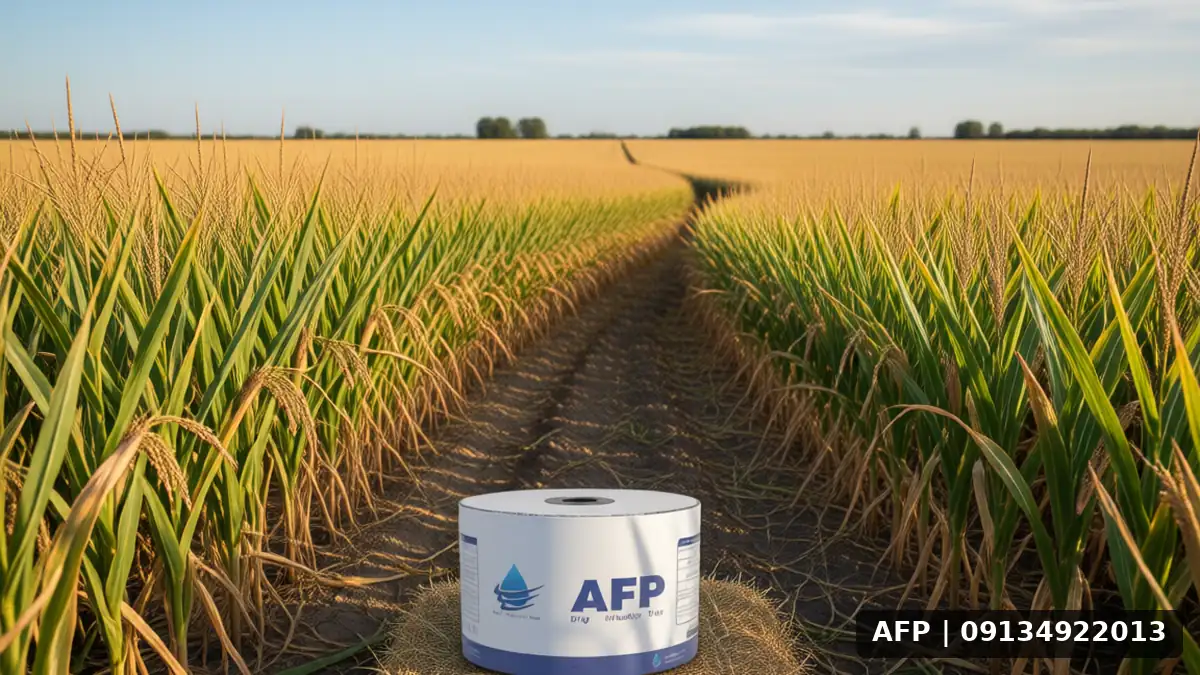
The optimal planting time is the warm seasons of the year (spring to summer) when sorghum grows rapidly and tip-line irrigation systems function effectively. Planting in late autumn is not recommended because cold weather and reduced light may limit plant growth, reducing its effectiveness as forage or cover crop.
Does this system require electrical fertigation?
Yes, tip-line and drip irrigation systems offer excellent opportunities for fertigation. This method delivers nutrients directly to the root zone and reduces losses from leaching due to rainfall. However, attention must be paid to ensuring that the fertilizer solution concentration is appropriate to avoid damaging the tip lines.
What is the difference in irrigating sorghum compared to other cereals?
Sorghum has higher water use efficiency and lower water requirements than corn and wheat in semi-arid conditions, but it offers greater versatility in applications (forage, grain, and cover crop). In drip irrigation, this plant utilizes applied water more efficiently due to its root structure. For a more precise comparison of grain yields per unit area, you may refer to articles on lentil tonnage per hectare or similar studies on other cereals to understand yield differences under identical irrigation systems.
Conclusion
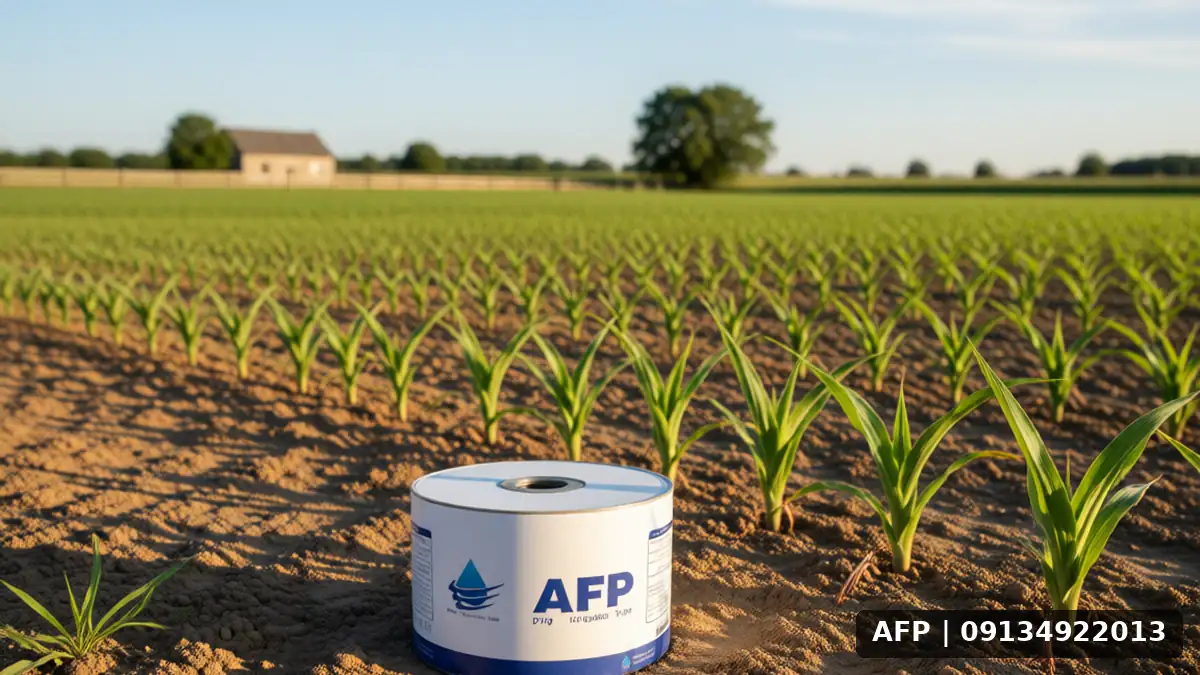
Successfully implementing sorghum cultivation in fruit orchards and utilizing drip irrigation systems transforms an operational opportunity into an engineering necessity. Key prerequisites include accurate soil analysis, appropriate selection of filters and emitters, and integrated water management based on growth stages. By adhering to the practical guidelines mentioned and maintaining continuous monitoring, farmers can simultaneously achieve two goals: increasing fruit production and generating income from sorghum sales or using it as cover. It is recommended to consult with technical experts in this field before purchasing equipment and to refer to more specialized articles if system stability adjustments are required. As supplementary reading, a guide on lentil seed rate per hectare can serve as a model for the level of calculation accuracy required for grain cropping under similar conditions.
Related Articles: Red bean seed rate D8AFD8B1 per hectare, Irrigated wheat yield D8AFD8B1 per hectare, Fava bean seed rate per hectare + factors affecting rate determination