Drip Irrigation in Parsley Cultivation: Comprehensive Guide to Applications and Practical Tips
Introduction to the Importance of Drip Irrigation in Parsley Production
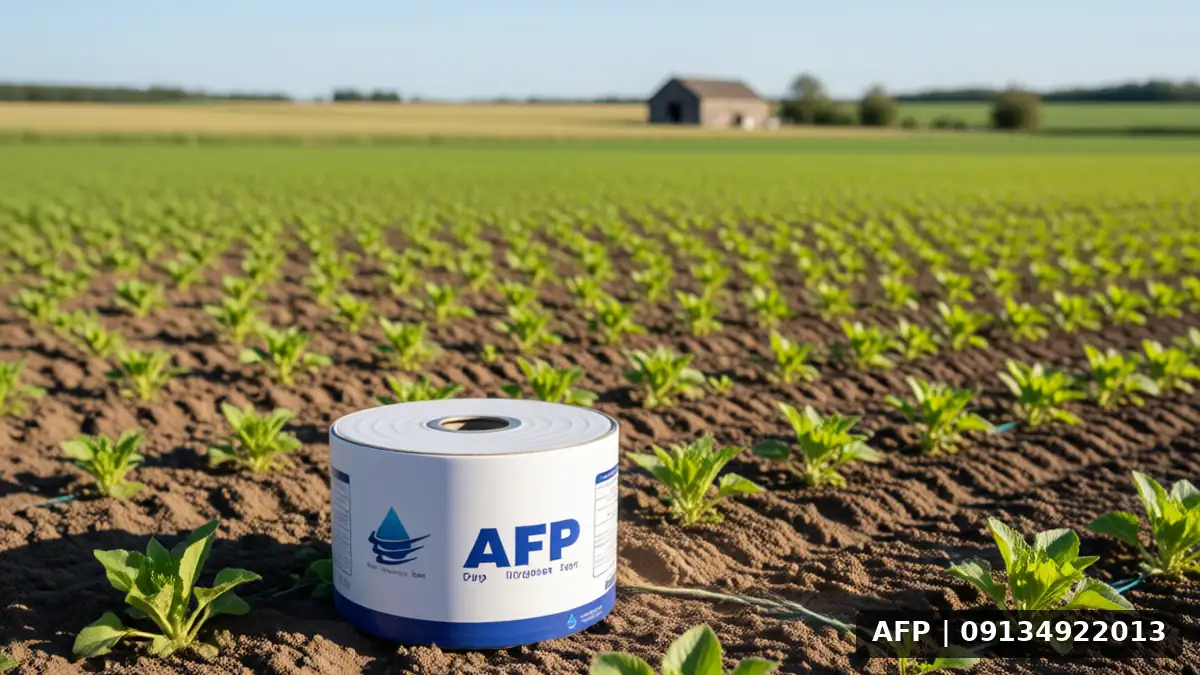
Parsley (Petroselinum crispum) is one of the most popular leafy vegetables, whose cultivation has gained special significance due to high demand in domestic and export markets. One of the main challenges in parsley production is the continuous need for adequate root moisture and preventing leaf curling caused by fungal infections. Drip irrigation, as one of the most efficient methods for managing water and plant nutrition resources, plays a vital role in the proper cultivation of this plant. By utilizing modern technologies such as Tape Drip and drip systems, farmers can reduce water consumption while positively impacting crop yield and quality. The goal of this guide is to provide specialized and practical information for optimizing the parsley cultivation process, with a focus on precise root and nutrition management. It also examines how correct settings of spacing and flow rate can prevent unnecessary costs.
Why is the Drip System Ideal for Parsley?
Parsley roots are relatively shallow and are highly sensitive to rapid moisture changes. Surface or rainfall irrigation often leads to uneven moisture in the topsoil layer, which can cause root rot or excessive drying. In contrast, drip irrigation, by delivering fertigation or pure water in direct proximity to the roots, creates ideal conditions for nutrient and water absorption. This method maintains soil moisture at the proper depth while keeping the soil surface slightly drier, which protects against weed growth and fungal diseases. Therefore, using this system is not only an economic choice but a technical necessity for high-quality crop production.
Specialized Applications of Tape Drip in Parsley Drip Irrigation
One of the most advanced and cost-effective methods implemented in vegetable farms is the use of Drip Tape Drip tape refers to narrow hoses equipped with emitters or drippers positioned along their length, delivering water simultaneously to the ground in a drip pattern. In parsley cultivation, which is typically performed in rows, installing drip tape between rows or subsurface is highly effective. Due to its high flexibility and low installation cost, it is the preferred choice for many growers. Its ease of replacement upon damage also simplifies system maintenance. Another application of this technology is reducing pressure on the irrigation network; the operating pressure of drip tape is lower than that of conventional drip systems, resulting in lower energy consumption for pumps. To better understand how network pressure affects system stability, you can review the article on drip tape discharge to ensure flow stability at the end of the line.
<>
Impact of Emitter Spacing on Parsley Root Establishment
Selecting the appropriate Emitter Spacing is a critical parameter. In parsley, a spacing of 10 to 15 centimeters is generally recommended to ensure uniform moisture distribution in the pot or planting row. If the spacing is too wide, dry spots form between emitters, leading to inconsistent root growth. Conversely, excessively close spacing can cause fungal diseases due to excessive saturation. Therefore, finding a balance between emitter spacing and discharge rate is key to success at this stage. Farmers can determine the optimal combination for their specific soil type and climate by conducting initial tests on a small scale.
Practical Tips for Implementing a Drip Irrigation System
Piping and Operating Pressure
Before installing the drip tape, the main pressurized water network must be properly designed. Uneven pressure at the start and end of the drip tape hose causes heterogeneous flow rates, resulting in some parts of the field receiving insufficient water or excessive pressure. For parsley farms, it is advisable to use main pipes made of HDPE with an appropriate diameter to minimize pressure drop. Additionally, installing a suitable filter and debris catcher is essential to prevent clogging of the emitters. If fertigation is required, the use of a hopper or precise dosing equipment is recommended. To determine the exact required pressure, you can refer to The equivalent wall thickness of the drip irrigation tape to ensure that the wall strength is compatible with the operating pressure.
Irrigation Scheduling and Moisture Management
Parsley is a plant that requires high moisture during the early growth stages, but reducing moisture in the final stages can help maintain stem and leaf quality. Using electric timers or smart hoses aids in more precise time management. In spring and late summer, the number of irrigation sessions may be daily or every 12 hours. In the cold season, the interval between irrigations increases. A critical point is to avoid irrigation during the peak heat hours of the day, as this increases water evaporation and plant thermal stress. The best times are early morning or late afternoon.
<>
Fertigation
One of the major advantages of drip irrigation is the ability to apply fertilizer with water. For parsley, it is recommended to use water-soluble fertilizers containing nitrogen, phosphorus, and potassium in appropriate ratios. Since parsley is sensitive to nitrogen and excessive consumption can reduce disease resistance, therefore, mild solutions should be used. Additionally, adding amino acids to the solution enhances nutrient uptake. Always maintain the pH of the fertilizer solution between 5.5 and 6.5 to prevent nutrient precipitation in the drippers. To learn how to accurately calculate the final product consumption rate, the topic of solution quantity consumption is a good reference that helps in better understanding the water-to-fertilizer ratio.
Prevention of common issues in parsley irrigation
Uneven water absorption and dripper clogging
One common issue in tape drip is uneven water absorption (Clogging), where suspended particles in the water clog the small holes of the drippers. To prevent this problem, using mesh filters with a 100 or 200 mesh size is essential. As a complementary solution, periodic use of specific acids or anti-scalants can prevent scale formation in the drippers. Additionally, regular checks of the output pressure at the end of the line serve as a good indicator for detecting clogging. If the flow rate at the end of the hose is significantly lower than at the beginning, it indicates clogging.
Side effects on soil and diseases
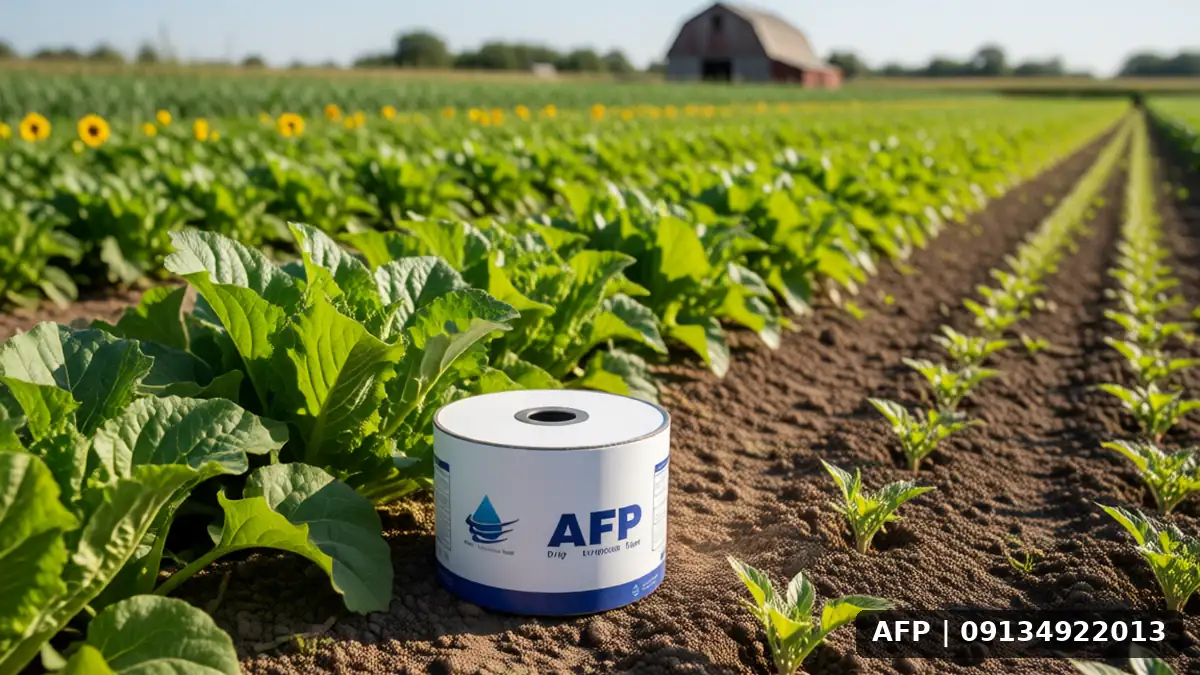
Drip irrigation concentrates moisture in the root zone. While effective, this concentration can create favorable conditions for mold and soil-borne fungi. To mitigate this risk, crop rotation and adequate field ventilation are recommended. Additionally, temporarily applying sprinkler irrigation (if necessary) can help distribute soil surface moisture evenly and prevent root saturation. Continuous monitoring of root and leaf health during the early days after planting helps identify issues early.
<>
Frequently Asked Questions About Drip Irrigation for Parsley
What should the row spacing be for parsley in strip irrigation?
The standard row spacing is typically between 20 and 25 centimeters. The irrigation strip should be placed exactly in the middle of these rows or sub-surface at a depth of 5 to 10 centimeters below the soil surface. This arrangement ensures uniform moisture coverage and allows plants to benefit fully from nutrient sources. Adjusting the spacing based on pot size or growth space in trays is also important.
How can I prevent clogging of the drippers?
The best method is to upgrade the water treatment system before it enters the drip line. Disk filters are recommended for water with low turbidity, while mesh filters are advised for water with higher suspended solids. Additionally, periodic flushing of the system with a strong water flow or disinfection with chlorine prevents the accumulation of biofouling. Maintaining appropriate pressure and avoiding excessive pressure also extends the lifespan of the drippers.
Can drip irrigation be used in place of full flooding in some cases?
Yes, in specific conditions such as cultivation in closed beds or plastic pots where surface flow is controlled, drip irrigation can replace sprinkling. However, in large open farms, combining drip irrigation with light sprinkling is sometimes beneficial to provide surface moisture for new leaf growth. The balance between these two methods must be adjusted based on the specific farm conditions.
Conclusion and future recommendations
The proper implementation of drip and tape-line irrigation in parsley cultivation is a process requiring precision and continuous monitoring. From selecting the appropriate emitter and spacing to fertilizer management and water treatment, each element plays a vital role in final crop yield. With a deeper understanding of water flow physics in soil and plant drainage needs, farmers can utilize their water resources most effectively. It is recommended to conduct small-scale pilot tests before system installation to determine optimal parameters for local conditions. Additionally, leveraging scientific data and comprehensive guides, such as the Yield per hectarecan significantly aid economic planning and productivity evaluation. Ultimately, relying on new technologies and scientific knowledge is the key to successful production of high-quality vegetables. By following these principles, you can enjoy fresher, greener products with better shelf life.
Related articles: Chard yield per hectare