Triticale Seed Rate per Hectare: A Complete Guide for Farmers and Irrigation Professionals
Introduction: The Importance of Accurately Determining Triticale Seed Quantity
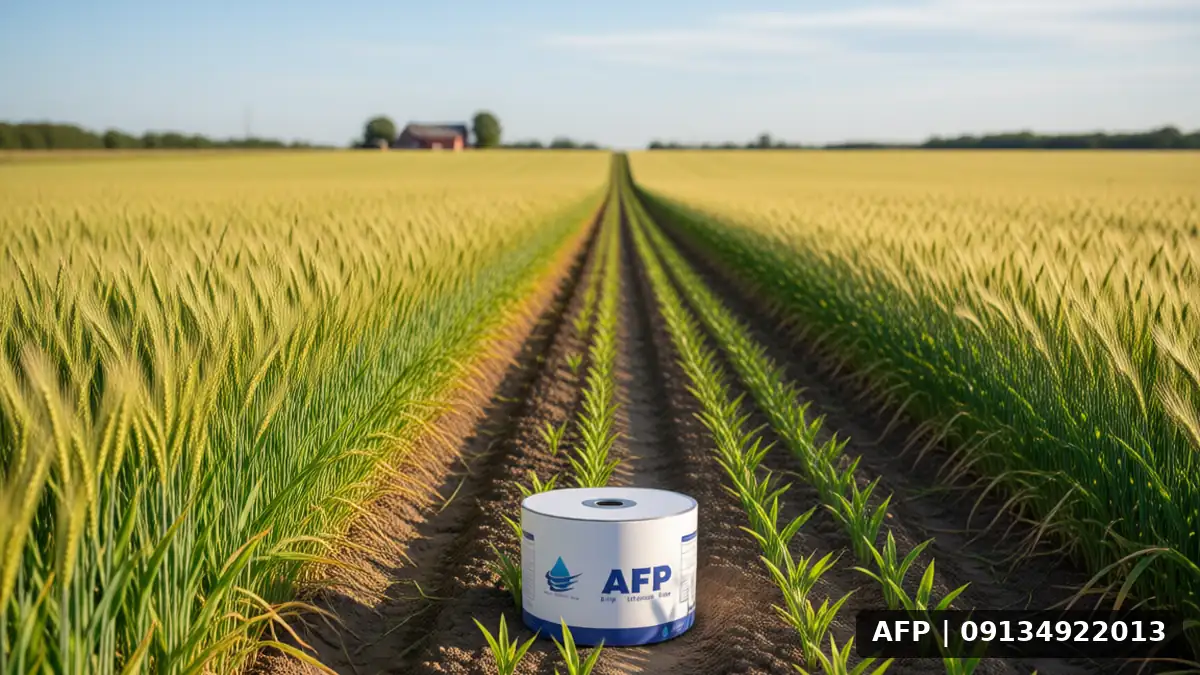
Triticale (Triticale) is a crop that combines wheat and rye, attracting the attention of farmers due to its high adaptability to various climatic conditions. One of the most critical parameters in cultivating this crop is the amount of triticale seed per hectare . Incorrect determination of this amount can lead to excessive root competition, reduced grain size, and ultimately a severe decline in economic yield. On the other hand, an insufficient seed rate decreases crop cover and allows for the growth of weeds. Therefore, striking a balance between seed density and available growing space is the first step in establishing a successful crop.
In modern agriculture, it is not just seed density that matters; rather, the regular distribution of moisture and liquid nutrition through tape drip irrigation and systems such as drip irrigation plays a clarifying role in optimizing root growth. The coordination of these two factors (seed sowing and irrigation) forms the foundation of a dynamic and high-yielding field. When the irrigation system alleviates root stress, the plant has greater capacity to convert sunlight into biomass, resulting in higher yields even at moderate density levels.
Factors Influencing the Determination of Triticale Seed Quantity
There is no fixed or absolute value for the triticale seeding rate per hectare that applies universally to all conditions. This value is a function of several key variables, which are examined below:
1. Climatic and Regional Conditions
In cold or arid regions where temperature and moisture stress exist, slightly higher seeding rates are generally recommended to prevent a final deficit of healthy seedlings. Conversely, in temperate regions with adequate rainfall, lower densities may be more efficient due to better tiller development per plant. Climate directly affects the growth duration and evapotranspiration rates. To better understand the impact of climate on yield and moisture requirements, consulting a Guide to Seeding Rates per Hectare may be useful. Additionally, in areas with extreme temperature fluctuations, selecting a variety with higher tolerance can reduce the need for higher planting densities.
2. Seed Quality and Thousand-Grain Weight
Triticale seed varies in thousand kernel weight (TKW). If your kernels are heavier, you need less volume to achieve the desired density. Always measure TKW before sowing and adjust seed rates accordingly. Lower-quality seeds with uneven moisture may require greater adjustments in the final calculation to prevent sudden density loss after planting.
3. Sowing Mechanization
The use of precision seeders compared to manual broadcasting or older planters significantly increases distribution accuracy. This allows for a reduction in triticale seed amount per hectare by up to 10 to 15 percent, as it prevents losses caused by uneven distribution and seed clumping in specific areas. Mechanical accuracy ensures each plant is equally spaced from its neighbors, reducing competition for resources.
Role of Drip and Tape Irrigation Systems in Optimizing Seed Density
One of the key advantages of drip and tape irrigation is precise control of soil moisture in the root zone. For triticale, the spacing between tapes or emitters must be coordinated with seed rates. If the tape spacing is 60 centimeters, seed rates can be adjusted within this range to ensure roots have full access to moisture. This coordination prevents intense competition for water among roots, even at higher densities.
Pressurized irrigation allows plant roots to grow densely, enabling uniform water and nutrient uptake. This is especially in hot, dry regions with high water stress, where it is critical. Using tape lines helps prevent water waste and excessive weed growth between rows without compromising seed density. Additionally, weed control via drying of the inter-band zones compensates for moisture and light deficiency for the main crop.
Operating protocol: Calculating Triticale seed rates
For accurate calculation of the Triticale seed quantity per hectare, use the following formula and steps:
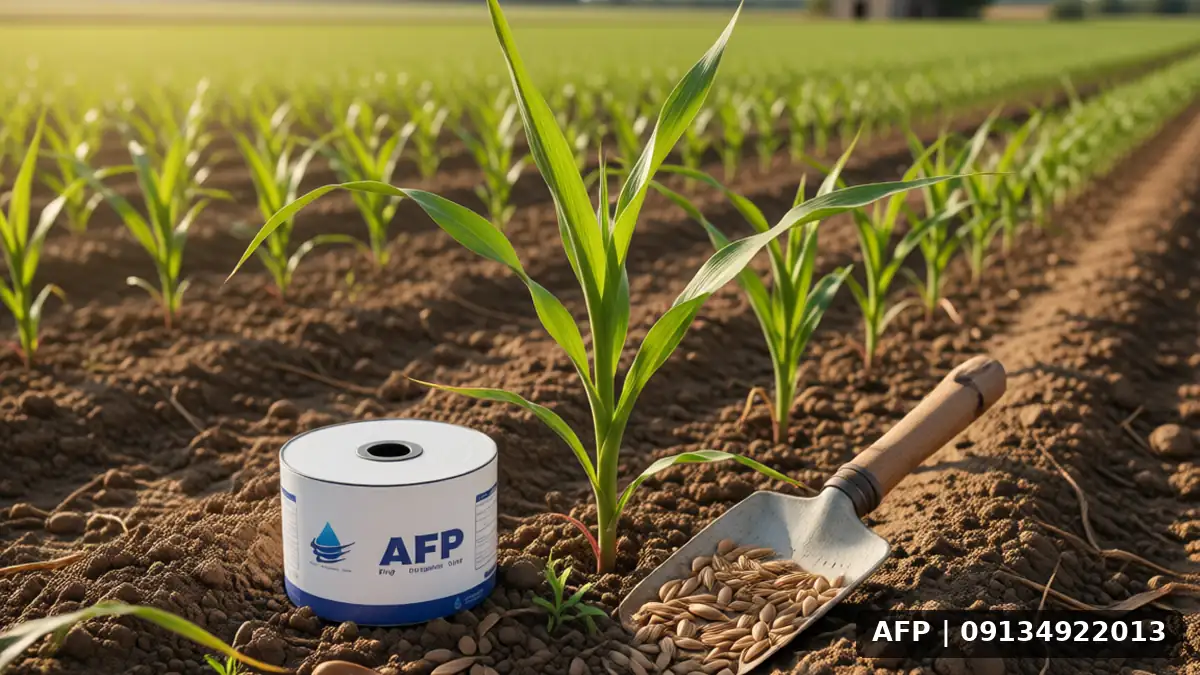
- Determine target density: Based on regional conditions and production targets, specify the final plant density (e.g., 350 to 400 plants per square meter).
- Calculate seed dosage: Seed dosage = (Target density × 10,000 square meters) ÷ (Thousand-grain weight × 1000). This calculation gives you the seed dosage per hectare. If the germination percentage is below 100, you must divide the calculated value by a correction factor.
- Mark drip lines: Ensure that the drip line spacing aligns with the seed dosage to ensure complete root coverage of the applied moisture.
For comparison with other oilseeds and similar crops, you can refer to the article on seed quantity per hectare for sunflower to better understand differences in planting methods and irrigation requirements. This comparison helps you make better decisions for farm resource management.
Practical tips for improved efficiency
- Packaging and Seed Quality: Always use seeds with a label and a germination rate above 95%. High-quality seed requires lower initial density.
- System Cleanliness: In drip tape systems, protect pipes from sediment and clay buildup to ensure uniform moisture flow and prevent blockages.
- Planting Time: Triticale seed rate per hectare In late plantings, the rate is slightly lower than in early plantings because climatic stresses and growth opportunities for late-sown stands are reduced.
- Synchronization with Fertilization: In trickle irrigation systems, soluble fertilizers can be added alongside the irrigation water (fertigation). This is particularly effective at medium planting densities, as it ensures uniform plant growth and optimizes nutrient uptake.
Frequently Asked Questions (FAQ)
Does trickle irrigation affect the seeding rates of triticale?
Yes. By creating a moist zone adjacent to the plants, trickle irrigation allows for higher seeding rates in dry regions, as the risk of water stress is reduced. Aligning the drip line spacing with the seeding pattern is key to this success. Without this coordination, even an appropriate planting density can result in yield loss because plants cannot access water.
What is the optimal seeding rate for triticale per hectare?
Typically, a range of 20 to 35 kilograms per hectare is recommended, but this figure strictly depends on your thousand-kernel weight, soil conditions, and sowing setup. To ensure accuracy, always use calculations based on seed weight and actual germination percentage. Relying on approximate numbers without local review can lead to unnecessary costs.
How can I align seeding rates with the irrigation system?
By positioning the trickle lines at the distance where the main triticale roots develop (usually 40 to 60 centimeters from the plant center), you can optimize seeding rates. This layout ensures that roots directly encounter moisture reserves when seeking water. For a comprehensive guide on installation and maintenance of this system, refer to the drip line guide.
Summary: Optimizing the Growth Path of Triticale
Accurate Determination Triticale Seed Quantity per Hectare It is not a fixed process but an intelligent decision that requires attention to local factors such as climate, soil, and seed type. By utilizing drip and trickle irrigation systems, farmers can reduce one-way seed usage while optimizing moisture management to increase the growth efficiency of each plant. The synchronization of these two elements not only leads to increased yield but also reduces production costs (fertilizer, seed, water) and improves the sustainability of triticale cultivation. Ultimately, a farm where seed and water are in complete harmony will have the highest long-term economic efficiency.
For further studies on other crops and seed yields, you can also review the guide on bean seed quantity per hectare to better understand the differences with grain crops and their specific needs. These resources are helpful for developing comprehensive knowledge in farm management.
Related Articles: komil rohnomoi lentarii sabzi fosila foyda