Tijp Line Hemp Cultivation Cost per Hectare: Economic and Practical Guide
Introduction to the Importance of Drip Tape Irrigation in Hemp Cultivation
Hemp is a significant crop in the oil and pharmaceutical industries, possessing specific climatic water requirements. The use of modern irrigation methods like drip tape can play a vital role in reducing the cost of hemp cultivation per hectare using drip tape and increasing economic efficiency. By minimizing water loss and ensuring precise moisture distribution, farmers can benefit from lower energy costs and reduced consumption of natural resources. This method effectively boosts economic yield in water-scarce regions and mitigates drought-related risks. Additionally, the application of this technology in other crops such as the yield of rosemary per hectare also demonstrates the extensive potential of this system in improving agricultural performance.
In the following section, we examine various aspects of this method, including technical layout, seed quantity calculation, and key points for reducing operational costs. Our goal is to provide clear and practical information to facilitate better decision-making at the farm level. This approach also helps farmers leverage successful experiences from others, such as the management of Drip irrigation tape in Kirkuk: sustainable agricultural solutions to adopt more sustainable solutions for their specific environments.
Factors Influencing the Cost of Hemp Cultivation Per Hectare Using Drip Tape
To better understand the cost of hemp cultivation per hectare using drip tape, it is essential to distinguish between technical and operational parameters. These costs include equipment purchases, installation expenses, and recurring costs during the growth period. The following factors play a crucial role in determining the final amount:
- Material and Type of Drip Tape: Domestically and internationally produced drip tapes differ in durability and cost-effectiveness. Polyethylene tapes with appropriate thickness are generally considered the most cost-effective option. The correct choice of pipe material directly affects the depreciation rate and replacement costs in subsequent years.
- Seed Planting Density: Generally, the amount of hemp seed per hectare directly impacts the required length of the drip tape and the plant growth space. Properly determining row and plant spacing prevents resource waste during irrigation. To better understand the relationship between density and performance, one can also refer to similar examples in other crops; for instance, how to determine tikmi nuki dimi dar yak hektar or managing density in other crops follows similar principles.
- Irrigation system pressure: Drip tape is a low-pressure system, but proper filtration and pump design prevent repair costs and downtime. Maintaining pressure balance is the key to reducing energy consumption and extending the useful life of equipment.
Comparing installation costs with traditional methods
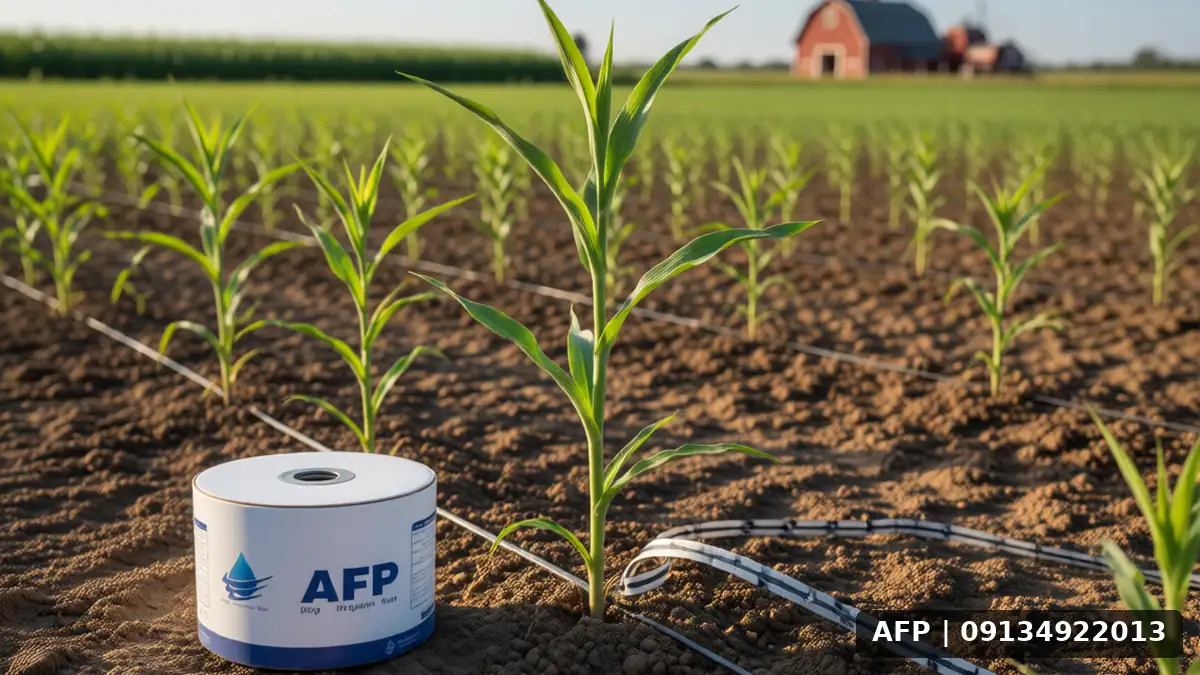
When drip tape is compared to flood irrigation or sprinklers, clear differences in water consumption management are observed. Although the initial investment for purchasing pipes and technical components may be higher, it offers high economic justification over the long term by reducing water consumption to significant percentages. These aspects must be considered in the calculation cost of hemp cultivation with drip tape per hectare when purchasing equipment. Also, proper evaluation of sunflower seed quantity per hectare and other crops can help create an intercropping pattern and optimize overall farm management.
Practical steps for cultivation and correct drip tape layout
To achieve the best results and reduce cost of hemp cultivation with drip tape per hectare, adhering to execution principles from the beginning of the process is vital. An incorrect layout not only causes the irrigation system to underperform but can also damage plant roots and stems, putting overall efficiency at risk. This process includes precise stages of preparation, sowing, and connecting the irrigation network, each requiring special attention.
- Field surface preparation: The field surface should be plowed, harrowed, and leveled to ensure uniform water flow. Any bumps or depressions cause uneven droplets in the tape. In some crops such as squash seed rate per hectare + factors affecting density, surface levelness is doubly important because the deep roots of this plant require greater soil stability.
- Selecting the appropriate tape spacing: The distance of the drip tape from the seed row should usually be less than half a meter to completely cover the plant’s Wetted Diameter. For hemp, which has shallow roots, placing the tape at the proper depth is very important.
- Flow rate testing and adjustment: Before final planting, it is recommended to run the system with water to ensure emitters are not blocked and adequate pressure is maintained at the end of the line. This prevents losses and rework, and ensures the drip tape flow rate exactly matches the manufacturer’s technical specifications.
Monitoring the drip tape flow rate across different seasons and based on soil characteristics enables optimization of the irrigation schedule. Utilizing local soil data allows for more precise water usage control, preventing extra costs. This detailed monitoring process is similar to managing onion yield per hectare iraq production, where precision in irrigation directly affects the final yield and crop quality.
Key tips for optimizing operational costs
After the end of the planting and layout period, a significant portion of the cost of growing hemp with drip tape per hectare attributed to maintenance and irrigation execution costs. At this stage, following a few simple guidelines can make a noticeable difference in the final budget:
- Effective filtration and sedimentation: Due to the small aperture of drip tape emitters, more precise filtration is required (typically involving the removal of fine particles and sediment). Initial investment in an appropriate filtration system reduces repair and replacement costs for blocked pipes in the following season.
- Irrigation at appropriate pressure: Excessive pressure causes premature wear of the tape and frequent replacement costs. Adjusting pressure valves to maintain ideal pressure along the entire length of the furrow prevents deterioration and leakage.
- Pest and root disease management: Drip tape irrigation delivers moisture directly to the root zone. If the plant suffers from fungal root diseases, pesticide costs and crop losses will increase. Proper moisture management prevents these unnecessary expenses.
Answers to frequently asked questions about drip tape and hemp
Is drip tape suitable for heavy soils?
Yes, but layout spacing and irrigation timing require more precise adjustment. In heavy soils, permeability is lower, and it may be necessary to adopt shorter and more frequent irrigation cycles to prevent hemp roots from experiencing water stress. These settings impact the current energy pumping costs.
How can one calculate whether drip tape usage is cost-effective?
Accurate cost calculation requires considering how to extend the service life of drip tape . You must divide the initial purchase cost by the number of years the drip tape can be used and compare this with the high water and energy costs of conventional systems. In many water-scarce regions, this method is economically viable.
Does hemp cultivation require a specific regulator for drip tape?
No, drip tape typically consists of connected, integrated plates starting from a central point that automatically distributes pressure. However, using a central pressure regulator to adjust the overall system can prevent excessive pressure at the tape’s start and ensure uniform irrigation throughout the furrow.
Conclusion and economic outlook
In conclusion, the cost of hemp cultivation with drip tape per hectare is not a fixed, uniform figure but a combination of local variables, soil type, water resources, and the quality of selected equipment. By adopting a practical approach and focusing on proper layout, filtration management, and precise yield testing, it is possible to simultaneously improve hemp product quality and reduce operational costs. It is recommended to conduct small-scale trials on a section of the land before each planting season, based on farm conditions, to obtain accurate assessments of costs and actual returns. This approach minimizes financial risks and transforms investment into a smart process. Success in hemp cultivation depends not only on weather luck but also on applied knowledge of resource management in arid and water-scarce regions. Additionally, considering crop diversity and the economic dimensions of competing products such as quinoa seed per hectare iraqi farmers guide can be beneficial for long-term planning of low-water farms.