Pest and Disease Management in Vegetable Crops Using Drip Irrigation: A Comprehensive Cultivation Guide
Introduction: The Role of Drip Irrigation in Healthy Vegetable Management
In greenhouse and open-field cultivation, the management of vegetable pests and diseases through drip irrigation is a fundamental pillar of crop health. Unlike flood irrigation, which saturates the soil and creates a hostile environment for root aeration, drip irrigation reduces surface moisture and maintains the moisture-gas balance in the root zone, thereby inhibiting the growth of soil-borne pathogens. Many farmers assume that irrigation is solely for water supply, but the reality is that the method of water distribution directly impacts the emergence of fungal diseases such as Pythium and downy mildew, as well as minor pests like soil flies and nematodes. This section examines the direct relationship between irrigation methods and vegetable plant health.
Fungal Disease Prevention Mechanisms in Drip Systems
Vegetable fungal diseases typically intensify under conditions of high surface moisture and reduced soil ventilation. Drip systems, by focusing water delivery on the root zone, keep leaf surfaces dry while keeping roots moist. This moisture contrast is one of the best non-chemical methods for controlling fungal rots. Additionally, the capability of fertigation allows for the precise and continuous application of fungicides and insecticides throughout the growth cycle. In this regard, studying mung bean seed rate per hectare can help you select an appropriate planting density relative to the irrigation system, as high planting density without proper irrigation management shortens the distance for fungal spread.
Impact of Moisture Stress on Plant Resistance
- Moderate Water Deficit Stress: Using drip irrigation methods that reduce root moisture to 60-70 percent of field capacity increases the production of salicylic acid in the plant, a substance that provides natural resistance against pathogens.
- Reduced Capillary Water Uptake: In drip irrigation, unlike flooding, water waves are not splashed from the roots toward the soil surface and lower leaves of vegetables (such as spinach and kale), thus eliminating the breeding ground for downy mildew.
Management of Soil-Borne Pests with Drip Tape and Drip Irrigation
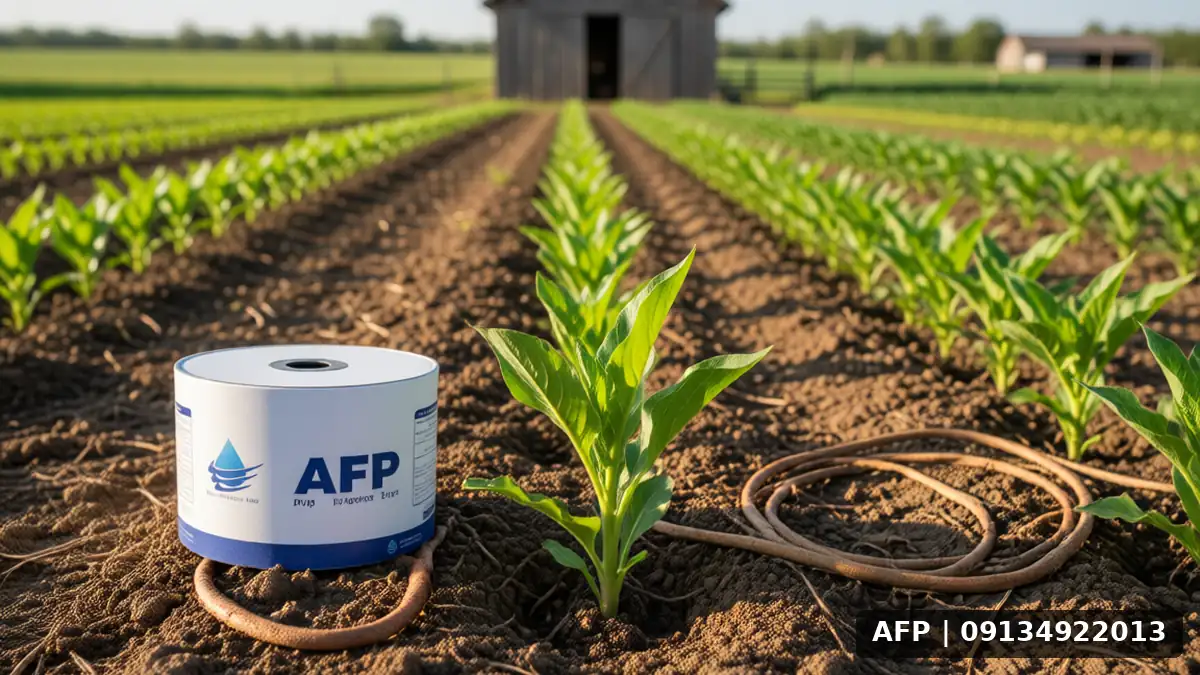
Soil-borne pests such as nematodes, ticks, and larvae of tomato and carrot flies interact directly with the root zone. Drip tape and drip systems enable the application of row treatments and soil-applied chemicals between the drip emitters. In specialized sections, it is recommended to use yellow sticky traps for monitoring pest populations in conjunction with the irrigation cycle. If using drip tape for row crops like carrots or lettuce, ensure that the water delivery channels are located directly under the planting line so that water and fertilizer reach the roots directly. For a better understanding of technical performance, studying the technical specifications of drip tape helps you select drip tape based on channel diameter and output to prevent excessive water splashing on the soil surface and uptake by surface pests.
Common Pests and Diseases in Carrot and Lettuce Cultivation with Drip Irrigation
Carrots and lettuce are vegetables that require consistent moisture but have high sensitivity to root-rot fungi. In carrot cultivation, root knot diseases caused by nematodes are exacerbated by flood irrigation. Using drip irrigation allows for the application of low-dose fungicide formulations at high frequency. Additionally, in lettuce, water leakage from drippers onto lower leaves can cause white rot. To prevent this, always test the system at the beginning of cultivation. If you have scallion crops, which are in high demand, managing soil fly pests is very important. Studying scallion harvest rate per hectare can help you plan soil drainage and moisture management more accurately by understanding production capacity, as excessive soil moisture in scallions leads to root rot and fly attraction.
Practical tips for adjusting the drip system to maintain vegetable health
- Monitoring drip flow rate: Always check the drip flow rate using a flow meter. Clogged or partially blocked emitters cause pests to accumulate in dry soil spots. To choose the right emitters, you can refer to the article on how to select the appropriate drip irrigation line.
- Targeted soil feeding: Instead of broadcast application, apply biostimulants such as potassium phosphate through the drip system. This method ensures nutrients reach the root zone and enhances the plant’s resistance to root fungal diseases.
- Mulch management with irrigation: Combining drip lines with thermal and sand mulches maintains a stable soil surface temperature and prevents the rapid growth of weeds, which serve as breeding grounds for pests.
Frequently asked questions about pests and diseases in vegetables using drip irrigation
Does drip irrigation increase aphid populations?
No, in fact, drip irrigation reduces the likelihood of aphid and whitefly breeding by lowering surface humidity and avoiding water spray on leaves. However, if sand remains loose around the drip line, you must monitor soil-dwelling aphids.
When is the best time to apply antifungals through the drip system?
The best time is during the prophylactic period, before symptoms appear. Typically, during mid-vegetative growth of vegetables, when ambient humidity is high, one injection of antifungal via drip irrigation is recommended.
What is the effect of drip irrigation on wireworms in leek or spinach crops?
Wireworms suffer from complete soil drying. With regular, short irrigation cycles, soil moisture remains uniform, preventing larvae from establishing at specific depths and making them easier to control via localized soil drenches if necessary.
Conclusion: The Intersection of Drip Irrigation and Pest Management
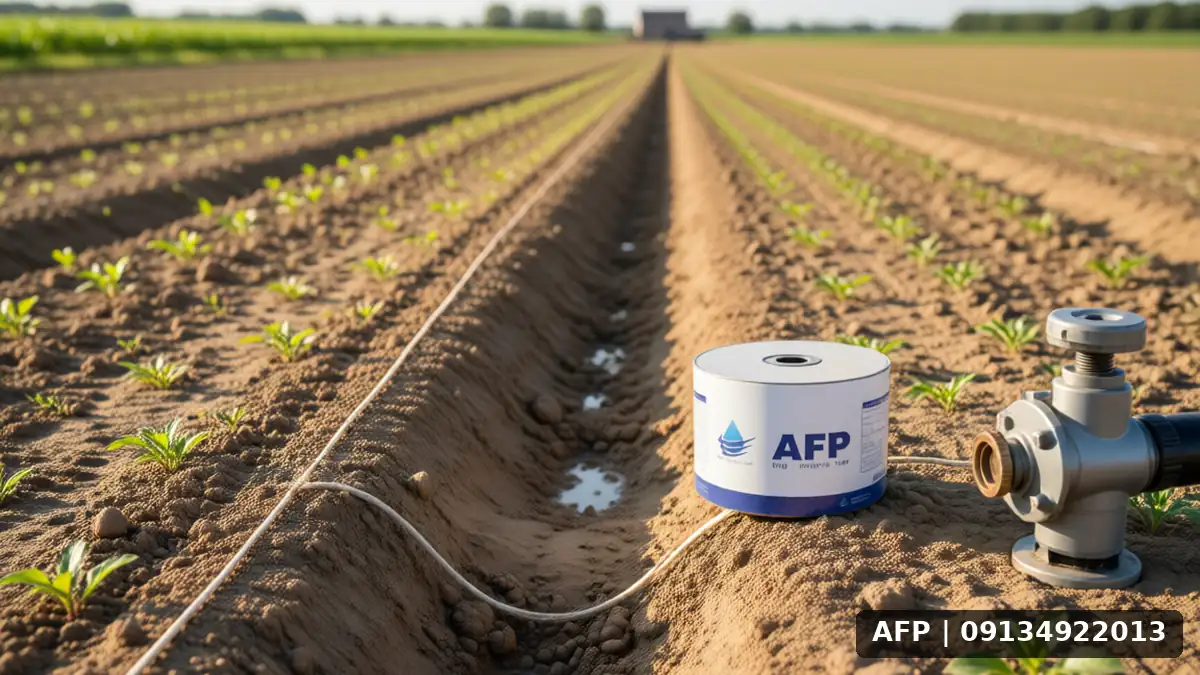
Management Vegetable Pests and Diseases in Drip Irrigation This is an integrated approach that requires precise adjustment of irrigation parameters, selection of the appropriate tape, and smart soil nutrition application. Instead of considering irrigation solely for plant hydration, view it as a tool for controlling pathogen environmental conditions. By maintaining appropriate emitter spacing, using mulch, and monitoring flow rates regularly, you can significantly reduce the use of chemical pesticides and provide a healthier product to the market. Attention to small details, such as sand application angles and water delivery quality, directly affects vegetable root health.
Related Articles: Related article Related article Related article D8AFD8B1 Related article, Related article Related article Related article D8AFD8B1 Related article, drip tape melon irrigation guide tajikistan