Managing Lettuce Pests and Diseases with Optimal Drip Irrigation
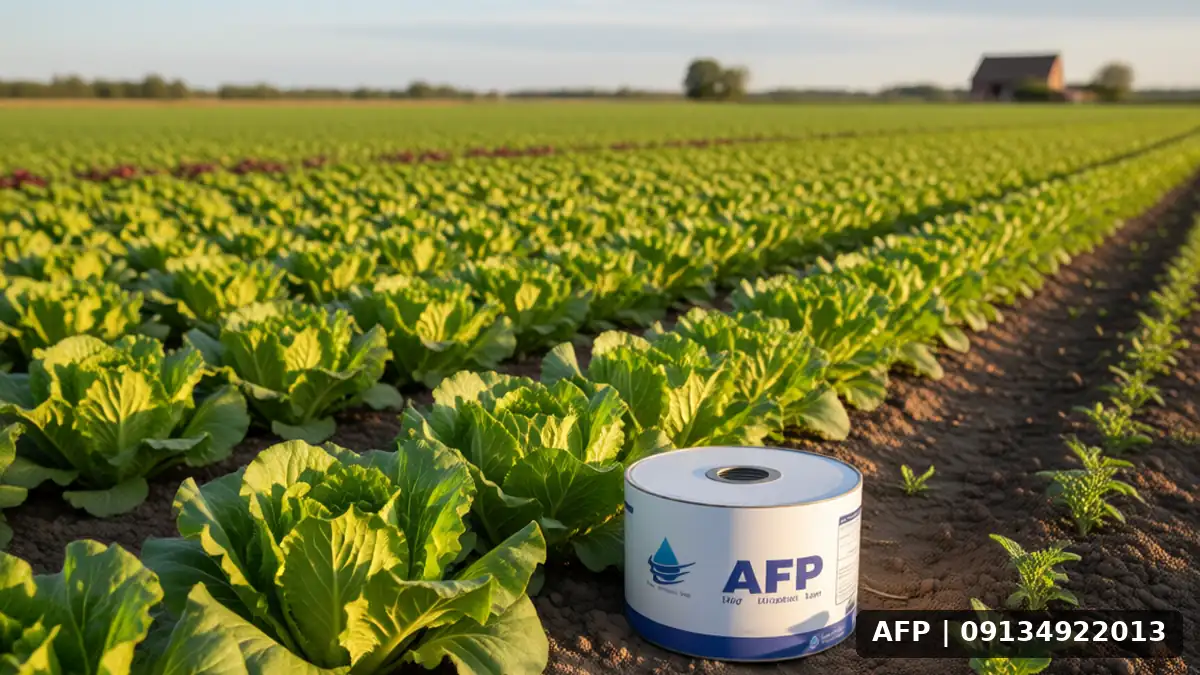
Lettuce is one of the most common leafy vegetables grown in many farms across Iran. Due to its soft texture and rapid growth, it is susceptible to a wide range of pests and diseases. A major challenge in lettuce cultivation is preventing the creation of conditions favorable for pathogen growth. Drip irrigation, as a precise and systematic method, plays a key role in moisture management and reducing disease incidence. By delivering water and nutrients directly to the root zone, this method controls soil surface moisture and prevents excessive wetting of seeds or seedlings.
The impact of drip irrigation on moisture management and lettuce plant health
High humidity is a primary trigger for the growth of soil-borne fungi and bacterial blights in lettuce fields. When flood or sprinkler irrigation is used, humidity in the plant’s immediate environment increases, creating suitable conditions for spore activity. In contrast, systems Drip irrigation ensure the relative dryness of the soil surface on the plant bed through the regular and controlled distribution of water. This helps maintain cellular integrity of plant cell walls and increases plant resistance to pathogen invasion. Additionally, preventing leaf wetness prevents the creation of favorable ecological conditions for whiteflies and the transmission of viral diseases.
Insect pest management: Aphids and whiteflies
Insect pests, particularly aphids and whiteflies, are major enemies of lettuce crops. These insects not only cause leaf curling and deformation by sucking plant sap but also act as vectors for transmitting viruses. Drip tape irrigation can help reduce pest populations by controlling the field microclimate. High leaf moisture attracts certain insects; therefore, maintaining relative dryness in the air space while keeping only the root zone moist creates less favorable conditions for these pests. Additionally, using transparent drip tape allows for visual monitoring of roots and early detection of root damage caused by nematodes or soil-dwelling worms. In this regard, reviewing key points before installing drip tape on the farm helps farmers prevent tape blockages and the creation of irregular wet spots—by properly installing the pipes—which can otherwise serve as shelters for insects.
- Regular monitoring: Use yellow traps to monitor whiteflies and carefully inspect leaves for aphids.
- Biological control: Drip irrigation reduces the need for surface spraying, helping the survival of natural enemies such as lacewings and ladybugs.
- Tape management: Regularly clean drip tape to prevent bacterial growth inside the pipes that can spread to the roots.
Prevention of Fungal Diseases: Root Rot and Gray Mold
Fungal diseases, particularly root and crown rot (Pythium spp. and Fusarium spp.) and downy mildew, are more prevalent in cool and wet conditions. Drip irrigation, by not wetting the entire soil volume, keeps roots in the optimal food and moisture zone while preventing water accumulation in inactive depths. This process helps improve root aeration. Adequate oxygen supply to the roots strengthens the plant’s defense mechanisms and prevents its immune system from weakening against fungal attacks. Regarding gray mold (Botrytis cinerea), which primarily occurs in seedlings under high humidity conditions, removing moisture from leaf surfaces after irrigation (using precise sub-leaf drips) is an effective preventive strategy. Additionally, controlling soil pH using nutrient solutions via the drip system can prevent the growth of certain soil-borne fungi that thrive in acidic soils.
The Role of Buffering and EC Management in Reducing Stress and Disease
One of the hidden benefits of drip tape systems is the ability to fertigate or inject nutrients and even certain pesticides into the irrigation system. By precisely adjusting the salt concentration (EC) and pH of the nutrient solution, nutrient deficiency stress in plants can be reduced. A plant that is nutritionally healthy has stronger cell walls and is less susceptible to damage from insect-caused wounds or pathogen entry. For farmers, understanding the link between nutrition and plant resistance is critical. To learn about the principles of drip tape management, refer to the guide for Drip Tape Agricultural Persistence Review the key points regarding equipment maintenance. Additionally, precise levelling can prevent soil salinisation and the formation of unnatural salt deposits at the soil surface; salinisation can damage roots and weaken plants, making them susceptible to infection.
Practical tips for open-field and greenhouse crops
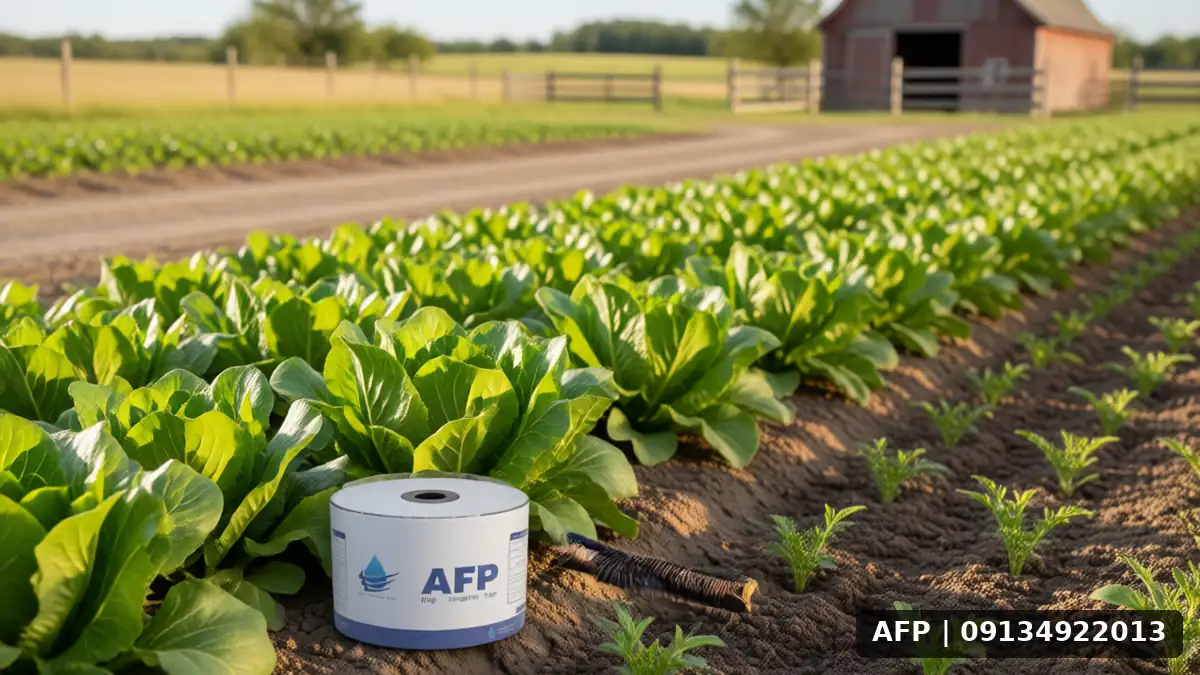
Proper implementation of drip irrigation systems in lettuce requires attention to detail. Emitter spacing and flow rates must be adjusted according to plant dimensions. In open fields, selecting a tape tip with appropriate holes to prevent water from being drawn toward unwanted moisture is important. In greenhouses, managing relative humidity and using fan systems alongside drip irrigation are keys to success. Additionally, using suitable filters in the irrigation system prevents particles from entering the emitters; particles that can create an environment for bacterial growth. Farmers seeking to optimize similar products with similar planting density and water requirements can use existing experiences; for example, examining Factors affecting the yield of black chicory per hectare can provide a better understanding of managing root-sensitive crops; although lettuce is a leafy vegetable, the principles of managing root-zone moisture are common. Similar patterns can also be applied to other leafy crops, such as the guide for Comprehensive pumpkin planting guide which provides tips on planting spacing and root requirements.
Frequently Asked Questions (FAQ)
Can drip irrigation alone eliminate insect pests?
No, drip irrigation is a preventive tool that creates unfavorable conditions for pest growth, but it does not replace chemical spraying or biological control. This method prevents the formation of moist environments that encourage egg-laying and survival for some insects.
What is the optimal soil moisture level for lettuce in a drip system?
Depending on the growth stage, root zone moisture is ideally maintained at 50 to 65 percent of field capacity. Monitoring with moisture sensors is recommended to prevent over-irrigation, which can cause root rot.
Can this system be used for other sensitive root crops?
Yes, similar principles apply to other sensitive root crops. You can refer to the guide to compare irrigation coefficients with other crops: about cucumber seeds per hectare Check for tips on moisture management for waterlogging-sensitive crops.
Summary
Managing lettuce pests and diseases with drip irrigation combines science, precision, and continuous monitoring. Properly implementing belt and drip systems not only saves water and energy but also strengthens plant defense against pathogens. Farmers are advised to pay special attention to the installation and maintenance details of their irrigation systems and utilize specialized resources to minimize field biosecurity risks.