Pest and Disease Management in Lentil Cultivation Using Drip Irrigation Systems: A Comprehensive Guide for Farmers
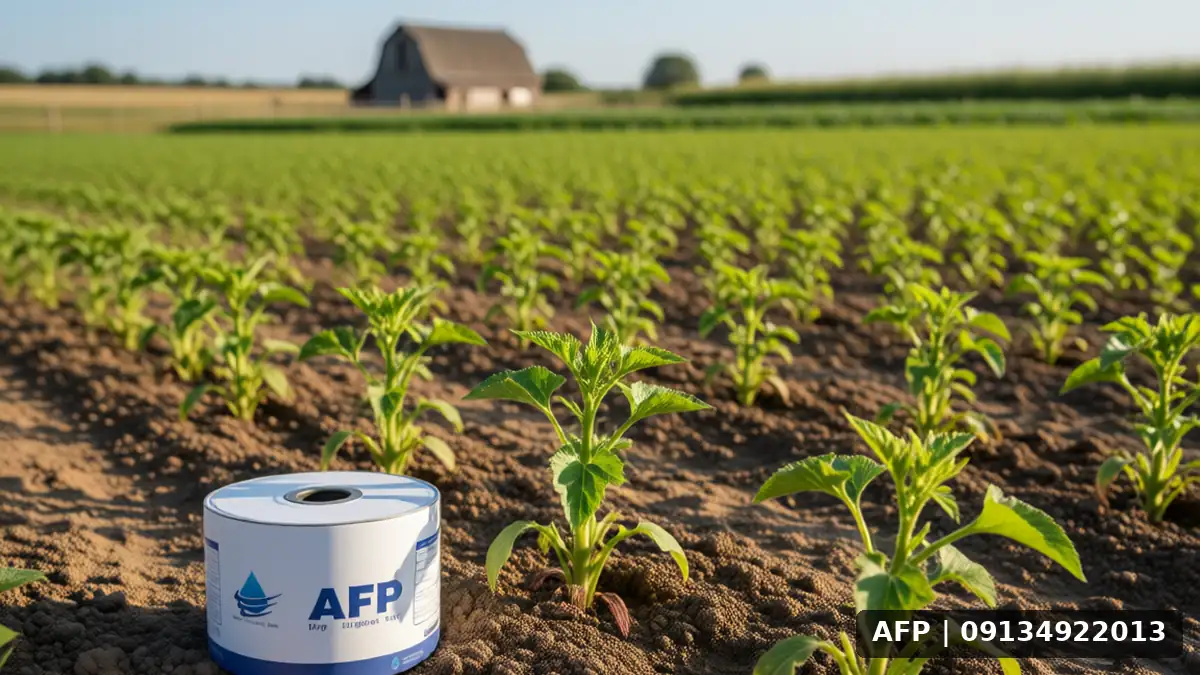
Lentil is one of the most important legumes in the agricultural industry. Despite its relative drought tolerance, it has a particular sensitivity to high relative humidity at the soil surface and within the plant canopy. The transition from conventional surface irrigation to drip irrigation or micro-sprinkler systemsis not merely a method for water conservation, but a powerful management tool for controlling lens pests and diseases . This section provides an in-depth examination of how precise soil moisture management curbs disease outbreaks. Technical principles of system installation and maintenance form the core basis of this management.
The impact of drip irrigation on the lentil plant microenvironment
Lentil plants exhibit high susceptibility to fungal and bacterial diseases, particularly when soil surface moisture remains elevated for extended periods. In drip irrigation, water is injected exclusively into the root zone and the narrow band around the plant base. This method ensures that the soil surface between rows remains dry. Lower relative humidity at the soil surface inhibits the creation of ideal conditions for stem base rot and soil-borne diseases. Therefore, correct installation of micro-sprinkler systems plays a critical role in accurately defining this wet zone to prevent excessive wetting of leaves or stem bases. Proper overlap of the emitters with the root establishment zone is the key to success at this stage.
Managing fungal diseases through moisture control
Diseases such as lentil rust, although often airborne, have their development and severity strongly linked to humidity in the plant’s microenvironment. Using a drip system reduces local relative humidity around the plant base. This directly corresponds to a decrease in fungal activity, as fungi require a moist substrate for spore germination. Farmers can prevent the outbreak of soil-borne diseases like Fusarium, a troublesome pathogen for lentil roots, by adjusting irrigation intervals to ensure the soil surface is not continuously saturated. Precise nutrient management via drip irrigation (Fertigation) also becomes possible, enhancing plant vigor and strengthening induced systemic resistance (ISR) against pests. To better understand the link between agronomic management and yield, reviewing the guide on increasing garlic yield per hectare can provide patterns applicable to other legumes.
The role of soil hygiene in reducing root pests
One of the main challenges in lentil fields is the presence of root pests such as mites and earthworms. Because drip irrigation concentrates water delivery in the root zone, it can prevent the proliferation of certain surface pests that require a generally moist environment. Additionally, using drip outlets to inject leachate or biological agents into the root zone can help target and control emerging pests. If you wish to better understand the structure of your equipment, refer to articles related to Drip tape installation Refer to the guidelines to gain a comprehensive view of how management impacts yield. Understanding the process of adhesion between the drip tape and the soil bed guarantees uniform water distribution.
Insect pests and population management
While drip irrigation does not directly eliminate insects, changing the irrigation regime can alter the migration patterns of certain pests. Some thrips and whiteflies are attracted to wetter soil areas. Maintaining relative dryness between rows reduces the density of these pests at the soil surface. Additionally, reducing ambient humidity around the plants enhances the sustainability of habitat conditions for parasitoids. Integrated Pest Management (IPM) in drip systems should begin with maintaining overall plant health; a plant that is not under severe water stress or waterlogging exhibits better defensive responses. Accurate identification of pest species is the first step in managing them.
Practical tips for farmers in lentil fields
To benefit from the advantages of drip irrigation in managing lentil pests and diseases, it is essential to observe the following points:
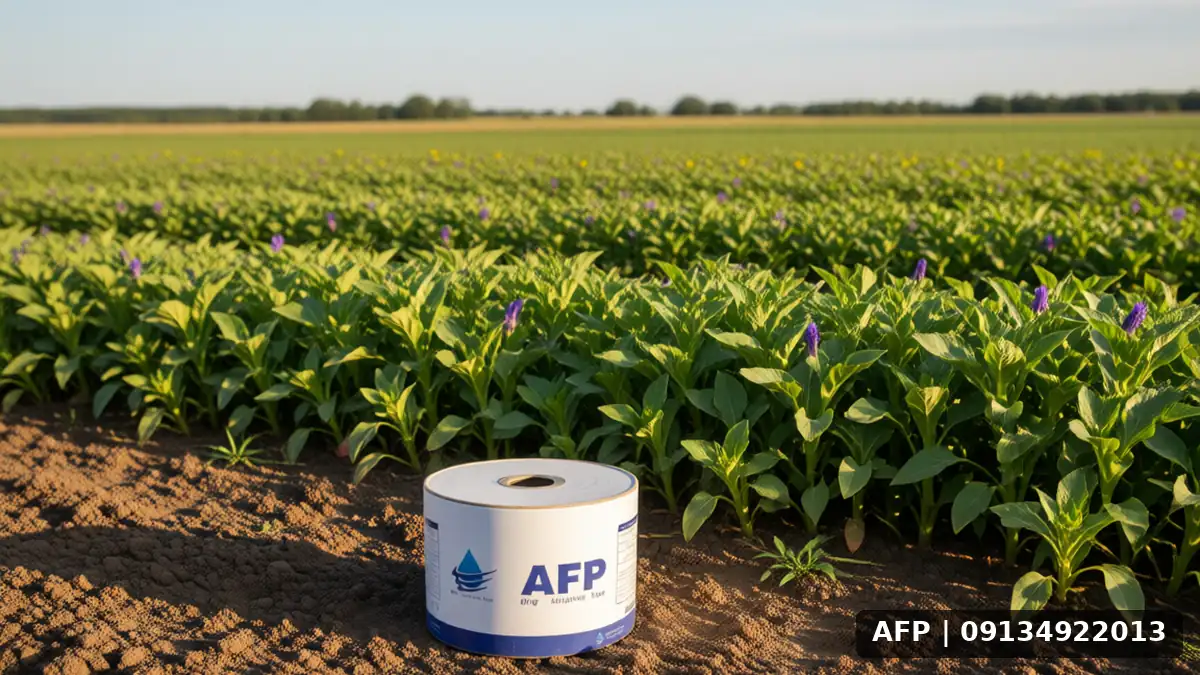
- Selecting drip tape diameter and emitter spacing: The spacing between emitters should align with the root dimensions of lentils. Lentil roots are shallow; therefore, the system must be designed to concentrate moisture in the top 20 to 30 centimeters of soil.
- Use of precision filters: Microbial contaminants in water can enter the soil through drip tape. Using fine mesh or disc filters is necessary to prevent emitter clogging and the transmission of waterborne diseases.
- Implementing Fertigation: Drip-fed nutrient delivery allows for the injection of soil-borne fungicides or systemic insecticides. For more information on ancillary equipment, Pre-purchase considerations for drip tape Review the specifications. Assessing the material quality of the drip tape before purchase prevents loss of investment.
- Preventing leaf wetness: When using drip tape, ensure the tape is positioned directly under the plant canopy so that moisture does not transfer to leaves, which are hosts for splashing-mediated diseases.
Inspection schedule for common diseases
It should be noted that the drip irrigation system alone is not a cure, but a preventive measure. The removal of lentil plant residues from the field and proper field drainage are two key factors that, combined with drip irrigation, break the disease life cycle. In poorly drained areas, combining drip irrigation with soil amendment can have compounded therapeutic effects. Understanding drip irrigation principles for other agricultural products, such as strip irrigation guidelines for cucumbers, can provide valuable insights into technically adapting systems to various plant needs.
Frequently Asked Questions (FAQ)
- Does drip irrigation increase the final crop price?
Not necessarily. Although the initial cost of equipment is higher, expenses for fungicides, excess water, and irrigation labor are reduced. Additionally, improved crop quality resulting from reduced soil-borne contamination can enhance market appeal and increase the selling price. - What type of filtration is recommended for lentils?
Lentils have fine roots and drip tapes also feature small emitters. It is recommended to use disc filters with a grit rating of 60 to 120 or mesh filters of 120 mesh per inch to prevent fine particles from entering the system. - Can herbicide be applied via drip as a preventive control measure?
Using fertigation for weed control (Herbicide) in drip systems is extremely dangerous and can cause severe damage to the main crop. Weed control should be performed using mechanical methods or targeted surface spraying, not through drip emitters. - What is the impact of drip irrigation on soil and soil insects?
Beneficial soil insects that depend on moist soil may exhibit reduced activity in dry zones between drip lines. This can alter the soil’s microbial balance. Regular monitoring of soil health is recommended to mitigate this effect. For better understanding of farm management, you can refer to the guide on drip tape installation to optimize soil conditions.
Summary and final recommendation
Transitioning lentil production from conventional irrigation to drip or drip tape systems is one of the most intelligent decisions for managing lentil pests and diseases . By reducing surface moisture, decreasing biotic stress on plants, and enabling more precise nutrient management, the farmer creates a hidden layer of defense against soil-borne and fungal diseases. However, this technology must be implemented alongside local agronomic knowledge and precise monitoring by a plant pathology specialist. Since irrigation system quality directly affects crop health, pay close attention to technical details during the installation phase. For information on more standardized installation methods, refer to specialized articles such as drip tape installation . Ultimately, relying on smart soil moisture monitoring systems can optimize irrigation intervals and minimize disease risk in the long term. Familiarity with water resources and rainfall management can also lead to a deeper understanding of water cycles in farms, as discussed in articles such as drip tape irrigation rates It has been proposed.