Drip Line and Tape Irrigation in Rye Cultivation: Benefits and Practical Guide
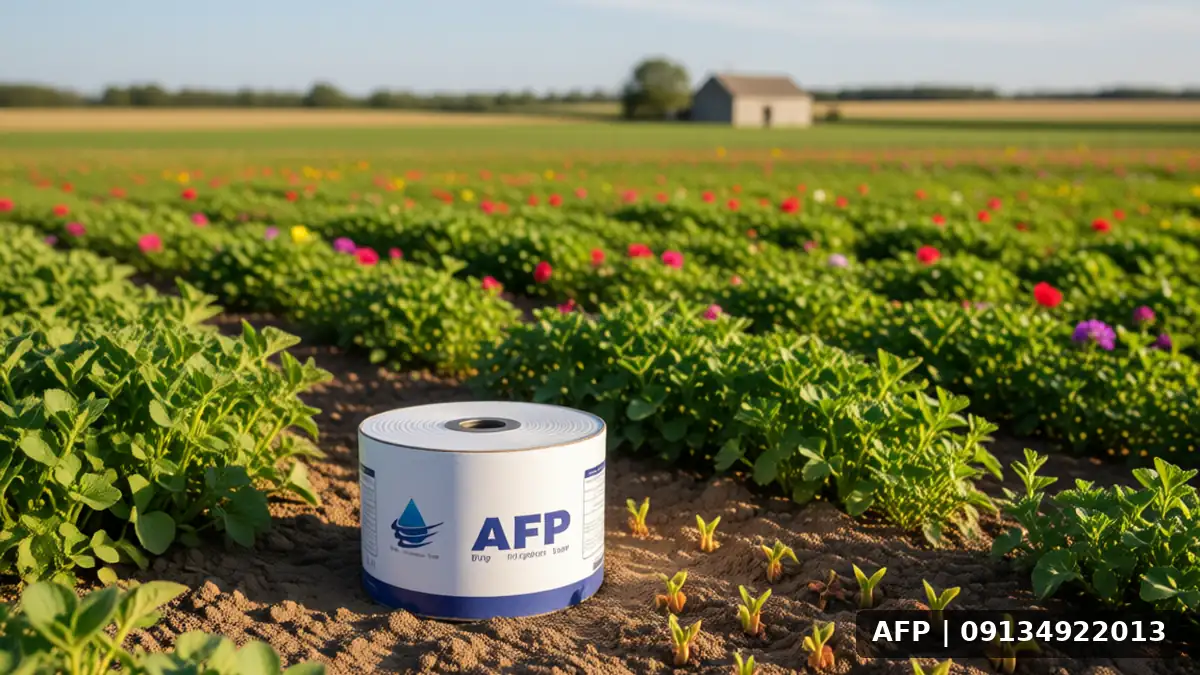
Alfalfa is one of the most important feed crops for livestock and also serves as an effective cover crop for soil restoration. Given the sensitivity of alfalfa to root-zone moisture and its requirement for uniform water supply, selecting an appropriate irrigation method can significantly impact crop yield and quality. Among modern irrigation methods, drip tape irrigation is considered an attractive option for farmers, especially in arid and semi-arid climates, due to its precision in water distribution and reduction of losses.
Introduction to Drip Tape Irrigation for Alfalfa
The Drip Line system combines drip technology with the flexibility of polyethylene tubes, allowing for easy relocation of lines for each leaching or harvesting cycle. For alfalfa, which is typically planted in rows, the drip line can be positioned close to the crop rows, ensuring optimal contact between roots, water, and nutrients. Compared to sprinkler irrigation, this method offers better control over soil salinity, reduces fungal diseases caused by wet foliage, and lowers labor costs. The following section provides a detailed review of the advantages and operational considerations of this method.
Key Advantages of Drip Tape Irrigation for Alfalfa
Using drip tape in alfalfa cultivation offers numerous advantages, the most significant of which are discussed below. These benefits are based on agronomic studies and field experiences under typical climatic conditions.
- Significant water conservation: Drip irrigation with tape delivers water directly to the plant’s root zone. Compared to sprinkler irrigation, this minimizes water losses from evaporation and surface runoff. This precision in water distribution is critical for alfalfa, which is moisture-sensitive during its early growth stages.
- Reducing Energy and Labor Costs: Drip tape systems typically operate at lower working pressures than some sprinkler methods, which can reduce pump consumption and result in energy savings. Additionally, the portability of the tapes reduces the time required to prepare the field for each new sowing.
- Improving Alfalfa Quality and Yield: Uniform water distribution and the ability to apply fertilizer through the drip system (fertigation) ensure that nutrients are continuously and precisely available to alfalfa roots. This leads to stronger vegetative growth, an increase in the number of tillers, and ultimately a higher yield per hectare.
- Better Control of Soil Salinity and Moisture: In regions with saline water or saline soils, drip irrigation with tape creates a moisture mound around the planting line, which pushes salinity away from the main root zone and reduces the risk of salt accumulation in the area of direct root contact.
Technical and Operational Assessment of Tape Drip Installation for Alfalfa
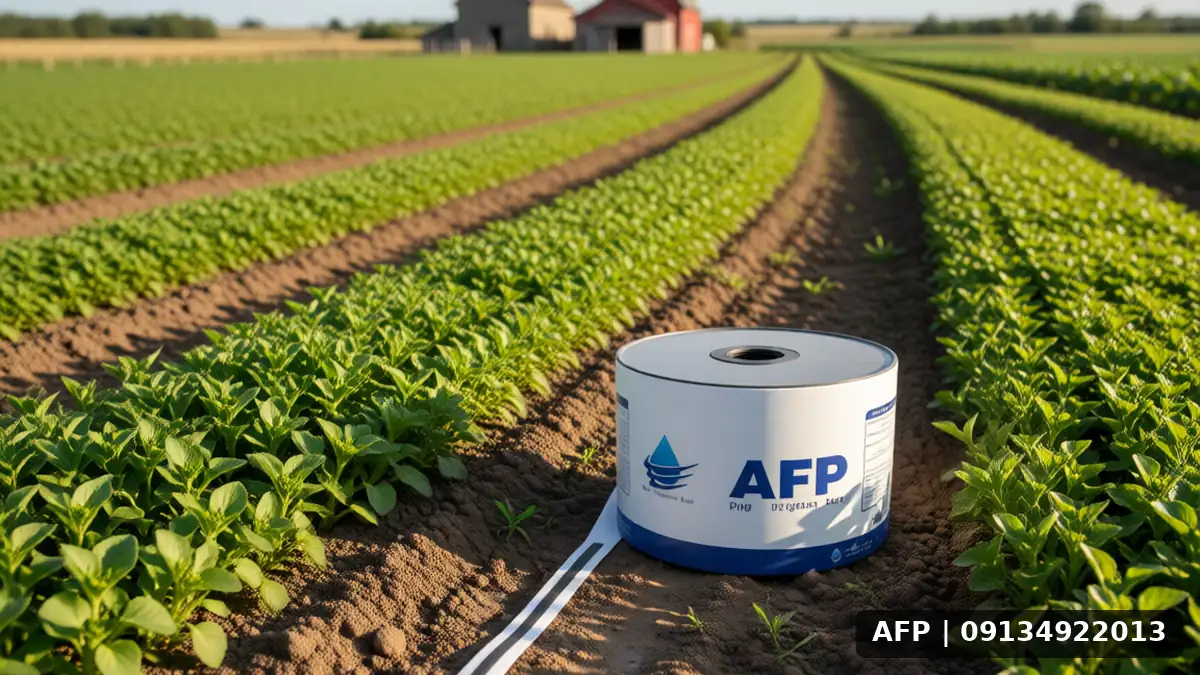
Correct installation of the drip tape requires precise pre-planting planning. Rye planting row spacing typically ranges from 30 to 50 cm, so selecting the appropriate drip tape diameter (usually 16 or 20 mm) and emitter spacing must align with the plant’s root requirements. For example, in rye rows, using 20 mm diameter tapes with 20 cm emitter spacing (20-20) or 20-40 cm, depending on soil conditions and growth stage, can yield better performance. Comprehensive guide to prices and technical specifications of 20 cm drip tape This can be useful for selecting the appropriate model based on your budget and field conditions. It is also important to emphasize that the quality of the polyethylene used in the drip tape and its resistance to UV light and operating pressure are factors that affect the system’s lifespan.
One of the challenges in installing drip tape is ensuring proper alignment of the tube with the planting furrow. If the furrow depth is insufficient or ground levelness is not maintained, flow pressure may be uneven. Therefore, leveling the ground surface before planting and ensuring the drip tape runs parallel and at a consistent level are key points. If necessary, larger diameter mainline tubes can be used to ensure uniform pressure distribution along the furrow.
Practical tips for moisture and nutrient management with drip tape
Water application planning and irrigation scheduling
Alfalfa requires adequate moisture during vegetative stages. Although it has lower sensitivity to temporary moisture stress during flowering and seed-setting compared to some varieties, consistent moisture is crucial for the quality of subsequent forage cuts. Drip irrigation schedules must be adjusted based on soil water-holding capacity and ambient temperature. In spring and autumn, frequent low-volume irrigations may be necessary, whereas in summer, the water volume per irrigation event increases. Utilizing ET0 (reference evapotranspiration) calculations can assist in fine-tuning irrigation.
Fertigation (fertilization via drip irrigation)
One of the major advantages of drip irrigation is the ability to fertilize alfalfa through the irrigation system. This method is highly efficient for water-soluble ureas, soluble phosphates, and micronutrients (such as iron and zinc), which may precipitate in calcareous soils. With fertigation, nutrients can be delivered directly to the root zone, preventing nutrient waste. It is recommended to avoid combining alkaline fertilizer solutions with acidic ones in systems lacking adequate flushing to prevent clogging of the emitters. Regular system flushing or the use of appropriate filters is vital to prevent clogging.
System Monitoring and Maintenance
Drip tape is a sensitive system requiring regular monitoring. Outlet flow uniformity, minor leaks, and outlet blockages should be checked during every irrigation cycle. Damaged or cut tapes must be replaced promptly. Additionally, the system requires inspection and cleaning of deposits before each new planting season. Initial site inspection and filtration are critical for protecting the drip tape and polyethylene pipes from subsequent failures. Mesh and disc filters must be cleaned periodically.
Comparison with Conventional Methods and Additional Tips
Compared to sprinkler irrigation, the tape drip system for rye reduces the risk of fungal diseases caused by leaf wetness, as the water is placed directly at the root zone. Additionally, considering rye’s sensitivity to strong winds and heavy rains, the tape drip system, which is laid non-modernly on the field, has lower vulnerability compared to fixed sprinkler systems. For farmers dealing with irrigation water salinity, salinity accumulation around the main roots can be prevented by adjusting irrigation scheduling and utilizing the pressure differential. However, it should be noted that these systems require more precise management compared to simple surface irrigation, and human error in pressure or scheduling adjustments can lead to root stress.
Alongside water management, selecting rye seed with high drought resistance and adaptation to local conditions plays a key role in the success of the crop. Although tape drip reduces moisture stress, the plant’s genetic foundation still impacts final yield. Therefore, consulting with local experts to select the appropriate rye cultivar for the regional climate is recommended.
Frequently Asked Questions (FAQ) About Tape Drip Irrigation for Rye
Is tape drip suitable for all soil types for rye?
Yes, tape drip can be used in sandy, loamy, and even heavier textured soils. However, in heavy soils, the drip discharge rate should be adjusted to ensure water infiltrates quickly and prevents surface pooling. In sandy soils, the drip spacing may need to be slightly narrower or the discharge rate higher to prevent drying between drippers.
What is the initial installation cost of tape drip compared to sprinkler irrigation?
The initial installation cost of a drip tape system is usually higher than that of conventional sprinkler irrigation. However, considering the long-term savings in water, energy, fertilizer, and labor, the return on investment (ROI) is positive for many clover farms, especially in water-scarce regions. Accurate cost calculations must be performed based on the specific farm size and local conditions.
Can drip tape be used for multiple seasons?
Yes, UV-stable polyethylene tape can last for several years with proper maintenance. The key is correct collection, thorough flushing, and storage in a suitable location away from direct sunlight and heat. Periodic checks before the next season are also recommended.
What is the ideal pressure for water movement in clover drip tape?
The ideal pressure is usually between 1.5 and 2.5 bar. Pressure below this range may result in uneven distribution, while higher pressure can damage the tape or cause leaks at the welds. Using a pressure regulator at the end of the system to reduce excess pressure when valves are closed is essential.
Conclusion
Drip irrigation using tape tubing is an effective solution for improving water efficiency and increasing rye grass yield. By combining precise water distribution, fertigation capability, and reduced operational costs, this system can be a key tool in sustainable agriculture. However, ultimate success depends on precise pre-planting planning, selecting the appropriate tape diameter and spacing, proper management of moisture and nutrients, and regular system maintenance. Farmers are encouraged to optimize their systems for local conditions by studying specialized resources and consulting experts, to benefit from this technology’s advantages in conserving water resources and increasing crop output. Investment in precision irrigation is not merely an expense but a competitive factor in today’s agricultural world.
A comprehensive guide to dry broadbean yield per hectare + influencing factors and methods for increase can serve as a useful resource for better understanding the yield potential of rye grass and the factors affecting it. Additionally, comparing the advantages and disadvantages of direct farmland irrigation provides a more critical perspective on traditional methods. For farmers interested in other crops, familiarizing themselves with dry broadbean yield per hectare can be useful for planning crop rotation with rye grass. Ultimately, every plant has specific needs, and drip irrigation with tape tubing provides a flexible framework for adapting to these requirements. Success in rye grass cultivation with precision irrigation results from the harmony of technical knowledge, daily management, and patience in follow-up.
Related articles: Direct farmland irrigation: advantages and disadvantages, Dry broadbean yield per hectare: A comprehensive guide to increasing yield, black eyed pea seed rate per hectare factors