Per-Hectare Cost Analysis of Drip Irrigation for Vegetable Cultivation: A Comprehensive Guide for Farmers
Introduction to Drip Tape Irrigation Systems for Vegetable Crops
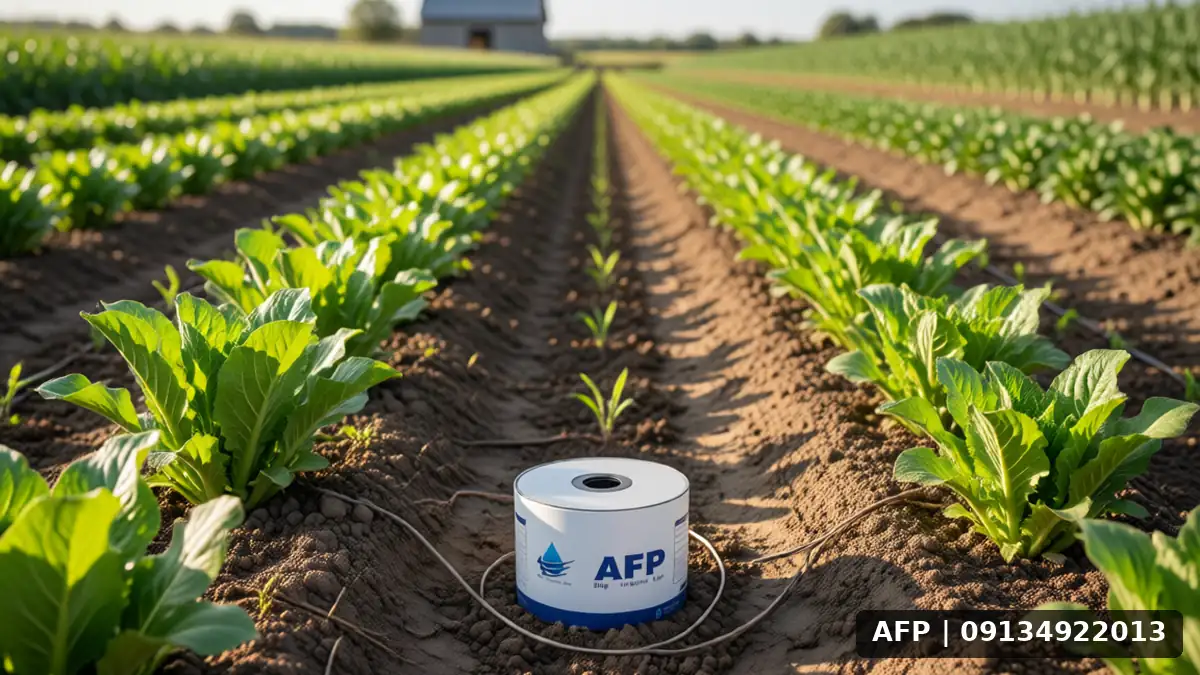
Modern irrigation systems, particularly drip tape (Drip Tape), play a vital role in increasing yield and reducing production costs in agriculture. For vegetable cultivation, choosing the right irrigation method can directly impact economic viability. A comparison between drip irrigation lines and drip tape shows that each technology has its specific advantages and disadvantages. Drip tape has become a popular choice for seasonal crops such as lettuce, cucumber, and tomato due to its quick installation, the possibility of replanting after the growing season, and lower maintenance costs.
However, the most important question farmers face is the precise calculation of the cost of growing vegetables using drip tape per hectare . This cost does not only include the purchase of the irrigation line; it also covers infrastructure costs, pumping, energy consumption, flushing, and even the disposal of the tape at the end of the season. In the following section, we will examine each of these components in detail to provide a complete picture of the required budget.
Components of Capital Expenditure (CAPEX)
Cost of purchasing drip tape and hoses
The main part of the capital expenditure is the purchase of the drip tape itself. The cost of drip tape per hectare depends on factors such as the tape diameter (usually 16 or 20 millimeters), tape length, type of drip connection (injected or press-fit), and the manufacturer’s brand. For one hectare of vegetable cultivation, usually several kilometers of tape are required. Attention to tape quality is highly important; low-quality tapes may leak sooner or their emitters may become clogged, leading to reduced efficiency and increased repair costs.
Irrigation infrastructure and pumps
In addition to the tape, you need a central infrastructure network that includes valves, sand and disc filters, a fertigation tank, and an irrigation pump. If you do not currently have a drip irrigation or subsurface irrigation system, installing this infrastructure incurs a significant cost. However, these are one-time expenses that can be amortized over multiple growing seasons. To better understand the cost scales, you can check the amount of potato seed required per hectare and other cropping variables on our website to gain a general perspective on comparing costs across different crops.
Operating Expenditure (OPEX) during the growing season
Water and Energy Consumption
One of the main advantages of drip tape is optimal water consumption. However, this does not mean water is free. The cost of water and the energy consumed by pumps to create sufficient pressure in the system constitutes a large part of your operational costs. By optimizing irrigation dosage and using soil moisture sensors, you can prevent energy waste. Energy consumption is directly linked to the water level required each month and the irrigation schedule.
Flushing and Maintenance Costs
After the end of each cropping season, drip tapes must be thoroughly flushed to remove deposits inside the lines. This process is time-consuming and costly. Additionally, regular cleaning of filters is essential to prevent emitter clogging. Minor breakdowns during the season, such as tape rupture due to mechanical operations or pest attacks, must also be included in the budget. Familiarity with the author and senior Persian reviewer in the field of agricultural irrigation and the technical principles of these systems can help you avoid expensive repairs.
Economic Analysis: Comparing Yield and Cost
For Vegetable cropping cost per hectare using drip tape to be reasonable, its economic return must also be examined. Vegetables typically have short production cycles and high market value. The drip tape system, in addition to water savings, allows for more precise control of plant nutrition (fertilization) and pesticides. This leads to a reduction in chemical fertilizer loss and an increase in product quality. When input material costs decrease and crop yield increases, the break-even point is reached faster. For example, in intercropping, you can refer to Intercropping yield limitations in Iraq and similar articles in other regions to gain a broader international perspective, even though the climatic conditions in Iran are different, the cost management principles remain the same.
Practical Tips for Reducing Cost per Hectare
- Drip tape recycling: Some high-quality drip tapes can be flushed and reused in the next season. Although this method requires special care and proper storage space, it can minimize the cost of the tape in the second and third seasons. However, drip tape is generally considered a consumable tool, and it is recommended to buy new tape for the next season unless the tape quality is exceptionally high.
- Pressure and flow management: Proper adjustment of central valves to ensure uniform pressure reaches the end of the lines prevents water and energy waste.
- Planting at the appropriate time: Starting irrigation at the right time for the plant prevents water stress and reduces the need for frequent and costly irrigation sessions.
- Accurate irrigation dosage calculation: Using irrigation dosage tables for specific vegetable crops, rather than estimating, can reduce energy and water costs by up to 20%.
In addition to drip tape, some farmers use cover crops such as clover to fix nitrogen and improve soil, thereby reducing costs per hectare. Yield of clover per hectare and factors affecting it It can help you design your cropping cycle to reduce the need for synthetic fertilizers and, consequently, lower the associated purchase and application costs.
Answers to Frequently Asked Questions (FAQ)
1. Does the cost of drip tape per hectare include the cost of the pump?
No, the initial cost of drip tape is typically calculated per meter of hose. However, pumps, filters, and fittings are part of the infrastructure costs and are calculated separately. If you already have a pump, you only need to consider the cost of the drip tape and connections.
2. How many meters of drip tape are required for one hectare?
This depends on the planting pattern. For example, if the row spacing is 60 centimeters, you need the total length of the planting beds for one hectare (10,000 square meters). Calculation: 10,000 square meters divided by 0.6 meters row spacing requires approximately 16,666 meters of drip tape. Accounting for waste, this equates to roughly 17 to 18 kilometers of drip tape.
3. Is it economically feasible to wash drip tape for the next season?
Economically, washing drip tape for the next season is generally not recommended, as the labor and energy costs for cleaning and maintenance usually exceed the discount you would receive by purchasing new drip tape the following year (due to competition and new production). However, washing is necessary for permanent drip tape or more stable drip lines.
4. How can I reduce energy consumption costs?
Using high-efficiency pumps, setting the appropriate flow rate, and using variable frequency drive (VFD) pumps can reduce electricity costs. Additionally, irrigating during low-peak hours and using water storage with aeration are also effective. To better understand energy variables, you can Potato cropping instructions per hectare and compare, as attention to resource consumption is also very important there.
Conclusion
Calculation Cost of vegetable cultivation with drip tape per hectare It is a dynamic process that depends on MANY variables. By considering the initial capital costs for infrastructure and drip tape, as well as operational costs including energy, water, and maintenance, you can set a more precise budget for the next crop. The key to success with this system is not focusing solely on the purchase price of the drip tape, but relying on the overall system efficiency and reducing losses through proper irrigation management. If you are looking for better yields in other crops, reviewing articles such as the comparison of wheat and vetch yields per hectare can give you a comprehensive perspective on cost management in different crops. Ultimately, combining technical knowledge with economic calculation smooths the path to optimizing vegetable cultivation with drip tape.