Comprehensive Guide to Sowing Field Pea with Drip Irrigation
Introduction to Drip Irrigation for Rye
Rye is a widely used cereal grain in the feed industry and for cover cropping. Due to its deep root system and ability to absorb water from various soil layers, it is considered an ideal option for low-consumption irrigation systems. In recent years, the use of drip irrigation for rye has gained significant popularity due to water savings and reduced drainage stress. This method, by precisely distributing water and nutrients directly to the root zone, increases growth rate and overall plant health. This guide will examine all technical aspects of rye planting and drip irrigation.
Importance of Selecting the Appropriate Planting Method
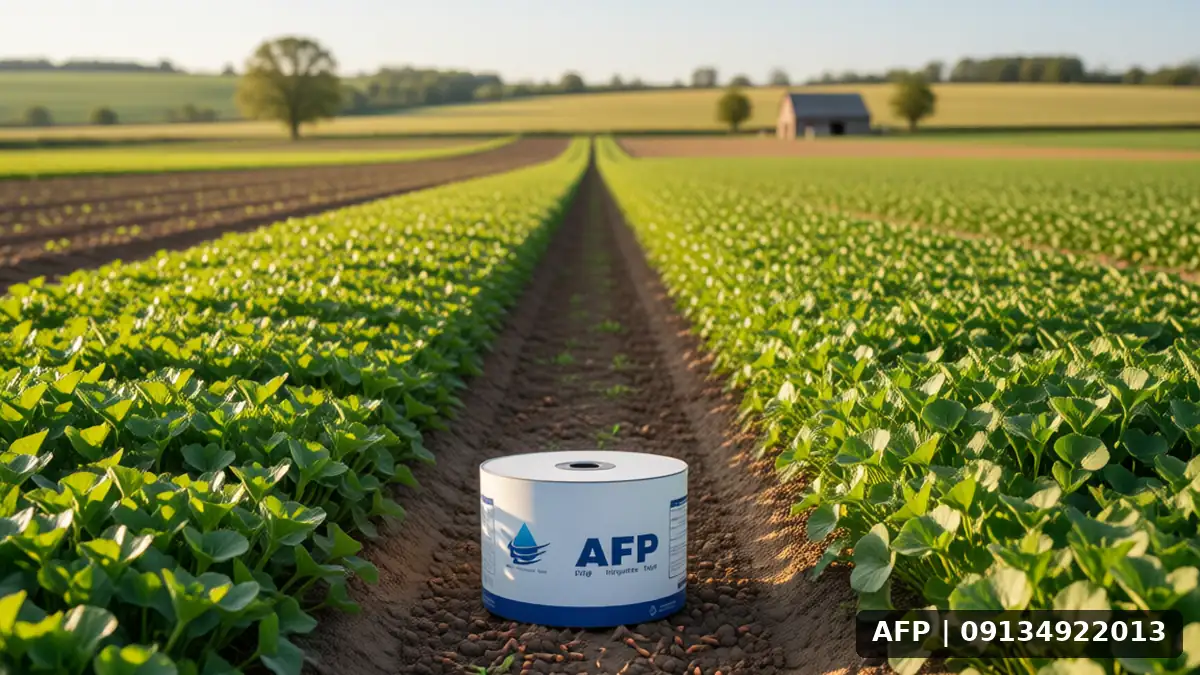
The choice of planting method for rye in drip systems directly impacts final crop success. Two main methods are considered for rye: row planting and broadcast planting. In subsurface drip irrigation (SDI) systems, row planting is typically used because it allows the drip line to be placed at the appropriate depth and distance from the planting row. This ensures that water is made available to the rye roots in the most efficient way possible. [[IMAGE_1]]
Determining the Planting Depth and Spacing for Rye
One of the main challenges in planting rye with drip irrigation is determining the correct planting depth. Rye is a wind-pollinated plant, and its seed is considered fine. The ideal planting depth for rye is typically between 2 to 3 centimeters It is recommended. If the planting depth is less than this amount, seeds may be washed away by heavy rainfall or improper irrigation, or may not be properly placed in the soil and fail to germinate. On the other hand, if the planting depth is greater than 3 to 4 centimeters, the seed’s energy to reach the soil surface and pass through hard soil layers will be insufficient, which may cause slow initial growth and reduced germination percentage.
Trench depth-based drip line system adjustment
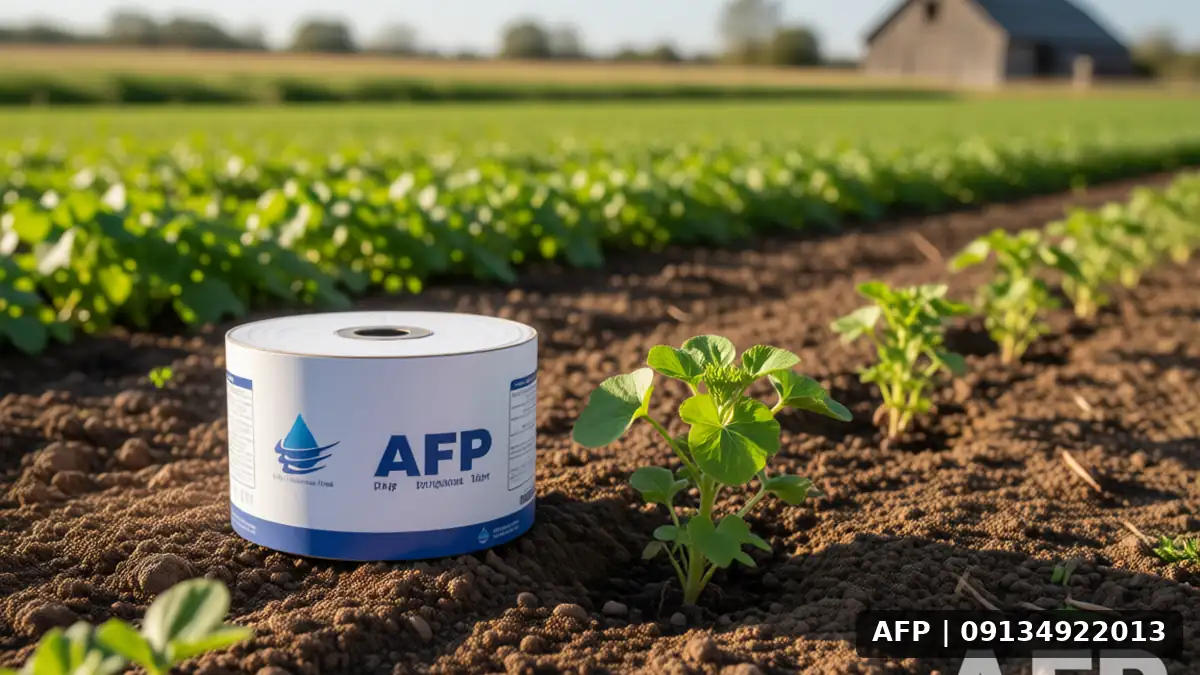
When designing a drip irrigation system for clover, the depth of the drip line must be coordinated with the planting depth. It is recommended to place the drip line at a depth of approximately 5 to 7 centimeters to ensure that roots have easy access to water during growth. The distance between the planting row and the drip line must also be at least 10 centimeters to prevent direct contact between the main roots and the line, which can cause rot.
Clover irrigation scheduling plan
The planning of drip irrigation for clover depends on the plant growth stage, soil type, and climatic conditions. However, generally, clover requires suitable temperature and moderate soil moisture. Excessive soil dryness causes the plant to experience osmotic stress and stops the growth of lateral branches.
Irrigation scheduling table
- Initial growth stage: Once every 2 to 3 days with a small volume.
- Vegetative growth stage: Once every 3 to 5 days.
- Flowering and grain-filling stage: Higher water requirement, weekly irrigation.
The best time for clover drip irrigation is early in the morning, as it allows the water time to be absorbed by the soil and minimizes evaporation. To learn more about the general principles of drip irrigation management, you can refer to the guide on drip-line irrigation, which explains the technical foundations of drip system types.
[[IMAGE_2]]
Clover seed rate and planting density
The seed rate for planting clover depends on the cropping objective (medicinal, forage, or cover crop). Under normal conditions, the seed rate for medicinal clover is usually between 25 and 30 kilograms per hectare. For forage crops aimed at maximizing leaf production, this amount can increase up to 35 kilograms per hectare. Planting density should be adjusted based on soil type and water-holding capacity; in heavy soils, planting density is usually kept slightly lower to provide sufficient space for root expansion. If you are looking to calculate the precise seed rate for other plants for comparison, you can study the technical points in the guide on calculating seed rate per hectare.
Practical tips and common challenges
Clover drip irrigation, despite its advantages, requires attention and maintenance. One common problem is the clogging of emitters due to the deposition of mineral salts (iron and magnesium oxides). To prevent this, it is essential to use acid additives or perform system flushes at regular intervals. Additionally, clover is susceptible to fungal and bacterial diseases; therefore, the use of drip irrigation must be accompanied by optimal horticultural management to prevent excess moisture caused by local waterlogging.
Water and fertilizer management.
- Use high-salinity water with caution and conduct regular water quality testing.
- Apply fertigation during the final hours of the drip irrigation cycle to prevent sedimentation.
- Periodically inspect drip emitter nozzles to detect clogging early.
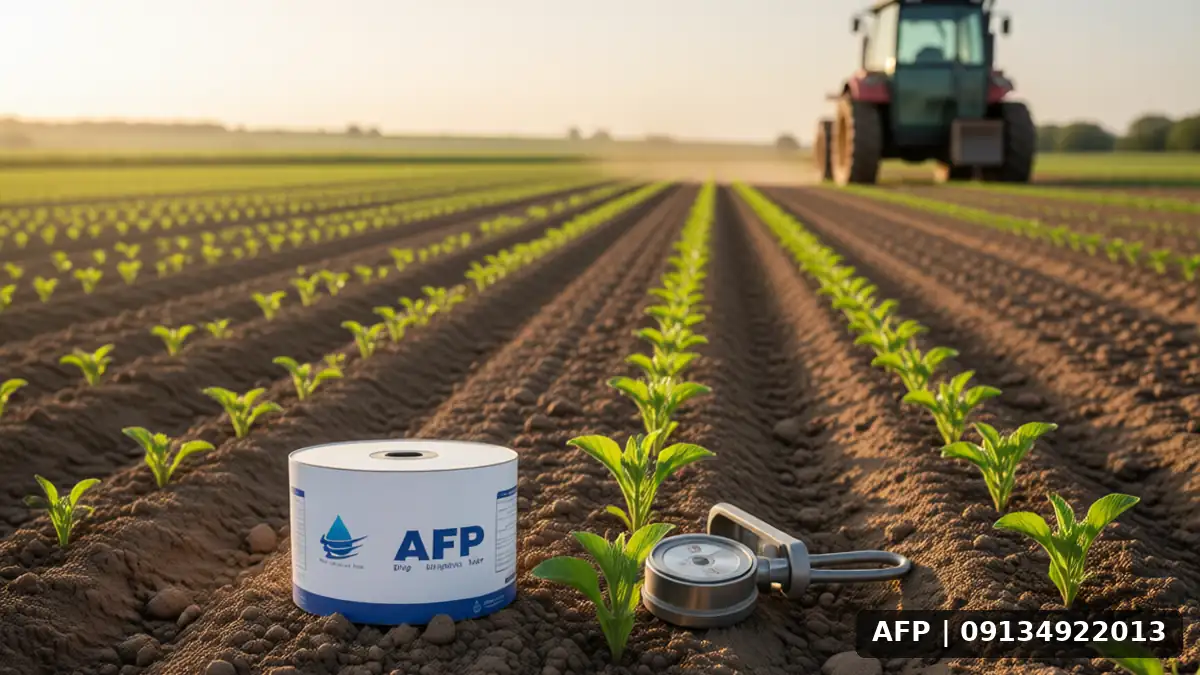
To better understand how tape systems are used for lucerne (alfalfa), studying the comprehensive tape guide for beans can provide insights into the similar behavior of drip irrigation systems in other lucerne-like plants, including clover.
[[IMAGE_3]]
Frequently Asked Questions (FAQ)
Can clover be grown using linear drip emitters?
Yes, but the primary recommendation for red clover is using Drip Line due to more precise water distribution and lower installation costs. Linear drip tapes are more suitable for furrow or surface planting, where irrigation management is more complex.
What is the best soil type for planting red clover with drip irrigation?
Light to medium soils with good DRAIN (drainage) are the best option. In heavy soils, poor drainage causes root rot due to repeated drip irrigation; therefore, in such cases, irrigation frequency should be reduced and volume increased.
How can I prevent clogging in red clover irrigation drip emitters?
Using an appropriate filter (mesh or screen) along with installing mesh piping and following system flushing principles after irrigation completion is the key to preventing clogging.
Conclusion
Planting red clover with drip irrigation can achieve high efficiency if technical dimensions such as planting depth, seed quantity, and irrigation schedule are correctly calculated and executed. Compared to traditional methods, this approach provides significant water savings and enables better control over disease management. Additionally, by examining common principles, you can benefit from the experience of other drip irrigation systems. For further reading on general production calculations, use the Red Clover Harvesting Guide, which refers to the yield calculation of various products. Finally, successful implementation of a red clover drip irrigation system requires patience, precision, and a deep understanding of plant behavior under varying moisture conditions.
Related Content: Peanut seeding rate per hectare + influencing factors, Yield of sunflower per hectare using drip tape, komil rohnomoi lentarii sabzi fosila foyda, Drip tape for beans: Comprehensive drip irrigation guide