Comprehensive Pest and Disease Management for Cantaloupe in Drip and Tape Irrigation Systems
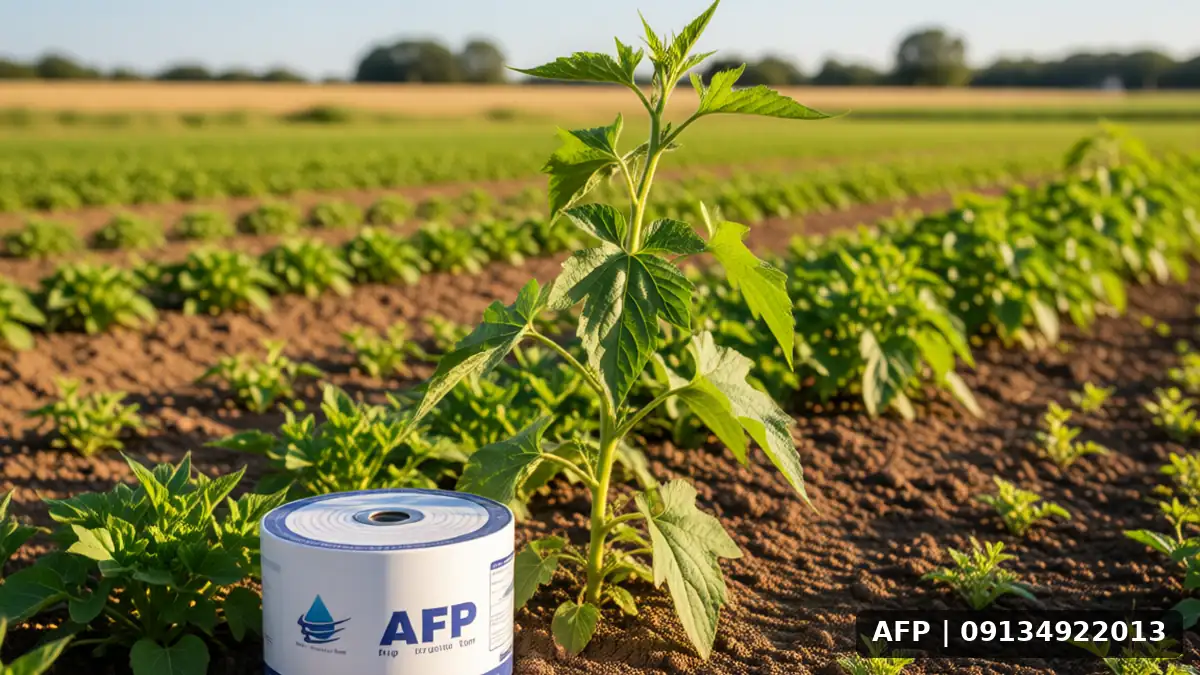
Cantaloupe cultivation is one of the most profitable sectors of agriculture in Iran and the East, but this crop is sensitive to zonal changes, various pests, and diseases. Many farmers believe that they must rely solely on chemical pesticides to reduce damage. However, the reality is that proper management of moisture and plant nutrition through drip irrigation can directly influence the plant’s susceptibility to cantaloupe pests and diseases. When a plant experiences less stress, its natural resistance to pathogen attacks increases remarkably. In this guide, we introduce you to the scientific and empirical principles of simultaneous irrigation and pest management for maximum yield and product quality.
The direct impact of drip irrigation on the ecology of cantaloupe pests and diseases
Unlike flood irrigation, which creates high surface moisture and an ideal environment for the growth of fungi and molds, pressurized systems such as tape line and drip systems moisten only the plant and root zone. This significantly reduces humidity in the inter-row space and the surface of the canopy. Reducing the relative air humidity around the plant prevents the formation of fungal circles and significantly reduces the incidence of downy mildew, leaf yellowing, and powdery mildew.
The impact of moisture on the prevalence of cantaloupe viruses
Viral diseases such as Cantaloupe Mosaic Virus (WMMV) are often transmitted by greenflies and other smart insects. One of the main factors attracting these insects is the excessive vigor of the plant mass due to irregular irrigation and fertilization. By strictly implementing a drip irrigation schedule, you can minimize water supply stress. When a plant is not subjected to severe drought stress, its immune system functions more strongly and it attracts fewer invasive insects. You can refer to the page on Important points before installing tape line in the field to learn more about correct pipeline installation principles to increase nutrient cycles. These technical notes are vital for system integration and preventing initial stresses that lead to plant susceptibility to pests.
Root diseases: The most serious threat in drip irrigation systems
Root diseases, including Fusarium root rot and Pythium, are among the most significant pests and diseases for cantaloupe grown with drip irrigation. These diseases occur due to high moisture in the root zone. If your irrigation system is not properly calibrated and large doses are injected at very short intervals, the soil becomes waterlogged, allowing fungal pathogens to grow in root masses. Consequently, the plant fails to absorb nutrients and turns yellow rapidly. The practical solution is precise control of timing and the interval between irrigation zones to allow the soil proper aeration. Additionally, paying attention to the specification of chemical fertilizers such as ammonium sulfate is important for correct system filtration to prevent clogging of drip emitters, which can create dry zones where pathogens survive.
Prevention of greenfly and aphid attacks through precise moisture regulation
Pest insects, especially greenflies, are generally more active when plants are weak and under-irrigated. Therefore, regular and sufficient drip irrigation plays a vital role in preventing attacks from greenflies and aphids. These insects usually seek out plants showing signs of early stress. By maintaining a moisture program, cantaloupe plants remain healthier and do not attract invasive insects. You can refer to the guide on Tape line with photovoltaic solar and with plastic to ensure the complete integrity of your equipment for uniform irrigation.
Nutritional estimation and pest control in drip systems
One of the major and unique advantages of drip systems is for bell pepper productionis fertigation. In this method, nutrients and even bio-film solutions (such as Trichoderma) are injected directly into the root zone. Using Trichoderma in this system is one of the effective ways to free yourself from root rots and use bio-control against soil-borne pathogens. This method significantly reduces the need for chemical pesticides. At the same time, using disinfectant solutions through the system before the start of the growing season can reduce the initial population of harmful bacteria in the soil.
Pests and diseases of bell pepper with drip irrigation: Practical key points
To be able to benefit from the advantages of drip irrigation in pest control, you must follow the points below. These points are a combination of experience and scientific knowledge that should be implemented in your farm:
- Cleaning and disinfection of the system: Before the start of each growing season, clean and disinfect the system for the presence of fungi and bacteria. If the system is contaminated, drip irrigation will become a factor in the spread of disease instead of helping the plant.
- Irrigation based on plant needs: Avoid irrigation in fixed daily intervals. It is better to vary irrigation doses based on weather conditions and plant age. Plants in the vegetative growth phase need more water, and this can increase susceptibility to rot.
- Use of distribution-type emitters: These emitters cause water to spread more widely over the soil surface and prevent moisture accumulation in one spot, which is a factor in rapid fungal growth.
- Regular monitoring of soil and leaves: Regularly check the root soil mass and bell pepper leaves for early signs of pests. Drip irrigation can hide some symptoms, so careful visual observation is needed.
- Fertigation with bio-film materials: Use the system’s capacity to inject Trichoderma and Bacillus into the root zone. These materials are enemies of rot fungi and naturally prevent pests and diseases of bell pepper with drip irrigation.
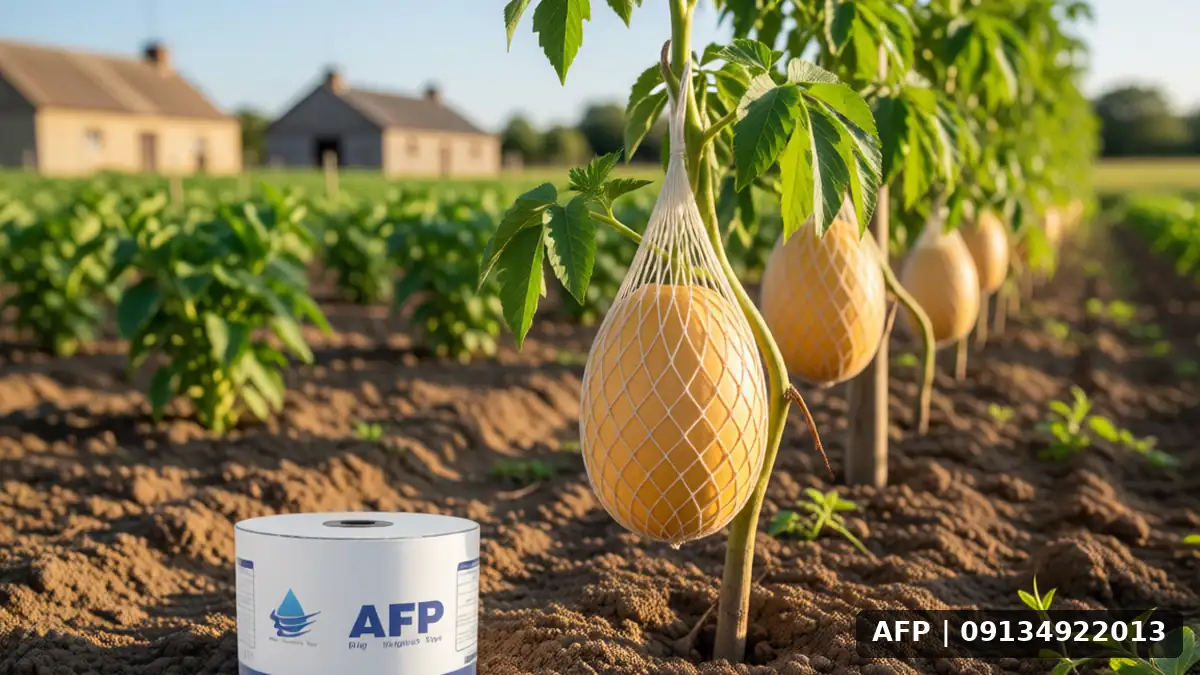
Weekly scheduling table for moisture control and pest prevention
For a healthy melon farm, it is better to have a transparent planning schedule. The table below is a practical guide for moisture management and pest control in drip irrigation systems:
Use of Seed quantity per hectare Correctly, alongside irrigation, ensures an appropriate plant density in the field. Excessive density reduces air circulation and increases relative humidity in the field, consequently making pests and diseases more common.
Melon diseases: Early signs and diagnosis methods with drip irrigation
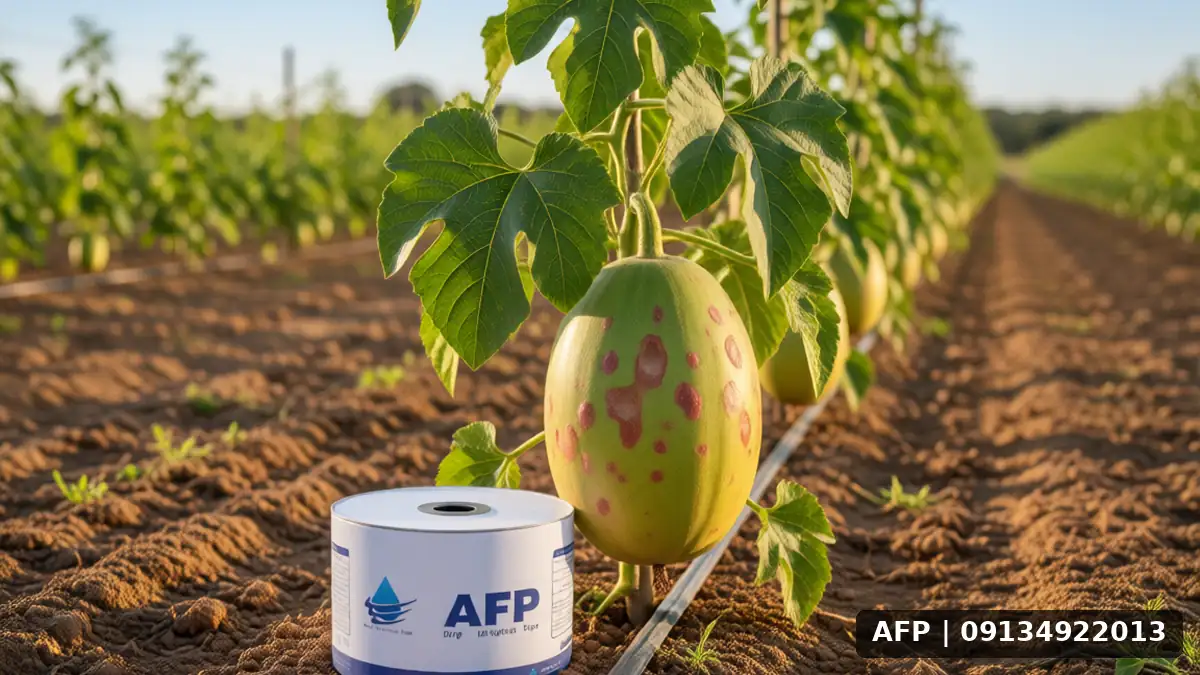
Early identification of signs is key to controlling pests and diseases in melons with drip irrigation. If you observe brown or yellow spots on leaves, or soft root rot near the dripper, you are likely experiencing hydraulic problems. This issue, caused by pressure drop and system stoppage, causes moisture to concentrate in one spot, allowing fungi to grow. To prevent this, use self-cleaning drippers that prevent sedimentation and the creation of saturated zones. Other signs include reduced root growth, color changes in stems, and premature fruit drop. In all these cases, first ensure the correct functioning of irrigation systems and drippers, then move to chemical or biological pesticides.
Frequently Asked Questions on Pest and Disease Management in Melon Cultivation with Drip Irrigation
Can drip irrigation prevent persistent mosaic virus?
Drip irrigation does not directly eliminate mosaic virus; however, by maintaining plant health and resistance, it significantly reduces the attack rate of greenflies (the virus vector). Plants kept healthy through drip irrigation are less susceptible to flying insect infestations.
Is dripper spacing important in root rot control?
Yes, it is of great importance. Optimal spacing prevents moisture accumulation in specific zones. For systematic irrigation, it is recommended to adjust the distance between drippers based on plant age. As the plant grows, spacing should increase to ensure uniform root irrigation.
Can chemical pesticides be applied through drippers?
Many chemical pesticides, especially root-applied herbicides, can be injected via the fertigation system. However, always ensure the pesticide is compatible with plastic and metal drippers, as certain chemicals can deform or clog the system. Always follow the technical instructions for each pesticide.
Does reducing water consumption with drip irrigation guarantee a general reduction in pest outbreaks?
No, reduced water consumption does not directly lead to pest control; rather, it occurs through changes in the farm ecosystem. Drip irrigation reduces moisture in inter-row spaces, which decreases the population of moisture-loving insects. Therefore, this is an indirect but effective process.
Conclusion: Integrated Solutions for a Healthy Crop
Pest and disease management in melon cultivation using drip irrigation is an innovative approach based on prevention and precise control of the plant growing environment. By following proper installation and maintenance principles for drippers, utilizing appropriate fertigation, and conducting regular monitoring, an environment can be created where plants grow healthier and are more resistant to pathogen attacks. This method not only reduces the use of chemical pesticides but also preserves crop health and quality by enhancing the plant’s natural resistance. If you are looking for more ways to increase productivity and control pests, we recommend reading the article Melon and Squash Yield per Hectare familiarize yourself with other aspects of drip irrigation. By combining irrigation knowledge and pest management, you will have a productive and healthy farm that is beneficial both economically and environmentally. Success in this path requires continuous follow-up and ongoing learning to always prevent new problems and pests.