Drip Tape Yield Per Hectare for Safflower: A Practical and Efficient Guide
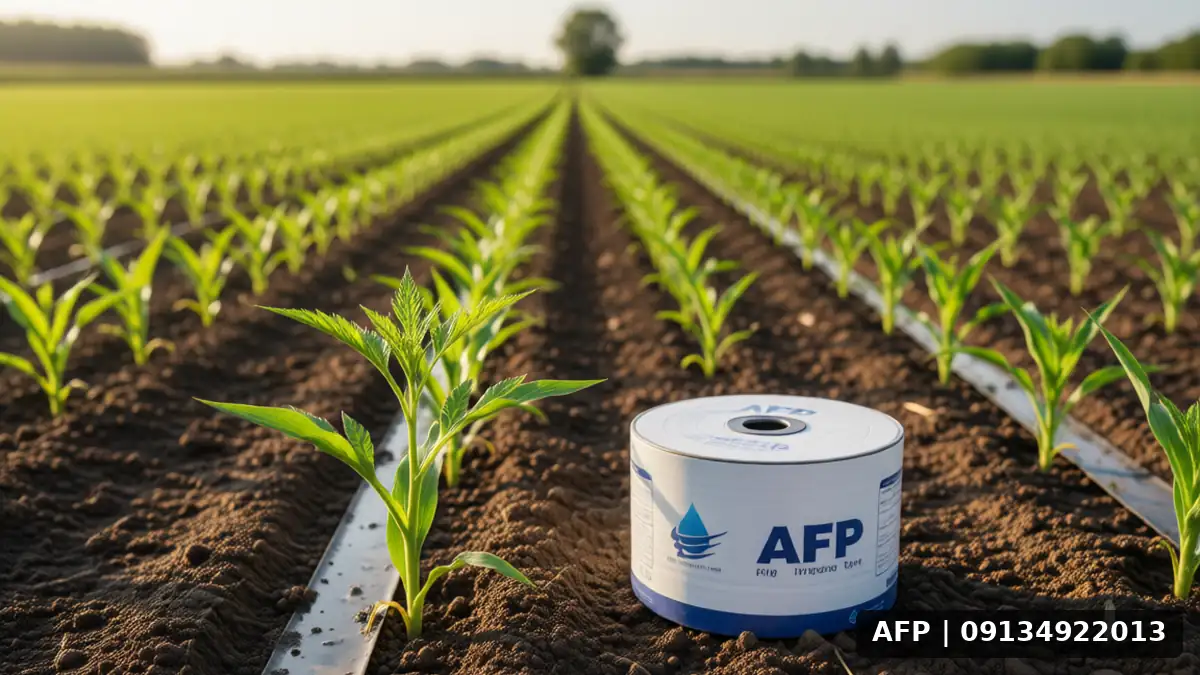
Flax cultivation is a notable crop among Iranian farmers due to the presence of fine seeds, susceptibility to rot, and widespread applications in various industries. Given water resource constraints, utilizing modern irrigation methods such as drip tape can have a significant impact on improving product quality and quantity. In this guide, we examine the factors affecting flax yield per hectare and how to optimize it using drip tape.
Drip tape is a type of plastic drip irrigation tape produced in rolls and installed in field crops. This irrigation method, due to uniform water distribution and fertigation, directly has a positive effect on plant roots. To better understand this process, reference is made to various factors such as seed selection, planting distance, planting depth, and pest and fertilizer management.
Factors affecting flax yield per hectare
Selection of appropriate seed and its quality
One of the most critical determinants of final yield is selecting healthy seed with a high germination rate. Sunflower seed must have high purity and low contamination with weed seeds. Furthermore, using disease-free seed reduces the risk of losing the entire crop. Farmers can consult with specialists to select the optimal seed type based on the regional climate. In this regard, studying spring barley yield per hectare can also provide a general perspective on managing residual crops, although sunflower is not a cereal crop, it shares similar principles in root zone management.
determining appropriate planting spacing and arrangement
Sunflower planting spacing is of particular importance. In drip tape systems, seeds are typically planted 30 to 40 centimeters from the drip line to ensure roots access water and nutrients without physical interference from the tape. Poor arrangement can lead to intense plant competition for resources and reduced grain yield. Standard sunflower planting density per hectare usually involves multiple rows and varies depending on seed type and climatic conditions. Understanding field capacity and proper arrangement is key to achieving optimal yield. Farmers can learn about similar concepts in cereal cultivation by studying bean seed requirement per hectare although sunflower has its own specific conditions.
Drip irrigation management
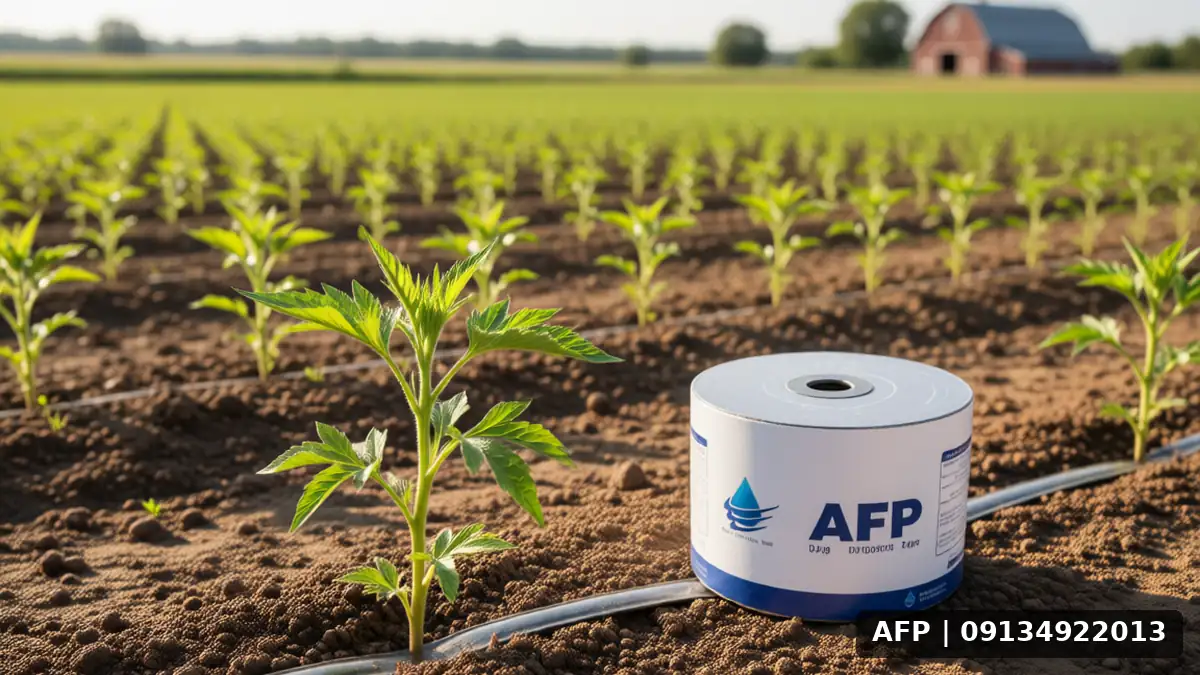
Drip irrigation requires precise water flow management. If the flow is excessive, pressure at the end of the line decreases, causing uneven irrigation. If the flow is low, plants along the line suffer from water stress. Proper pressure adjustment and selecting the correct drip line type based on soil (sandy, loamy, or clay) are critical. For rapidly draining soils, drip lines with higher flow rates are recommended. Additionally, using appropriate connectors prevents leaks and kinks. In this context, familiarity with Agricultural drip line connectors helps in better understanding system installation and maintenance. A properly configured system directly impacts root development and, ultimately, grain yield.
Practical tips for increasing yield
Fertilization and fertigation program
This crop is not resource-intensive, but it requires nitrogen and phosphorus fertilizers. With drip irrigation, fertigation (injecting fertilizer into the irrigation system) is possible, which saves on fertilizer use and increases plant uptake. Planting without appropriate fertilization may lead to poor plant growth and reduced stalk count, which directly affects grain yield per hectare. Farmers should use quality seeds and fertilizers and plan according to crop requirements. To better understand the importance of nutrition in this cultivation, you can also refer to the seed amount per hectare guide, although the nutritional requirements for this crop are different.
Disease and weed control
Planting melons in drip line systems increases the risk of weed growth due to moisture accumulation in the drip lines. Using mulched cultivation and firming the soil can be helpful. Additionally, early identification of root diseases and using cleaned seeds reduce the risk of crop loss. Proper management of weeds and diseases directly affects the final crop yield per square meter. Farmers can use control tools to keep the root zone of melons clear.
Moisture and climatic condition management
Melons require adequate moisture, but waterlogging weakens them. Drip systems enable precise moisture control. In arid regions, using mulch can help conserve moisture. Also, paying attention to soil type and its permeability is crucial when selecting an irrigation schedule. Farmers can prevent over-irrigation by regularly monitoring soil moisture. This directly impacts the quality and quantity of the produced seeds.
Frequently asked questions about melon yield per hectare
Is drip irrigation more suitable for melons than rain irrigation?
Yes, drip irrigation generally provides better efficiency for melons due to uniform water distribution and reduced evaporation. It also enables fertigation.
What should be the planting distance for cowpea from the drip line?
Typically, a distance of 30 to 40 cm is suitable. This spacing allows for better root growth and reduces competition among plants.
Can drip tape be used for different types of cowpea?
Yes, any type of cowpea can be cultivated using drip tape by adjusting the flow rate and pressure accordingly. Selecting the appropriate type of drip tape based on soil and climate is recommended.
What is the required rainfall amount per hectare for cowpea?
The exact amount depends on variable factors such as soil type, climate, and plant growth stage. For more precise control, using soil moisture sensors is recommended.
Does the use of drip tape increase initial costs?
Yes, the initial cost of a drip tape system is higher, but it is more profitable in the long term due to reduced water, fertilizer, and labor consumption.
Conclusion
Achieving Safflower yield per hectare via drip irrigation at an optimal level requires a comprehensive and multidimensional approach. From selecting healthy seeds and appropriate planting arrangements to precise irrigation and nutrient management, each factor influences the final crop yield. The drip irrigation system, by enabling precise control over water and nutrient resources, offers significant opportunities to increase efficiency and reduce the risk of safflower cultivation. Farmers can achieve optimal yields by applying these principles and adapting them to local regional conditions. Additionally, studying reliable resources and utilizing current knowledge in farm management can lead to increased profitability and sustainability of the crop in the long term. Finally, it is recommended that farmers ensure the quality and credibility of the seller when purchasing drip irrigation lines and consult irrigation specialists if needed. This can be effective in maintaining line performance and increasing crop yield in the long term.
Related Articles: mikdori tukhmi havyz dar yek ghektar rohnamoi purra