Parsley Yields Per Hectare Using Drip Tape: Complete Guide to Crop Optimization
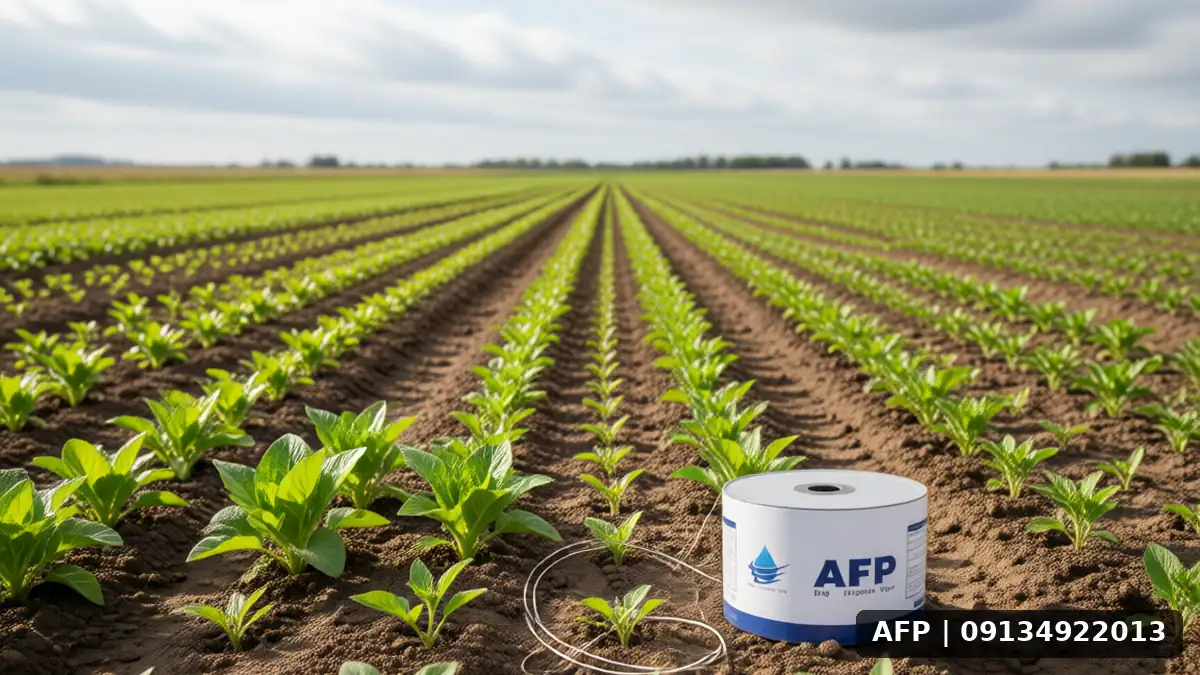
Parsley, as a high-demand medicinal herb and vegetable, holds a special place in agricultural economics. Many producers are looking to optimize water resources and increase parsley yield per hectare using drip irrigation . This modern irrigation system not only saves water but also enhances soil structure and coverage through uniform distribution of moisture and nutrients, ultimately leading to a noticeable increase in crop yield. In this technical article, we examine all technical and practical aspects of growing parsley with drip irrigation so that you can produce high-quality, high-quantity products with full awareness. Surface drip irrigation provides greater control over moisture application, which is vital for the shallow root system of parsley.
The importance of drip irrigation in parsley cultivation
Parsley has a shallow but highly branched root system and requires continuous soil moisture. Rain or flood irrigation can lead to root hypoxia, stress, or fungal diseases. In contrast, drip irrigation delivers water and nutrients directly to the root zone. This allows the plant to direct its energy toward stem and leaf growth rather than searching for water. Additionally, by reducing direct evaporation from the soil surface, root temperatures remain lower in summer, resulting in more uniform growth and reduced heat stress in the plant.
Key benefits of using drip irrigation
- Increased nutrient dose: The ability for fertigation (delivery of liquid fertilizer) with high precision and reduced loss of nutrients to deep soil layers.
- Weed control: Drying out the inter-row zones significantly reduces weed growth and decreases the need for herbicide application.
- Reduced energy costs: Due to lower pressure compared to overhead sprinklers, pump electricity consumption is reduced.
To better understand how to select appropriate equipment, you can refer to the article Selecting Agricultural Drip Tape to familiarize yourself with various sizes and spacing intervals and determine the best option for your farm.
Factors affecting dill yield per hectare
Parsley yield per hectare under fixed drip tape is not constant and depends on multiple factors. Under optimal conditions, yield can range from 1,500 kg to over 2,500 kg per hectare, depending on seed type, regional climate, and proper management. However, achieving these figures requires a deep understanding of environmental and management variables. Additionally, comparing yield with other crops provides farmers with better insight into whether investing in one hectare of parsley is more logical than investing in alternative commodities.
Impact of climate and soil type
Parsley is a cool-season crop, but its roots are sensitive to drought stress. In heavy soils, permeability is lower, and drip tapes with wider emitter spacing or drippers with higher flow rates should be used. In light soils, filtration is faster, and irrigation frequency must be increased. Familiarity with Black radish yield per hectare + influencing factors can provide you with better insight into the behavior of leafy plants with drip tape and clarify the subtle differences between root vegetables and leafy vegetables.
Plant nutrient management
Adhering to fertigation principles in drip tape is the key to increasing parsley yield. Parsley has high requirements for nitrate, acidity, and potassium. Injecting liquid fertilizer through the drip line ensures that roots receive nutrition without severe acidification of the root solution. The fertilization program should be adjusted based on soil analysis, as excessive nutrition causes early bolting, which significantly reduces product quality.
Practical tips for increasing yield with drip tape
To fully utilize the capabilities of this system, you must consider the following practical steps. These measures directly affect the yield of parsley per hectare when using drip tape and can reduce the final cost of the crop and increase profit.
- System pressure adjustment: Pressure should be within the range of 1 to 1.5 bar. Low pressure causes emitter clogging, while high pressure causes irrigation overspray and water waste. We recommend that all specialists read the article Measuring water pressure for drip tape to ensure the health of the system.
- Line Spacing Selection: Typically, the spacing between dill strips is around 30 to 40 cm. This distance should align with the plant’s leaf spread to prevent mutual shading.
- Use of Retractable Strips: In crop rotation, using retractable drip lines reduces plastic waste and improves farm hygiene. Learn more about the differences between drip tape, seamed drip, and plug-type lines to select the best option for your soil type.
Root Distribution and Planting Spacing Issues
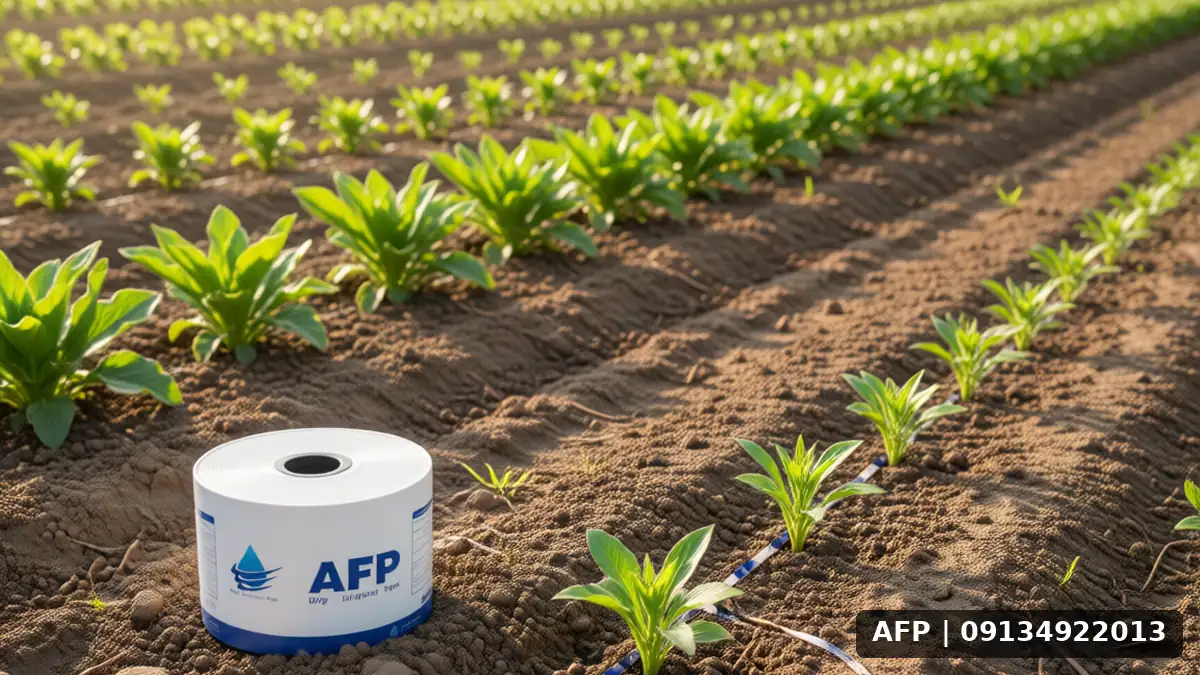
Planting spacing directly affects dill yield per hectare when using drip tape. If spacing is too narrow, competition for water and light increases, causing asymmetrical growth. If too wide, field area is underutilized, reducing yield. Typically, row spacing of 40 to 50 cm and in-row spacing of 15 to 20 cm is recommended. This layout ensures the drip tape fully covers the root zone. To better understand the impact of layout on performance, comparing with similar studies, such as broccoli yield per hectare (comprehensive guide), can be useful and provide a suitable model for adjusting density.
Answers to Frequently Asked Questions (FAQ)
The following addresses common farmer questions about parsley cultivation using drip tape.
Is drip tape suitable for all types of parsley?
Yes, drip tape is suitable for all parsley cultivars (including curly parsley and local varieties), but emitter flow rates must be adjusted based on leaf thickness and soil cover. Faster-growing cultivars require slightly higher flow rates to match their water consumption rate.
How do drip tape costs affect the economic viability of parsley cultivation?
Although the initial cost of drip tape exceeds that of hanging emitters, reduced water consumption, lower filtration costs, and significant yield increases lead to return on investment within the first to second season.
How can blockage of drip tape emitters be detected?
Increased pressure at the manifold outlet, uneven water distribution from emitters, and drying out of specific field areas (while others remain moist) are common signs of blockage. Regular system flushing is vital.
Final Summary
The use of drip irrigation systems in parsley cultivation is a smart investment for improving product quality and quantity. Parsley Yield per Hectare with Drip Irrigation Compared to conventional methods, it demonstrates a significant increase, provided that principles of water and nutrient management are followed. Accurate knowledge of farm climates, correct selection of emitters, and continuous monitoring of system pressure are the main pillars of success. By following the points presented in this article, you can achieve optimal yield in parsley cultivation.
Related Articles: mikdori hosili luppa dar yak gektar omilhoi tasirkunanda va rahhoi afzoyish