Comprehensive Guide to Canola Cultivation Using Modern Drip and Tape-Line Irrigation Systems
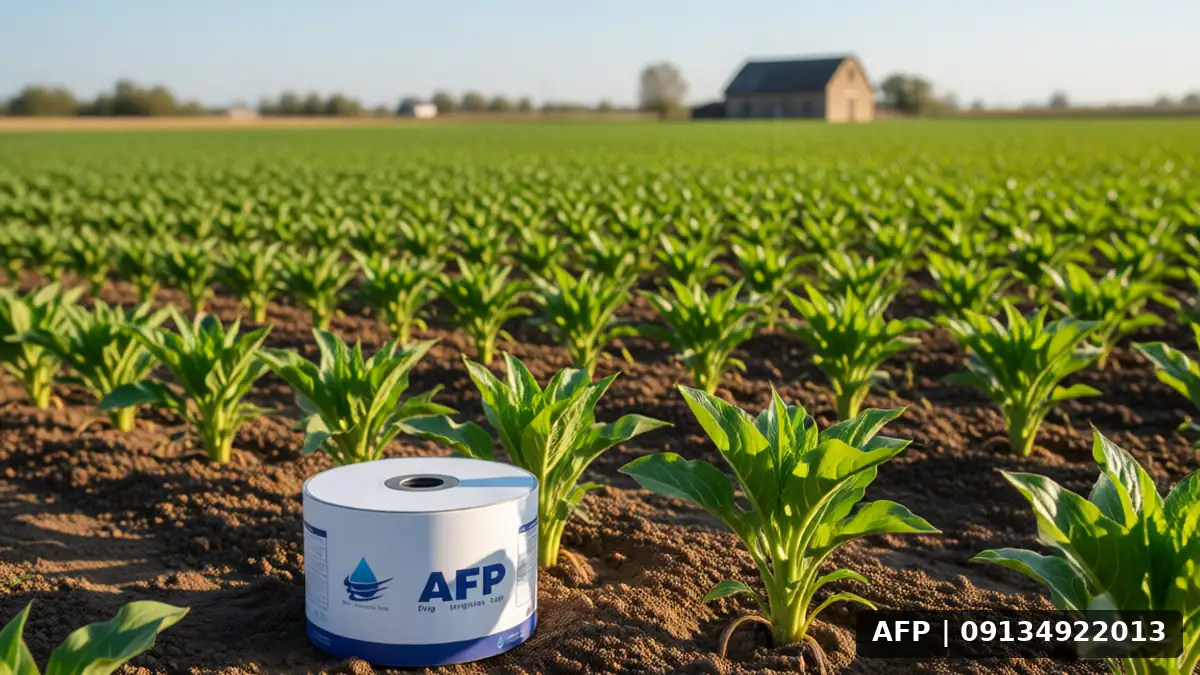
Cultivating rapeseed under Iran’s diverse climatic conditions presents a significant challenge in water resource management and consumption optimization. In this context, implementing rapeseed drip irrigation and utilizing drip tapes provide precise and effective solutions that not only reduce water consumption by 30 to 50 percent but also ensure uniform growth and improved seed quality by concentrating moisture in the root zone. Rapeseed is a plant that requires stable and uniform soil moisture during its initial growth stages; therefore, using systems that deliver water directly to the root zone allows the plant to conserve energy in water uptake and focus its metabolism on crop production. In the following article, while examining the basic principles of cultivation using modern methods, we address technical details, engineering calculations, and practical farm management to enable farmers to utilize these technologies with confidence.
Technical and engineering principles in rapeseed drip irrigation
The successful execution of rapeseed drip irrigation relies on a precise understanding of plant physiology and farm environmental conditions. Rapeseed exhibits high sensitivity to moisture stress during the period from the four-leaf stage to flowering. In this sensitive phase, drip tapes offer a qualitative advantage due to the high lateral movement of soil moisture. The more precisely water reaches the roots, the less energy the plant expends searching for moisture, allowing more to be used for flowering and seed setting. Water supply network calculations are the most important technical component of this system. Calculating pipe flow rates Per hectare, the first and most critical step for correct network design. You must ensure that the pressure difference between the end and the beginning of the pipeline lines is not significant, to maintain uniform water distribution. Additionally, considering the natural slope of the land and the prevailing wind direction when aligning pipeline sections is one of the most important engineering factors. This is sometimes overlooked by farmers unfamiliar with hydraulic principles, which can lead to yield variability within a farm.
Accurate calculation of the discharge coefficient and selection of the drip tape
One of the main and frequent challenges in rapeseed planting is the precise adjustment of the drip tape discharge rate. Inappropriate selection of tape wall thickness or non-operational discharge rates can lead to emitter clogging, irregular spray patterns, and a severe reduction in irrigation efficiency. For this purpose, Selecting drip tape with optimal wall thickness For specific orchard and field conditions, this is considered to ensure better performance and longer system durability. In rapeseed, drip tapes with a flow rate of 1 to 2 liters per hour per line meter are generally used; however, these values are not fixed and must be calculated based on soil type (sandy, clay, or loam) and ambient temperature. In clay soils with lower permeability, a lower flow rate but a longer irrigation time is recommended to allow water to penetrate deeply at a steady pace. On the other hand, understanding the differences from traditional methods such as furrow irrigation helps us better understand balance. Although furrow irrigation is an older method, in some cases, it can serve as a complement to modern methods during soil bed preparation or pre-planting basal irrigation. The smart combination of these two methods, if engineeringly required, can optimize costs.
Critical irrigation scheduling for rapeseed during growth stages
Timing irrigation management is as important as selecting equipment. Rapeseed is a biennial crop (or an annual crop with spring/autumn planting cycles) that has different water requirements in various seasons. During the germination stage, light and continuous irrigation (usually once a day) is essential to prevent the soil surface from drying out. At this stage, the soil where the seeds are placed must remain moist; otherwise, the seed coat will harden, the emerging root will be unable to break through it, and germination rates will decrease. During the root development stage, the strategy should change; irrigation frequency decreases while the volume per cycle increases. This is the optimal time to utilize drip lines to encourage roots to penetrate deeper into the soil and to increase the plant’s resilience against future stresses. During the sensitive flowering stage, any interruption in irrigation can be devastating. Water deficit in this period directly affects flower formation and its conversion into pods, leading to smaller seeds and reduced oil quality. The best time to install subsurface irrigation systems is when rainfall is low and evaporation is high. Subsurface irrigation, by placing lines at a specific depth, eliminates the direct effects of wind and sunlight on the soil surface and reduces weed growth, which is a significant economic advantage for the farmer.
Key practical tips for optimizing and maintaining the system
- Never lay drip lines on dry, compacted soil; first, till the bed to improve soil permeability. Compacted soil prevents the uniform distribution of water around the line and causes moisture to accumulate in a specific zone, which is harmful to the roots.
- To prevent fungal growth and line clogging during the season, do not forget to use approved anti-fungal agents. The adhesion of microbial material to line emitters can block water flow paths and abruptly reduce output discharge.
- System-wide pressure monitoring must be controlled with a pressure gauge to prevent fitting bursts. Water pressure fluctuations are a major enemy of drip lines; excessive pressure causes the line walls to stretch and burst at connection points.
- Appropriate water filtration is a critical factor. The deposition of sand and fine particles in drip lines is one of the main reasons for the reduced useful life of these systems. The use of disc or turbine filters suitable for the climate is mandatory. To maintain line health, you must be familiar with how to extend the useful life of drip lines and follow the manufacturer’s instructions for final maintenance.
In addition to modern systems, traditional water resource management is still of interest. Although furrow irrigation methods are less recommended today, if you are combining them with drip irrigation, water chemistry management is vital. The combination of these two methods must be done with high precision to ensure that furrow water does not cause waterlogging of sensitive roots or leaching of essential soil nutrients. This balance requires continuous monitoring of water quality and timing sequences.
Answer to Frequently Asked Questions (FAQ)
What is the recommended line spacing for tape drip in canola?
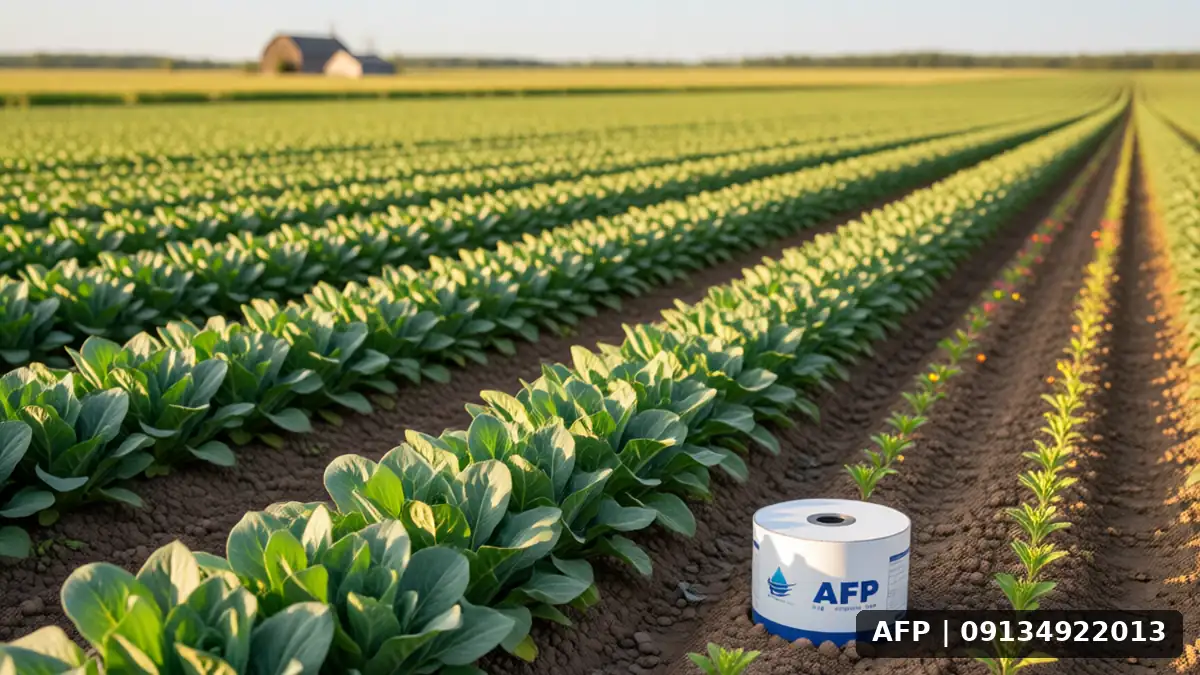
In hot, high-pressure climates, a 50 cm spacing is recommended, while in cooler climates, 60 to 70 cm is advised. This spacing should align with seed sowing density and weed growth between rows to facilitate plant access for spraying and early post-harvest operations. Additionally, adhering to standard spacings prevents overlap of moisture zones around the tapes, resulting in direct water savings.
Does tape drip in canola have a good service life?
By following guidelines to extend the service life of tape drip, such as proper collection after harvest and complete washing of organic matter, it can be used for up to three seasons. Proper storage at room temperature and away from direct sunlight prevents chemical changes in the tape polymer. Due to its soft structure, tape drip is more vulnerable to damage than rigid drippers; therefore, careful handling and prevention of tearing during collection are essential.
What is the difference between tape drip and standard drip in canola?
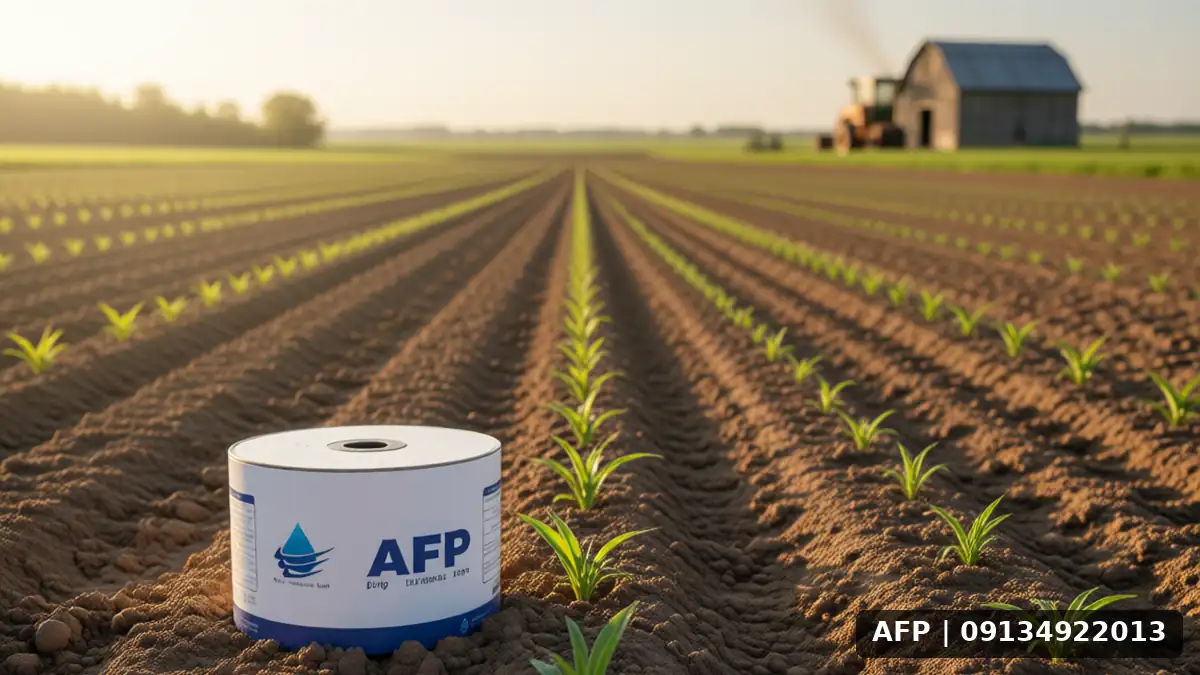
Review Types of tape drip and their performance Drip tape requires less investment and is easier to install, but drip lines show greater durability in hotter climates. Point source drippers apply water at a specific depth, which is ideal for hot and dry climates with high evaporation. The choice between the two depends on the initial budget and the salinity level of the available water. In general, rapeseed, due to its sensitive root system, performs better with more precise drip systems.
Final Summary and Recommendations
Sowing rapeseed with drip irrigation is a smart investment for a sustainable agricultural future. By carefully selecting spare parts, accurately calculating the flow coefficient, and continuously monitoring water pressure, you can prevent drought and water shortage risks during critical plant stages. To optimize further, it is recommended to carefully select the appropriate drip tape type suitable for your local soil and water conditions. Additionally, documenting pressure and flow rates throughout the seasons helps you predict system performance in future years and detect potential failures before they occur. Your success in increasing yield and seed quality depends directly on the precision of implementing these technical principles and adhering to the irrigation calendar. Through practice and lessons learned from each season, build a fully adaptable and efficient irrigation system for your rapeseed farms.