Rosemary Cultivation Cost per Hectare Using Drip Tape: Economic and Technical Analysis
Introduction: Why Rosemary with Drip Tape?
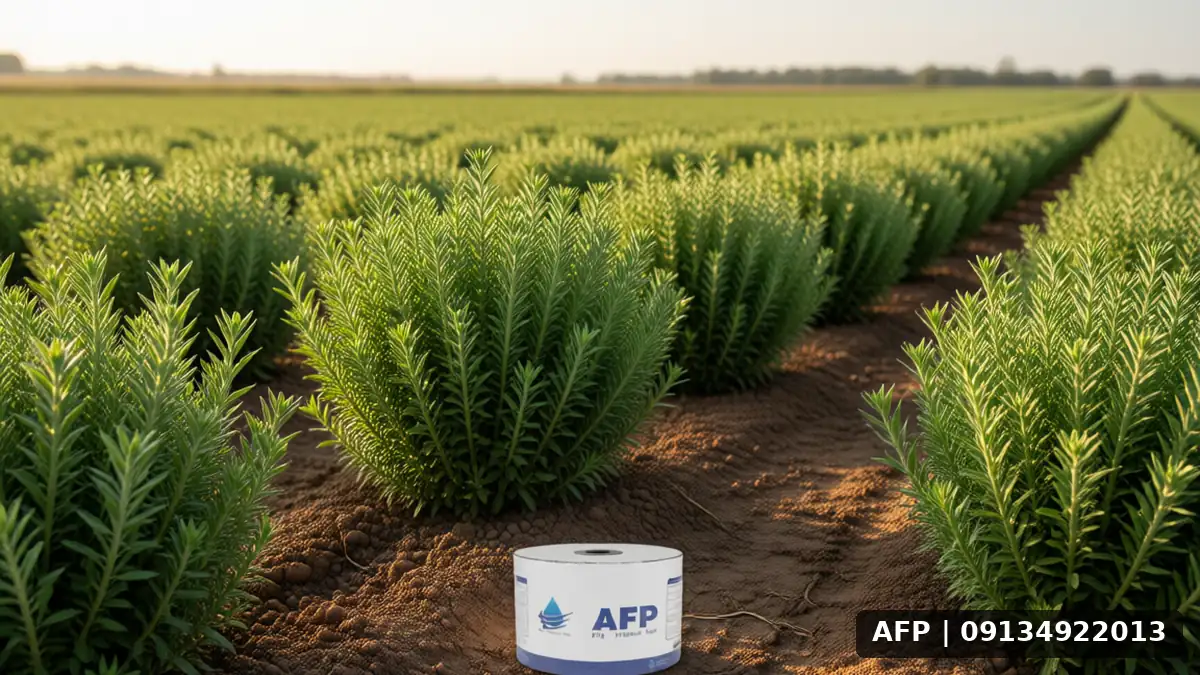
Rosemary is one of the most important medicinal and aromatic plants, with a hot market due to its antioxidant properties and wide applications in food and pharmaceutical industries. Cultivating this plant requires careful management of water and soil. The drip tape system is considered an ideal option for this type of cultivation due to low installation costs, optimal water usage, and precise nutrient delivery to the root zone. However, one of the main challenges for farmers is the accurate understanding of the cost of rosemary cultivation per hectare with drip tape so that they can make intelligent economic decisions.
In this section, our goal is to provide a realistic analysis of cost variables and offer key points for reducing costs and increasing efficiency. Please note that exact input prices vary by region, planting time, and market conditions; therefore, our focus is on the calculation logic and cost structure. By carefully examining these dimensions, farmers can prevent economic miscalculations and proceed with their investments with greater confidence. Additionally, it must be considered that rosemary is a perennial plant, and its profitability in subsequent years will offset the initial costs, provided that a solid foundation is established in the first year by adhering to technical and economic principles.
Detailed Analysis of Rosemary Cultivation Costs per Hectare
Land Preparation and Input Purchase Costs
The first and perhaps the largest component of initial costs is land preparation. For rosemary cultivation, the land should be chemically and physically amended. The use of gypsum powder, lime, and compost is essential for adjusting pH and improving soil texture. The price of these materials varies depending on the source location but generally constitutes a significant share of the initial budget. In addition, the purchase of initial inputs, including high-quality rosemary seeds or cuttings, is a cost that must be calculated in the first phase. Choosing inputs with strong root establishment can shorten the time to reach the harvest stage and ultimately reduce ongoing costs. Furthermore, using climate-adapted and resistant varieties reduces the risk of capital loss due to common diseases.
Drip Tape System Installation and Irrigation Infrastructure Costs
A proper drip tape system includes main pipes, valves, filters, a reservoir, and polyethylene tapes of appropriate diameter. The cost of purchasing these items is lower than that of a standard drip system, but the quality of the tape is critically important. Tapes with appropriate thickness and long service life reduce replacement costs in the years following planting. Also, the cost of connecting to the water source and installing a suitable pump to provide the required pressure for the drip tape must be included in the budget. Precision in calculating tape length and row spacing directly affects water consumption and rosemary growth quality; for a better understanding of the hydraulic behavior of these systems and calculating the appropriate flow rate, it is recommended to thoroughly study technical topics related to drip tape discharge rates to prevent water waste and increased pump energy costs.
Practical tips for reducing costs and increasing efficiency
For optimization, drip irrigation cost per hectare for rosemary cultivationobserving certain execution points can make a significant difference. First is planting density management. The appropriate spacing between bushes and planting lines must be adjusted based on the regional climate. Excessive density increases input costs and competition, while wide spacing wastes land capacity. Second is irrigation management. Drip irrigation allows watering based on root zone water needs. Using moisture sensors or even visual observation prevents under- and over-irrigation, both of which lead to unnecessary costs. Additionally, precise fertigation through the drip system ensures fertilizers reach the roots directly, reducing waste.
- Using drip tapes with UV stabilizers to extend system lifespan and reduce replacement costs in the second year.
- Synchronizing planting with favorable climatic conditions to reduce the need for greenhouses and energy costs during the early growth stage.
- Adhering to principles for increasing medicinal plant yields through proper nutrition and moisture management, which directly affects freshness and saleability.
Impact of pest and disease management on costs
Investing in prevention is always cheaper than treatment. In rosemary, if pest infestations such as aphids and fungal diseases like root rot are left uncontrolled, they can reduce yields by up to 40%. Using systemic pesticides at appropriate doses and correct timing, instead of repeated and costly spraying, keeps chemical costs within a manageable framework. Additionally, mulching around the bushes not only helps preserve moisture through the tape zone but also controls weeds and eliminates manual weeding costs. This allows root energy to be directed toward the production of secondary products and essential oils, improving the final product quality.
Frequently Asked Questions (FAQ)
What is the drip tape cost per hectare?
This figure varies depending on tape quality, line length, and number of components. However, generally speaking, the drip tape system is more cost-effective than drip irrigation and reduces the cost per hectare. For more details on cost comparison with other cropping systems and to understand the calculation model, you can read the article Planting density and cost for corn to better understand the calculation algorithm and apply it to rosemary cultivation.
Is drip tape suitable for rosemary?
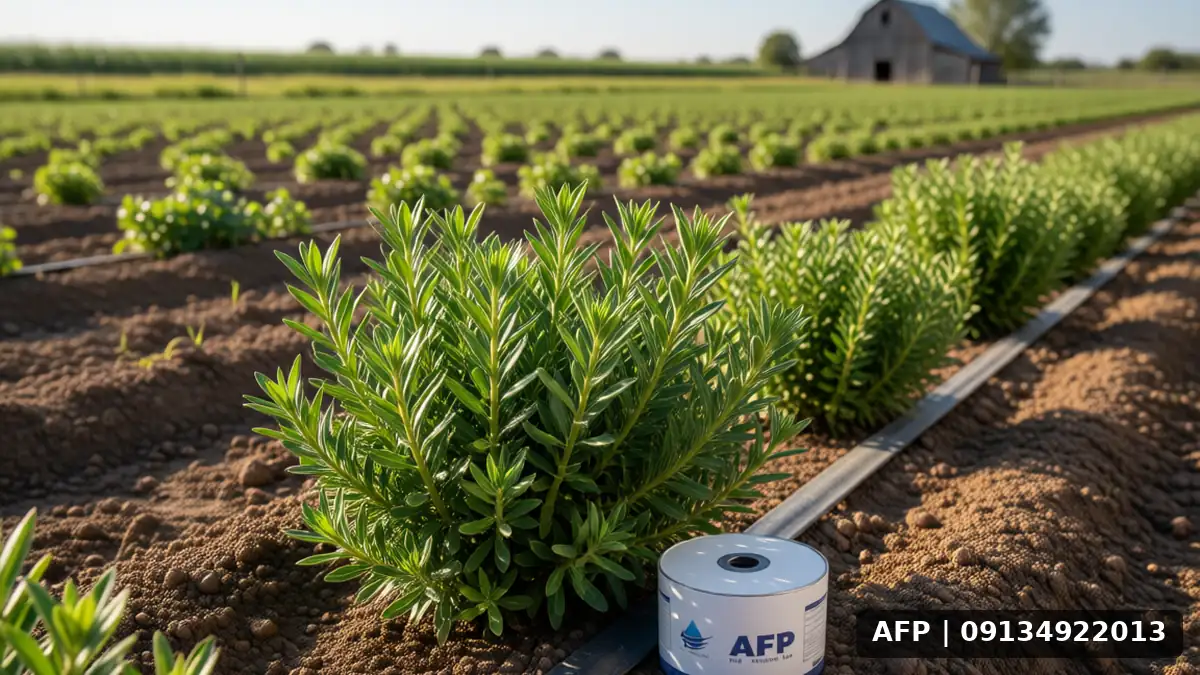
Yes, because rosemary does not have a woody or deep root system, and the drip tape system delivers water and nutrients precisely at root depth. This promotes faster growth and higher quality. Additionally, since rosemary is sensitive to drought but also susceptible to waterlogging, drip tape maintains the necessary balance.
When should drip tape be used?
From planting until approximately 6 months later, when the bushes have sufficient growth. After that, it may be recommended to remove the tape or switch to drip irrigation, depending on soil conditions and plant requirements. In some arid regions, continuous use of the system until the end of the season is recommended.
Conclusion: How to optimize rosemary crop costs with drip tape?
Accurate calculation Rosemary crop cost per hectare with drip tape is a dynamic process that requires attention to detail. From selecting and preparing the appropriate field to purchasing high-quality drip tape and smartly managing irrigation and fertilization, each stage affects final profitability. By following the principles outlined in this article and utilizing available scientific resources, economic risks can be mitigated and the high potential of this medicinal plant can be leveraged. Remember that overhead costs such as administrative and transportation expenses must also be included in final calculations to determine the true total cost.
For more information on other medicinal plants and the impact of cultivation methods on production, read the comprehensive guide on Increasing saffron yield per hectare It is recommended to apply similar principles in water and soil resource management. Finally, we advise consulting local experts in your region before starting cultivation to calculate costs based on current rates and make the best decisions.
Related Articles: Application rate of drip irrigation strips, spinach seed per hectare factors increase