Maintenance of Border Irrigation Using the Tape Method: Key Considerations
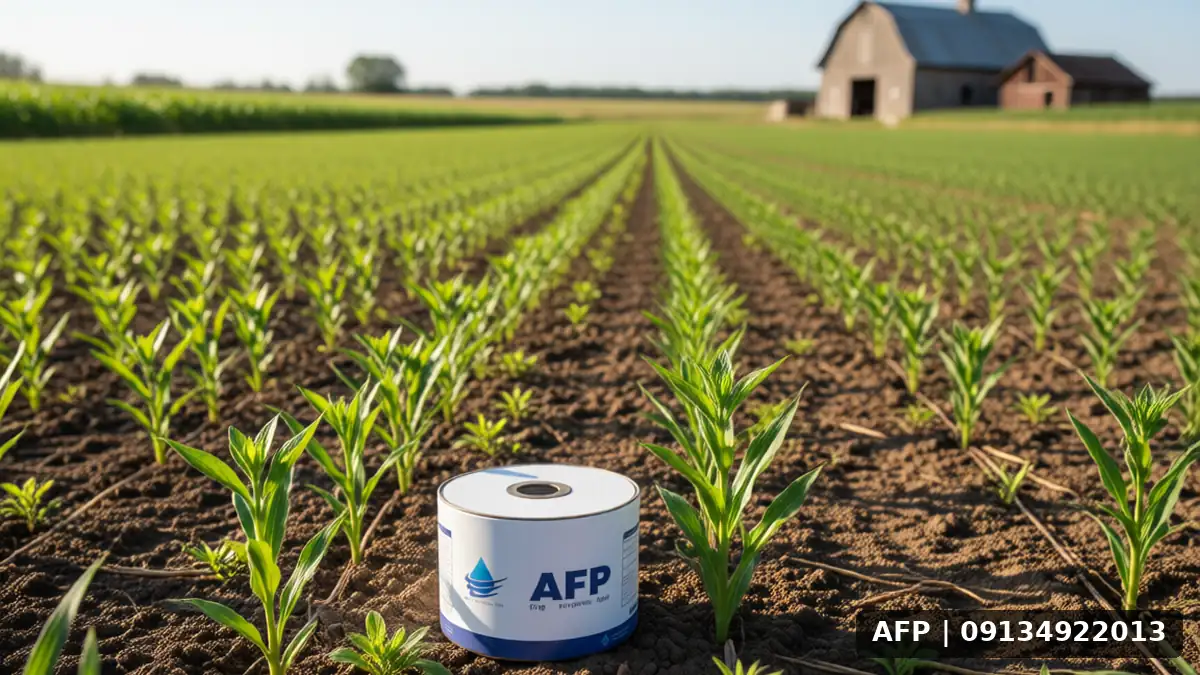
Why is drip line maintenance of critical importance?
In drip irrigation systems, the drip line is also referred to as a drip line. This system has gained significant popularity among Iranian farmers due to its lower cost and easy installation. However, many people incorrectly assume that drip lines are disposable and no longer needed after the end of the growing season. This perception is wrong. Drip Line Maintenance Maintenance can increase the useful life of the system and reduce your overall costs. Additionally, proper maintenance prevents clogging of the holes, plastic degradation, and physical damage. The following section examines why this is important and provides actionable solutions.
Impact of Maintenance on Crop Yield
When the drip line is in good condition, uniform water distribution in the soil is guaranteed. This directly affects root growth and, consequently, the amount of harvest. For example, in crops that require consistent moisture, such as the yield of oval watermelon per hectare, a uniform irrigation system plays a decisive role. If the drip line is not properly maintained, relative dryness or waterlogging will occur in parts of the field, causing stunted growth in crop products.
Comparison of Drip Lines with Other Systems
Before discussing maintenance details, it is essential to understand the difference between drip lines and other systems. Drip lines usually have thinner walls than hard polyethylene tubes and are more exposed to external factors. While drip lines in water storage tanks or reservoirs face different conditions, the principle of maintenance is common to both. In subsurface or deep lines, the risk of damage through cavities and gopher burrows is higher, so protecting the line is a top priority.
Impact of Wall Thickness on Durability
One key factor in maintaining drip tape systems is selecting the appropriate wall thickness. Using tapes with very thin walls increases the risk of bursting due to wind pressure or machinery passage, even with optimal care. Understanding this helps you make better decisions based on crop type and field conditions. For example, denser crops recommend more robust tapes.
Technical Review: Vulnerable Points in Drip Irrigation
To be able to maintain drip tape systems correctly, you need to know where the system is most prone to problems. The three main factors are: filter clogging, unstable pressure, and deterioration of droplet holes.
1. Filtration Management
The inline or strainer filter is one of the most critical components for protecting the system. If the filter becomes clogged, fine particles will enter the tape and clog the drip holes. The filter must be opened and cleaned regularly to ensure a uniform water flow throughout the length of the tape.
2. Water Pressure Control
Excessive pressure can cause the drip tape to stretch or rupture. Conversely, low pressure can lead to the sedimentation of suspended materials inside the tape, resulting in clogs. It is recommended to use a pressure regulator to maintain the pressure within the ideal range (typically between 1 to 2 bar).
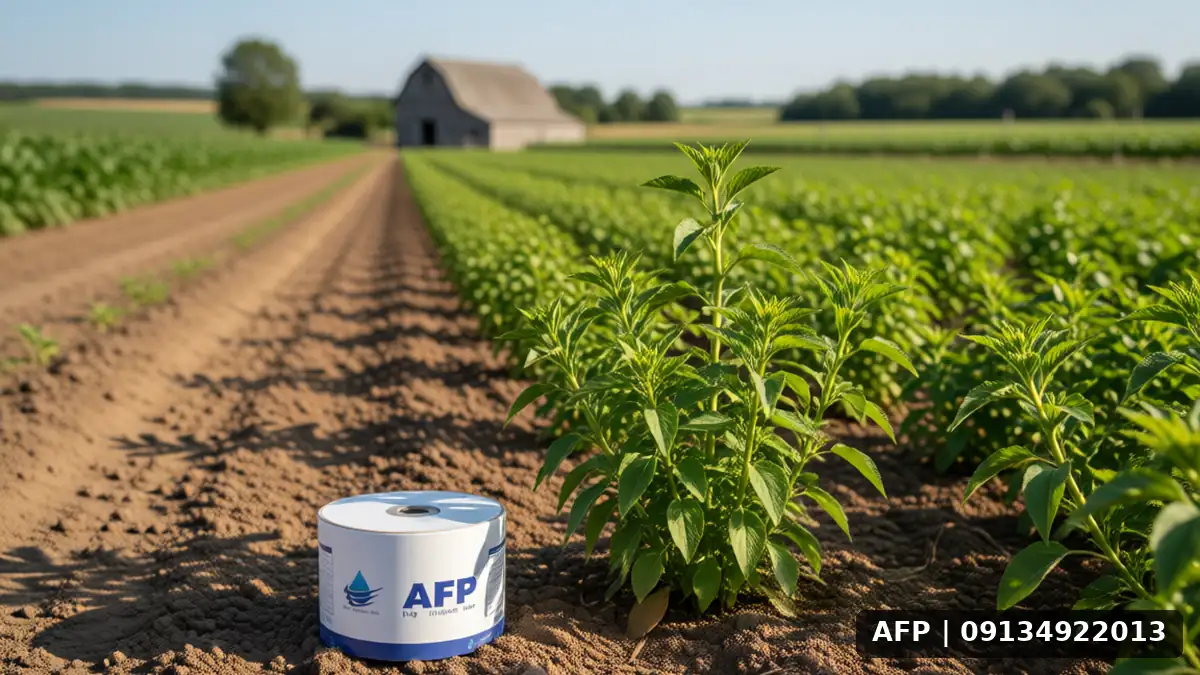
Practical Tips for Extending the Lifespan of Drip Tape
In this section, we provide a list of practical actions you can implement on your farm. These tips are applicable to various crops, whether using 90mm installation pipes for main lines or tapes for laterals.
- Cleaning Before Irrigation: Before starting each irrigation cycle, flush the first 5 minutes of water to ensure sediments and suspended particles pass through the filters and do not enter the tape.
- Using appropriate filters: Based on the water source (well, river, or municipal network), use filters with a 120 or 200-micron particle size.
- Visual inspection: After each irrigation cycle, stand along the line to ensure uniform droplet output. If dry or excessively wet zones are observed, it indicates clogging or pressure irregularities.
Specific considerations for bean drip irrigation
Beans are sensitive to uneven moisture. In this case, Drip line for beans must be placed with greater care in areas inaccessible to agricultural machinery. If the line is in the path of a tractor or combine harvester, the risk of rupture increases significantly.
Frequently Asked Questions (FAQ) About Drip Tape Maintenance
Is drip tape recyclable?
Many modern manufacturers offer reusable drip tape where the drip emitters are filled with a durable metal or plastic insert. These tapes have greater durability and can be used for several seasons. However, single-use tapes are cheaper and more suitable for seasonal cropping.
How does the wall thickness of drip tape affect its durability?
Wall thickness is directly related to the tape’s mechanical resistance to tearing caused by wind or animal passage. For rainfed farming and arid regions where high durability of the irrigation system is required, selecting tape with an appropriate thickness is critical. This is particularly important for crops like rainfed barley, which rely on fewer water resources. You can better understand the yield of rainfed barley per hectare, water consumption levels, and the importance of resource optimization.
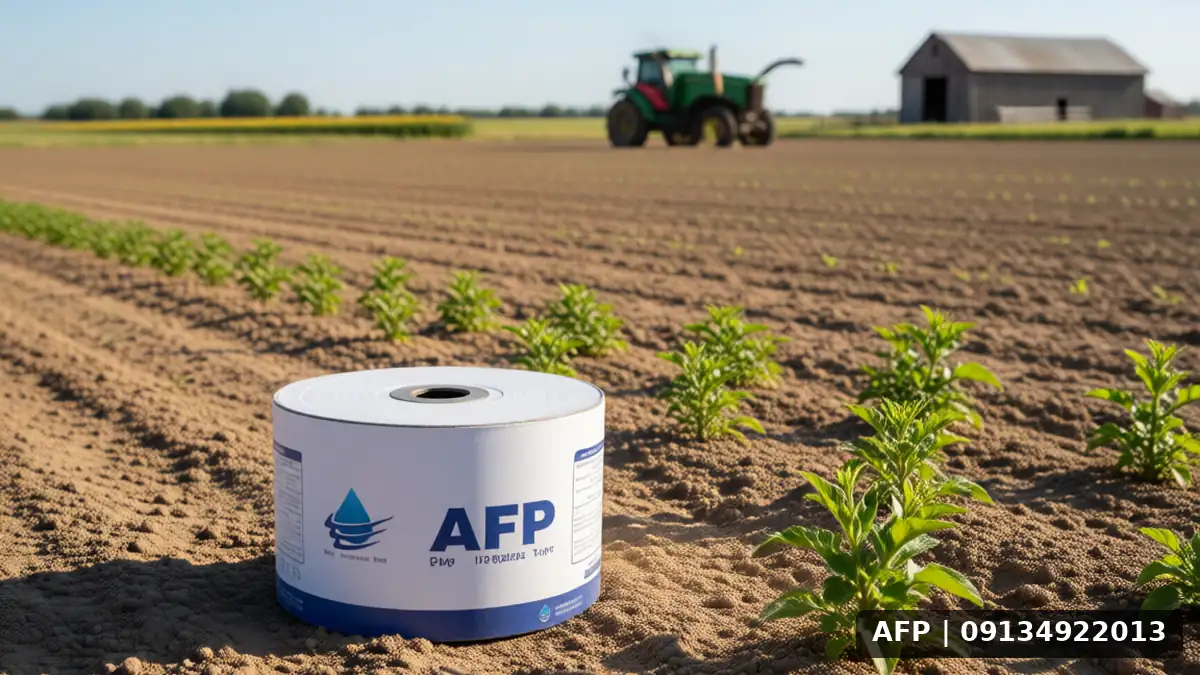
Can drip tape be left in the field during winter?
The best practice is to remove the drip tape from the field and store it in a dry, cool place. If left in the field during winter, cold temperatures cause the plastic material to become brittle, leading to tearing in the spring. Additionally, insects may take shelter inside the tape, causing damage.
Summary and Final Recommendations
Maintaining a drip irrigation line is a continuous process that includes filter management, pressure control, and physical protection of the line from external factors. By following the principles outlined in this article, you can avoid the costs of frequent line replacement and ensure the productivity of your crops. Always consider the quality of the line and the appropriate model selection based on crop type and weather conditions. For more information on drip line installation steps and proper system implementation, reviewing technical details is recommended. Attention to small maintenance details will make a significant difference in the final performance of your farm.
Related Articles: Watermelon Yield per Hectare: Influencing Factors and Methods for Increase, Related article Related article Related article Related article, broccoli harvest per hectare guide