Cost of Growing Triticale Using Tape Drip Irrigation per Hectare: Economic and Technical Analysis
Introduction to the Economics of Triticale Cultivation Using Drip Irrigation
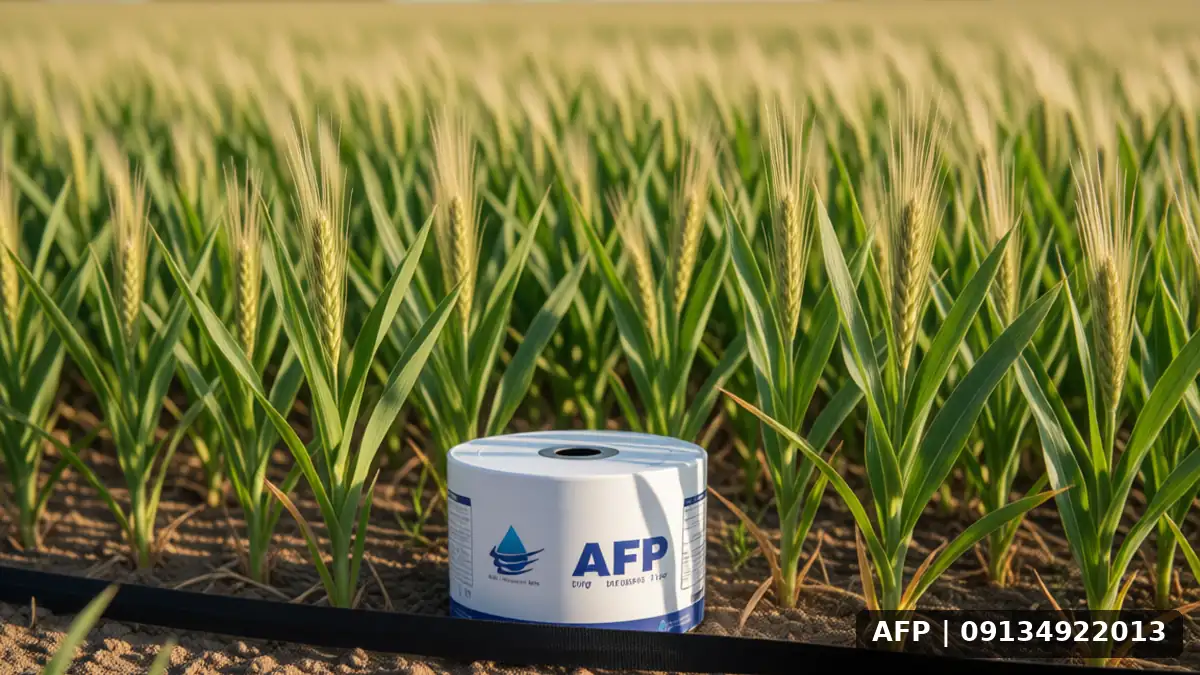
Triticale is a fast-growing crop that holds a special place in Iran’s integrated farming systems due to its dual use as animal feed and vegetation cover. The use of drip irrigation in this crop not only results in significant water savings but also directly impacts final yield by reducing weeds and improving plant growth. Accurate calculation of the cost of cultivating triticale with drip irrigation per hectare requires considering multiple variables, including seed quality, irrigation system installation costs, and technical crop management. The following section breaks down these costs to help farmers develop a precise financial plan for their cropping season.
Factors Influencing Final Costs
Cultivation costs are divided into two main categories: fixed and variable. Fixed costs include machinery depreciation, land rent, and initial investment in the irrigation system. Variable costs include seed, fertilizer, pesticides, electrical or diesel energy for pumping water, and labor. While the initial installation cost of a drip irrigation system may appear concerning, its return on investment is realized in the early years through a sharp reduction in water costs and an increase in grain yield (volume and quality). To better understand the structure of variable costs, awareness of standard cultivation ratios is essential, which will be addressed in subsequent sections.
Details of Operational and Investment Costs
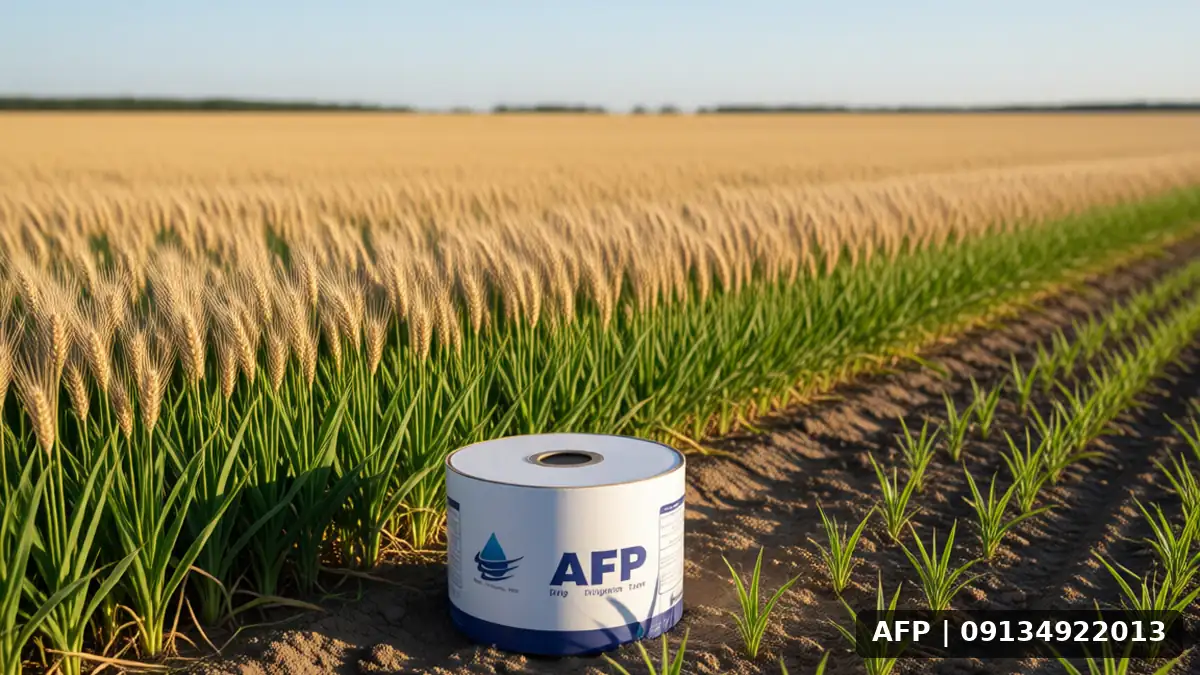
One of the main cost components of growing triticale using drip tape per hectare is purchasing irrigation equipment. Drip tape is generally usable for 10 to 15 years, so its cost should be allocated over that period. Factoring in the annual depreciation of this equipment helps calculate profitability accurately. Additionally, the type of pump and power source (electricity or diesel) significantly impacts operational costs. Farmers using solar energy to power drip tape irrigation pumps face higher initial costs but reduce fuel expenses to near zero in the long run.
Seed and mechanized planting costs
Triticale seed prices vary depending on genotype quality, drought resistance, and planting region. Although more expensive, purchasing standard, disinfected seed results in higher germination rates and reduces seed replacement costs. For a more accurate estimate, consider the seed amount per hectare for carrots as an example of small-volume grains with similar planting methods; however, triticale typically has lower mechanized planting costs due to its larger seed size. Using precision planters capable of adjusting planting depth through drip tape tubing is key to minimizing seed waste and optimizing costs.
Water management and reducing operational costs
The primary advantage of drip tape is delivering water directly to the plant root zone while reducing evaporation and deep percolation. This reduces the water requirement for triticale significantly compared to flood irrigation. Correct design of tape spacing and diameter can prevent the rapid wear of plastic tapes. Proper maintenance of the tapes prevents filter clogging, which otherwise increases repair and component replacement costs. Correct management of planting and tape spacing directly affects establishment cost and yield. To understand the engineering principles of planting and density that influence final costs, study drip tape usage training is recommended. These trainings help farmers avoid costly errors during initial installation.
Additional costs: Fertilizer and pesticides
In point irrigation systems, fertigation (fertilizer delivery with water) is usually performed. This method increases fertilizer uptake by the roots, thereby reducing the total volume of fertilizer required. Although this increases the need for auxiliary equipment such as fertilizer injection tanks, the reduction in chemical fertilizer waste provides a tangible economic advantage. Additionally, because soil moisture at the surface is lower, weed cover grows less, reducing the need for herbicide spraying. This directly reduces chemical treatment costs.
Practical tips for budget optimization
To reduce the per-hectare cost of triticale cultivation using drip tape, it is essential to follow several key practices. First, continuous use of the drip tape system over multiple consecutive years should be maintained to lower annual depreciation costs. Second, utilizing moisture sensors to accurately predict irrigation timing prevents unnecessary energy consumption. Additionally, selecting triticale varieties with a growth cycle suitable for the region reduces the number of irrigation cycles and associated energy costs. The management of plastic waste at the end of the drip tape’s lifespan must also be considered from the planning stage to avoid hidden environmental and collection costs.
- Calculate the initial drip tape cost based on the number of tapes per hectare and their length.
- Allocate electricity or diesel costs based on the number of irrigation cycles per year.
- Compare the depreciation costs of alternative scenarios (non-drip cropping).
- Include the risk reduction of crop loss due to drought in the value proposition of the drip tape system.
Frequently Asked Questions (FAQ)
Is the use of drip tape in triticale as cost-effective as in other cereal crops? Yes, due to the moderate water requirements of triticale and the potential for more precise management on a small scale, the return on investment (ROI) for drip tape is typically recovered faster.
What is the cost of repairing drip tape? Troubleshooting costs are usually minor unless extensive tearing occurs. Preventing clogging with the appropriate filter minimizes major repair costs.
Which varieties are best for growing triticale with drip tape irrigation? Short-straw and lodging-resistant varieties, which have higher compatibility with drip tape irrigation, are better choices. For more information on variety selection and associated costs for specific crops, you can refer to the chickpea seed rate per hectare guide to gain a better understanding of the differences in product quality and costs.
Conclusion
Calculating the cost of millet cultivation with drip irrigation per hectare is a complex process requiring a holistic view of technical, economic, and climatic factors. Although the initial installation cost of the drip irrigation system may be higher compared to traditional cultivation, it becomes a sustainable economic strategy in the long term by reducing water consumption, lowering fertilizer costs, and increasing the quality and quantity of the harvest. By carefully selecting the type of drip line, appropriate spacings, and precisely managing water resources, farmers can maximize profitability from millet cultivation. Ultimately, attention to execution details and utilizing available technical resources is the key to reducing final costs.
Related articles: Related article Related article Related article D8AFD8B1 Related article, Related article Related article D8ACD988 Related article D8AFD8B1 Related article