Tire Strip Spacing in Coriander Cultivation: Recommended Standards
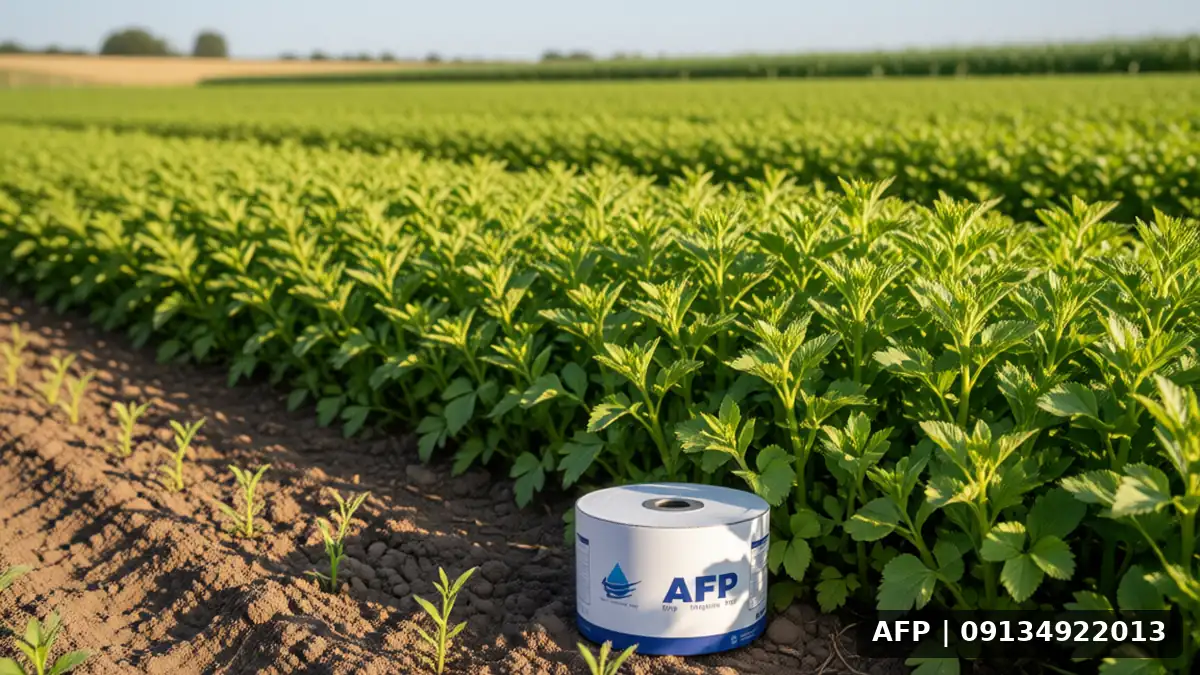
Introduction to the Importance of Drip Tape Spacing in Coriander Cultivation
Coriander, as a medicinal and aromatic plant with delicate and sensitive roots, requires a precise and effective irrigation system. The use of drip tape or drip irrigation is one of the modern and widely used methods in contemporary agriculture that, in addition to water conservation, helps distribute moisture and nutrients uniformly around the roots. However, one of the frequently asked questions by farmers and agricultural engineers is determining the appropriate drip tape spacing in coriander crop rows. This spacing directly affects root growth, the reduction of fungal diseases, and ultimately the final yield. In the following sections, relying on scientific principles and practical experiences, we examine the best spacing standards in coriander cultivation.
Impact of Drip Tape Depth and Spacing on the Coriander Root System
Coriander roots are fibrous and radial, with a strong tendency to penetrate the surface and mid-depth soil layers. If the drip tape spacing from the planting row or its neighbor is too wide, part of the soil may remain dry, disrupting uniform plant growth. Conversely, if the spacing is too narrow, the likelihood of moisture-related hazards and fungal diseases due to poor soil aeration increases. Therefore, finding a balance between water application and soil ventilation is a technical challenge that requires precision in row layout.
Drip Tape Spacing Standards in Coriander Cultivation
To determine the drip tape spacing for agricultural crop yields, several factors must be considered. For coriander, the usual standards are as follows:
- Spacing between rows: The usual planting spacing for coriander is between 15 and 20 cm. In this case, the drip tape can be placed centrally between two rows or directly along the planting row.
- Sub-surface installation: It is recommended to place the drip tape at a depth of 5 to 10 cm below the soil surface. This depth protects against direct evaporation and concentrates moisture in the root zone.
- Emitter spacing: For coriander, due to the delicacy of the roots, using tapes with an emitter spacing of 20 to 30 cm is more logical to prevent over-wetting of a specific area and to ensure water is distributed uniformly.
Role of Row Layout in Irrigation Efficiency
Row layout plays a key role in water flow dynamics. For coriander, which is usually planted in rows, a simple and efficient linear pattern is appropriate. By correctly adjusting the drip tape spacing, you can prevent ‘runoff’. If the tape is far from the edge of the planting furrow, the soil is divided into dry and wet sections, forcing the plant to grow more roots to access water, which depletes plant energy. The optimal layout is when the drip tape is placed halfway between two rows, allowing the wetting radius of two adjacent rows to have a desired overlap.
Practical Tips for Drip Tape Installation and Spacing Adjustment
In addition to theoretical principles, practical considerations are critical when implementing cilantro drip tape cultivation. Many farmers discover during irrigation setup that water pressure is insufficient or the spacing between the drip line and seed depth is incompatible.
- Slope Management: If the land has a slope, drip tape spacing must be adjusted with greater caution. On steep grades, water tends to flow downhill. In such conditions, the drip line may need to be positioned slightly higher than the main row line to maintain moisture balance.
- Integration with Mechanized Planting: When using planting equipment, ensure that seed depth and drip tape depth are coordinated. The horizontal distance between the drip line and the seed row must be at least 5 cm to prevent the tape from being scratched or damaged during planting.
- Filtration System: Because cilantro is a sensitive crop, using drip tape without proper filtration can clog emitters. The close emitter spacing in cilantro increases the risk of clogging; therefore, use drip tape with appropriately sized emitters (typically 1.6 to 2 mm).
Impact of Drip Tape Spacing on Above-Ground Growth and Crop Quality
One advantage of drip irrigation over soil irrigation is reduced weed growth between rows. When drip tape spacing is correctly set, moisture is confined to the wetting pattern, preventing weeds from growing in the drier spaces between rows. This directly improves the cilantro plant’s ability to absorb nutrients and increases its growth rate. Additionally, because moisture reaches the roots rather than the leaves, the incidence of leaf fungal diseases decreases, which is vital for final cilantro quality.
Frequently Asked Questions (FAQ) About Drip Tape Spacing in Cilantro
Can the drip tape be placed directly on the cilantro planting row?
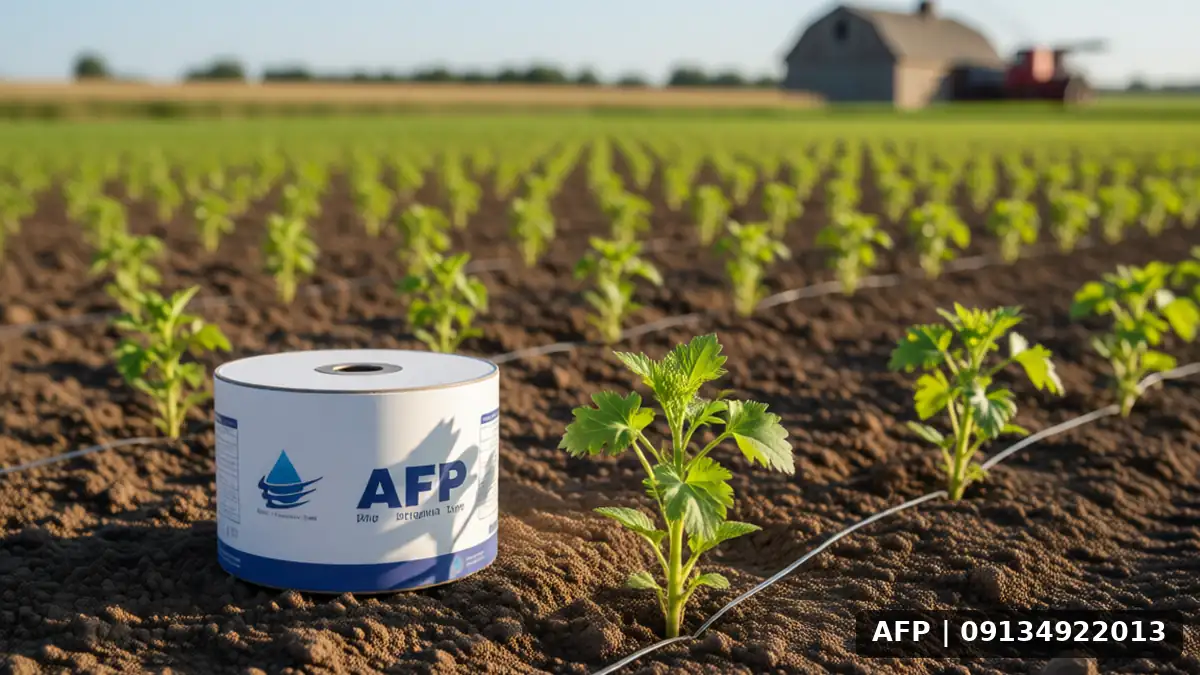
It is recommended not to place the drip tape directly under the cilantro seeds, as excessive moisture can cause root rot. The tape should be installed 5 to 10 cm away from the planting row at the appropriate depth so that roots can access the water without being exposed to direct, continuous flow.
What is the optimal installation depth for drip tape in cilantro?
Given that cilantro roots typically extend to a depth of 30 to 40 cm, an installation depth of 5 to 10 cm below the soil surface is ideal. At greater depths, cilantro roots have difficulty reaching the tape, making the planting operation less economical.
What should the emitter spacing on the drip tape be?
For cilantro, drip tape with emitter spacing of 20 to 30 cm is recommended. This spacing ensures water is distributed uniformly along the row and prevents water accumulation in specific spots, which can lead to disease.
Conclusion and Final Recommendations
Determining Drip tape spacing in coriander cultivation is a precise engineering process that requires an understanding of plant root structure, soil type, and farm climatic conditions. General standards, including installing the tape at a depth of 5 to 10 centimeters and a lateral distance of 5 to 10 centimeters from the planting row, provide a good starting point. However, it is always recommended to trial a small section of the field and monitor soil moisture before final implementation. Additionally, utilizing specialized guidance, such as drip tape application training, can help reduce errors and increase efficiency. Ultimately, combining precise drip irrigation with proper row spacing management is the key to achieving high-quality, vibrant, and cost-effective coriander. Sustainable agriculture requires us to use water resources with minimal loss and maximum economic efficiency, and proper drip tape spacing is the first step on this path.
For further reading on related equipment and various layouts, you can refer to the source Loss Casiri Zola Takashavad which provides a comprehensive guide to drip irrigation systems.
Related articles: Drip tape in Basra: Advanced agricultural solutions for a sustainable and productive future, Drip tape application training, importance land inspection drip tape polyethylene pipes iq