Subsurface Irrigation for Cucumber Cultivation: Comparative Analysis and Practical Guidelines
Introduction to the Importance of Precision Irrigation in Cucumber Production
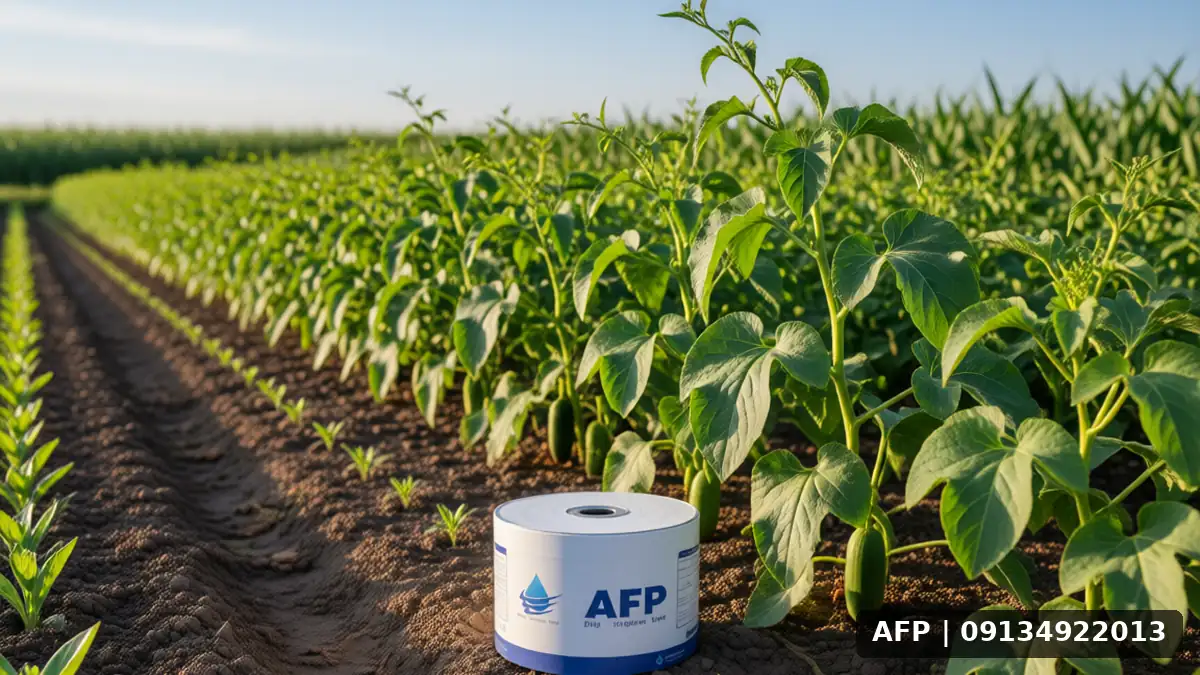
Cucumber is one of the most sensitive greenhouse crops, where soil moisture management not only affects growth rates but directly impacts fruit quality and the incidence of fungal diseases. In recent years, Subsurface Irrigation has gained attention among agricultural engineers as an innovative method to reduce evaporation and provide more precise control over root zones. This method involves injecting water directly into the root zone at specific depths below the soil surface. While surface drip irrigation remains common, Subsurface Irrigation can offer unique advantages for cucumber cultivation by reducing water stress and minimizing soil-borne fungi.
Why Subsurface Irrigation Is Attractive for Cucumbers?
Fungal diseases such as root rot or Pythium (caused by Pythium) pose a serious threat to cucumber plants. Since Subsurface Irrigation keeps the soil surface dry, it creates an unfavorable environment for the growth of Pythium. This can potentially reduce the need for disease control pesticides. However, every method has its own challenges. In the following article, we examine this method with technical and comparative insights to help you make a more informed decision.
Comparing Subsurface Irrigation with Other Common Methods
To better understand the position of Subsurface Irrigation, it is necessary to compare it with two other common methods: surface drip irrigation and tape irrigation. Each of these methods has different applications based on climatic conditions, soil type, and the greenhouse system. The table below provides a summary of the key differences between these methods in cucumber cultivation:
One of the key advantages of drip tape is its lower cost, making it suitable for seasonal crops. For a better understanding of the technical installation and usage details of these modern systems, you can read the article on Subsurface irrigation with excavated drip tape However, subsurface irrigation is typically performed using specialized porous pipes or underground networks, which require high precision during installation.
Impact on soil moisture distribution
In cucumbers, roots are primarily located in the upper soil layers. Subsurface irrigation must be designed to concentrate moisture precisely at this depth. If the installation depth is inappropriate, the plant is forced to excessively develop secondary roots or satisfy its water demand late. In contrast, drip tape generally provides a uniform linear distribution of water, but offers limited control over root depth. A study on the differences between drip tape and other methods can provide better insight into these topics.
Practical tips for successful subsurface irrigation in cucumbers
Correct implementation of subsurface irrigation requires adherence to technical principles to fully realize its benefits.
- Installation depth: For cucumbers, a depth of 15 to 25 centimeters is generally optimal. Deeper placement delays water reaching the main roots, while shallower placement reduces control of surface diseases.
- Line spacing: Spacing between irrigation lines must align with cucumber row spacing. Typically, one line is installed under the main ridge or in the inter-row space.
- Ensuring water quality: Because subsurface filters are not visible, clogging poses a greater risk. Using fertigation (simultaneous fertilizer injection with subsurface water) requires high precision.
One of the main concerns in cucumber cultivation is the uptake of nutrient ions. Subsurface irrigation must be combined with a fertigation system to maintain nutrient balance. For a better understanding of the relationship between roots, soil, and nutrition, you can use resources such as Subsurface Irrigation Guide these resources. These materials provide technical details on connecting pipes to the main distribution system.
Water and Fertilizer Management
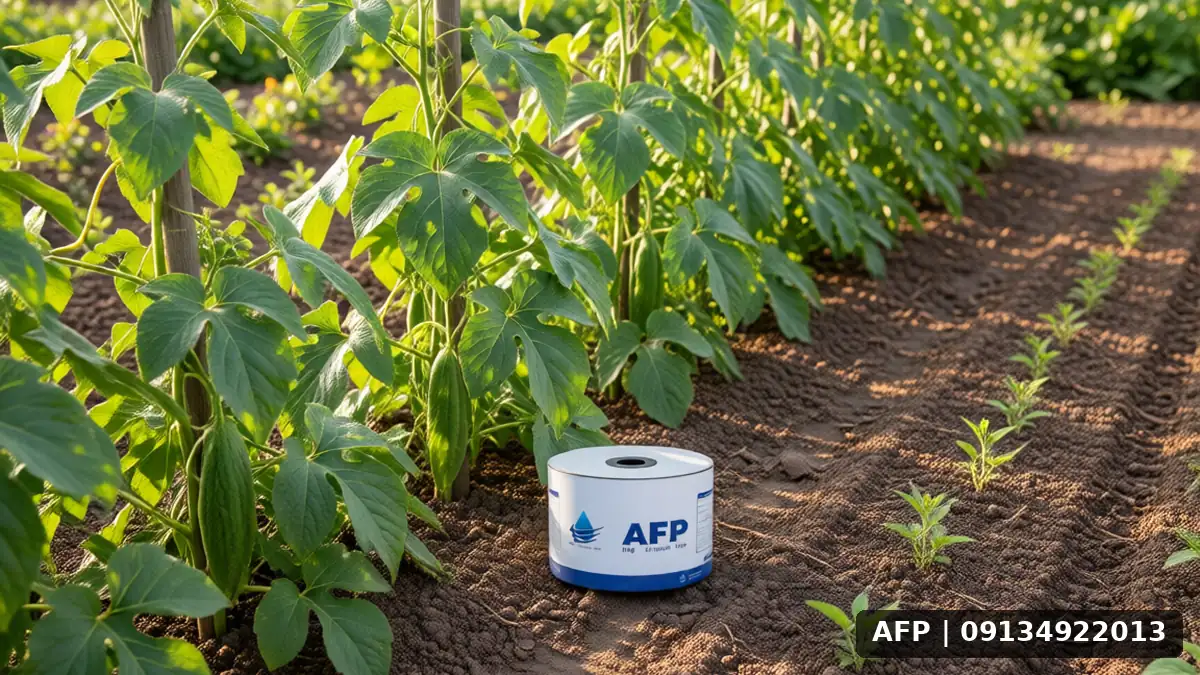
Greenhouse soils are generally lighter and have lower water-holding capacity. In subsurface irrigation, the frequency of irrigation must be higher, and the volume per application must be lower than in surface methods. This ensures that roots remain in a moist and aerated environment. Additionally, flushing of salt solutions from the root zone must be performed carefully, as in subsurface methods, downward water movement is more difficult, and there is a risk of salt accumulation in inactive depths.
Frequently Asked Questions (FAQ)
Is subsurface irrigation suitable for all cucumber varieties?
No, not all of them are. In cultivars with weak root systems, roots may not be able to grow to the depth of the irrigation lines. Therefore, before installation, select cultivars with strong, branching roots. Additionally, in heavy clay soils, low permeability makes it difficult for water to move at depth; in such cases, surface drip or tape drip may be a better option.
How can I detect blockages in subsurface lines?
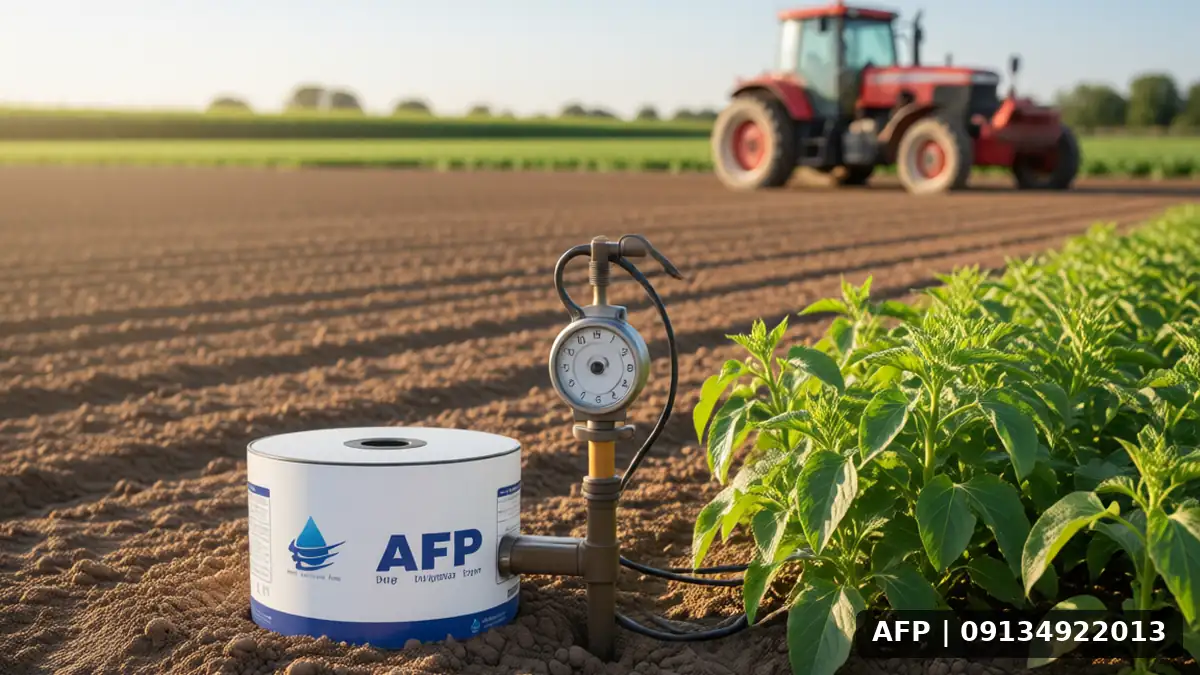
Blockages in subsurface systems are identified by the soil surface remaining dry even after irrigation. Using soil moisture sensors at different depths helps in early detection of the problem. Additionally, a pressure gauge at the end of the line can be a good indicator; a drop in pressure is a sign of sedimentation or microbial growth inside the pipe.
What are the maintenance costs of subsurface irrigation?
Maintenance costs are generally lower than for surface drip, as leaks are less visible in the air and there is no damage caused by sun exposure. However, repair costs are higher in case of malfunction, as it requires un-tiling or excavation to access the pipes. To compare irrigation system costs, reviewing guides for pipe threading and other materials can be helpful.
Conclusion
Subsurface irrigation in cucumber cultivation is a powerful tool for managing the root zone microclimate and reducing soil-borne diseases. This method is particularly recommended for glass and plastic greenhouses where air and humidity control are of paramount importance. However, this method is not a substitute for proper soil and nutrition management. Success in this system requires a deep understanding of soil behavior, appropriate depth selection, and continuous monitoring of water and fertilizer quality. If you are looking for long-term crop yield increases and reduced disease treatment costs, investing in a standard subsurface system can offer high economic viability. Additionally, integrating this method with up-to-date knowledge on drip and tape irrigation can create an optimal combination; for example, using Drip irrigation guide with tape lines for supplementary comparisons or specific periods of the year. The ultimate goal is always the same: producing healthy, large, and disease-free cucumbers with minimal resource consumption.
Related articles: Alfalfa yield per hectare: A comprehensive guide