Comprehensive Guide to Squash Cultivation with Drip Irrigation
Introduction: The Importance of Water Management in Squash Cultivation
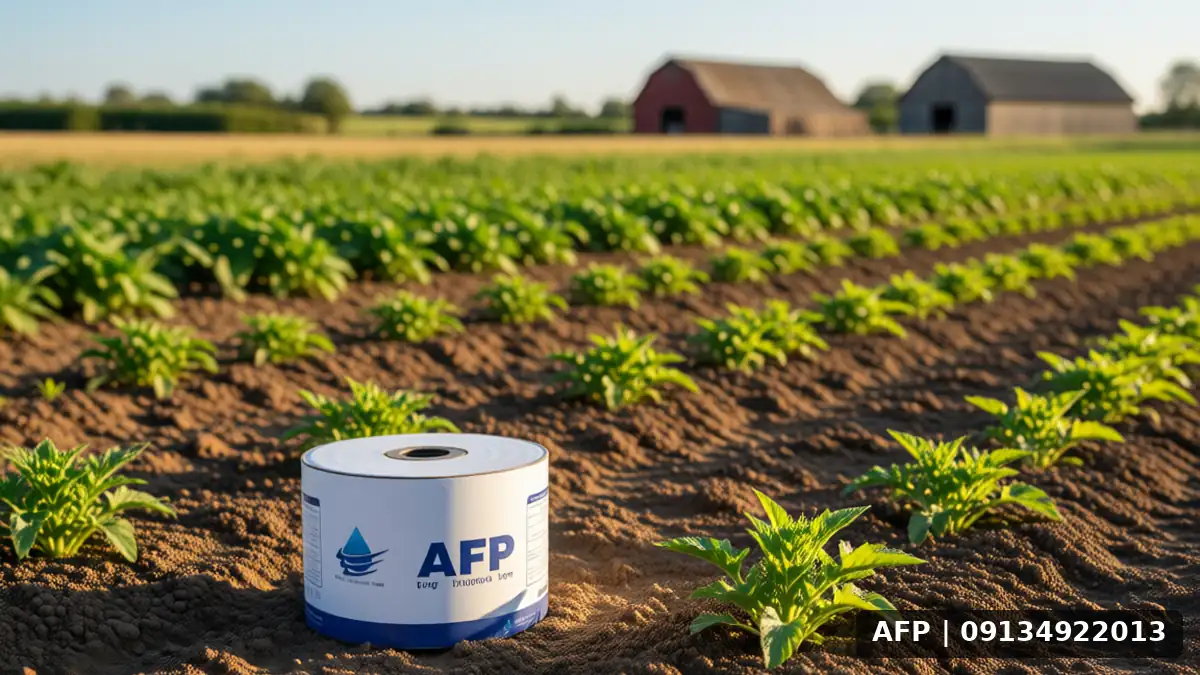
Squash is one of the most economically demanding vegetables, where proper water resource management can determine farm success. Under dry and semi-dry climatic conditions, utilizing pressurized irrigation systems such as drip and trickle not only significantly reduces water consumption but also promotes appropriate soil surface moisture, uniform root development, and a reduction in fungal diseases. This section of the irrigation guide examines the basic principles of connecting irrigation systems to squash rows.
The proper use of planting techniques combined with drip irrigation can increase final yield by up to 30%. This is particularly important considering that the deep roots of squash require continuous and uniform nutrition, which is achievable only through precise systems.
Planting Methods and Appropriate Spacing for Squash
How to Prepare the Planting Bed
For growing squash with drip irrigation, deep plowing and mixing fertilizer kits into the soil are prerequisites that must be completed before planting. The field must be cleared of weeds and the surface leveled to ensure uniform water distribution. In modern methods, using furrows or ridges (Ridging) is recommended because it reduces evaporation from the soil surface and provides better protection for stems against sweating and soil-borne diseases.
Planting Spacing and Row Layout
The appropriate row spacing for planting squash is typically between 100 and 150 centimeters, with in-row spacing between 40 and 60 centimeters. These distances allow sufficient light penetration and air circulation. In drip-line systems, the main pipe is placed in the center of the ridges, and drip emitters should be positioned next to the planting furrow, not on the stem. For more information on the impact of planting spacing on yield, you can refer to the article on the Yield Improvement Guide. Precise adjustment of spacing ensures that each plant has access to a consistent source of moisture and nutrients, reducing competition among plants.
Squash Drip Irrigation Scheduling: Timing and Volume
Drip irrigation for squash requires careful attention during different growth stages. Squash plants are highly sensitive to water stress and have delicate roots; therefore, frequent low-volume irrigation is essential to ensure plant health. The following table presents a recommended irrigation management schedule based on growth stages:
Using hoses of appropriate diameter and drip emitters with a flow rate of 4 to 8 liters per hour is the optimal choice for squash rows. If you are using a furrow irrigation system, ensure that the furrows remain clean and water penetrates properly to root depth. To better understand how water is distributed at different levels, studying the guide on optimizing yield and water distribution can be helpful.
Answer to the question: Is furrow irrigation more suitable for squash than surface drip?
For squash, sub-surface furrow irrigation is often considered a better option because it reduces evaporation and keeps weeds in the dry furrow. However, surface drip irrigation offers easier access and lower setup costs. The optimal choice depends on budget and geographical conditions. In both cases, success is built on creating balance. Also, if there are weeds present, furrow irrigation for peppers or similar vegetables can be a good model for managing moisture furrows in your field; therefore, studying the pepper furrow irrigation guide is useful for common channeling principles.
Practical tips and nutrient management alongside drip irrigation
One major advantage of squash drip irrigation is the ability to inject nutrients directly around the roots, a process known as fertigation. In this method, water-soluble chemical fertilizers enter the root uptake zone directly, increasing fertilizer efficiency.
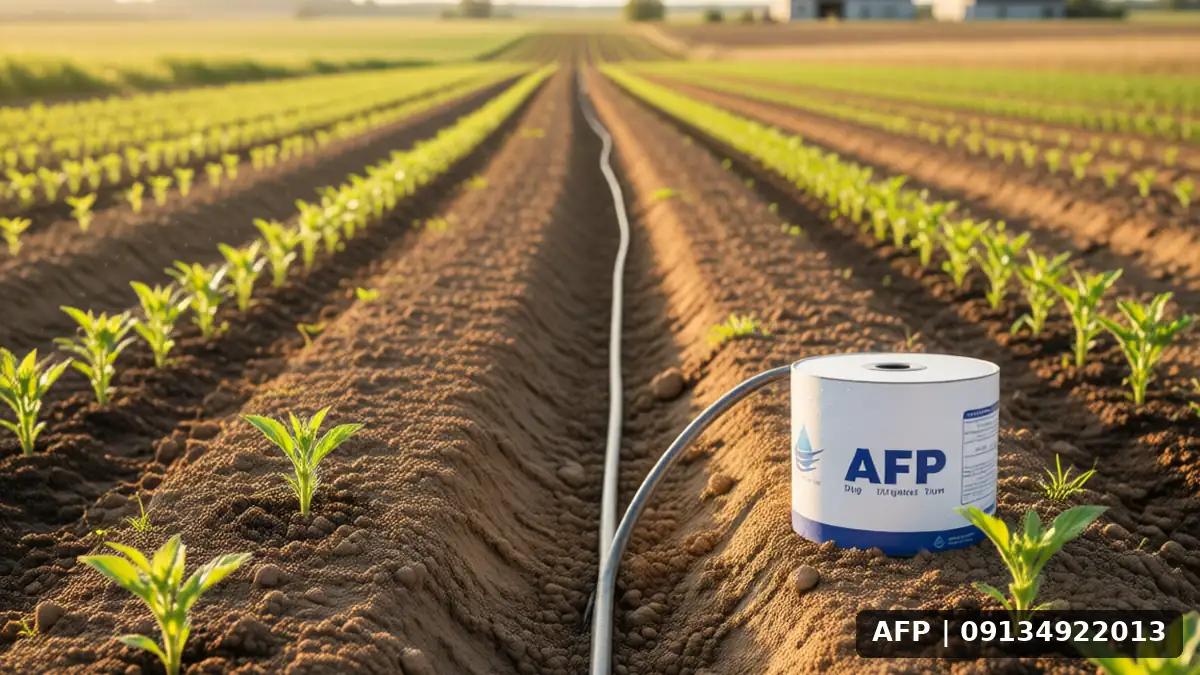
- Fertilizer ratios: Use nitrogen (ammonium) fertilizer during the early growth stage to increase leaf production. During the flowering season, increase potassium levels to improve squash weight and quality.
- Salinity monitoring: High-salinity water can damage squash roots. If using saline well water, always use a tape drip line; due to deeper infiltration, this prevents salt accumulation in the upper soil layers.
- Filtration: Drip emitters are highly susceptible to clogging. Using a disc or Y-Straw filter at the beginning of the system is a critical requirement to prevent system failure and sudden drying of plant rows.
Additionally, to compare planting methods for other vegetables and better understand resource management, studying the white bean seed rate per hectare can improve your understanding of planting space and canopy spread for small-root vegetables. Therefore, take a look at the white bean seed rate per hectare to understand the similarities and differences in planting distance between these vegetables and pumpkin.
Frequently Asked Questions (FAQ)
1. When is the best time to plant pumpkins using drip irrigation?
The best planting time in regions with temperate, semi-arid, and arid climates is October to December for autumn harvest and December to February for spring harvest. Always ensure the soil is warm and ready for root establishment.
2. What signs indicate that your pumpkins are receiving excess water?
Yellowing of lower leaves, soil-borne fungi, and a foul smell from the soil are signs of waterlogging and root rot. In this condition, immediately shut off the drip or drip-irrigation system and allow the soil moisture to stabilize.
3. Can I use composted manure with a drip irrigation system?
Pre-plant application of composted manure in the planting bed is recommended; however, applying fresh compost directly over sensitive roots combined with drip line pressure can cause root burn. It is better to use compressed fertilizers or liquid injections at controlled concentrations through the irrigation system.
Conclusion: Benefits of Drip Irrigation for Squash
The economic and environmental benefits of using advanced squash planting techniques with drip irrigation go beyond water conservation. By maintaining orderly row layouts, using water treatment systems, and strictly following the watering schedule, you can achieve a uniform, high-quality harvest. The key to success lies in attention to details such as the distance of drippers from the main stem, proper filtration, and regular plant nutrition. This approach not only reduces risk but also prepares you for managing larger future harvests; therefore, assessing yield per hectare for other side products can make your roadmap for business development more precise.
Related articles: taloqutti tuxm dor hektar miqdor, Related article Related article Related article D8AFD8B1 D987D8B1 Related article