Sorghum Tef Strip Cultivation: Key Maintenance Tips for Sustainable Productivity
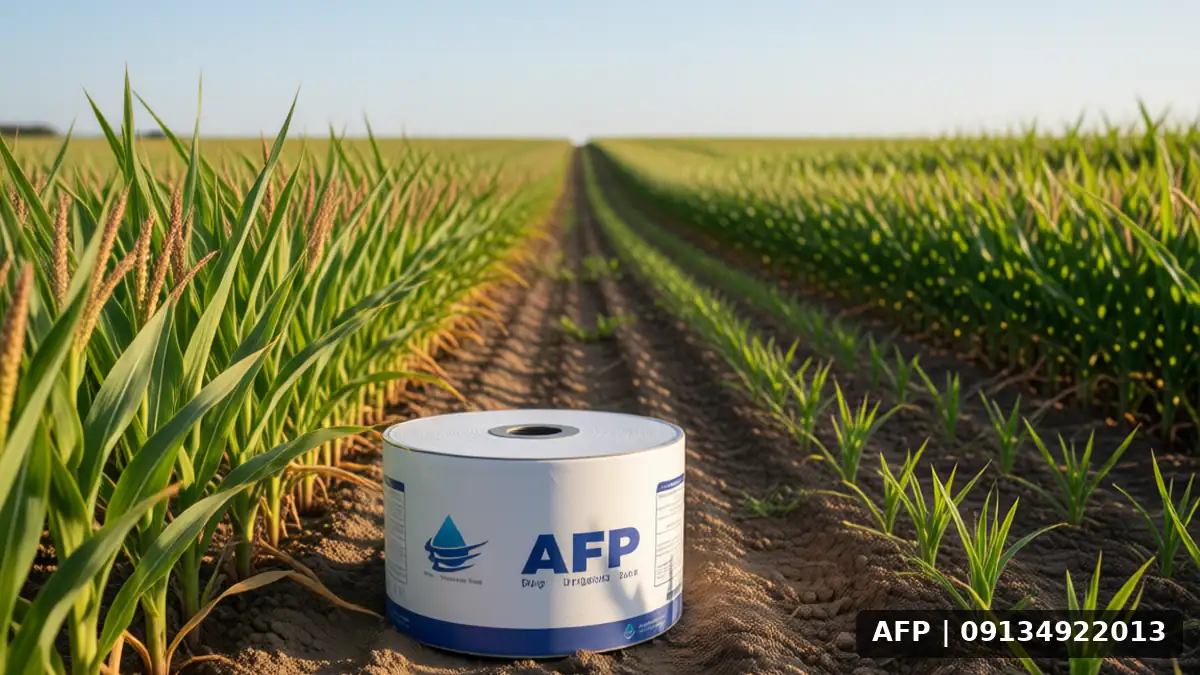
Sorghum, as a key forage and grain crop, is cultivated in the dry and semi-dry climates of Iran. Given this plant’s significant sensitivity to water and heat stress, precise water resource management through drip irrigation and tape systems is vital. However, initial investment in the irrigation system is only half the solution; Sorghum tape maintenance Properly, it guarantees high yield and system continuity over time. In this article, we will examine the technical and practical details of maintaining tape lines with a focus on sorghum cultivation, enabling farmers using this irrigation method to prevent premature equipment wear and target optimized water use.
Why is tape maintenance particularly important in sorghum cultivation?
Sorghum is a plant with specific water requirements during vegetative and reproductive growth stages. Tape creates a moist strip in the soil bed, encouraging roots to settle within the furrow zone and penetrate to adequate depths. If the tape is not properly maintained, clogging of the Emitters occurs due to suspended sediment or microbial growth. This clogging reduces discharge uniformity, which is critical for sorghum requiring even moisture distribution. Additionally, exposing the tape to direct sunlight without full coverage or proper cleaning leads to UV degradation of the tape walls, significantly reducing its useful life.
The impact of water quality on tape lifespan
Source water quality directly affects the maintenance requirements for sorghum tape. Waters containing high levels of calcium and magnesium (hard water) or unknown suspended solids are the main enemies of keeping the narrow channels inside the tape open. To overcome this challenge, using appropriate filters at the start of the main line and performing periodic Backflushing are integral parts of the maintenance program. Additionally, using appropriate chemicals to dissolve deposits and control algae and microbial growth inside the tape must be adjusted based on local water pH and hardness. Neglecting these items not only clogs the tape but also reduces the effectiveness of chemical application or Fertigation.
Technical principles of tape maintenance and cleaning
To achieve maximum efficiency, one must follow the technical principles recommended by manufacturers in the tape operating guide. However, these principles can be summarized into three main categories: prevention, active cleaning, and pressure management. In prevention, using tape with an appropriate wall thickness is of special importance. Thinner tapes (such as 75 micron) are lightweight if they have high UV resistance but are vulnerable to sustained pressure or hard material passage. Selecting the optimal thickness, as explained in the specialized article on optimal tape thickness, should be done based on land slope and sorghum water quality.
Tape active cleaning techniques
Active cleaning involves actions performed after the end of each growing season or before a new season begins. This process usually consists of three stages: completely draining water from the tape, reverse flushing using higher pressure to pump out particles, and chemical flushing. For sorghum, which is often grown in two seasons, this inter-seasonal cleaning is critical. Also, when transporting and storing used sorghum tapes, one must avoid folding them and applying direct pressure. It is better to keep tapes rolled up in a cool place away from direct sunlight. Folding the tape causes breaking of internal polymer structures and creates leaks at the folded points, leading to leaks and system failure in the next season.
Practical tips for farmers in sorghum cultivation
It is always recommended to maintain the operating pressure of sorghum drip tape within the manufacturer’s suggested range, typically between 10 and 15 PSI. Higher pressures cause faster wear and burst tape walls, while low pressure leads to water leakage and irregular irrigation. Precise pressure regulation requires monitoring the main pump performance and adjusting branch valves. Additionally, the spacing between drip tape lines in sorghum cultivation must be adjusted based on the planting pattern (double-row or single-row) and furrow size. If the furrow is too narrow, sorghum roots may adhere to the tape, causing it to tear during the flushing process. In fact, proper design of line spacing and furrow depth accomplishes half of the maintenance work in advance.
Scheduling for system flushing
Establishing an operational calendar for flushing the drip tape system in sorghum cultivation is a professional practice. This calendar should include the following:
- Initial flushing: Before the first irrigation, to remove structural particles and manufacturing adhesives.
- Mid-season flushing: After every 3 to 4 irrigations, especially if disc filters are used.
- Final flushing: Before collecting the tape for storage at the end of the sorghum growing season.
- Visual inspection: Weekly, checking for open tapes and absence of particle accumulation at branch connections.
Additionally, if you are using fertigation, always flush the system with clean water for 15 to 20 minutes after fertilizer injection to prevent acidic or alkaline fertilizer deposits from accumulating in the sorghum drip tape and clogging it.
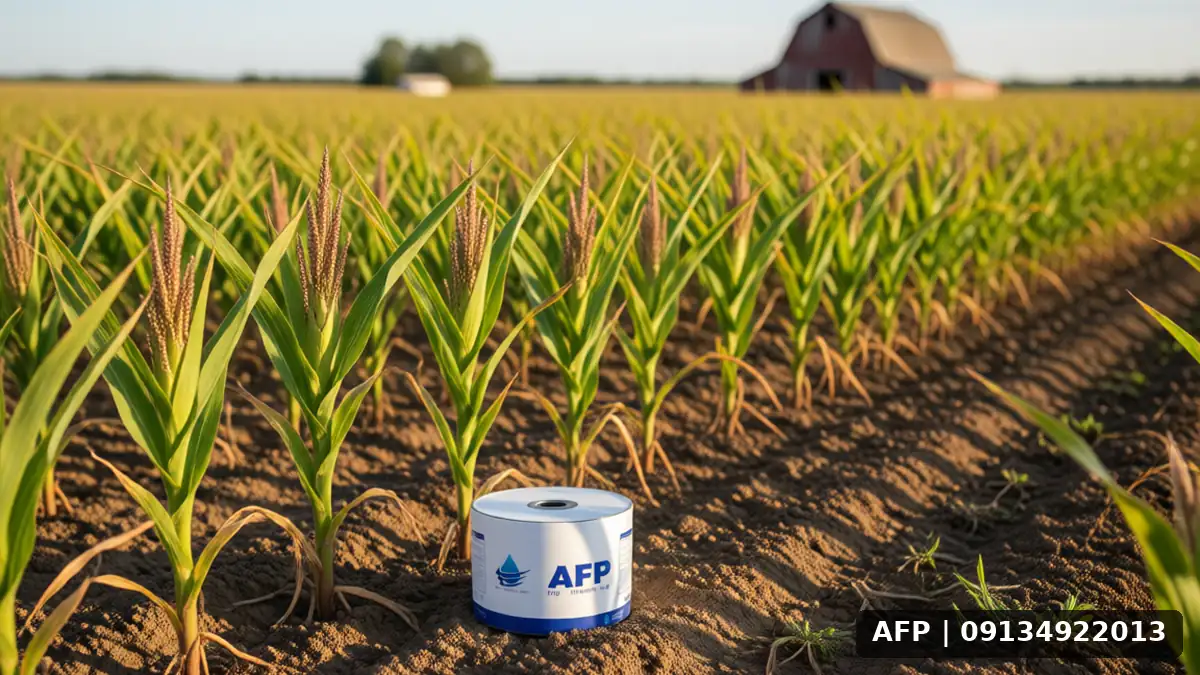
Warning signs for drip tape failure or clogging
Familiarity with warning signs allows the farmer to take action before the complete failure of the sorghum drip tape system. Some of these signs include:
- Reduction in uniform water output: Observing drier sections of the tape in one area while water delivery remains good in another. This is a sign of distributed plugging.
- Algae growth around outlets: Algae typically grow in areas where water flows at low velocity and is exposed to direct sunlight. This indicates a need to adjust pressure or improve tape coverage.
- Fine cracks on the tape surface: Fine cracks in the walls of sorghum drip tape are usually caused by prolonged exposure to intense sunlight or inconsistent pressure. These cracks lead to minor leaks.
- Tape color change: Whitening or abnormal discoloration may indicate a chemical reaction with incompatible fertilizer or pesticide solutions applied to the tape.
Upon observing any of these signs, it is recommended to search technical articles to identify the root cause of the problem and become familiar with appropriate corrective measures.
Frequently Asked Questions (FAQ) about Sorghum Drip Tape Maintenance
Can sorghum drip tape be reused for the next season?
The answer to this question depends on the quality of the sorghum drip tape and its maintenance. Single-season drip tapes are generally designed for one season, and reusing them for major crops like sorghum carries a higher risk. However, high-quality, dual-season thickness tapes can be reused for another season after thorough cleaning, chemical washing, and proper storage (away from light, at normal temperatures, and without severe bending). Always refer to the manufacturer’s label and instructions.
What is the best time to clean sorghum drip tape in sorghum cultivation?
The best time is immediately after the end of the irrigation phase and before collecting the tapes. Additionally, quick-yield cleaning is recommended before the start of the sorghum vegetative stage, where sensitivity to uniform irrigation is high. If your sorghum drip tape system experiences partial clogging, reverse flushing in the second half of the season can restore normal performance.
Does soil type affect sorghum drip tape maintenance methods?
Yes. In clayey and heavy soils, the likelihood of sediment particles clogging sorghum drip tape junctions is higher, requiring more frequent cleaning. In sandy and light soils, the tape may embed deeper over time or be subjected to mechanical pressure if the soil is not adequately loosened. In all cases, regular high-pressure flushing is the best solution.
What is the appropriate drip tape equivalent for sorghum in rainfed and drip irrigation systems?
In drip irrigation using drip tape, tapes with an emitter spacing of 15 or 20 centimeters are typically used. Optimal selection is determined based on soil moisture, sorghum root depth, and tillage type. To determine the drip tape water delivery rate for appropriate flow regulation, refer to field tests.
Conclusion and Final Recommendations
Proper maintenance of sorghum drip tape is a continuous process that begins with selecting the appropriate product and concludes with cleaning, regular flushing, and correct storage. By adhering to these principles, you not only prevent premature breakdown of the irrigation system but also ensure maximum water efficiency in sorghum cultivation. Attention to water quality, pressure adjustment, and awareness of warning signs are the main pillars of a sustainable and economical irrigation system. Investment in maintenance is far cheaper than the cost of replacing sorghum drip tape repeatedly and losing crop yield. Farmers who follow the technical principles in drip irrigation guides experience optimized final product quality and quantity. Finally, always coordinate with technical and advisory teams in drip irrigation and drip tape sectors to make the best maintenance decisions for your system based on local conditions.
Related topics: Related article Related article Related article D981D98A Related article