Comprehensive Olive Tree Irrigation Guide: Principles, Water Management, and Yield Optimization
Comprehensive Guide to Olive Tree Irrigation: Principles, Water Management, and Productivity Improvement
The olive tree is one of the oldest and most valuable fruit trees in Iran and globally, recognized as a symbol of agricultural sustainability due to its high resistance to water scarcity. However, achieving high-quality fruit in terms of size, flavor, and oil content requires effective water resource management. Many farmers believe that olive trees require little to no water, but in reality, a thorough understanding of irrigation methods, their advantages and disadvantages, and the tree’s specific water needs is key to successful cultivation. This specialized guide examines all aspects of olive irrigation, including water volume, scheduling, and various methods, to help you optimize the performance of your orchards.
Assessing the Water Needs of Olive Trees
Olive trees are considered low-demand crops in terms of irrigation, but this does not mean they require zero water. Exact water requirements depend on multiple factors, including soil type, regional climate, tree age, and growth stage. In general, mature olive trees in semi-arid regions require a moderate amount of water to maintain a balance between vegetative growth and fruiting. Insufficient irrigation can lead to smaller fruit, reduced oil percentage, and even fruit drop. Conversely, over-irigation causes root rot, fungal diseases, and excessive vegetative growth at the expense of fruit production. Therefore, the key to successful olive irrigation is finding the precise balance.
Different Irrigation Methods for Olive Trees
Selecting the appropriate irrigation method directly impacts costs, water consumption, and root health. The most common methods include line irrigation, furrow irrigation, and drip irrigation. Line irrigation is a more traditional method where earthen channels are created and water flows across the field surface. This method has low initial costs but high water consumption and can facilitate the spread of pathogens. Drip irrigation, recognized today as the most advanced and efficient method, delivers water directly and in droplets to the root zone (root basin). This method can reduce water consumption by up to 40% and provides more precise control over soil moisture. Additionally, using specialized drip tape can reduce costs; a complete guide on potato drip tape complete guide can also provide similar ideas for modern systems. A key consideration in olive drip irrigation is maintaining an appropriate distance between emitters and the tree trunk to prevent constant trunk wetness and the development of tissue diseases.
Proper Irrigation Scheduling at Different Growth Stages
Irrigation scheduling is as important as the volume of water applied. Olive water needs vary across different seasons. In late spring, when petal fall occurs and tiny fruits are formed, the tree requires more water to prevent fruit drop. This stage, known as the ‘critical phase,’ is the most vital part of irrigation. In summer, with the onset of rapid fruit growth and rising temperatures, the tree’s water consumption peaks. Regular and balanced irrigation during these months allows the olive fruit to increase in size and begin oil accumulation. As autumn approaches and the olives ripen, the tree’s water demand decreases, and irrigation levels should be reduced to prevent excessive green shoot growth, which can hinder fruit color development. In winter, the highest water demand for olives occurs during warm, dry periods, whereas in rainy years, irrigation may not be necessary at all.
Impact of Irrigation Methods on Fruit and Oil Quality
Olive oil quality is heavily influenced by water stress. Mild to moderate stress can increase the concentration of polyphenols and antioxidants in the oil, a feature valued by buyers. However, severe stress reduces yield through smaller fruit size and lowers the oil percentage. Conversely, regular stress-free irrigation produces uniform, large fruits but may result in a milder flavor profile. Professional farmers often employ a “controlled stress” technique, deliberately reducing irrigation during specific periods to encourage the tree to produce more flavor compounds and antioxidants. This precise management requires careful monitoring of soil and weather conditions. Since rainfall patterns vary across regions, adjusting irrigation schedules based on local data is critically important.
Irrigation System Optimization Strategies
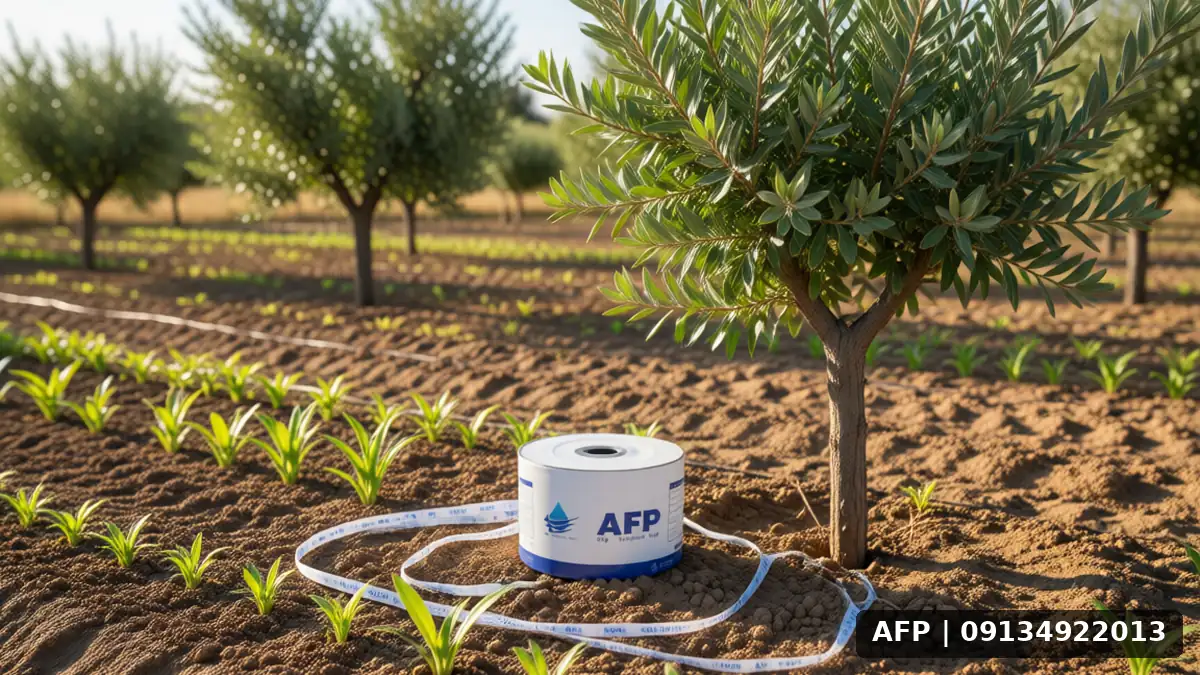
For further optimization, the use of smart technologies is recommended. Installing automatic soil moisture sensors can prevent unnecessary irrigation. Additionally, using fertigation through drip irrigation systems can reduce fertilization costs and ensure better nutrient uptake by the roots. For new farmers entering this field, it is useful to study articles related to seed rates for ornamental plants or vegetables that use similar drip systems; for example, you can review the guide on parsley seed rate per hectare plus planting and cultivation tips to understand general principles, even though the figures differ significantly. The key point in any system is proper water filtration to prevent clogging of emitters. With regular maintenance, the functional lifespan of a drip system can last for decades.
Use of Non-Conventional Water and Sustainability
Given the frequent droughts in Iran, using treated graywater or rainwater collected in reservoirs can be a highly effective strategy. As a tree with some salt tolerance, olive trees can utilize water with moderately high salinity. Proper management of these resources can ensure food security and income stability. Planning irrigation based on weather forecasts and olive tree water requirements is another step toward sustainable agriculture.
Conclusion and Final Recommendations
Irrigating olive trees is an art and science that requires careful calibration and precise care. By understanding water requirements, selecting the appropriate method, scheduling correctly, and utilizing modern technologies, one can minimize water consumption while maximizing both quality and quantity of the harvest. Consulting with local irrigation experts and continuously monitoring soil salinity are two key factors in your success. Finally, to better understand general irrigation principles for various plants, we recommend reviewing the article on basil seed rate per hectare: a comprehensive cultivation guide to gain a broader perspective on water resource management across different agricultural sectors. With this approach, olive can be cultivated as an economically viable and climate-resilient tree.
Related Articles: Basil seed rate per hectare: Comprehensive cultivation guide, Chickpea seed rate per hectare for dry land: Comprehensive and practical guide, Parsley seed rate per hectare + planting and cultivation tips