Membrane Irrigation Channel Maintenance: Key Tips for Drip Irrigation Optimization
Introduction to the Importance of Melon Maintenance with Drip Tape
Melon cultivation is one of the most challenging aspects of agriculture because the crop is highly sensitive to soil moisture fluctuations. The use of drip tape in drip irrigation can support melon growth cycles with high precision and efficiency, but success with this method requires strict adherence to maintenance principles. Many farmers, despite investing in equipment, face reduced yields and repair costs due to neglecting minor maintenance details.
This article provides a practical roadmap for managing and maintaining drip tape systems in melon farms. Based on technical experience and hydraulic principles, we examine how soil, land slope, and irrigation equipment interact, enabling farmers to ensure the functional stability of the crop.
Impact of Land Slope on Drip Tape Performance in Melon Farms
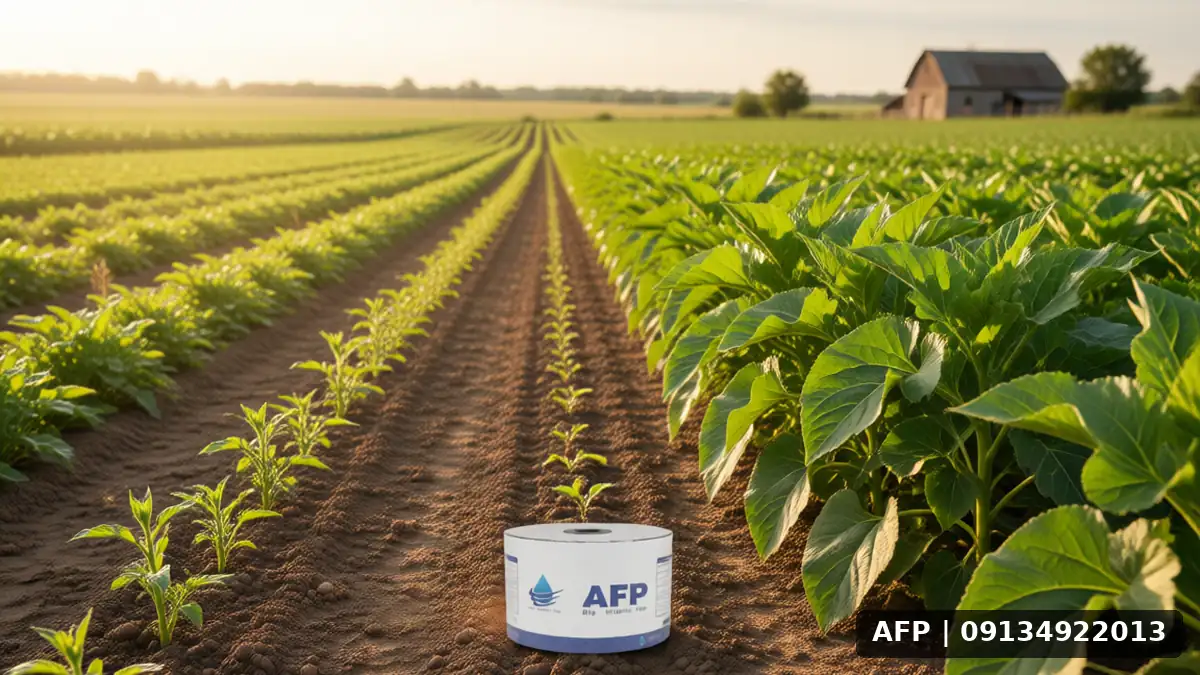
The land slope parameter is one of the most critical factors in the design and maintenance of drip tape irrigation systems. Due to their relatively shallow root structure, melons require uniform water distribution along the tape length. If the land slope is not suitable for water flow, hydraulic phenomena may cause reduced flow or water runoff at the end of the line, or conversely, waterlogging may occur.
Climatic conditions suitable for Shiraz and similar regions generally feature gentle slopes or flat surfaces ideal for melon cultivation. However, even on relatively flat surfaces, precise grading of the terrain is necessary to ensure uniform water distribution within the system. Neglecting this can lead to water runoff in upstream sections and dryness in downstream parts, negatively affecting melon fruit weight and flavor.
[{{{IMAGE_1}}}]
The Role of Filtration in Preventing Drip Tape Clogging
One of the most common issues in maintaining melon crops using drip tape is the clogging of the small tape emitters. Melons are typically planted in long, orderly rows, which allows the drip tape to be placed easily along the roots. However, if the water contains suspended sediment, organic particles, or even insects, these particles accumulate at the narrow points of the tape, blocking the flow.
Selecting the Appropriate Filter System
- Metal mesh filter: For water sources with low turbidity and mineral particles, a metal mesh filter with a mesh size of 100 to 200 is suitable. These filters are ideal for melons, which are highly sensitive to sediment, under optimal conditions.
- Disc filter: For water sources containing organic particles, disc filters are a better option. These filters offer a larger surface area for cleaning and can effectively trap fine particles.
The most critical point in maintenance is regular filter cleaning. Given that melons require continuous feeding, stopping the irrigation system due to filter clogs can cause fruit drop of unripe fruit and a decrease in product quality. Farmers should check the filter’s effectiveness before each irrigation cycle.
Water Pressure Management in Drip Tape Systems
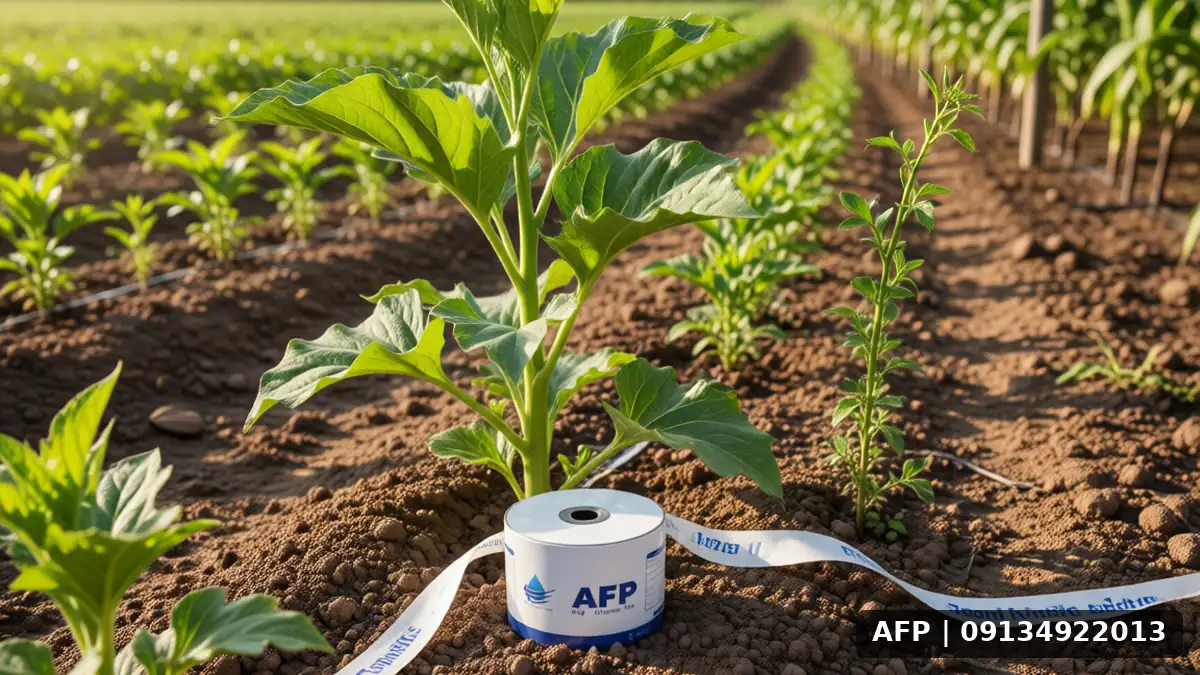
The appropriate water pressure for drip tape in melon cultivation should be maintained within the range of 1.5 to 3 bar. Pressures exceeding 3 bar can cause drip tape rupture, uncontrolled water spraying, and the washing away of fine soil particles. Conversely, pressures below 1.5 bar result in uneven water distribution and drought stress for deep melon roots. To maintain constant pressure, using a pressure regulator and installing it at the end of the main line is recommended.
Additionally, attention to pressure drop in lateral lines is necessary. As line length increases, pressure decreases at the ends of the lines. Therefore, in large melon farms, lines should be configured in parallel or with appropriate zoning to ensure uniformity throughout the field. For more information on how to calculate these parameters, you can refer to drip tape production per hectare which analyzes drip tape system efficiency.
[{{{IMAGE_2}}}]
Practical tips for extending drip tape lifespan in melon cultivation
Melon cultivation is often a single-season crop, meaning that after harvest, the drip tape system must be removed from the soil or prepared for the next planting cycle. In many modern systems, drip tapes are designed as either single-use or with significant durability. To optimize longevity, consider the following points:
- Reusability: If the drip tape has high mechanical strength and has not sustained damage, it can be carefully removed from the soil for use in subsequent plantings. This process must be performed meticulously to prevent the tape holes from enlarging or clogging.
- Line Cleaning: After the melon production cycle is complete, flush the system from the inside using an acidic solution (such as citric acid or dilute hydrochloric acid) to remove organic and mineral deposits from the walls. This procedure significantly extends the lifespan of the drip tape.
- Proper Storage Conditions: Used drip tapes must be stored in a dark, cool location without contact with chemicals. Direct sunlight causes degradation and hardening of the tape’s polyethylene material.
For more precise guidance on yield per hectare considering tape spacing, refer to melon yield per hectare guide It is recommended. These resources can help adjust melon planting density according to the irrigation system.
FAQs on Drip Tape Maintenance in Melon Cultivation
Is drip tape suitable for all melon varieties?
Yes, drip tape is suitable for most melon varieties due to its ability to precisely distribute water to shallow roots. However, varieties with high water sensitivity may require additional lines or a narrower spacing between lines.
When is the best time to flush the drip tape system?
The best time is after the melon harvest cycle has ended and before the next season begins. Internal flushing with acid and external treatment with a fungicide solution helps maintain the system’s longevity.
How can I detect clogging in drip tape?
You can detect clogging by observing reduced pressure at the end of lines, asynchronous water discharge from drippers, and sediment buildup around discharge points. If water output decreases in one section of the tape while another remains soft and open, clogging is likely present.
Is drip tape use for melons in sandy soils recommended?
In well-drained soils, drip tape can deliver water directly to the root zone, but it requires specific attention to filtration settings. It is recommended to consider the total seed sowing rate per hectare to match root density with the system’s water delivery capacity.
Conclusion and final recommendations
Drip tape irrigation for melons requires attention to detail. From managing field slope and selecting appropriate filters to maintaining system pressure and performing regular flushing, each factor contributes to improving the economic efficiency of melon farms. By following these key points, farmers can benefit from the advantages of drip irrigation while reducing repair costs and energy consumption.
For information on optimizing irrigation for other crops, you can refer to the tomato drip tape guide The more technical knowledge you have about irrigation systems, the better your ability to detect and prevent breakdowns in melon fields will be. Investing in drip tape maintenance ultimately leads to higher crop yields and improved quality.
[{{{IMAGE_3}}}]