Lettuce Maintenance with TTI Drip: Key Tips for Maximum Efficiency
Introduction to drip tape in lettuce irrigation
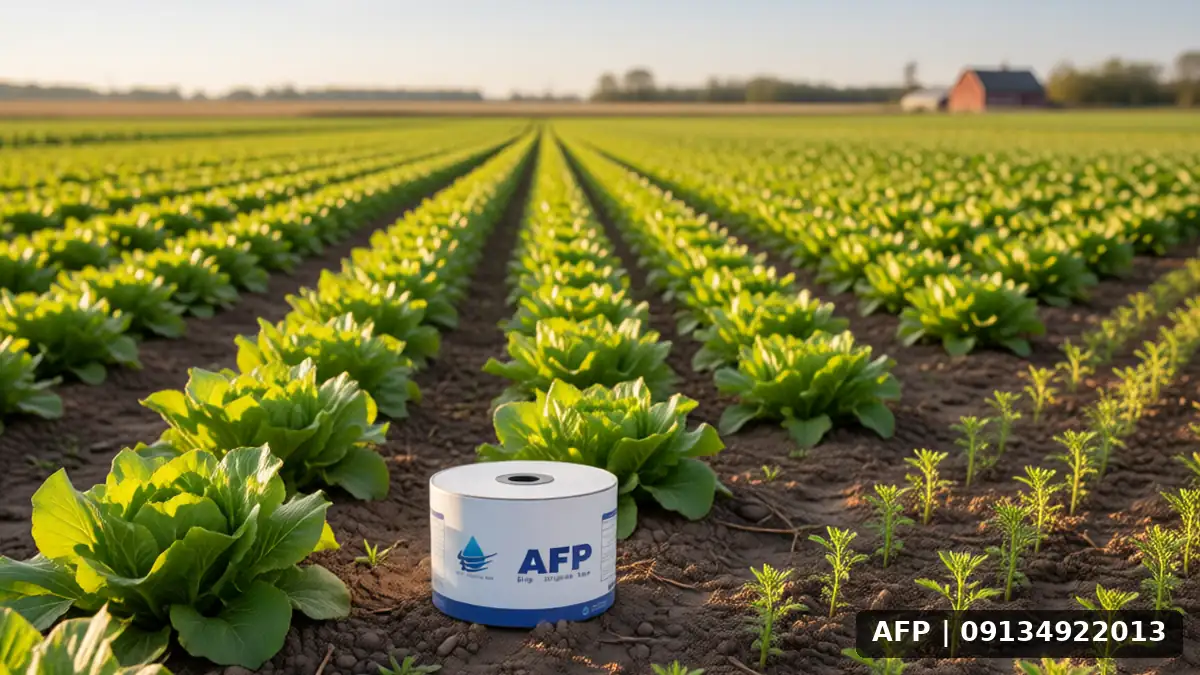
Lettuce, as a major crop in agricultural markets, requires precise irrigation conditions to achieve maximum quality and weight. One of the most optimal methods for irrigating this crop is the use of a drip tape (Drip Tape) system. This system consists of polyurethane plastic tapes featuring small perforations for drip water application. In the following sections, we will focus on key points for maintaining lettuce with drip tape to ensure the system’s overall efficiency is preserved and the final product quality is guaranteed. This approach not only minimizes water consumption but also maintains uniform moisture distribution in the root zone, which is critical for preventing root damage and reducing thermal stress in lettuce. The selection of this irrigation method must be aligned with the local climate and soil type to maximize yield. Successful farmers always plan the layout of the tapes and the timing of irrigation precisely before the start of the growing season to prevent any waste of resources. Furthermore, a deep understanding of the plant physiology of lettuce and its temporal needs for water and nutrients forms the primary basis for adjusting the drip tape system settings.
Key characteristics of drip tape for lettuce
Selecting the right drip tape type for lettuce is a critical step. Drip tapes are available in various diameters ranging from 13 to 16 millimeters. For lettuce, which has a shallow root system, the 16-millimeter tape is generally preferred. This system applies water directly to the root zone, improving crop efficiency and reducing the risk of leaf diseases. The tape’s wall thickness and the polymer used in its manufacture directly affect its durability and resistance to pressure and abrasion. High-quality tapes maintain uniform flow rates throughout their service life, which is of paramount importance for sensitive crops like lettuce. Additionally, the relative transparency of standard tapes allows farmers to visually inspect the interior during periodic checks to detect early signs of sediment buildup.
Lettuce growth and development using drip tape systems
Ideal lettuce growth depends on precise control of water delivery. Drip tape can effectively manage this control. In this section, we discuss Maintenance and management of drip irrigation tape including proper pressure regulation and preventing clogs. Correct pressure management must be monitored throughout the entire growing cycle, as pressure drops can reduce flow at the end of the line and cause uneven distribution. To address this, using pressure regulating valves at the system inlet and flow meters to monitor output is recommended. These measures ensure that lettuce has sufficient water access at all growth stages, particularly during head formation, and prevent severe moisture stress that leads to leaf hardening.
Irration scheduling based on season
The water requirement for lettuce varies across different seasons. In the first half of the growth period, water demand is lower, and it is important to use drip tape emitters to ensure proper root development. In the second half, particularly during head formation, more frequent irrigation becomes crucial. Using the table below can help you plan effectively. Irrigation settings should be coordinated with air temperature and the region’s evapotranspiration (ET) levels. On very hot days, irrigation frequency increases but the duration of each session decreases to prevent soil saturation. This delicate balance directly impacts the freshness and sweetness of lettuce at market and helps prevent brown spots on the leaves, which indicate water stress.
For more details regarding drip tape thickness and specifications, you can refer to the relevant online resource. This data helps you select the appropriate pressure for each line. Additionally, checking the tape’s resistance to the water acidity in the region is essential to prevent chemical corrosion of the internal walls. High-hardness water may cause calcium deposits on the tape orifices over time, leading to reduced flow rate.
Common challenges in drip tape maintenance
Despite all its advantages, drip tape also comes with challenges. One of the most significant issues is the clogging of tape orifices due to sediment or algal contamination. This problem can lead to decreased uniformity of water distribution and reduced lettuce quality. One way to address this issue is to use appropriate filters at the water intake point. Turbo and bag filters should be cleaned regularly. If your water source is a well, desalination is required to reduce water hardness before it enters the tape. Otherwise, microbial clogs can develop rapidly during warm seasons when algal growth is high, potentially blocking the tape.
In addition to clogging, physical degradation of drip tape is a serious challenge. These systems are typically designed for one season, and their resistance to solar ultraviolet (UV) rays is limited. If drip tape is left directly exposed to the sun, its lifespan is significantly reduced. To understand the costs associated with drip tape, replacement costs are a key economic factor. One drip irrigation system can lead to considerable long-term savings in water and fertilizer use. Additionally, wildlife or farm livestock may crush or consume the tapes, so it is recommended to provide physical protection for the tapes using wood or lightweight mesh along the field boundaries.
Key practical tips for maximum efficiency
This section addresses practical tips recommended by irrigation specialists to help you achieve the best results with lettuce. Adhering to these tips is an investment in the system’s useful life and product quality.
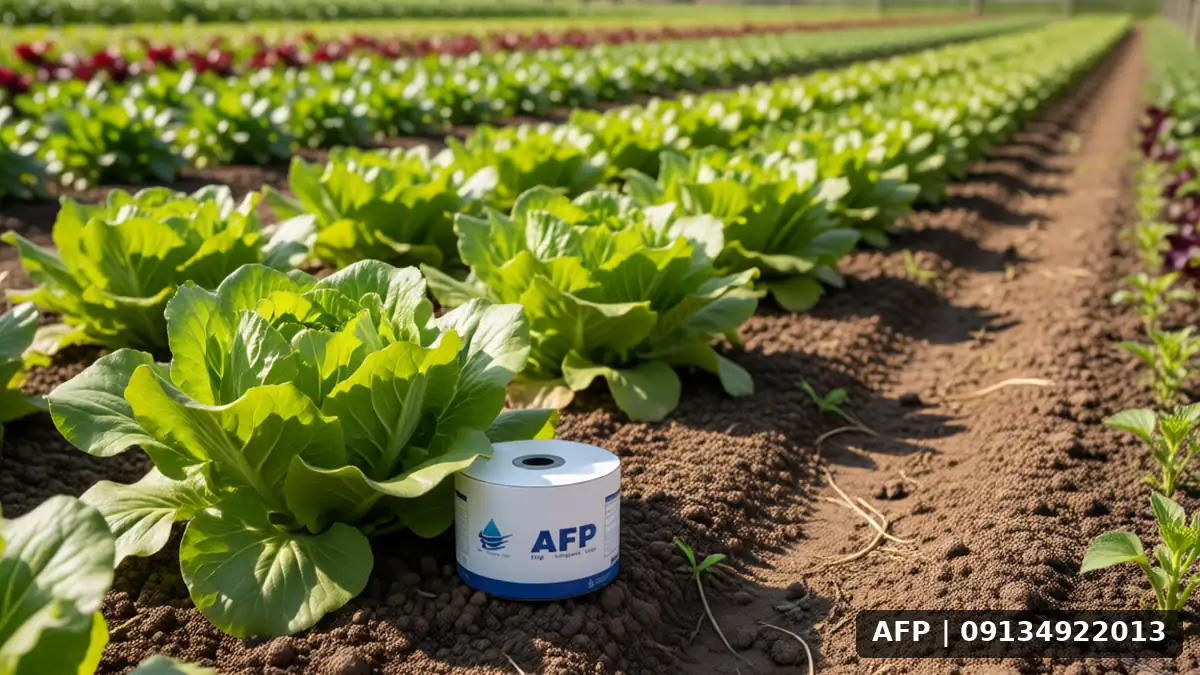
- Soil preparation before planting: Ensure that large stones in the lettuce planting area do not interfere with the drip tape openings, which could affect root growth.
- Soil temperature monitoring: Place the drip tape at the appropriate depth to prevent temperature fluctuations. Lettuce does not tolerate temperatures above 25 degrees.
- Regular filter cleaning: Inspect and clean intake filters once a week to prevent tape holes from clogging.
- Limiting direct sunlight: Where possible, use appropriate shade structures or green covers to prevent drip tape from being exposed to direct sun.
Fertigation management with drip tape
One of the key benefits of drip tape is the ability to perform Fertigation (fertilization through water). For lettuce, applying water-soluble fertilizers via drip tape can enhance nutrient uptake. In terms of Seed rate per hectare For lettuce, the appropriate plant density is usually between 10,000 and 15,000 plants per hectare. At this density, drip tape can effectively supply the required water quality. Additionally, using ferric sulfate to adjust water acidity can prevent clogging in the drip tape. Fertilization through drip tape should be conducted during the cooler hours of the day and accompanied by continuous water flow to prevent high nutrient concentrations from burning the delicate lettuce roots. The balance between nutrients such as potassium and calcium in the fertilization program also determines the post-harvest storage quality of the lettuce head.
Answers to Frequently Asked Questions About Drip Tape
In this section, we answer the most important questions farmers have about maintaining lettuce with drip tape. These answers are based on field experiences.
Question 1: Can drip tape be used for several years?
It is recommended to use single-season drip tape and replace it in the following season. Although multi-season drip tapes (with UV-resistant covers) last for two to three years, their performance decreases. In older tapes, the wall thickness reduces and uniform flow is lost, which is unsuitable for lettuce.
Question 2: What is the best time to install lettuce drip tape?
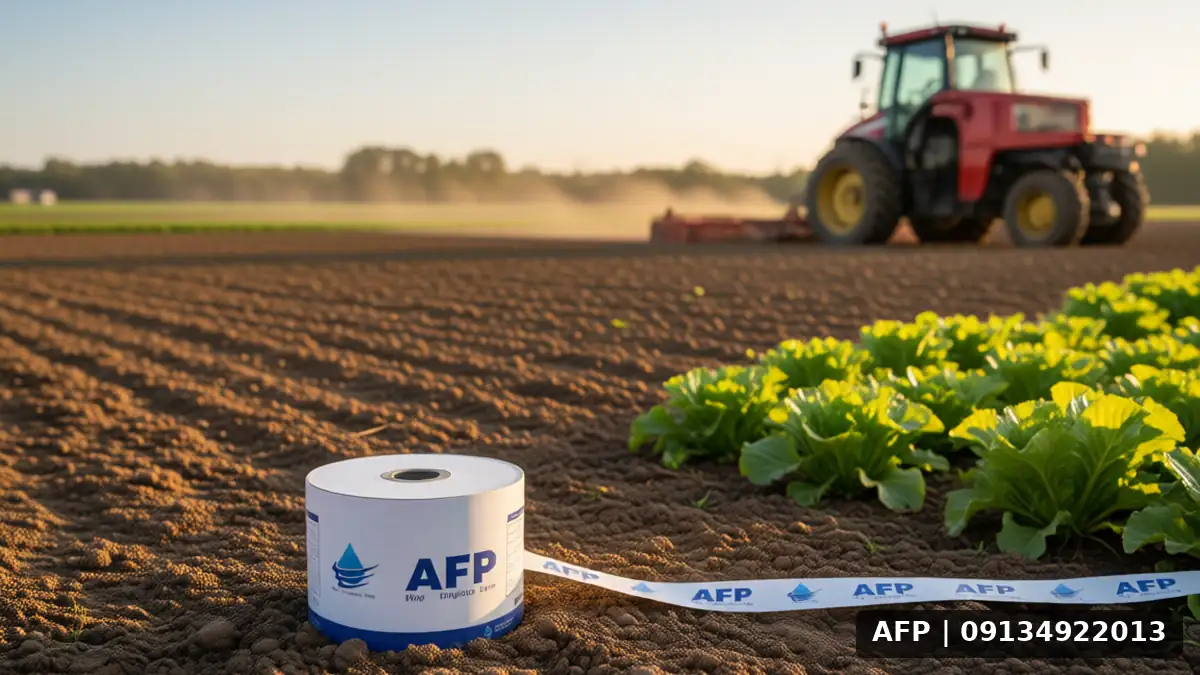
Before planting lettuce, install the drip tape at a depth of 5 to 10 centimeters in the soil. If the tape remains on the surface, it will be destroyed by soil erosion. Early installation ensures that initial irrigation promotes faster root establishment.
Question 3: How can I detect clogging in the drip tape?
Uneven water emission from different tapes, dry spots on the soil, or visible dirt in the emitters are signs of clogging. In such cases, high-pressure back-flushing or filter replacement is necessary. Additionally, monitoring the discharge flow rate at the beginning and end of the line is the quickest method for diagnosing pressure drop.
Conclusion and confirmation of alternative methods
Using drip tape for lettuce is a smart investment for increasing yield and reducing water consumption. By following the practical points mentioned, such as selecting the appropriate diameter, monitoring filters, and using UV sunshades, optimal results in cultivation can be achieved. In addition to lettuce, drip tape systems are also applicable to similar vegetables such as squash and quinoa. For further reading on squash seed rate and hectare layout or quinoa planting per hectareYou can consult relevant specialized resources. Ultimately, proper maintenance of the drip line system is the key to achieving healthy, aromatic lettuce. These approaches not only increase profitability but also enhance the environmental sustainability of cultivation by reducing freshwater consumption.