Eggplant Maintenance Using AF Taping: Key Points
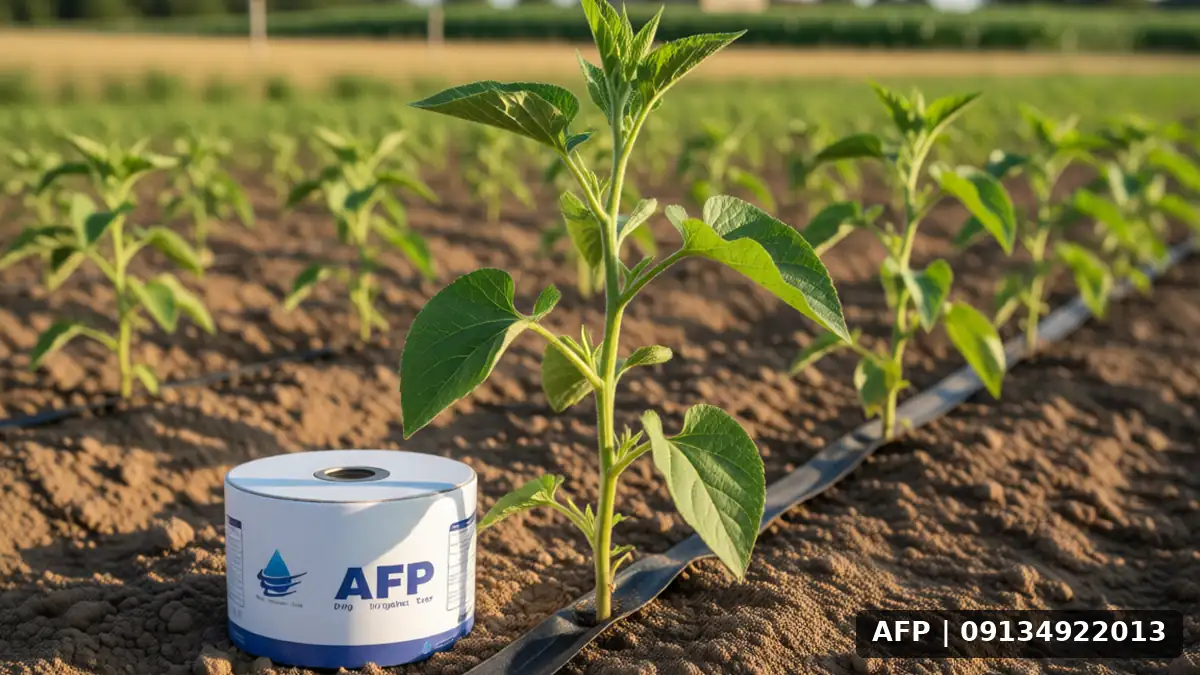
Introduction: Why drip tape maintenance in eggplant fields is critical?
The expansion of eggplant farms in hot and semi-arid regions has been accompanied by the spread of drip irrigation, particularly the use of drip tape. This system has become the top choice for farmers due to its low installation cost, easy retrieval, and uniform distribution of water and nutrients. However, the main challenge is ‘maintenance.’ If the drip tape is not properly protected, clogging caused by calcium deposits, bacterial growth, or silt intrusion leads to uneven plant growth, fruit rot, and a significant reduction in crop yield. In the following section, focusing on eggplant cultivation, we provide a precise guide for the care of this system.
Specialized Dive into the Functionality of the Eggplant Drip Irrigation System
Eggplant is a crop with shallow and sensitive roots. Drip tape must be installed exactly next to the planting row at a shallow depth. However, to maintain the efficiency of the tape, understanding the internal system processes is essential. When using water with high hardness (dissolved carbonate), scaling inside the thin drip tape tubes occurs faster than in lateral tubes. Additionally, continuous use of acidic liquid fertilizers in drip tape alters the water pH, which, if appropriate filters are not used, causes the degradation of the internal diaphragm.
One of the most important pillars of maintenance is pressure management. Drip tape is designed for low pressures. Using high-powered pumps without precise pressure regulation causes the tape to burst or its inner walls to abrade. Therefore, the installation of pressure gauges and accounting for natural pressure drop along the line are considered part of the maintenance program. Furthermore, familiarity with ‘الإري بالتنقيط في قادیسه’ can provide a better perspective on combining irrigation with fertigation under different soil conditions for eggplant.
Daily and Weekly Checklist for Preventing Clogging
- Filter Inspection: Clean the filter head every morning. Accumulation of suspended particles in the filter is the first line of defense against impurities entering the drip tape.
- Pressure Monitoring: Input pressure to the system should not exceed 1-2 bar. High pressure significantly reduces the useful life of the drip tape.
- Emitter Inspection: Once a week, disconnect a section of the drip tape and check the water flow through the emitters. If the flow is uneven, flushing with a winch or acid is required.
- Chemical Monitoring: Using chlorine or hydroponics changes the water pH. Measure the pH of the irrigation water every two weeks to ensure safe precipitation levels.
Practical training for clog removal and repairs
When clogging is observed in drip tape, it is usually too late; however, quick actions can restore part of the tape’s capacity. The ‘pulse-out’ (water flushing) method is one common solution. By disconnecting the drip tape hoses, open the outlets and pass a large volume of water at low pressure through the inside of the tape to remove deposited particles. If the issue is calcium scaling, using citric acid or diluted phosphoric acid (while observing safety guidelines) is very effective. A key tip is not to perform this flush with just plain water; using de-salt or specific acid prevents the recurrence of clogging.
To prevent bacterial clogging, it is recommended to add irrigation vinegar (such as thiosulfate) to the system. However, always ensure the compatibility of chemical substances with the drip tape material (usually layered polyethylene) before proceeding. In eggplant farms, which typically have multiple planting waves, you can collect damaged or worn tapes and replace them with new ones. This replacement can sometimes be more cost-effective than expensive repairs. Additionally, study on increase tomato yield per hectare iraq farmers guide also refers to common principles in maintaining French pump irrigation systems that can help better manage eggplant water resources.
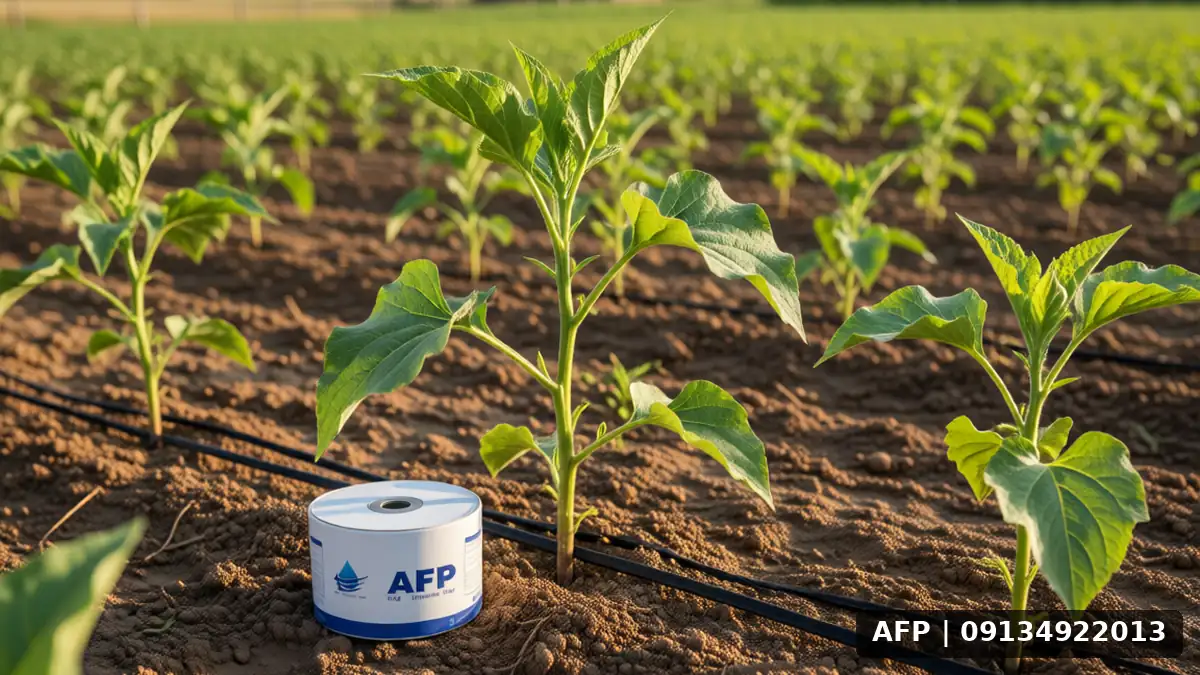
Key points in initial installation that affect maintenance
Many maintenance issues stem from initial installation errors. Do not install drip tape when the soil is soft, as growing eggplant roots can damage the tape or bury it. The appropriate distance of the tape from the eggplant stem is approximately 10 to 15 centimeters; if it is closer, permanent moisture at the base of the plant can cause stem rot (Phytophthora). Also, avoid excessive stretching of the tape when pulling it toward subsequent rows. Drip tape has limited flexibility, and over-stretching causes the emitters to deform and results in uneven flow. For more information on basic principles, it is recommended to refer to key notes on pre-installation checklist for drip tape in the field, which covers the correct pre-conditions for tape deployment.
Irrigation management for eggplant using drip tape requires vigilance. During flowering and fruit setting, eggplant requires stable water pressure. If the drip tape does not maintain uniform pressure due to clogging, the upper fruits on the plant will be smaller than the lower ones, leading to a reduction in the commercial grade of the product. Therefore, planning for periodic tape flushing, even in the middle of the cropping season, is an integral part of maintenance.
Frequently Asked Questions (FAQ) on drip tape maintenance
Can I use the drip tape for several years?
No, drip tape is a single-season product. Annual reuse leads to loss of flexibility, erosion of the inner walls, and malfunction of the emitters. The best practice is annual replacement.
When is the best time to flush the drip tape?
The last week before harvest or the first week after harvest is the optimal time. Before collecting the tape, flush it with a diluted acid solution for 30 minutes to completely clear any clogs.
Does the use of liquid fertilizers damage the drip tape?
The fertilizer materials themselves do not damage the tape; rather, the combination of some wetters with organic matter or calcium deposits causes clogging of the drippers. Always use an appropriate filter (such as a non-woven filter or a screen with 120 mesh size).
Conclusion: The optimal way to increase efficiency
Eggplant maintenance using drip tape is a two-dimensional process: caring for the equipment and caring for the plant. If you pay daily attention to your irrigation system, you will reduce water fluctuations, minimize growth stress in eggplants, and ultimately achieve higher economic efficiency. The proper maintenance of a drip tape system is directly related to energy and labor costs, as a fault-free system requires minimal repair interventions. For farmers seeking to optimize farm economics, the link between miqdori daromadi zurati meksikii dar hektar (comparative economic studies) and technical management of drip tape provides an accurate roadmap for investment decisions in future seasons. By correctly implementing the above points, you can maximize the profit from your investment in drip irrigation.
Related articles: Sugar beet yield per hectare + influencing factors, Important points to consider before installing drip tape in the field