Comprehensive Guide to Allium ampeloprasum Cultivation Using Drip Irrigation: Boosting Yield and Reducing Loss
Introduction to the Importance of Modern Irrigation in Green Onion Cultivation
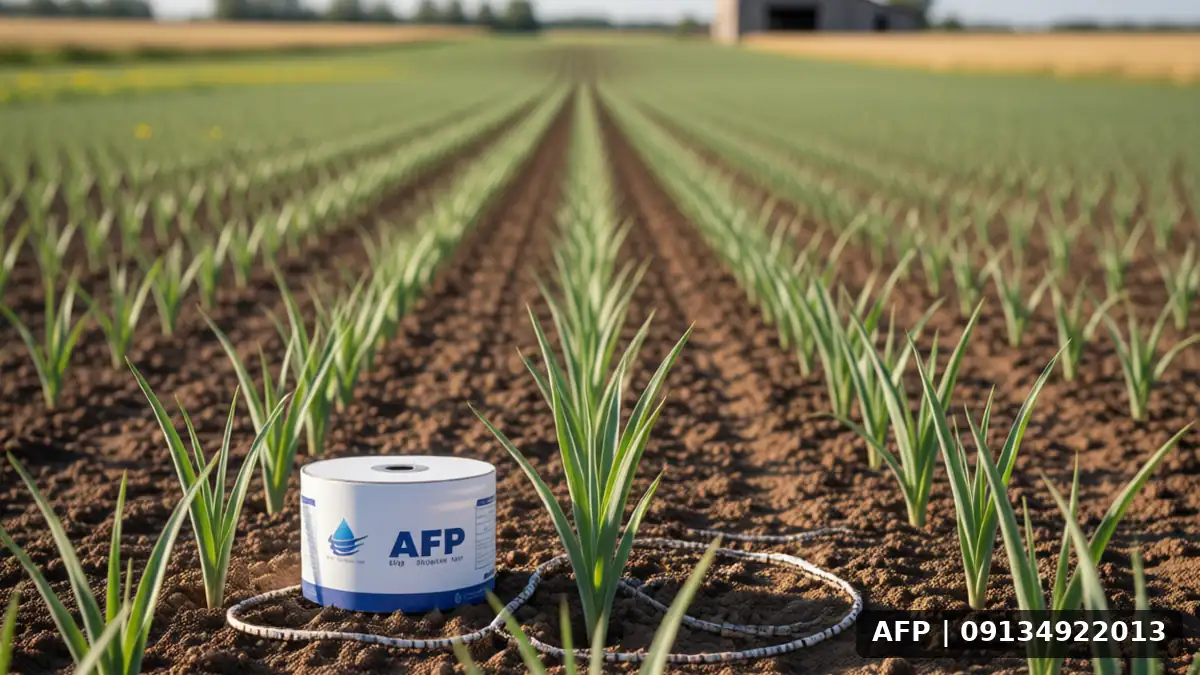
Green onion is a bulb-and-leaf crop cultivated extensively across Iran and worldwide. The plant is sensitive to water deficiency and environmental stress during its growth season. The use of traditional furrow or flood irrigation not only causes a significant waste of water resources but can also lead to fungal diseases and root galling. In contrast, Drip Irrigation for Green Onions when applied via a subsurface or surface drip tape system, it provides precise moisture delivery directly to the root zone. This method maintains soil moisture stability, promoting uniform plant growth and increased bulb volume. The following step-by-step guide covers the cultivation and irrigation of green onions.
Cultivation Methods and Arrangement of Green Onion Vegetative Propagules
To fully optimize modern irrigation systems, the cultivation method for green onions is critical. Green onions are propagated by seed or by vegetative division; however, the vegetative method (using cloves or vegetative sections) is more common in commercial production due to its faster germination and growth rate. The planting spacing must be coordinated with the soil type and the specific irrigation system.
Appropriate Spacing for Drip Tape
- Inter-row Spacing: A distance of 40 to 50 cm is generally recommended to accommodate the installation of drip tape and ensure adequate access to the plants.
- Intra-row Spacing: A spacing of 15 to 20 cm between plants within a row achieves the desired density and prevents leaf overlap.
- Planting Orientation: It is recommended that the rows be oriented North-South to ensure uniform light distribution and even growth of the green tops.
A key consideration in planting is that cloves should be placed in the soil at a depth of approximately 5 to 7 cm. This depth encourages earlier root establishment and makes the plant more resilient to wind and drought. When using seeds, because they require cooler temperatures to germinate, it is best to plant in late June or early July. For a general understanding of crop layout in seed-based cultivation and its comparison with green onion planting, you can refer to Measuring Pumpkin Quantity and Factors Affecting Density to understand the differences in density management across various crops.
Design and Installation of Drip Tape Systems for Green Onions
Drip tape is one of the most efficient and economical methods of Drip irrigation which is particularly ideal for vegetables and row crops such as chives. This system consists of a heavier plastic tape than a standard drip emitter, from which water droplets emerge at specified intervals (e.g., every 20 centimeters).
Suitable technical parameters
- Emitters: A distance of 20 to 40 centimeters between emitters is suitable depending on the fine or coarse nature of the seed/sprout.
- Flow rate: For chives, tapes with a flow rate of 1/6 or 2 liters per hour per emitter are recommended.
- Number of tapes: Usually, one tape matching the width of the row is placed on the soil surface, or two tapes at a distance of 10-15 centimeters from the center of the row.
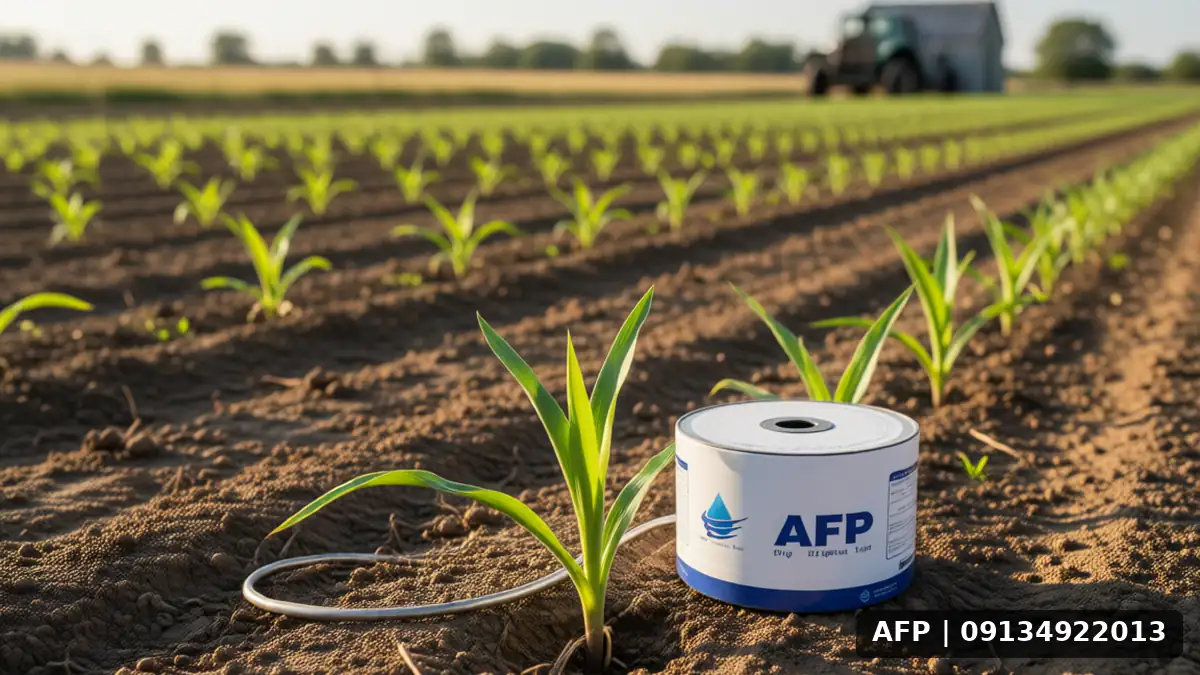
Drip tape installation must be done simultaneously with sowing. In modern methods, drip tape is laid either underground or on the soil surface. If the tape is on the surface, it should be covered with soil or mulch after sowing to prevent rapid moisture evaporation and tape damage by animals. A more comprehensive guide for selecting and installing various types of drip tape is available in the specialized drip tape types resource, which can be useful in selecting spare parts for your system.
Planning drip irrigation based on growth stages
The most critical aspect of irrigation management is understanding the water requirement of chives at each growth stage. Excessive irrigation leads to the shedding of sprouts and fungal diseases, while insufficient irrigation results in stunted plants and a decrease in yield weight.
Water-sensitive stages
Adjusting the application rate in a drip line system is very easy to implement. By reducing the inlet pressure or the number of active drip lines, moisture can be minimized. To better understand the relationship between moisture management and final performance, study Factors for increasing spinach yield may be useful, as both crops share significant similarities in rooting behavior and drying off requirements at the end of the season.
Practical tips for improving efficiency and reducing costs
Smart irrigation management leads to significant savings in production costs. For scallion cultivation with drip tape, consider the following:
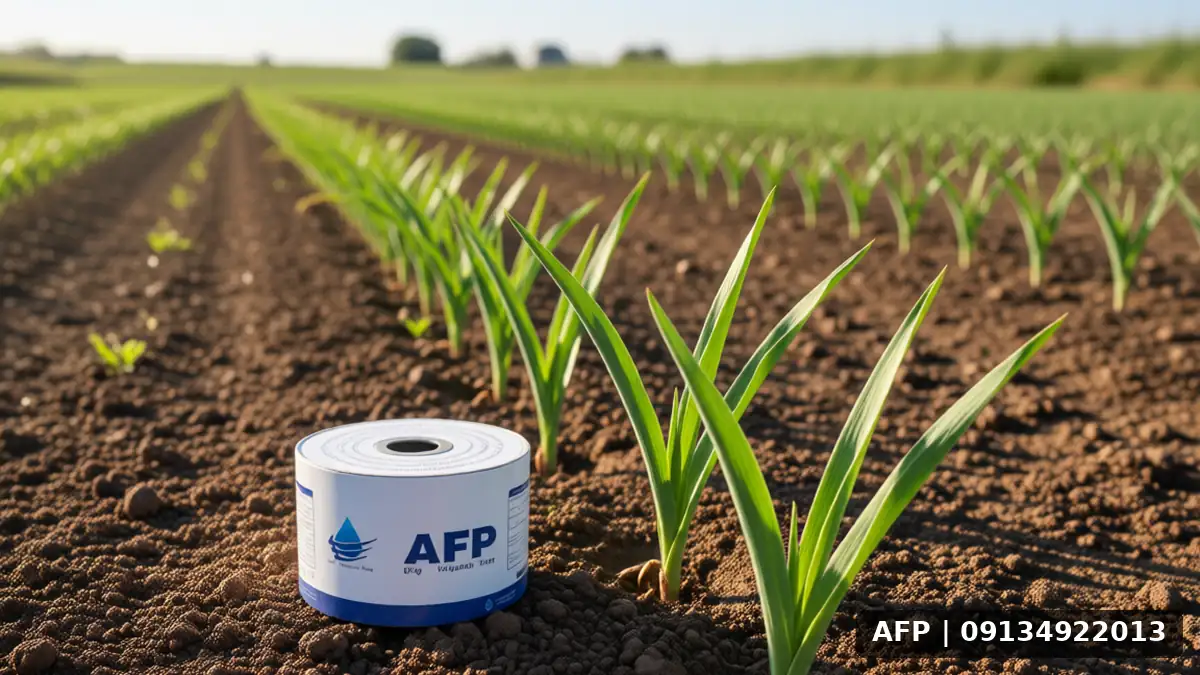
- Fertigation (Nutrient injection): Scallions respond well to nitrogen-based fertilizers. These materials can be injected directly to the roots via the drip tape system. This process increases fertilizer absorption efficiency by up to 30 percent. For comparison with seed-spotted crops, listing the density of dry legume seeds per hectare shows how much plant density can differ in other crops; however, in scallions, plant quality is more important than quantity.
- Straw or mulch cover: The use of straw or special mats on the bed regulates soil temperature and reduces the need for irrigation.
- Soil Moisture Monitoring: Use moisture sensors. The optimal soil moisture for taro root crops is approximately 60 to 70% of field capacity.
Answers to Frequently Asked Questions (FAQ)
Question 1: Is drip tape superior to single-line drip for taro?
Yes, because taro is a row crop, and drip tape provides more uniform coverage at a lower cost. Single-line drip is typically recommended for tree crops.
Question 2: How long should irrigation be stopped before harvesting taro?
Stop irrigation completely at least 10 to 14 days before harvest. This process helps the taro corms and stems harden, increasing their sugar content and nutritional value. It also improves post-harvest storage life in cold storage.
Question 3: How can the drip tape system be damaged if heavy foot traffic is present?
Do not step on the drip tapes during field work, and use protective covers or walk over the tapes to prevent physical damage. Additionally, periodic flushing of the system is recommended at the end of each irrigation cycle to prevent sediment accumulation.
Question 4: Can the drip tape system be used for other crops, such as chickpeas or beans?
Yes, but the emitter spacing configuration must be adjusted. For example, when planting lentils or other legumes, plant spacing is narrower, so drip tape with denser emitter spacing (e.g., 15 cm) is more appropriate.
Conclusion
The use of taro drip irrigation via drip tape combines scientific precision with economic efficiency. This method enables precise moisture management, delays fungal diseases, and improves crop quality and yield. Considering the volatile prices of water and fertilizer resources in the market, investing in a modern irrigation system yields significant returns. Farmers seeking continuous cropping can apply similar configurations to other crops such as cuttings elites or night jasmine (as cover crops or ornamental plants), as the fundamental principles of uniform moisture distribution and fertigation apply to all row crops. Ultimately, the key to success is continuous monitoring and adjusting irrigation flow rates based on weather conditions and soil characteristics.
Related content: Red bean seed rate per hectare + tips to increase yield