Drought Tolerance Cost Per Hectare with Drip: The Complete Budget Management Guide
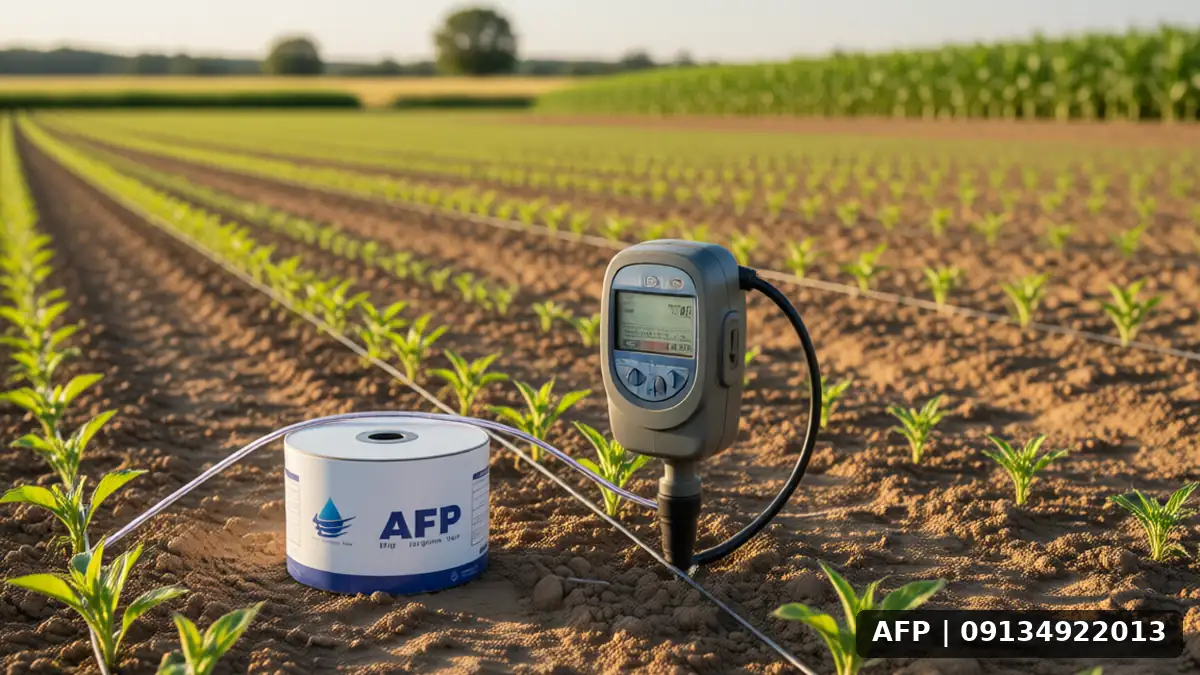
Introduction to Sorghum Cultivation Costs Using Furrow Irrigation per Hectare
Modern farming emphasizes better management of limited resources, including water and operational costs. Among cereals, sorghum holds a significant position, and farmers seek solutions that improve efficiency while reducing unnecessary expenses. Drip and furrow irrigation are the two primary options for this purpose. In this section, we define the precise cost of sorghum cultivation using furrow irrigation per hectare to provide a foundation for subsequent analysis. Sorghum is a crop that requires adequate water, yet conventional methods such as flood irrigation can lead to significant water waste and increased costs. In contrast, furrow irrigation creates a small, open channel that allows water to penetrate uniformly and directly to the plant roots. Due to its simple structure, fast installation, and lower maintenance costs, this method is attractive to many farmers. However, accurately determining the cost of sorghum cultivation using furrow irrigation per hectare requires a comprehensive assessment of various variables, including soil type, land slope, spare part prices, and labor costs.
Initial Cost Differences Between Furrow and Drip Irrigation
Drip tape usually has lower installation and setup costs compared to drip systems, but it requires a careful assessment of farm conditions. A drip system includes specialized emitters, finer filters, and pressure regulators, which results in a higher initial cost. In contrast, drip tape uses PVC or LDPE tapes with calibrated holes, making them simpler to construct and install. For more information and a detailed comparison, you can use the irrigation system design guide per hectare, which explains the technical details of both methods. Benefits per hectare have outlined how proper system design can impact the useful life of equipment. Additionally, considering land slope when calculating costs is critical because a steep slope causes increased outlet flow and reduced uniform water coverage.
Analysis of the costs of various sorghum cultivation components
The cost of sorghum cultivation using drip tape per hectare includes several main sections: initial irrigation system costs, annual operating costs, and indirect costs such as repairs and spare parts. We review the necessary details for each section so that you can have an accurate estimate of the required budget. Failing to account for all these items will lead to economic loss in subsequent seasons. Therefore, a macro view of the cost structure is essential.
Drip tape cost and installation
One of the key costs is the purchase and installation of drip tape. Market prices and buying guides can help you make the best choice. The quality of drip tape raw materials directly affects the final cost. Thicker tapes that are more resistant to ultraviolet (UV) radiation are more expensive but have greater durability. In this regard, you can use the comprehensive price guide for 20-centimeter drip tape in the Iranian market. Comprehensive Guide to Drip Tape Prices It provides up-to-date price lists and brands available in the market. Additionally, the labor cost for pulling and securing the tapes in the furrows created by the cultivator is part of this cost. Do not forget to include the cost of auxiliary equipment such as pumps, filters, and connection valves in the total calculation.
Annual Operational Costs
Annual costs include water, electricity, filters and lateral pipes, as well as labor costs for irrigation system management. Energy consumption for water pumping depends on the elevation head and pipe length. A detailed review of the required seed and input quantities per hectare, such as bellflower seed rate per hectare, can help you estimate operational costs more accurately. Bellflower is sensitive to nitrogenous fertilizers, and using these fertilizers through the irrigation system (fertigation) can reduce traditional fertilization costs, but requires the purchase of soluble fertilizers. The cost of weed control along the drip tapes should also be considered.
Review of Key Points in Cost Optimization
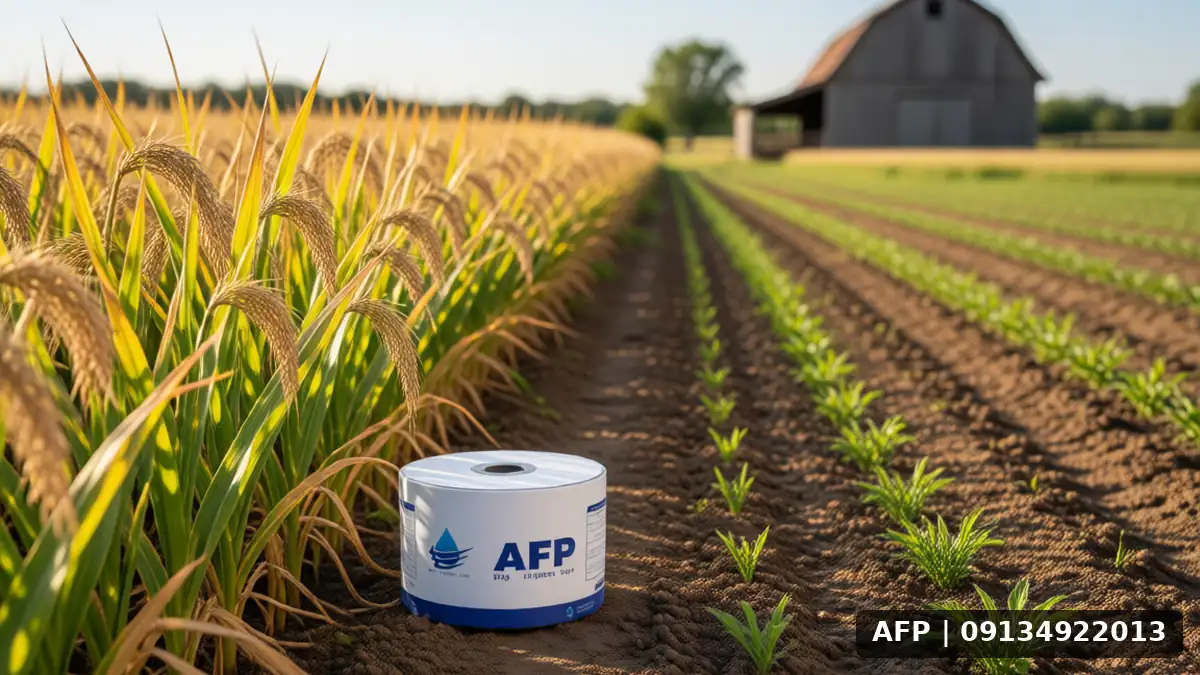
To reduce the cost of corn cultivation using drip tape per hectare, there are several key points. First, paying attention to details before purchasing irrigation drip tape is essential. Selecting the appropriate type of drip tape with a flow rate suitable for the regional climate can prevent avoidable replacement costs. Points to consider before purchasing drip tape These include checking chemical resistance, hole thickness, and production standards. Second, precise planning for water and nutrition is necessary to reduce consumption and increase yield. Irrigating exactly during the critical growth stages of corn (such as emergence and grain filling) can prevent excessive water use.
Precise water and nutrition planning
Using an irrigation schedule based on corn’s needs reduces water costs and prevents damage caused by over-irrigation. Corn is a plant with deep roots and requires balanced moisture. Additionally, using targeted spraying and fertilization with the irrigation system can minimize extra costs. Combining liquid fertilizers with irrigation water (fertigation) leads to better plant absorption and reduced fertilizer waste. This method increases fertilizer efficiency and, consequently, reduces the cost per unit of yield. Furthermore, regular filter cleaning prevents clogging of the drip tapes and reduces pump working pressure, resulting in energy savings.
Frequently Asked Questions about the cost of corn cultivation with drip tape per hectare
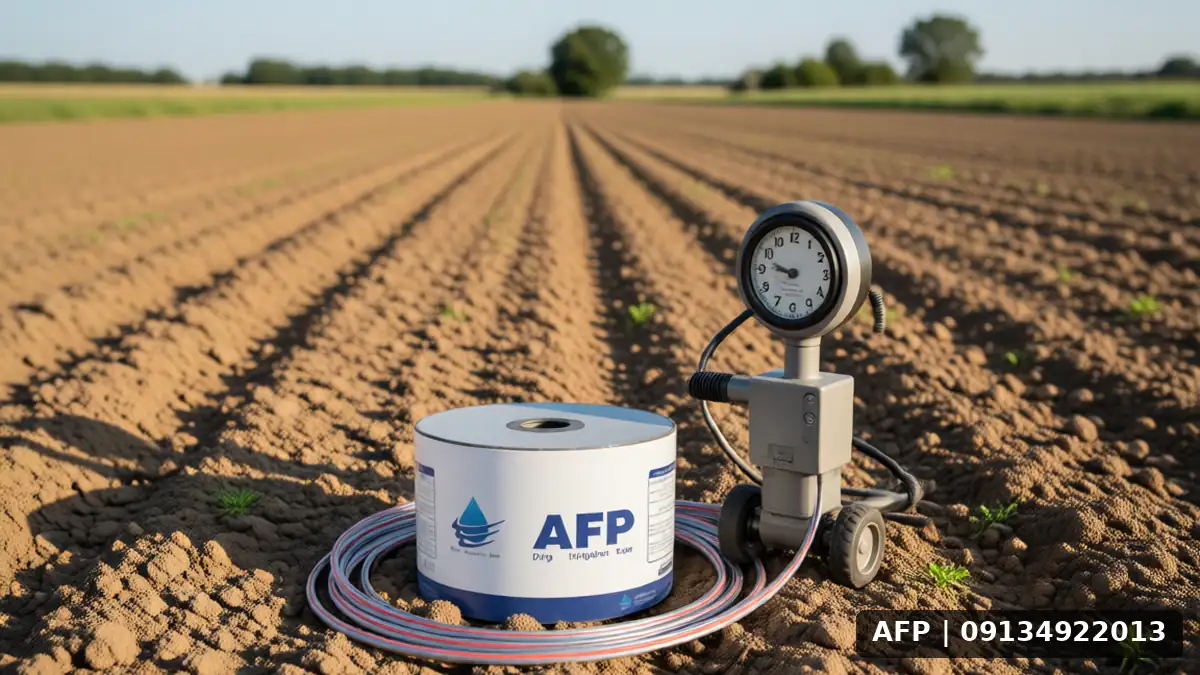
- How much is the cost of drip tape compared to drip irrigation? Drip tape is generally 30 to 40 percent cheaper than drip systems in terms of initial equipment costs, but in the long term, drip systems with more precise control can offer greater durability.
- Is drip tape suitable for different climates? It depends on temperature, humidity, and soil conditions. Appropriate design and precise calculations, such as the sowing rate of melon seeds per hectare, which determines the planting pattern, can help improve adjustment. Sowing rate of melon seeds per hectare This is an example of precise calculations for corn that follows a similar principle for barley.
- What is the cost of replacing drip tape? Depending on the durability of the tape, replacement may be necessary every two to four years. To optimize costs, it is recommended to select high-quality, UV-resistant tape to reduce frequent replacement expenses.
Conclusion and final recommendations
The cost of planting corn using drip tape per hectare is a key parameter for agricultural economic success. By considering initial and annual costs, as well as possible optimizations, you can increase the efficiency of this irrigation method. Precise cost calculations should be based on your farm’s realities, not general averages. For further studies and to become familiar with the diversity of plants and crops in communities, you can use the guide on Indian stalks and destruction per hectare. Indian stalks and seeds per hectare It covers topics related to planting and cultivation. Ultimately, selecting the appropriate irrigation system based on farm conditions is a strategic investment that will yield higher returns in the long term, directing the cost of planting corn with drip tape per hectare towards greater profitability. Adhering to technical principles and proper maintenance is the key to reducing operational costs in the long run.