125mm Flexible Pipe Costs on Farms: Comprehensive Estimation and Economic Analysis Guide
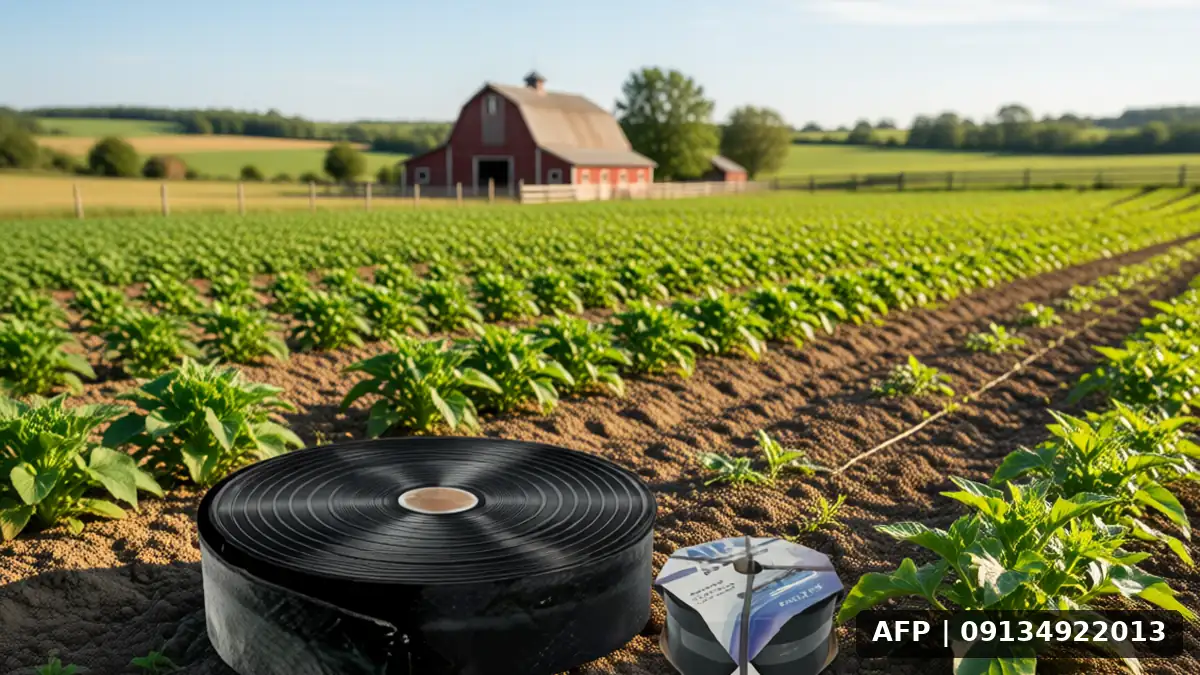
Introduction: Why is the cost of a 125 mm standard collapsible hose important?
In many farms with medium to large areas, the selection of the cost of a 125 mm collapsible hose is one of the key engineering and economic decisions that directly affects the performance of drip and trickle irrigation systems. Collapsible hoses are an attractive option for modern farmers due to their high flexibility, light weight, and ability to be rolled up after use. However, how can one predict the actual cost of this equipment in the farm budget? In this section of the article, without making artificial claims about local agencies, we seek a clear and practical formula for cost estimation so that you can adjust your budget accurately.
Key Factors Affecting the Cost Estimation of Collapsible Hoses
The final cost of purchasing a 125 mm collapsible hose on a farm is not limited to just the price per meter of hose. This cost has a multi-layered structure that includes raw materials, manufacturing quality, hose length, and incidental costs such as filters and fittings. We will explain these layers below.
1. Raw Material and Hose Thickness Cost
Collapsible hoses are typically made from high-density polyethylene (HDPE) or a combination of polymers. The standard 125 mm hose requires a specific wall thickness to withstand variable pressures. The greater the thickness, the higher the resistance to abrasion by suspended particles in the water and mechanical impacts; however, from an economic perspective, this increases the initial purchase cost. Farmers should consider the average useful life of the hose in relation to the initial purchase cost.
2. Installation and connection costs
One of the major components of the drip irrigation budget is the cost of connections. A 125 mm pipe requires high-quality metal or plastic couplers, high-pressure flanges, and pressure regulating valves. Neglecting the quality of connections can lead to leaks and reduced system efficiency, which in the long term will significantly increase maintenance costs. To understand general network design principles, you can refer to Yield of barley and spring barley per hectare For an understanding of the relationship between water volume and piping, please refer to it, as an accurate estimate of water consumption is a prerequisite for selecting the pipe size.
Farm budget analysis: from foundation to performance
For a realistic estimate, the collapsible pipe should be considered as one component of the overall drip irrigation system. In farms using tape systems, the 125 mm pipe is used as a lateral or main line in small blocks. These sections require precise calculation of the cost coefficient per hectare.
Calculation of the cost coefficient per hectare
The following simple formula is useful for initial estimation:
- Total required pipe length = (Farm area / Drip tape width) × Number of tapes
- Raw pipe cost = Total length × Price per meter of 125 cm folded pipe
- Auxiliary cost = (Filter cost + Fittings + Pump) ÷ Area
- Total farm cost = Raw cost + Auxiliary cost + Installation losses (usually 10 to 15 percent)
Note that in specific planting conditions, such as vegetable or ornamental crop planting, planting density affects the distribution of tapes and consequently the pipe length. For example, in irrigation management for sensitive plants, selecting the correct pipe plays a vital role. You can read Melon irrigation guide with drip tape under similar conditions to better understand pressure regulation in flexible pipes.
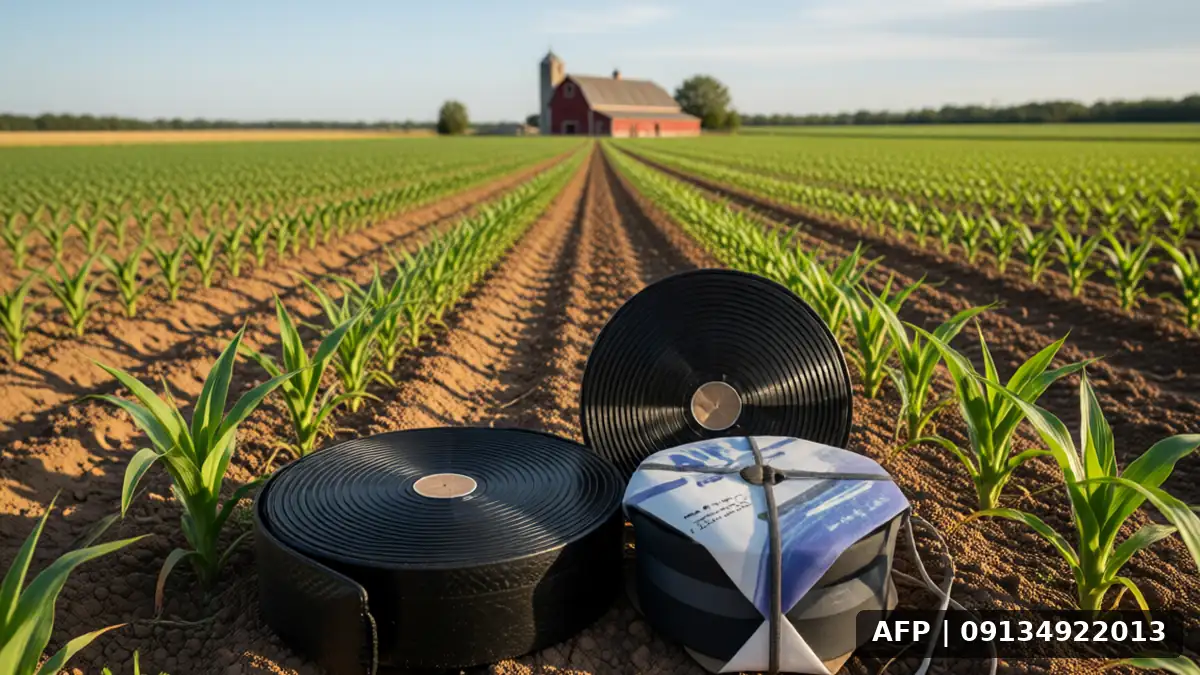
Practical tips for reducing cost and extending hose lifespan
To optimize the cost of 125 mm hose, adhering to several vital practical principles is essential. These tips not only prevent premature wear but also increase the efficiency of the drip irrigation system.
Selecting an appropriate safety factor
- Always purchase hoses with an operating pressure higher than the system’s peak pressure. Higher pressure requires greater wall thickness and increased cost, but provides higher safety.
- Use hoses containing UV Stabilizer. Ultraviolet rays from the sun are the main enemy of polymers and cause hoses to become brittle. UV-resistant hoses are more expensive but have a five-fold longer service life.
Proper off-season storage
After the irrigation season ends, coiled hoses should not be stored under negative pressure or exposed to direct sunlight. The correct method is to fully drain the water, loosely wind the hose, and store it in a cool, dark location. Improper storage doubles the cost of early replacement. This is particularly important for high-frequency cropping. If you manage multiple crops, reviewing key points when using a drip tape can serve as a useful guide for coordinating flexible hose storage with the tapes.
Cost-effectiveness: Flexible piping versus rigid piping
One common question is comparing 125 flexible piping with rigid pipes (HDPE or rigid polymeric). From an economic perspective, flexible piping is superior in farms with limited mechanization access or where rapid relocation of drip irrigation lines is required. The transport and installation cost of flexible piping is approximately 30 to 40 percent lower due to its lighter weight. This saving increases the return on investment (ROI) in the early years. At the same time, for farms with stony soils where higher mechanical resistance is required, combining flexible piping with lateral protection can reduce long-term operating costs (OPEX). To better understand the impact of the irrigation system type on overall performance, you can refer to the article Factors affecting the increase of garlic seed density per hectare to see how water stability directly affects crop yield.
Frequently Asked Questions (FAQ)
Is a 125mm flexible hose suitable for high pump pressure?
Yes, provided that the hose’s working pressure rating (PSI) is higher than the pump’s maximum pressure plus line pressure loss. Always obtain a pressure test certificate from the supplier. For precise pressure drop calculations, using specialized irrigation network software is recommended.
What is the cost difference between flexible hoses and drip tapes?
Drip tapes are generally used for shorter lateral lines with smaller diameters and are more cost-effective. However, 125mm flexible hoses offer greater durability for transferring higher flow volumes over longer distances. If your system is hybrid, you might use flexible hoses for main lines and drip tapes for sub-lines. A complete guide to watermelon irrigation, a crop that typically uses hybrid systems, is available in the tips for using drip tapes.
Does bulk purchasing of flexible hoses reduce the price?
Experience shows that purchasing popular products (flexible hoses) as complete rolls (e.g., 500 meters) rather than by the meter can reduce packaging density and transportation costs. However, you must consider storage dimensions; extra space can sometimes create hidden costs. In variable crop assessments, such as for pistachios or olives, which require high flexibility, Bean seed rate per hectare and other crops with varying planting densities, which determine pipe span lengths and affect bulk purchasing decisions.
Conclusion and Final Recommendations
Estimating the cost of 125 mm layflat hose in a farm is not a static process; it is dynamic and depends on farm environmental conditions, water quality, and crop type. The key conclusion is that buying the cheapest pipe is not necessarily the most economical option over a five-year period. Low-quality pipe, with micro-leaks and clogging of connected emitters, can significantly increase water and energy costs for drip irrigation systems. It is recommended to test pipe samples under peak pressure before purchase and obtain an ISO standard certificate from the manufacturer. By following maintenance principles and correctly selecting the safety factor, you can ensure maximum return on your investment in farm irrigation infrastructure. This approach not only saves money but also helps conserve water resources and maintain soil health.