Comprehensive Beets Planting Guide Using Drip and Tape Irrigation Systems
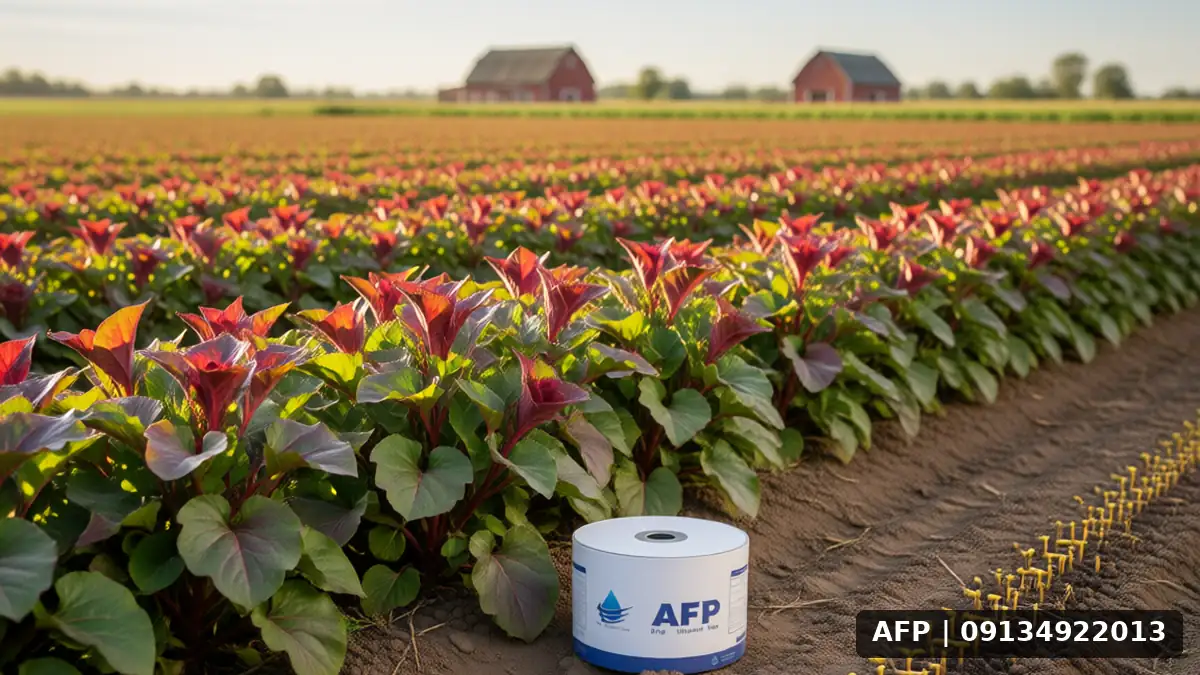
Beets are one of the most important root vegetables, holding a special position in domestic and export markets due to their nutritional properties and multiple uses. For the production of high-quality beets with appropriate weight, proper soil moisture management plays a crucial role. The use of drip irrigation and tape drip as two modern and cost-effective methods helps stabilize root growth and reduce evaporation. In this article, we will review all stages from seed preparation to harvest, relying on irrigation technical principles.
Seedbed Preparation and Irrigation System
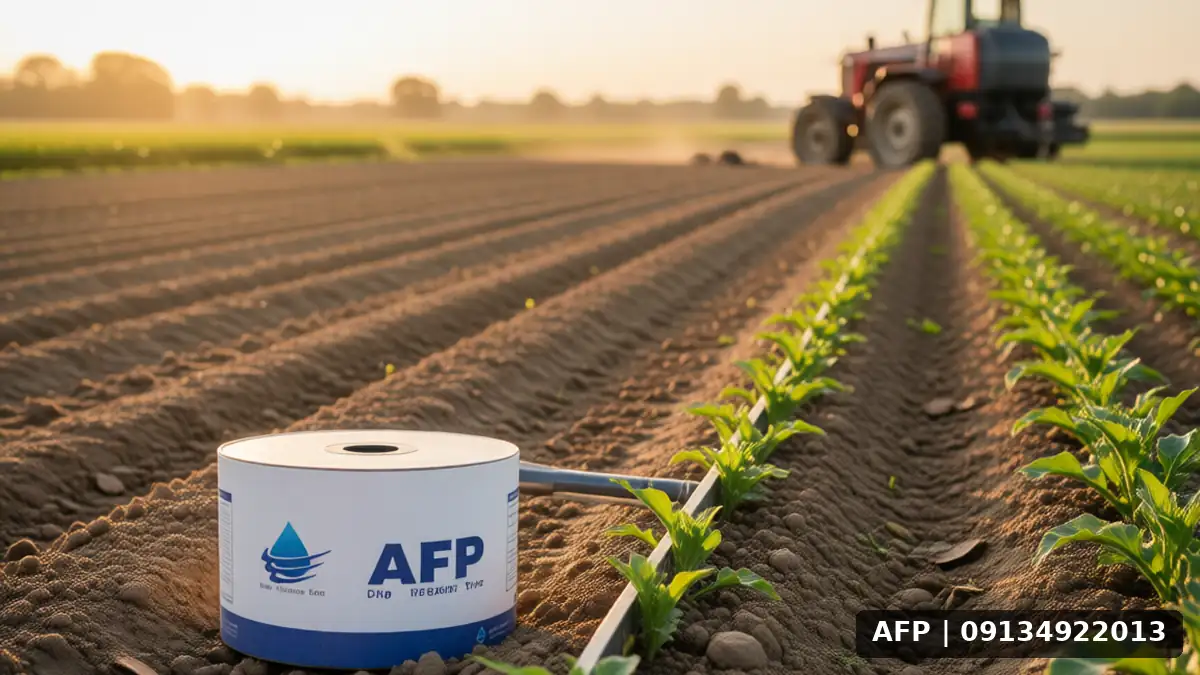
Before planting, the irrigation system must be installed to ensure uniform coverage. In the tape drip method, the water delivery tape must be positioned directly above the active root zone to transfer moisture to deeper soil layers. This prevents the formation of undesirable lateral roots and focuses plant energy on taproot growth. It is also recommended to test water pressure in the system before installation to ensure optimal emitter performance. For more information on technical principles, you can refer to the article on key points when using tape drip irrigation.
Spacing and Planting Density Adjustment
Proper planting density directly affects the final size of the roots. If the spacing between plants is wide, the roots will be larger, but the number of plants per hectare will be lower. In the tape drip system, plants are usually sown on both sides of the tape to ensure easy access to moisture. Density management, considering soil type and climate, is of great importance.
Irrigation Schedule
The average growing period for beets is between 90 and 120 days. The irrigation schedule should be adjusted based on the plant’s moisture needs at various stages. In the early growth stage, frequent but small-volume irrigation is required to facilitate root establishment. As the root grows, the irrigation volume increases, but the frequency of irrigation may change. Drip irrigation enables precise control of this process.
Critical Irrigation Phases
- Sowing to germination phase: Maintaining surface soil moisture is essential. The use of a tape drip system with fine emitters guarantees uniform distribution.
- Active root growth phase: This is the most sensitive period. Water deficit can cause roots to dry out and sometimes crack. Over-irrigation also reduces root quality.
- Final pre-harvest phase: Irrigation is stopped several weeks before harvest to increase pigment density and root sugar content, thereby improving market quality.
To compare yields with other crops that have similar irrigation schedules, refer to the study Yield of rye per hectare This provides insight into the differing water requirements of various crops.
Fertility management and intercropping
Sugar beet is sensitive to potassium and nitrogen. In drip systems, fertigation can be used to deliver fertilizer directly to the root zone. This reduces fertilizer loss and increases nutrient uptake. Additionally, intercropping can help manage pests and optimize space usage.
Selecting appropriate intercrop combinations
Sugar beet can be intercropped with celery or lettuce in strip-plot systems. This method allows plants with deeper roots to utilize water in the middle soil layers. Review the Yield of intercropping per hectare This shows how proper management can increase production.
Regular soil testing is also recommended to determine optimal pH levels. Sugar beet performs best in soils ranging from acidic to neutral.
Practical tips for farmers
To better utilize modern irrigation systems, the following guidelines are recommended:
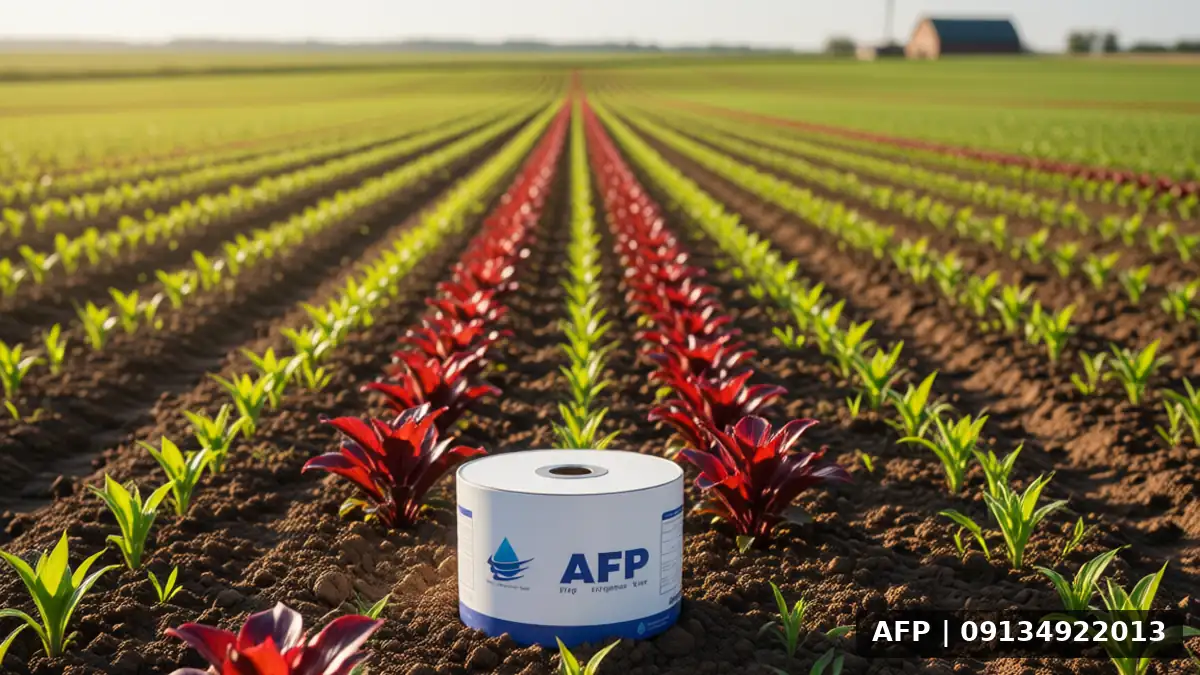
- System hygiene: Filters in drip and micro-sprinkler systems must be cleaned regularly to prevent clogging.
- Soil Covering: Using mulch (straw, plastic) over drip lines reduces evaporation and prevents weed growth.
- Pressure Management: Appropriate pressure must be maintained at the end of the system to ensure uniform distribution. The article on measuring water pressure for drip lines is a good guide for this.
- Checking Soil Moisture: Using a soil moisture probe at the root depth helps you determine the exact timing for irrigation without guesswork.
Although beets are a resilient crop, improper irrigation management can lead to root rot. Maintaining consistent moisture is key.
Frequently Asked Questions (FAQ)
What is the best time to plant beets using a drip system?
In most regions of Iran, fall and spring planting are suitable for beets. In spring planting, the irrigation system must be ready in advance to start regular watering as soon as germination begins. Using drip lines for fall planting is more beneficial due to reduced evaporation during the warmer months of late season.
Can fertilizer be injected along with drip irrigation water?
Yes, this is one of the main advantages of this system. Injecting soluble fertilizer simultaneously with the water allows for precise plant nutrition without waste. Just make sure to flush the lines after fertilizer injection to prevent clogging.
What is the appropriate distance between two drip lines?
The distance between two drip lines should be sufficient to cover the plants’ root zone. Usually, this distance is between 50 and 70 centimeters, which varies depending on the system’s penetration power and soil type.
Is drip irrigation suitable for small beets (baby beets)?
Yes, by adjusting the output flow of the drip emitters, you can prevent over-irrigation. This is important because small beets may suffer from greening or quality reduction if over-watered.
Conclusion
Use of drip irrigation and Tipe ribbon in sugar beet cultivation is a necessity for modern agriculture. These methods not only save water but also increase the size and quality of beet roots through targeted nutrition. Adhering to the irrigation schedule, managing system pressure, and selecting appropriate density lead to higher yields. Farmers are advised to optimize their crops by referring to other specialized articles, such as parsley seed rate per hectare and other technical guides, to leverage experiences from similar products. Smart water management is an investment in the sustainability of your crop.
Related articles: Related article Related article Related article D8AFD8B1 Related article, Related article Related article Related article D8AFD8B1 Related article