Comprehensive Guide to Sorghum Cultivation Using Drip Irrigation
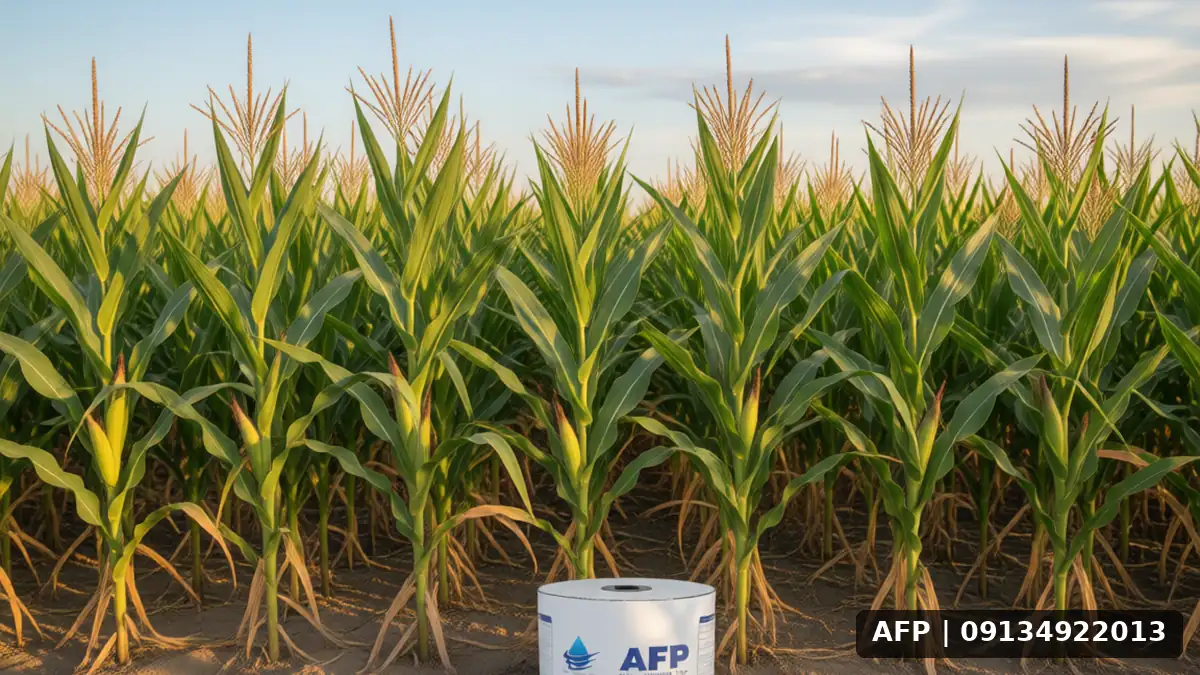
Introduction to Sorghum Cultivation and the Need for Modern Irrigation
Sorghum is one of the most important grain and fodder crops in semi-arid and arid regions. Due to its high resistance to heat and water stress, it holds a unique position in sustainable agriculture. However, to achieve maximum yield, cultivation alone is insufficient; precise management of water resources is of vital importance. The use of drip irrigation systems is an efficient method for delivering water to the roots, reducing evaporation and water loss. In this guide, we examine the sorghum planting process from inception to sustainability, with a focus on drip irrigation and tape line principles. Thanks to its resilient genome, this crop has a high capacity to absorb water from deep soil layers, which, when the irrigation system is properly calibrated, creates exceptional efficiency. Cultivating sorghum with a modern approach not only reduces water consumption by up to 40% but also, by ensuring uniform moisture distribution, creates a solid foundation for faster plant growth before environmental stresses occur. Therefore, a deep understanding of drip irrigation dynamics is unavoidable for every active farmer in this field.
Sorghum Planting Methods Compatible with Drip Irrigation
Final Visualization and Bed Preparation
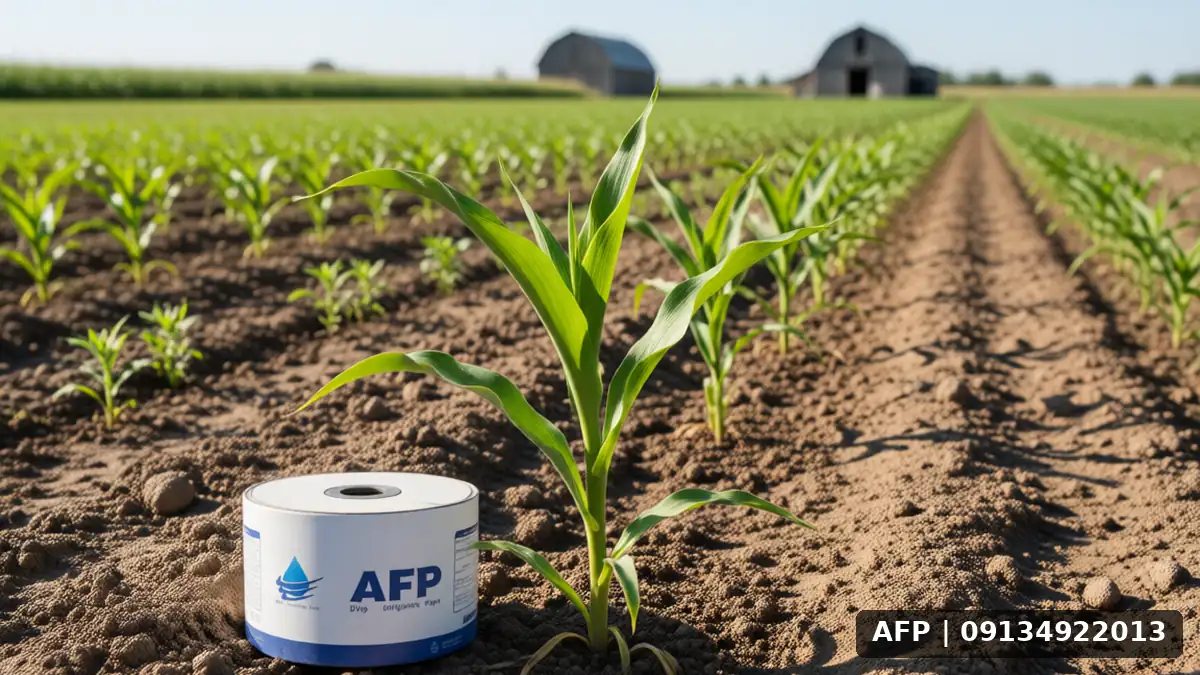
The most important pre-planting step is preparing the seedbed. In drip systems, the ground surface must be level to ensure uniform pressure throughout the line length. Sorghum is typically planted in rows spaced 60 to 75 cm apart. This spacing allows the drip tape or mainline pipe to be placed easily either between or alongside the rows. If using smaller, clear drip tubing, always use a 2-inch polyethylene pipe as the main delivery line at the block head to prevent significant pressure loss along the path. Additionally, deep plowing and removal of gravel before installing the tubing prevents physical damage to the drip tape during planting. The seedbed should be structured to allow roots to spread freely through various soil layers.
Planting Method and Spacing Adjustment
Place sorghum seeds in alignment with the drip tape path so that water and nutrients are delivered directly to the root zone. Planting with semi-mechanized equipment equipped with a drip tape placer offers high precision. For manual planting, ensure that seeds do not contact the emitters on the drip tape to prevent clogging. Maintain a spacing of 10 to 15 cm between seeds within a row to prevent intense competition among young plants for light and water. This organized arrangement also facilitates better growth monitoring and reduces disease damage.
Sorghum Drip Irrigation Schedule
Water management at various growth stages of sorghum is highly sensitive. There is no fixed irrigation schedule; it must be adjusted based on air temperature, soil moisture, and the plant’s growth stage. Overall, sorghum requires approximately 400 to 600 mm of water during the season. In a drip system, you divide this amount into smaller portions (irrigation pulses). Proper timing is the key to success at this stage, as early irrigation can suffocate the roots, while late irrigation causes grain or flower shedding. Therefore, we strongly recommend that farmers continuously monitor soil moisture using digital moisture sensors.
Note that these figures are approximate and must be verified with a soil tensiometer or local soil testing. The primary objective is to peak water stress, except during the sensitive flowering stage. At these stages, minimum soil moisture can lead to a significant reduction in grain weight and final crop quality.
Practical tips for drip line management in sorghum fields
- Pressure inspection: Before starting irrigation, check the system pressure. Drip line pressure should normally be between 1 and 2 bar. High pressure causes rapid wear on the line and shortens its service life. Using a pressure regulator is an appropriate solution for maintaining balance.
- Filter cleaning: Sorghum has a relatively coarse root system, so fine soil particles may not enter the lines, but conversely, if filters are clogged, the lines may become blocked. Always use high-quality sand or mesh filters and inspect them weekly.
- Line health maintenance: Avoid shaking or pulling the drip tape with heavy machinery or animals. Drip tapes are UV-sensitive; if the tape is placed on the ground, cover it with plant leaves or soil during the day to prevent degradation.
- Proper connections: When connecting the tape to the main line, use high-quality metal or plastic fittings. Small leaks over the season can significantly reduce pressure at the end of the tape. Seal connections with specialized adhesives.
In addition to sorghum, similar principles apply to other deep-rooted plants. For example, if you have other crops in your field such as Mung bean yield per hectare in mind, their water requirements differ. However, drip tape technology is scalable. Integrated irrigation management for all sequential crops will lead to resource optimization.
Frequently Asked Questions (FAQ)
Can drip tape be used for multiple seasons?
Yes, quality drip tapes are generally usable for two to three seasons. With proper care, their lifespan will be extended. After the season ends, clean and fold the tapes, and store them in a cool place away from direct sunlight. A final rinse with clean water prevents the growth of microbial biofilms inside the pipes.
How can I prevent drip emitters from clogging?
Using an appropriate filter, flushing the system regularly at the end of the day, and not applying solid fertilizers or concentrated solutions through the drip tape without dilution are among the most critical factors in preventing clogging. Always flush the system at the start of a cycle and use clean water storage tanks.
Is drip irrigation suitable for rainfed sorghum?
Although sorghum is a hardy plant, drip irrigation significantly increases yield even in semi-arid conditions. This method allows you to deliver limited water resources precisely to the root zone. Reduced water stress directly leads to improved grain yield.
Conclusion and References
Sowing sorghum using drip and drip tape irrigation is a combination that can transform your agricultural cycle both economically and environmentally. By adhering to bed preparation principles, selecting appropriate spacing, and continuously monitoring the irrigation system, you not only reduce water costs but also optimize the quality and quantity of marketable grain. For more information on managing other crops, you can also read about the spinach seed rate per hectare + influencing factors and methods to increase it. Success in drip tape irrigation lies in the details; therefore, maintain a high standard and do not overlook even the smallest leaks. Additionally, familiarizing yourself with the rainfed wheat seed rate per hectare: a comprehensive cultivation guide can provide you with a better perspective.
Related content: Alfalfa Seed Rate per Hectare + Influencing Factors, barley seed rate per hectare iraq
Related content: Dryland Wheat Seed Rate per Hectare: Comprehensive Cultivation Guide