Comprehensive Guide to Increasing Winter Wheat Yields Per Hectare Using Ribbon Drip Irrigation
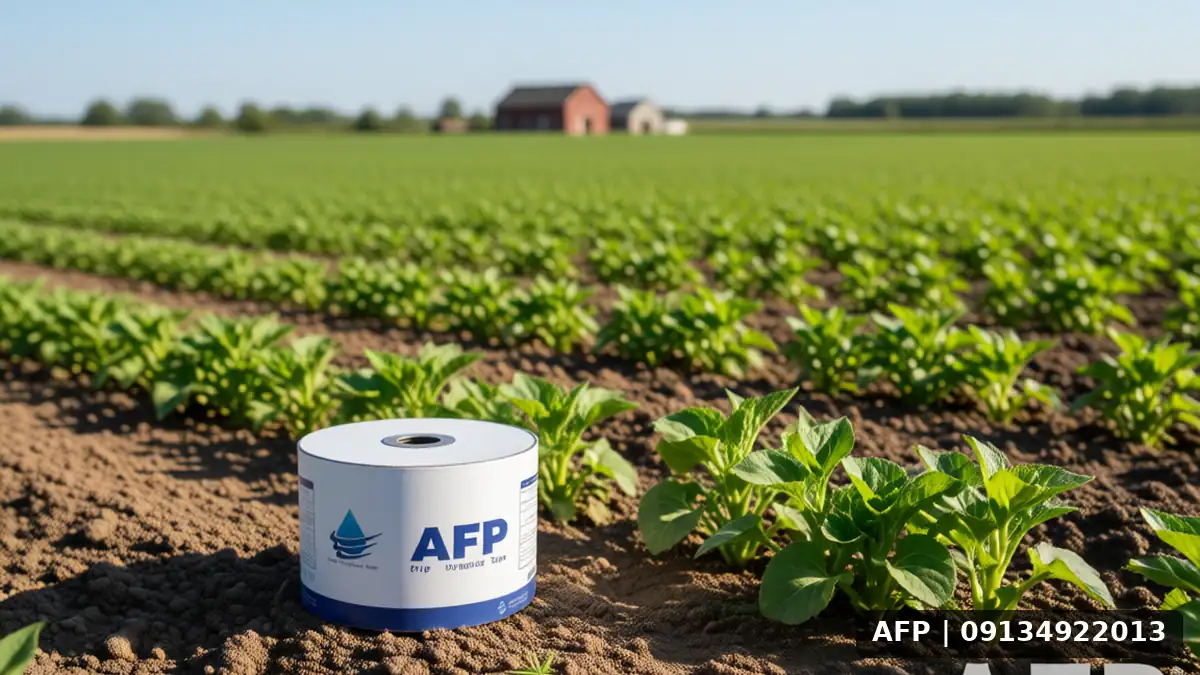
Introduction to the importance of red clover and the challenges of forage production in Iran
As one of the main pillars of livestock rations in Iran, red clover holds an irreplaceable position. This annual plant, also known as white clover or radixal, has received special attention from livestock farmers due to its high content of amino acids and digestible protein. However, the main challenge that many farmers struggle with is achieving sustainable yields and increasing the yield of red clover per hectare under conditions where water resources are declining. Relying solely on seasonal rainfall in semi-arid regions leads to severe fluctuations in the quality and quantity of the final crop. Unfortunately, many farms still use traditional methods that have very low water and energy efficiency.
Micro-sprinkler irrigation, a type of pressurized irrigation, is an innovative solution for overcoming these barriers. The key difference between micro-sprinkler and common drip systems lies in the water distribution method. In drip systems, water is discharged at specific points, whereas in micro-sprinkler systems, water pressure is released uniformly at different depths of root establishment through perforated pipes or polyethylene micro-tubes with specific flow rates. This mechanism keeps moisture in the active root zone, minimizes surface evaporation, and allows the plant to allocate more energy to stem and leaf growth. Below, we examine this process from an engineering and physiological perspective to understand how final yields can be maximized.
Analysis of key factors affecting final red clover performance
To understand the deep relationship between the irrigation system and biomass production, focus must be placed on the synergy of agronomic and technical factors. Clover is a plant with high sensitivity to soil water and oxygen balance. Water deficit during sensitive phases, such as germination and vegetative growth, can cause early senescence and reduce herbage length. Conversely, waterlogging and absolute soil saturation, which is common in furrow irrigation, depletes soil pore oxygen and creates conditions for phytopathogenic diseases. The drip line, by creating a uniform moisture halo, maintains this delicate balance.
The role of rooting depth in optimizing production
In terms of root architecture, clover has a deeper system than many annual grains. This feature contains the potential to utilize deep soil layers. Due to the ability to adjust burial depth of pipes, the drip line gives the farmer the option to direct water exactly at the active root zone (typically 20 to 40 centimeters). When moisture is stable at this depth, the plant, with reduced water stress, shifts its metabolism toward dry matter production. This phenomenon directly affects an increase in dry weight per unit area. For a functional comparison with other agricultural commodities, a look at vegetable yield guide per hectare can provide a general perspective on the effects of modern systems on various plants.
Planting Density Management and Resource Competition
An often-overlooked factor in farms is the inverse and direct relationship between plant density and irrigation quality. In drip strip irrigation, as plant access to water increases, farmers may be inclined to increase planting density. However, without control, this can lead to severe competition for light and water between neighboring plants. If density exceeds the allowable limit, canopy coverage becomes dense and uneven, light interception at lower levels is cut off, and ultimately, the weight of each plant decreases. Therefore, identifying an optimal density calibrated with the drip strip discharge rate is the key to achieving maximum dry forage yield in the season.
Understanding the Principles of Drip Strip Establishment and Technical Operation for Oats
Utilizing drip strips does not end with purchasing equipment; it requires strict adherence to technical protocols for the initial investment to be economically viable. The following outlines the executive and operational aspects that an oat farm with pressurized irrigation should follow:
- Determining Optimal Strip Burial Depth: Given the sowing depth of oats, drip strips must be installed so that water discharge is precisely located in the main root zone. A depth of 15 to 20 cm is recommended for cold regions and 25 to 30 cm for warm regions to reduce evaporation.
- Input Flow Rate Adjustment and Monitoring: Uniformity of moisture from the beginning to the end of the row is critical. Severe flow rate fluctuations damage the delicate root system of oats. Using pressure regulators and regulating valves ensures that the moisture halo remains constant along the entire length of the strip. For deeper insights, it is recommended to study key points when using drip strips.
- Operating Pressure Management: Alfalfa is highly sensitive to pressure fluctuations. Installing appropriate filters and using clog-resistant drip tapes prevent crop loss due to salinity or sediment stress. Stable operating pressure directly correlates with uniform forage height across the field.
- Timing and Frequency of Grazing Events: A hidden advantage of drip tapes is the increased rate of new leaf growth after harvest or grazing. This allows the number of harvests per growing season to increase from two to three, or even four, significantly boosting the Leaf Utilization Yield (LUY).
Comparative Analysis of Yield and Energy Costs Across Different Systems
To better clarify the economic and technical dimensions, key variables regarding production volume and resource consumption are summarized in the table below. These figures are based on average field data from alfalfa farms in regions with similar climates:
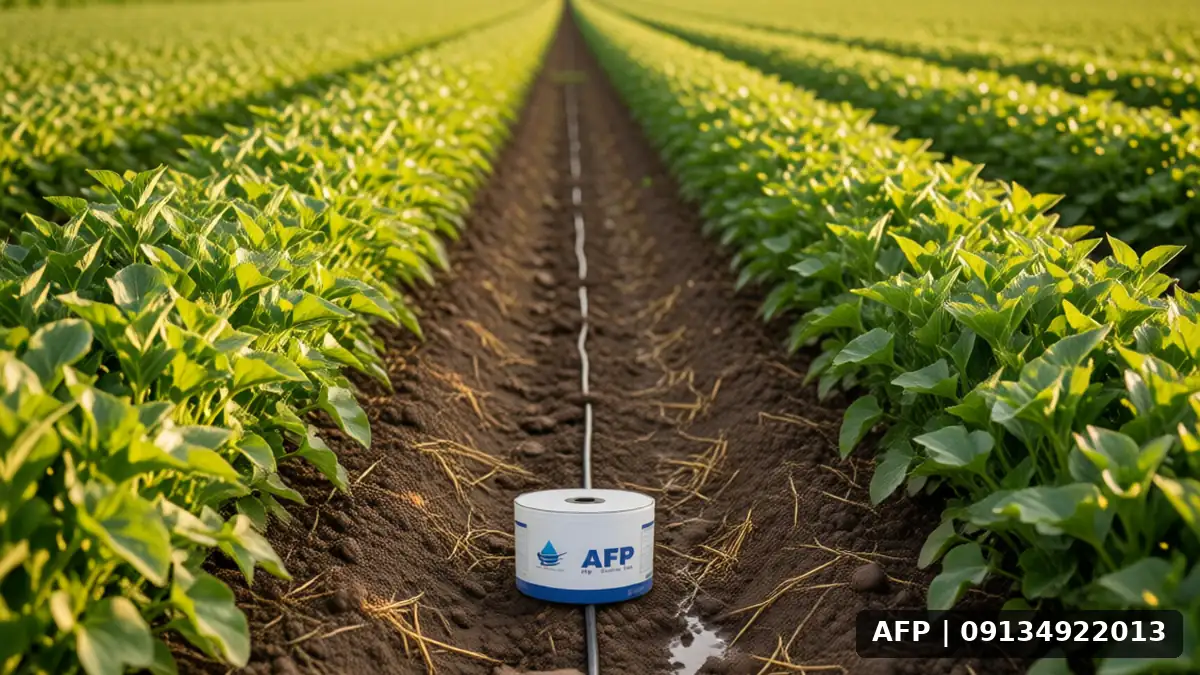
As shown in the table, tip line irrigation provides higher dry forage yield with significant water savings. This advantage stems from reduced root zone stress and increased nutrient uptake. To ensure the physical integrity of the lines and prevent hidden leaks that affect these figures, you can refer to the guide Drip tape connection thickness Consult to ensure the quality of consumable materials.
Frequently Asked Questions (FAQ) for Farmers
Why is the clover height low and uneven in some areas of the field?
The main causes of uneven growth are usually related to the asymmetric water pressure distribution in drip lines. If the terminal strips of a row receive less flow than the initial strips, the plants in that section will face moisture stress. Inspecting and balancing the network regulating valves, performing flow mapping, and regularly cleaning filters can resolve this issue.
Is the drip line system the same for different types of clover (early-season and late-season)?
The main difference lies in the flow rate and number of irrigation cycles. Early-season clover, which has a shorter growing period, requires high-frequency, low-volume irrigation to maintain photosynthesis rates. However, late-season clover, with a longer growing period, requires more stable volumes. In both cases, the principle of drip lines remains the same, but technical settings change according to the climate and plant species.
Is side-dressing possible via the drip line in alfalfa?
Although alfalfa is a plant whose roots are associated with nitrogen-fixing bacteria and has low nitrogen requirements, micronutrient balance is important during early growth stages or in low-yield regions. The drip line can be used to inject low-concentration liquid fertilizers, but care must be taken to prevent high salinity in the solution from damaging root cells. Periodic leaching and the use of low-salinity fertilizers are essential.
Final summary and practical recommendations for increasing efficiency
Achieving optimal alfalfa yield per hectare is no longer a matter of chance; rather, it is the result of precise engineering of agricultural and irrigation systems. Drip lines, as a tool for resource management, offer farmers the opportunity to create a sustainable and highly profitable production cycle. By considering water infiltration depth, precisely adjusting planting density, and continuously monitoring the physical integrity of the lines, results can be achieved that are both environmentally sustainable and economically justifiable. The final recommendation is to align the specific climatic conditions of your farm with the technical standards of the equipment before implementing the plan, to maximize farm productivity.