Iran Drip Irrigation Market: 2026 Trends
Introduction: The Drip Irrigation Market Landscape in Iran
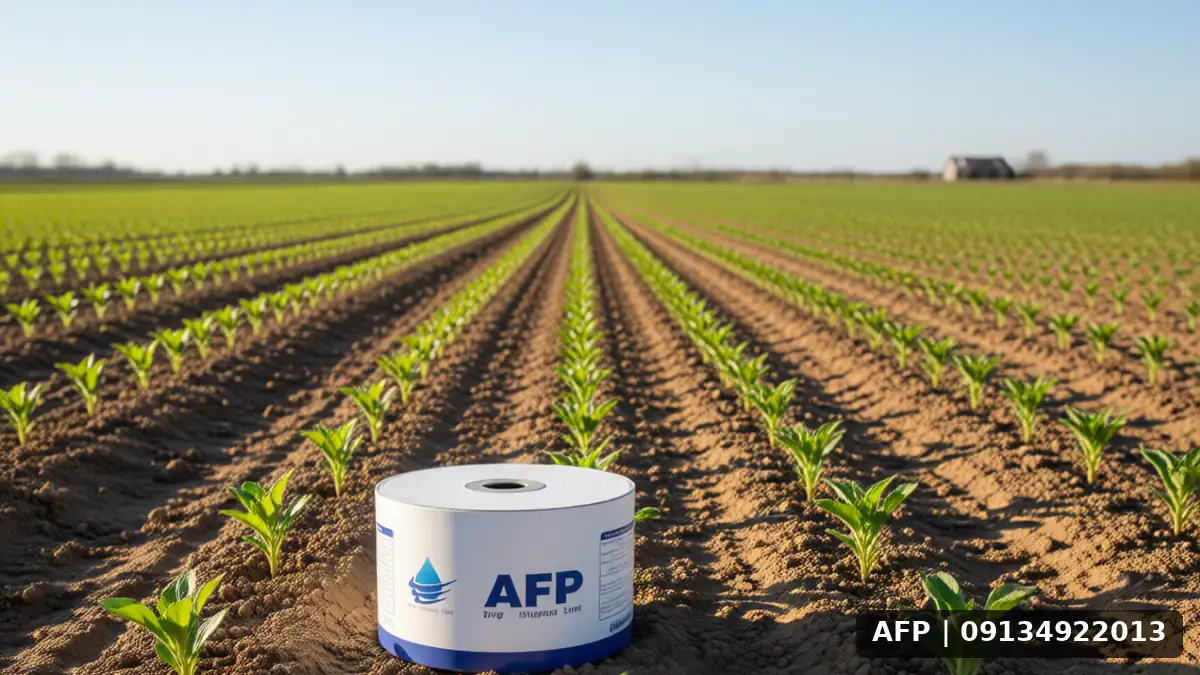
The irrigation industry in Iran is on the brink of a major transformation. With increasing water stress, climate change, and the expansion of industrial agriculture, the need for high-efficiency irrigation systems such as Iranian drip irrigation is more felt than ever. The year 1405 is a sensitive period in the country’s agricultural development calendar, creating unique opportunities for emerging technology providers, investors, and farmers. In this section of the article, we aim to take an in-depth look at the trends ahead in this technology’s market and identify how these opportunities can be better leveraged.
The role of drip tapes, as one of the most cost-effective and widely used drip irrigation components in broadcast crops such as corn, tomatoes, and onions, will be doubled in 1405. Farmers are looking for solutions that reduce energy costs while improving final crop yield.
Key Trends in the 1405 Drip Tape and Drip Irrigation Market
1. Smart Technology and the Internet of Things (IoT)
One of the most significant trends taking shape is the connection of irrigation systems to smart platforms. In 1405, it is expected that many irrigation component manufacturers will include soil moisture and temperature sensors in their standard packages. This allows farmers to monitor their fields remotely via mobile applications. To better understand the technical differences between various platforms, refer to the guide on Drip tape differences: seed-based vs. plate-based It can give you a good overview of the existing standards in the Iranian market.
2. Increased resistance to rot and water purification
Given the diversity of water sources across different regions of Iran, from brackish water to river surface water, the clogging of filters and blockage of drip tape holes are fundamental challenges. In 1405, competition among brands will be based on filtration quality and resistance to impurities (polymethylphenylene, etc.). Many farms are currently investing in more precise pre-filter systems to reduce risk and extend the economic life of the drip tape.
Strategic guide for farmers and producers
To secure a strong position in the growing market of 1405, a Strategic guide (Strategic Irrigation Guide) is important. This guide focuses not only on product purchasing but also on the proper design of the farm’s pressurized network.
Optimizing water use in intercropped systems
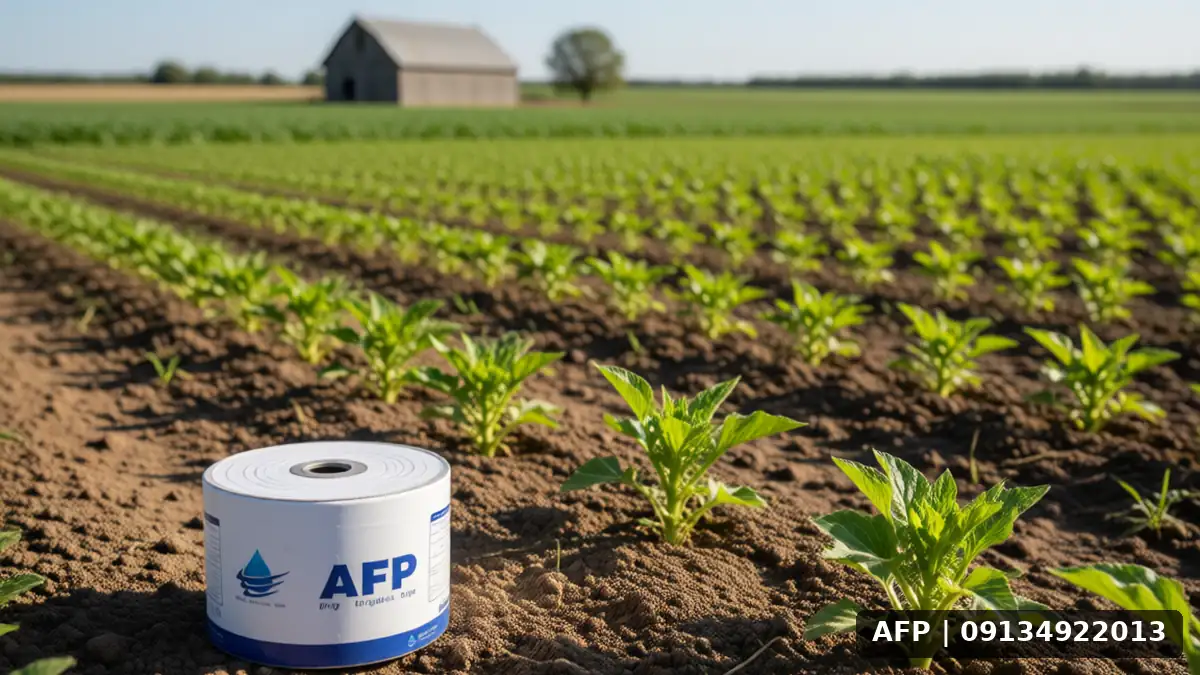
Drip irrigation can reduce water consumption by up to 40 percent compared to flood irrigation. However, this reduction is only meaningful when the spacing of the drip tapes aligns with the cropping pattern. For crops such as okra, which have high sensitivity to water stress, understanding okra yield per hectare and its standard water requirement is key to increasing profitability. Under these conditions, drip tapes with emitter spacings of 20 to 40 centimeters generally provide better efficiency.
Appropriate selection based on crop type
Every crop has unique sensitivity to uniform water distribution. For example, in lettuce and bean crops, subsurface drip irrigation can prevent water evaporation and weed growth. If you plan to use standard drip tapes, understanding the technical differences between 3 mm and 16 mm pipes is vital. For more details on the application and usage conditions of 3 mm pipes, you can refer to the article Purchase and features of 3 mm pipes . These pipes are a suitable choice for crops with narrow spacings (less than 50 centimeters).
Practical and technical tips for successful implementation
Technical knowledge alone is not enough; correct on-farm execution is what makes the difference. Below, we share key tips that optimize many years of practical experience.
- Initial Flushing: Before connecting the drip tape to the manifold, always flush the network at 3 bar pressure to remove impurities that were incidentally formed during the manufacturing process. This prevents initial clogging.
- Installation Direction: Always align the direction of the dripper openings (in the case of one-way tapes) with the prevailing wind and the land slope to prevent asymmetric water distribution.
- Pressure Management: The water pressure at the drip tape outlet must be between 1 and 3 bar. Higher pressure causes water to spray into the air and be wasted, while lower pressure results in unstable water distribution along the tape.
- Irrigation cycle planning: Instead of daily irrigation, use a high-frequency, low-volume method. This method encourages roots to grow deeper.
Adhering to these points directly impacts the sustainability of your crop in 1405. For soil-moisture-sensitive crops like beans, precise control of these variables is of utmost importance. To accurately calculate water requirements, having information about coffee yield per hectare (as an example of a perennial crop with different water needs) conceptually helps account for the differences in water demand between annual and perennial crops.
Frequently Asked Questions (FAQ)
Is drip tape suitable for all soil types?
Yes, but its optimization depends on soil permeability. In heavy clay soils, drip tape can cause local waterlogging of the root zone. In this case, it is recommended to use wider spacing between emitters or larger emitters. In sandy soils, water infiltration speed is high, requiring more frequent irrigation.
What is the useful life of drip tape?
Under ideal conditions with proper filtration, the useful life of drip tape can range from 2 to 5 years. Main factors reducing its lifespan include UV radiation, irregular pressure, and the precipitation of calcium and metal substances in the water. The use of advanced filtration systems will become a necessity in 1405.
Is drip irrigation recommended for green beans?
Drip irrigation is one of the best methods for growing green beans because precise moisture control reduces fungal diseases, which are caused by high humidity around the follicle. Additionally, the ability to use Fertigation together with water allows for better absorption of nutrients by the small bean roots.
What is the difference between a disc filter and a mesh filter?
Disc filters are suitable for surface water containing coarse particles and are easier to clean. Mesh filters are for well water and finer filtration (100 to 120 microns), which is essential for tip lines with small orifices. Combining these two types of filters in one system is a common practice in 1405.
Is tip line suitable for orchard crops such as pomegranate?
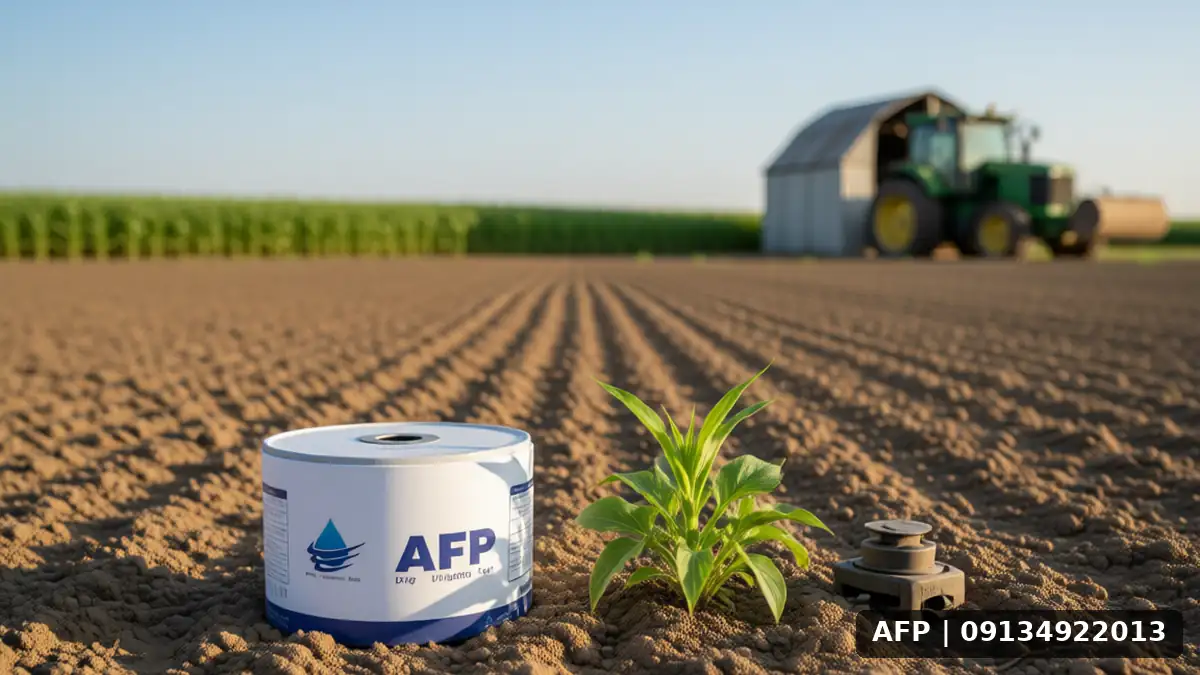
Tip lines are primarily designed for vegetables/row crops. For trees with highly branched and deep root systems, standard tip lines usually do not have sufficient capacity to cover the canopy radius. In this case, using linear emitters or permanent drip lines (Drip Line) with a diameter of 16 or 20 millimeters is more appropriate. However, combining tip lines with permanent emitters (Hybrid System) in the budding sections of trees is considered an emerging approach in 1405.
Conclusion: The Future of Precision Irrigation in Iran
The year 1405 is when the boundary between conventional and precision irrigation will be redefined. The market Iran’s drip irrigation is transitioning from merely a farming tool to an engineering and data-driven system. Farmers and investors who focus on equipment quality, precise filtration, and hole distribution optimization will be the winners in this competition.
To succeed in this market, understanding local variables (soil type, water source, and crop patterns) is as important as knowing the products produced. At Dekaak, we believe that investing in technical knowledge and high-quality equipment is the only solution for achieving economic and environmental sustainability in coming decades. By focusing on Typhoon and drip systems, we can achieve more sustainable and profitable production that meets not only current needs but also the requirements of future generations.
We hope this strategic guide has provided you with a clearer perspective on 1405 trends. If you need technical consulting on irrigation network design, our specialized team is ready to answer your questions. The future of Iranian agriculture is in the hands of knowledgeable and informed farmers.