Revitalizing Fatigued Agricultural Soil with Drip Irrigation: A Comprehensive Practical Guide
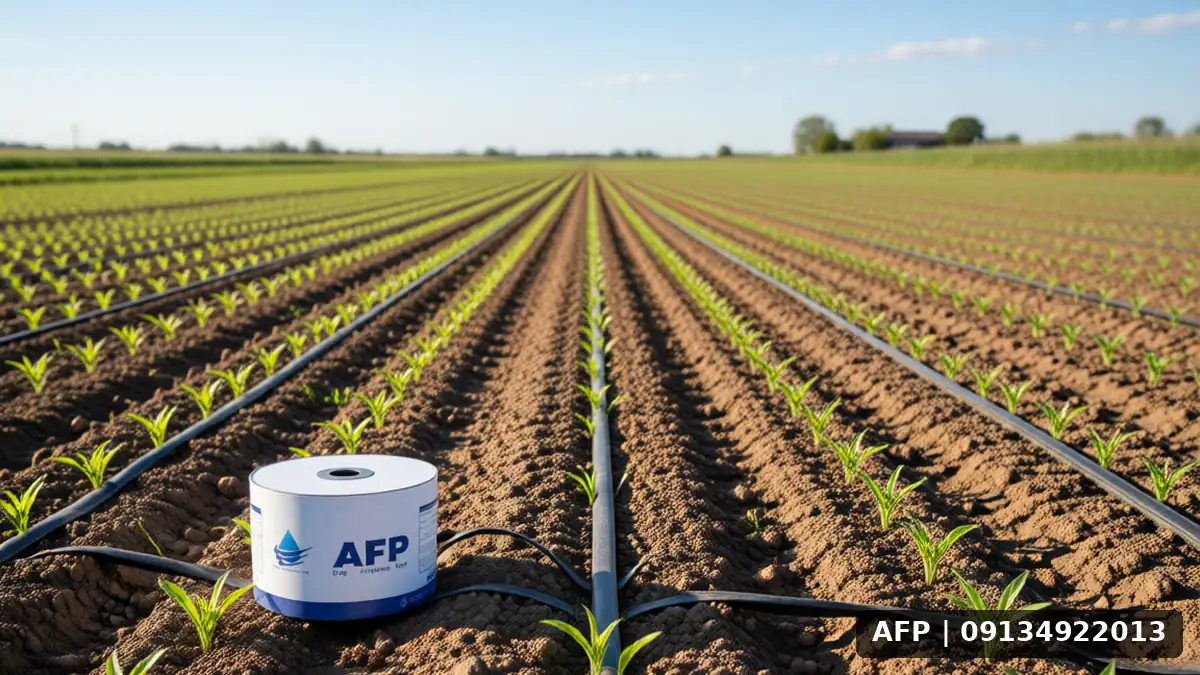
Why do agricultural soils become exhausted and fatigued?
In recent decades, the repeated and indiscriminate exploitation of a specific land unit, sole reliance on chemical fertilizers, and the implementation of unrealistic and flood irrigation have brought many agricultural soils in Iran to a stage where they are colloquially called fatigued soil This destructive process is not limited to a decline in chemical fertility indices; it also severely targets the delicate layers of the soil’s physical structure. The accumulation of harmful salts, a drastic drop in organic matter levels within the soil profile, and the compaction of drainage layers all cause plant roots to face severe resistance in accessing oxygen, water, and nutrients. Under these conditions, clay and drainage layers experience oxygen deficiency, and root activity slows down. By examining this phenomenon in more detail below, we see how subsurface irrigation and moisture management can play a decisive role.
The Role of Water and Moisture in Soil Structure Repair
Moisture is an indissoluble factor in soil recovery. When drip irrigation is correctly installed, the drip of water onto the soil surface prevents salt accumulation and the compaction of the surface layer. This system creates local rainfall effects in the root zones, allowing the plant to perform uptake with minimal energy. According to a comprehensive drip irrigation guide, managing water pressure and dosing schedules can have a direct impact on soil microbial health. Without sufficient moisture, the activity of beneficial microorganisms stops, and the decomposition cycle of organic matter, which is the lifeblood of soil health, is broken. Furthermore, the sharp moisture fluctuations that occur in flood irrigation cause soil shrinkage and the opening of soil seams, which drip irrigation prevents by maintaining uniform moisture. Another important point is that Subsurface irrigation It can help along this path, but the key to restoration is precise moisture management and soil structure improvement.
Drip irrigation: The primary tool for reviving exhausted soil
Installing a drip irrigation or subsurface drip tape system is the first step to restoring eroded land. In this system, water moves in drops or a thin ribbon directly alongside the roots. This method is ideal because it prevents the leaching of organic matter from the soil surface and minimizes the impact on surface soil oxidation and aeration compared to flooding irrigation. Additionally, uniform water distribution prevents the soil from reaching absolute saturation, eliminating the semi-anaerobic condition known as “structural damage.” Understanding the principles Modern drip irrigation systems Helps you regulate operating pressure and prevent clogging of emitters due to organic matter or starch deposits. Furthermore, using appropriate filters and periodic chlorination to prevent oxide precipitation and algae growth in the lines is critical. In addition, attention to installation details and operating pressure can extend the useful life of the system for many years and prevent costly repair expenses.
Strategic moisture management based on climate and soil type
The irrigation strategy should not be applied blindly. In sandy soils with high drainage rates, frequent and smaller doses are recommended to maintain root depth uniformly. However, in clay soils with low permeability, applying a high dose causes water to accumulate on the surface, leading to compaction. In this case, using a narrow-width, low-pressure subsurface drip tape is preferable. Many farmers turn to planting cover crops to improve the situation, which in Increasing garlic yield It plays a positive role, but here their primary goal is soil surface protection. Cover crops, with their fine roots, break up soil clods and open air channels. These plants also prevent direct water evaporation from the soil and nutrient leaching during heavy rains. The selection of the cover crop type should be tailored to the local climate and water requirements to ensure it can withstand wind erosion and maximize efficiency.
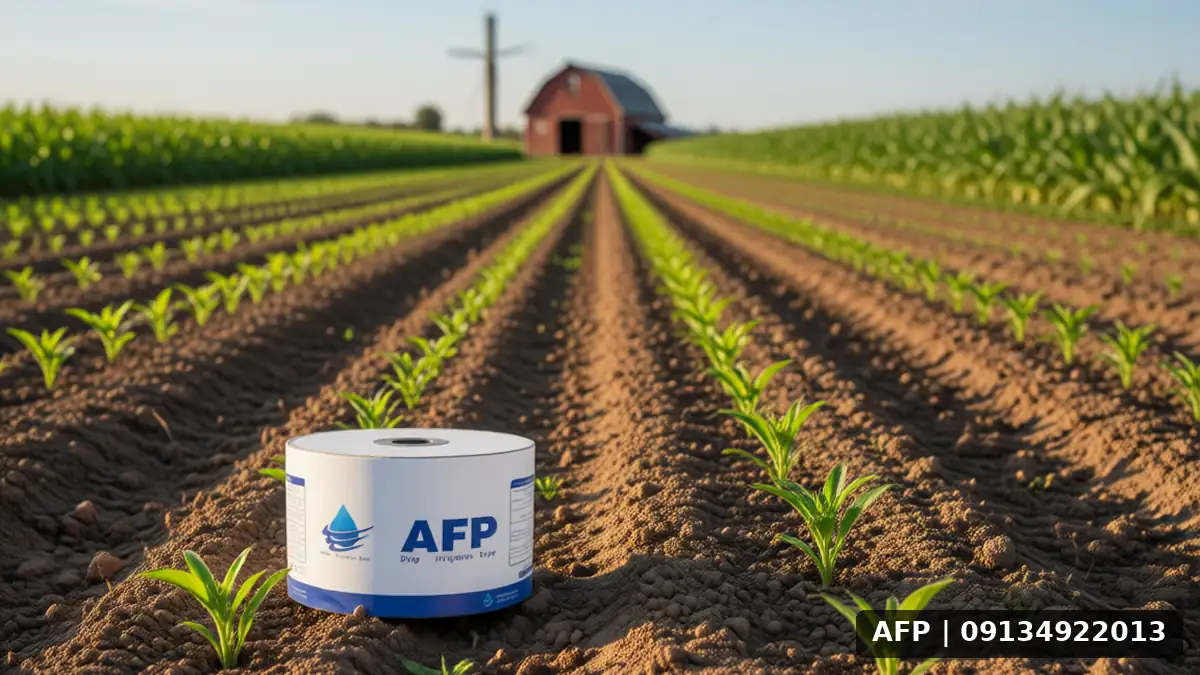
Practical tips for combining drip irrigation and soil amendment
To achieve soil recovery results, irrigation alone is not sufficient. This system must be used as a platform for injecting amendment materials. Below are the key execution points:
- Injection of soluble fertilizer through drip emitters: Using water-soluble fertilizers via drip irrigation (Fertigation) delivers nutrients to the root zone at a safe distance without causing burn. This process rapidly addresses the soil’s need for minerals and increases plant absorption efficiency. Precise timing of fertilization alongside water application is critical.
- Adding organic matter (compost): Do not apply compost superficially where it would be washed away by water flow. Instead, mix it into the soil layers within the root zone trenches (if feasible) or apply it in bursts beneath the cover crop. Drip moisture allows compost decomposition to occur at optimal ambient temperatures, converting it into plant-available nutrients more quickly.
- Soil salinity control: Due to water accumulation around the drippers, you must perform a periodic flushing at the end of the system to leach away deposited salts from the root zone. This flushing must be done with water of low salinity to avoid adding to the soil salinity. Regular monitoring of soil EC is also recommended.
Irrigation scheduling table for soil restoration
Schedule management is half of the critical work in soil restoration. This table is a general guide for grain and orchard crops:
Frequently Asked Questions About Soil Recovery Using Drip Irrigation
Does drip irrigation alone solve soil salinity?
No, without periodic leaching, drip irrigation can concentrate salts around the root zone. Therefore, you should perform a full system leach once a month to remove excess salts.
Do I need this system to grow crops such as vegetables?
Yes, vegetables have high sensitivity. The green bean performance guide indicates that precise nutrition directly impacts final crop quality. For example, green bean yields in units with optimized water management are significantly higher. Additionally, attention to factors affecting yield in reclaimed soils is particularly important.
Conclusion and Final Steps
Recovering exhausted agricultural soil is a time-consuming but necessary process. Combining drip irrigation with smart moisture management, use of organic matter, and cover crops is the best strategy for restoring health to your farm. Instead of focusing on short-term single-season yields, consider soil structure and its ecosystem. By investing in precision irrigation systems and adhering to principles Increasing Grain Crop Yields By amending the soil foundation, you not only enhance crop yield but also keep your land viable for future generations. Maintaining soil fertility is a long-term investment that shows clear returns over time and reduces maintenance costs.