Drip Irrigation in Water-Scarce Regions: A Strategic Guide to Optimal Water Management
Introduction: The Necessity of Transformation in Agricultural Water Management
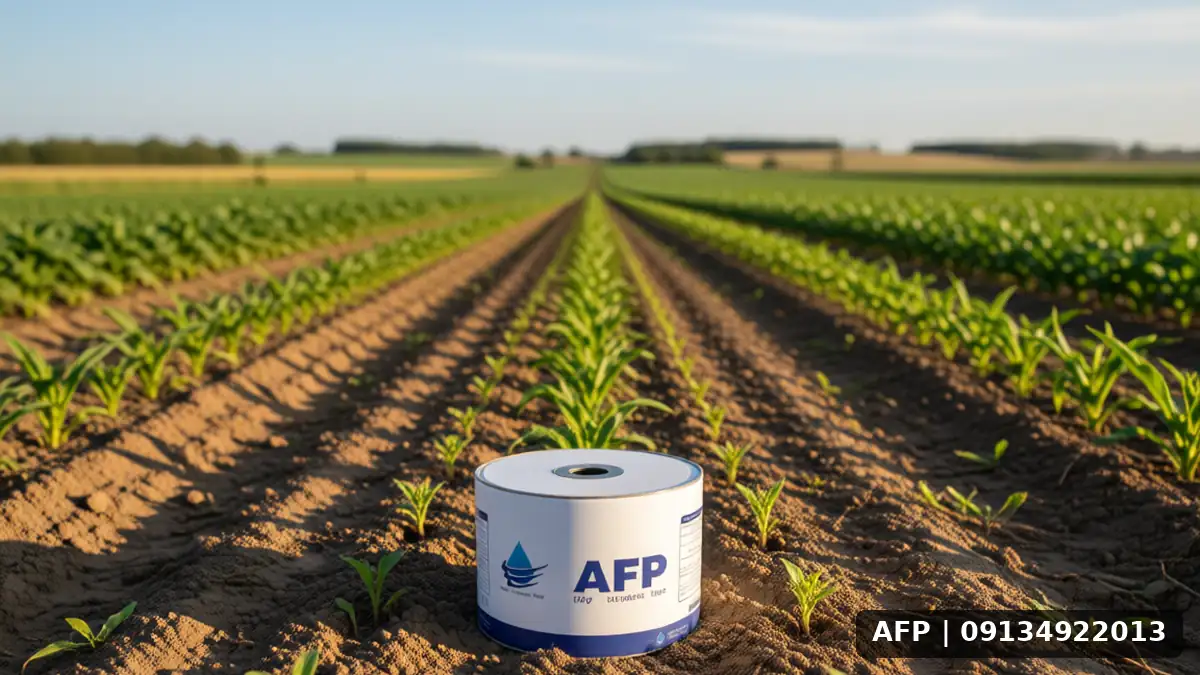
In recent decades, pressure from water resource scarcity on the agricultural sector has increased significantly. Many regions of our country, which have semi-arid and arid climates, face serious challenges in securing irrigation water. Under these conditions, drip irrigation in water-scarce regions is not just an acceptable option, but a necessity for survival to maintain agricultural production. This method prevents water loss through evaporation and surface runoff by delivering water and nutrients directly and precisely to the plant root zone.
While traditional surface or sprinkler irrigation methods can waste up to 50% of water, modern drip irrigation systems can reduce these losses to under 10%. This paradigm shift is considered not only a technical measure but a national strategy for food security amidst climate change. Herein, focusing on technical principles, execution points, and sustainable management, we examine the details of this technology.
The selection of an appropriate system must be based on multiple factors, including soil type, crop type, and air temperature levels. For example, in hot regions with high evaporation rates, the use of Luxai white seed rate per hectare and other forages requires particular attention to irrigation timing to prevent water deficit during sensitive growth stages.
Strip Tape Technology and Operating Mechanism
Structure and Main Components
Strip tape is one of the most advanced forms of drip irrigation, designed for row crops and deep-rooted plants. Unlike surface drip tapes that slowly release drops at the soil surface, strip tape uses appropriate pressure to project water as a fine, high-pressure spray into the ground, creating a deep wet strip. This characteristic encourages roots to grow deeper and access sub-surface water resources.
The main components of a strip tape system include a water source, pressure pump, filters, appropriately sized polyethylene tubing, and micro-emitters. Selecting the tubing diameter and emitter spacing is critical. In water-scarce regions, using low-flow yet clog-resistant emitters extends the system’s useful life.
Technical Advantages in Heavy and Light Soils
- Light (sandy) soils: High permeability causes water to move downward rapidly. By creating a vertical wet strip, strip tape prevents water from migrating to depths beyond root reach, thereby improving water use efficiency.
- Heavy (clay) soils: Low permeability causes water to accumulate at the surface. Drip tape breaks up this accumulation, encouraging roots to grow deeper and preventing root congestion.
For water-sensitive crops such as vegetables and tomatoes, precise flow rate adjustment is critical. Farmers must understand that Factors increasing garlic yield per hectare have a direct relationship with irrigation quality during the final weeks of the season. Drip tape contributes significantly to the uniform growth of water-sensitive crops by creating moisture homogeneity.
Strategic Irrigation Guide
To successfully implement drip irrigation in arid regions, a multi-stage strategic approach is required. This guide covers three stages: analysis, design, and operation:
Stage 1: Analyze existing conditions
- Soil analysis: Determine soil texture, water sedimentation rate, and the root depth of the sub-surface zone.
- Water scheduling: Calculate system input flow rate based on crop irrigation requirements (ETc) and network pressure. In water-scarce areas, every liter of water must be used with precision.
- Optional selection: For crops with shallow planting and foliar feeding requirements, drip line is preferred. However, for deep-planted grain crops, tape line is more efficient. For example, in forage corn cultivation, Forage corn tape line spacing must be adjusted based on mechanized layout and root depth.
Step two: Technical design and installation
At this stage, determining the line spacing is critical. The line spacing should ensure that the wetting zones of adjacent lines slightly overlap to prevent the formation of dry pockets. Theoretical calculations must be combined with field operations (water infiltration tests). Additionally, the ground slope affects hydrostatic pressure; on steep slopes, using pressure-compensating (PC) drip lines is essential to prevent breakage and clogging at the bottom of the slope.
Step Three: Operational and Phytopathological Management
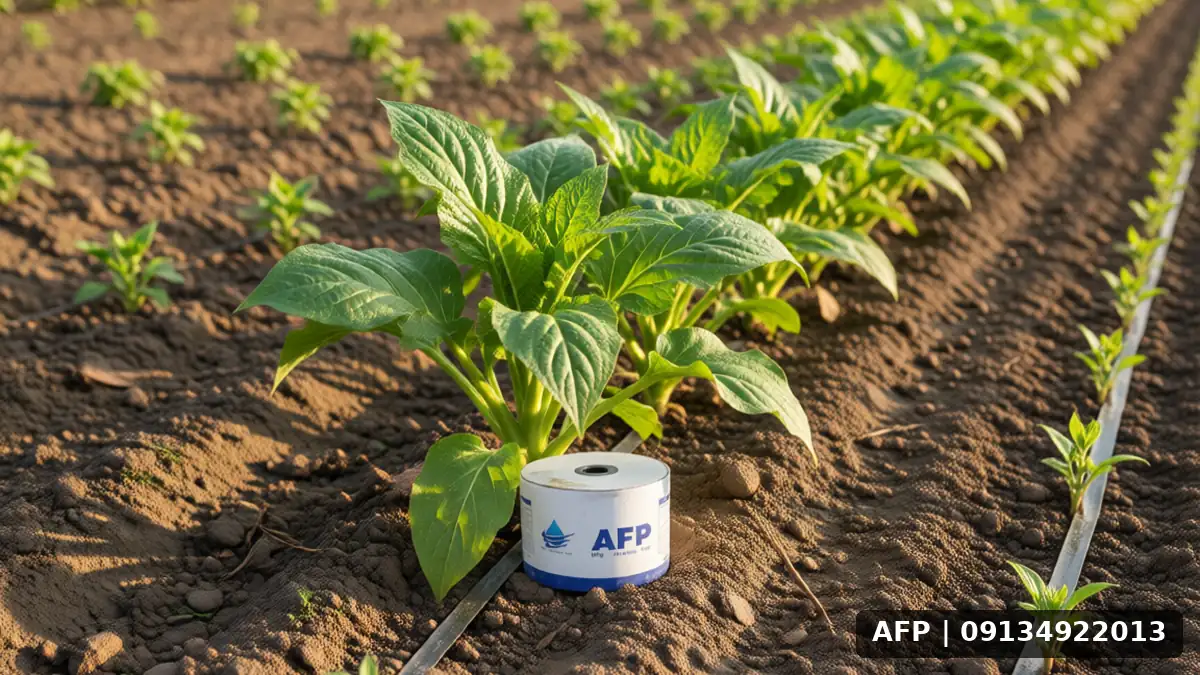
The operation of the system does not begin solely with irrigation. Fertigation, or the application of liquid fertilizer through the drip irrigation system, is one of the most cost-effective methods for delivering nutrients to plants. In water-scarce regions where soils often lack organic matter, combining irrigation and fertilization can increase nutrient use efficiency to over 90%. For instance, farmers aiming to increase the yield of saffron or vegetables should be aware that Factors affecting the yield of sugar beet per hectare also include the precise management of fertilization through the drip line.
Practical Tips and Sustainable Management
Preventing Clogging
- Proper Filtration: Always use spare and sand filters. Any suspended particle smaller than 100 microns can clog the tape.
- Flow Checker: Installing a flow checker at the end of the lines is critical for accurately detecting pressure fluctuations and blockages in drip tape systems.
- Tubing Wall Thickness: In areas where machinery passes, use tubing with greater wall thickness.
Reduction of evaporation and preservation of soil moisture
One of the main advantages of drip irrigation in arid regions is keeping the temperature cool in the root zone. High moisture levels in the root zone reduce the physiological stress of the plant. For sensitive crops such as tomatoes or papaya, this directly affects the final product quality. Farmers can maximize this effect by combining mulching with drip tape.
Impact on soil health
Surface irrigation causes soil crusting in arid regions. However, drip irrigation neutralizes the surface and preserves the activity of beneficial soil microorganisms. This, in turn, enhances nutrient uptake and increases plant resistance to water stress. Although drip irrigation has a high initial cost, reduced water consumption and increased yields guarantee a short-term return on investment.
Frequently Asked Questions (FAQ)
Is drip irrigation suitable for all crops in water-scarce regions?
In most cases, yes. However, for mature woody crops (fruit trees) with large canopy heights, combining drip with sub-surface tapes or deeper systems may be more efficient. The choice of tape type should be based on the root depth of the crop.
What is the maintenance cost of a tape drip system?
Maintenance costs mainly include pump energy, filtration, and occasional replacement of damaged tapes. In contrast, water savings and reduced fertigation costs typically offset maintenance expenses. Additionally, proper use of Methods to Increase Tarragon Yield per Hectare The drip system improves the overall farm profitability.
Can unconventional water sources be used for drip irrigation?
Yes, provided appropriate treatment is applied. Treated saline well water with low EC, treated urban wastewater, and even surface water with moderate salinity are usable when equipped with filtration membranes. This approach is a critical strategy in water-scarce regions where access to freshwater is difficult.
Conclusion
Drip irrigation in water-scarce regions is no longer a luxury but a national necessity for ensuring water and food security. By selecting the appropriate band drip system, designing the network intelligently, and managing precision fertigation, farmers can guarantee production even with limited water resources. The key to success in this strategy is a commitment to inlet water quality and continuous monitoring of system performance. Investing in this technology not only yields economic returns but also plays a significant role in environmental protection and reducing soil salinity. The future of Iranian agriculture depends on transitioning from traditional methods to precise and efficient water systems.