Cost of Growing Okra with Drip Tape per Hectare: A Comprehensive Economic Guide
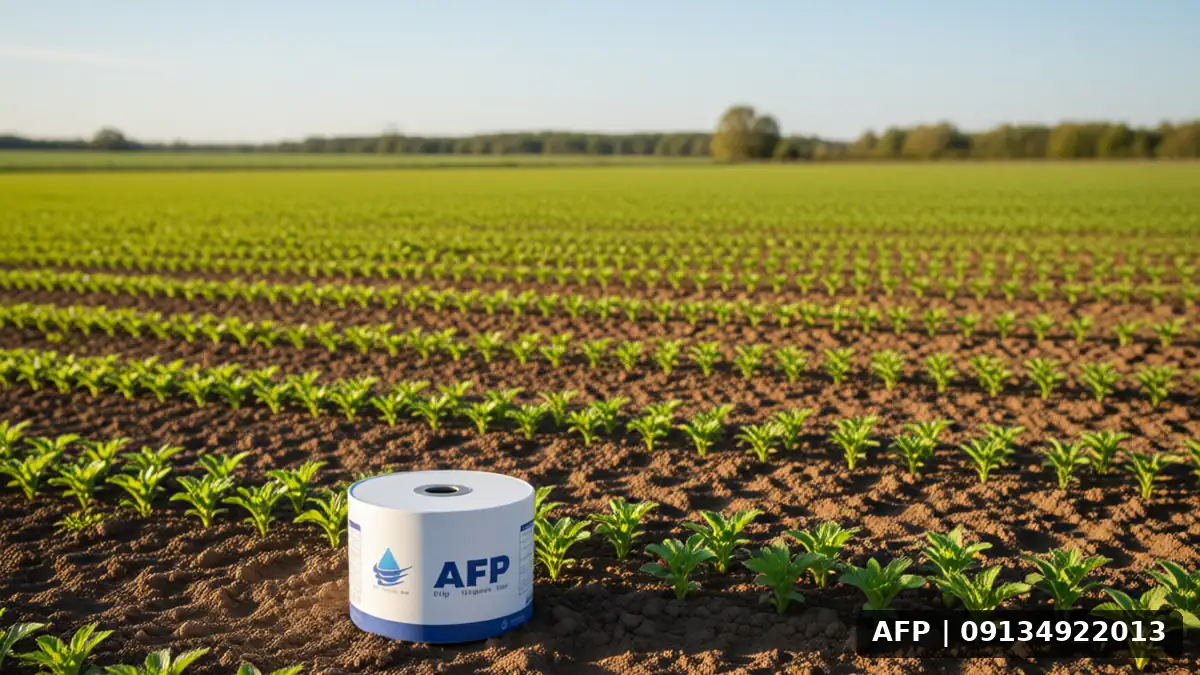
Introduction to the Cost of okra cultivation using drip tape per hectare
Okra is one of the strategic crops in Iranian agriculture, with growing demand in both food and industrial markets (as oil and livestock feed). However, the main challenge for farmers is managing production costs, specifically irrigation expenses. The use of drip tape (Drip Tape), one of the most affordable and practical pressurized irrigation systems, allows for precise water resource management and reduced labor costs. However, many producers still Cost of okra cultivation using drip tape per hectare do not have precise statistics and are concerned whether this initial investment leads to long-term savings. In this specialized article, we will examine all economic, technical, and practical aspects of this issue so that you can make an informed decision.
The importance of cost analysis per hectare
For any crop, understanding the cost structure is critical. In traditional irrigation systems, pumping, labor, and water loss costs are very high. However, implementing drip tape reduces operational costs. Accurate cost analysis helps you identify the break-even point in subsequent cropping years. Additionally, knowing the water requirement per hectare for okra cultivation helps you plan the use of scarce water resources. To better understand the relationship between water consumption and yield, you can refer to the comprehensive guide Water requirement per hectare which explains the basic concepts.
Main components of okra drip irrigation crop costs
The total cost of growing okra is divided into fixed and variable categories. In the variable section, the cost of purchasing drip tape, main pipes, fittings, and pumps plays a key role. However, a critical point is the useful life and replacement cost of the drip tape, which must be factored into multi-year calculations. The details of each section are examined below.
Irrigation system cost (drip tape and main hose)
The cost of the pressurized irrigation system constitutes a significant portion of the initial capital. For okra, flexible hoses with diameters of 125 to 250 millimeters are typically used for main lines, and various drip tapes are installed based on application rate (cubic meters per hour) and emitter spacing. Selecting a suitable drip tape corresponding to the okra planting bed width (usually 60 to 80 centimeters) is mandatory. You must divide the cost of purchasing one kilometer of drip tape by the number of hectares of your land to determine the cost per hectare. Additionally, the installation and labor costs for the technical team to connect and distribute the tapes are an integral part of this section. If you use surface water sources, the cost of pump facilities and storage tanks must also be added as a fixed cost. To better understand the correct spacing, which affects cost and irrigation precision, study the article Drip Tape Spacing Guide for Forage Corn is recommended, as the technical principles of spacing for similar vegetable crops are largely replicable.
Cost of seeds, labor, and preliminary expenses
The okra seed type (hybrid, local, or imported) has a direct impact on final yield and consequently ROI (return on investment). Initial costs, including plowing, bed formation, and herbicide application, are part of the total cost calculation. A positive aspect of drip tape cultivation is the reduced need for costly herbicides, as proper soil coverage and thinner weed growth in the tape bed reduce competition. However, the cost of chemical fertilizers (nitrogen, phosphorus, potassium) remains variable. Using fertigation with a drip tape system can increase fertilizer uptake efficiency by up to 30 percent, but it also includes the initial cost of the fertigation unit. If you are familiar with yield calculations for other crops such as potato, you can use the high-yield per hectare crop guide to compare the profitability of okra with alternative crops.
Precise calculation of water consumption and energy cost
One of the main advantages of drip tape is the significant reduction in water consumption. Okra is a sun-loving crop, but it requires regular watering during the critical stages of flowering and fruiting. The water requirement calculation for okra per hectare should be based on the crop coefficient (CROP COEFFICIENT) for each growth stage, regional climate, and soil moisture. In Iran’s arid climates, the total water requirement for okra is generally estimated between 8,000 and 12,000 liters per square meter during the growing season. If you use a drip tape system with an operational efficiency of 90 to 95 percent, pumping (energy) costs are significantly reduced because the volume of water transported is lower. Additionally, using high-efficiency electric pumps and correctly regulating system pressure prevents hidden energy bill costs. For more details on pumping calculations, refer to the article on almond yield per hectare It can clarify similar points regarding water volume calculations.
Practical tips for cost reduction and efficiency improvement
Reducing the final production cost of bitter melon grown with drip tape per hectare is not limited to the purchase of raw materials; mid-season management plays a decisive role. This section provides a practical guide for farmers.
Cultivation and bed preparation techniques
- Precise bed preparation: Bitter melon grows best in sandy-loam soil with deep rooting due to its need for strong roots. Using precise raking before sowing ensures that the drip tape is placed at the appropriate depth (usually 10 to 15 centimeters).
- Appropriate planting density: Bitter melon planting density is highly sensitive. High density causes excessive徒 and reduces yield, while low density leads to land loss. Calculating row and plant spacing based on the seed type (single or double-seeded) is mandatory. For example, if the row spacing is 65 centimeters, you must ensure that the drip tape is placed exactly in the middle of two rows or alongside the main rows (depending on whether it is a two-sided or one-sided tape).
- Using double-sided drip tape: For okra, double-sided drip tape is recommended because uniform water delivery to the roots from both sides strengthens the root system and reduces water stress in high-density cultivation fields.
Fertilizer and nutrition management based on drip tape
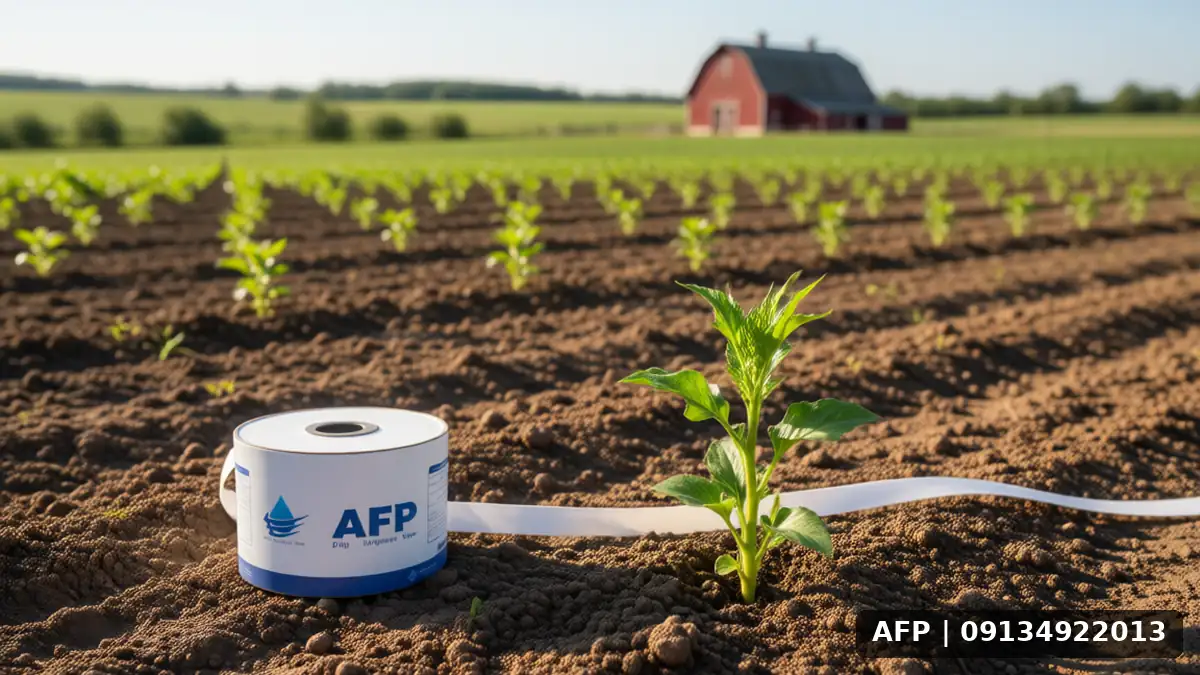
Fertigation with drip tape, while slightly increasing equipment costs, significantly reduces fertilizer purchase costs and the labor costs associated with fertilizer broadcasting. You can deliver water-soluble fertilizers directly to the soil through the tape lines. This method ensures that nutrients are concentrated in the root zone (Rhizosphere). To optimize this process, it is best to have a customized fertilization plan based on your soil analysis. Additionally, ensure that the concentration of fertilizers used for okra does not exceed safe limits, as soil salinization around the tape can damage roots and increase replacement costs.
System maintenance and troubleshooting
One of the biggest hidden costs in drip tape is emitter clogging. Using appropriate filters (disc or mesh) and regular system flushing extends the useful life of the tape. If you grow okra alongside other crops, you can Irrigation tips for red beans Be inspired, as both plants belong to different families yet have similar irrigation needs during sensitive growth stages, and filter management for them is very similar.
Financial Analysis and Return on Investment
To determine if the cost of okra cultivation using drip tape per hectare is beneficial to you, you must create a simple financial model. Assume the cost of purchasing drip tape, pipes, and installation is X toman per hectare. The useful life of drip tape is usually 2 to 3 seasons (depending on quality and operational conditions). Therefore, divide the annual cost of the tape by 2 or 3. On the other hand, calculate how your net profit per hectare increases with improved okra yield (e.g., from 1,500 kg in a conventional system to 2,500 kg in a drip system) and reduced water and labor costs. If the difference between total net profit and the additional cost of drip tape over its lifespan is positive, the drip tape system is economically justified. In most regions of Iran with severe water shortages, this equation favors pressurized systems.
Frequently Asked Questions (FAQ)
Below, we answer common questions about the cost of planting okra using tape drip irrigation per hectare and provide answers.
1. What is the cost difference between tape drip and fixed drip systems?
Tape drip has a significantly lower cost compared to fixed drip emitters because it is single-use and installed faster. Fixed drip has a higher initial cost but a useful life of 5 to 7 years. For okra, which is typically planted once a year, tape drip is more economical, unless you have double cropping.
2. Does using tape drip increase seed costs?
No, the seed cost is independent of the irrigation system. However, with more precision in planting and uniform basins, you will require less sorghum seeding rate and fewer seeds per hectare (due to reduced waste), which can lead to overall seed cost savings. To compare seed cost per hectare for other crops, see Corn seed rate per hectare Note that these figures are for corn, and sorghum has a different rate, but the calculation method is the same.
3. How do we prevent drip tape clogging when planting sorghum?
Using appropriate filtration (preferably sand media with a 100-120 mesh), adjusting water pressure to the recommended range (typically 1 to 2 bar for remaining tape lines), and initial system flushing before each planting season are key. Additionally, using small amounts of calcium hypochlorite or chemical treatments can prevent algal growth within the tape.
Summary and Final Recommendations
An analysis of the cost of planting sorghum using drip tape per hectare shows that although there is an initial capital cost for the irrigation system, the cumulative savings in water, energy, labor, and increased crop yields quickly offset these expenses. For success, farmers must not overlook precise calculations for tape spacing and emitter spacing. Proper salinity management in saline soils is also better controlled through drip irrigation and the use of drip tape, as salt accumulation around the roots is reduced.
Finally, it is recommended that before purchasing a system, you consult with an irrigation specialist based on your soil type and regional climate to optimize drip line dimensions, operating pressure, and pump capacity. By combining technical knowledge with economic analysis, you can transform your okra cultivation into a profitable and sustainable asset. Familiarizing yourself with spring barley yield per hectare and other crops can also help you plan subsequent crop rotations.